
Armani Code vs Armani Code Parfum — Which to Buy
The Short Version
Armani Code has run since 2004, and the line now splits into two scents people actually cross-shop: the original eau de toilette and the 2022 Code Parfum. They share a name and a family but wear differently. The EDT is the warmer, drier, more close-to-the-skin original, built on olive blossom and tonka. The Parfum is the sweeter, ambery, higher-projecting modern version that leans into the sweet-amber masculine wave. Both are good. Which to buy comes down to whether you want the warm classic or the louder, sweeter update — and the price gap between them.
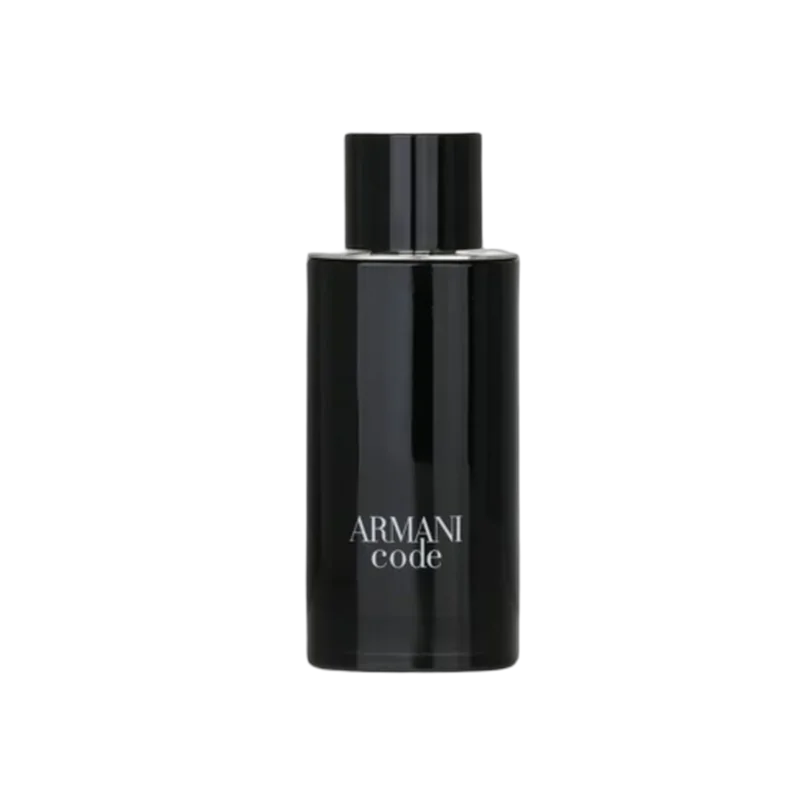
Armani Code 2004 Eau De Toilette
Giorgio Armani's 2004 take on the spicy-oriental masculine, and the bottle that turned the house's fragrance line into a real player. Built by Antoine Lie and Antoine Maisondieu, it opens on bergamot and lemon before a heart of olive blossom and star anise, drying down on a warm tonka, leather and tobacco base that is its whole signature. The olive-blossom note is the unusual part, a soft floral sweetness most rivals never touched, and it keeps the spice from reading sharp. It wears close and warm rather than loud, a dressed-up evening scent more than a daytime workhorse, with moderate projection and the kind of longevity that lasts a night without filling a room. Made under licence by L'Oréal, it sold in serious numbers and ran a long line of flankers behind it, the Sport, Absolu and Cashmere versions among them. Current batches run a touch tamer than the early ones, a familiar gripe, but the core tonka-and-anise warmth is intact. For a price-comparison shopper it is the cheaper of the two Codes by a clear margin and turns up on sale here constantly, which makes it the easy entry point.
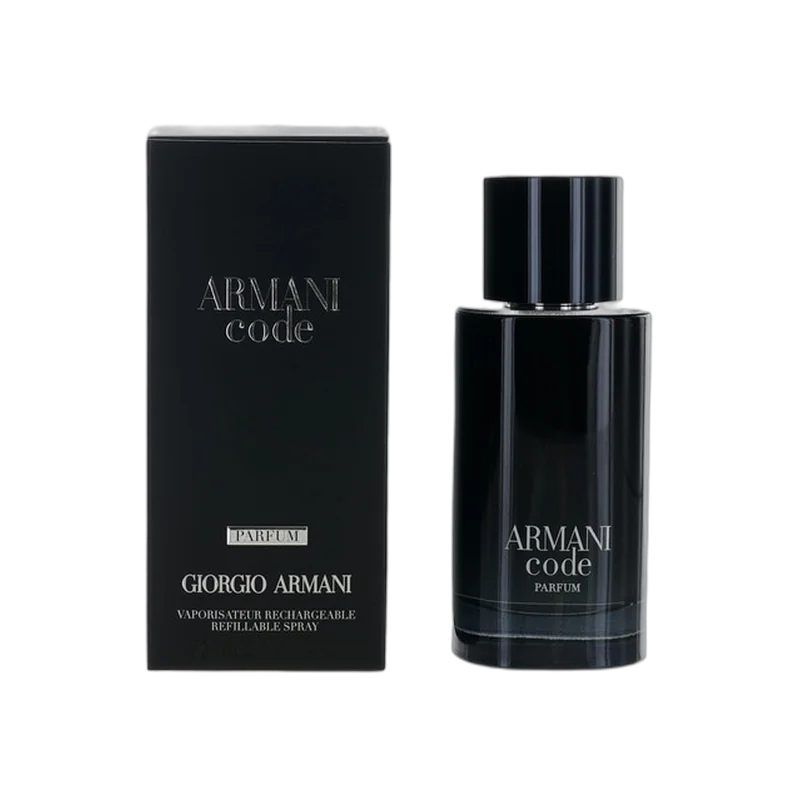
Armani Code Parfum
The 2022 reworking of Armani Code, and the version the house now pushes hardest, built as a sweeter and more modern reading of the 2004 original. Where the eau de toilette leaned on olive blossom and dry tonka, the Parfum pushes the amber and vanilla forward, opening on green apple and bergamot before a heart of orange blossom and a thick, sweet amber-and-tonka base. It reads richer and more gourmand than its parent, closer to the wave of sweet ambers that took over the masculine market in the years between them, which is plainly the point. Performance is its main argument: it projects harder than the toilette and lasts most of a day into the night, where the older version wears closer to the skin. It is a cold-weather and evening scent rather than an office daily, sweet enough to be obvious without tipping into dessert. Made under licence by L'Oréal, it sits a clear step above the original at full retail, though it discounts often enough here to close some of that gap. Pick it over the toilette if you want more sweetness, more amber and more reach for the money.
How the scent profiles compare
The same note families charted on each card above, lined up so you can see where each one leans.
How They Differ
Both sit in spicy-oriental territory and both end on tonka, but the middle and the drydown pull them apart.
- Armani Code EDT (2004) — bergamot and lemon up top, olive blossom and star anise in the heart, then a warm, dry base of tonka, leather and tobacco. The olive-blossom note is the unusual signature and the reason it never reads like a generic spicy designer. It wears close and warm, more evening than office.
- Armani Code Parfum (2022) — green apple and bergamot up top, orange blossom in the heart, then a thicker, sweeter amber-and-vanilla base. It pushes the sweetness and the amber that the EDT keeps restrained, landing closer to the sweet-amber masculines that dominated the years between the two releases.
In plain terms: the EDT is the warm, slightly old-school original; the Parfum is the sweeter, more modern reading of the same idea. The Parfum is not simply a stronger EDT — it is reformulated to smell sweeter and ambery, so the two are genuinely different scents rather than two concentrations of one.
Performance & Longevity
This is where the Parfum makes its clearest case. The 2004 EDT wears close to the skin, with moderate projection and longevity that comfortably sees out an evening without dominating a room — that restraint is part of its character. The 2022 Parfum projects harder and lasts longer, most of a day into the night, with the kind of reach the older version deliberately lacks. If you want a scent that announces itself and survives a long night, the Parfum is the stronger performer. If you prefer something warm and personal that sits near the skin, the EDT does that better.
Both are cold-weather and evening scents more than summer dailies, the Parfum especially so given its added sweetness and amber.
Price & Value
The two Codes do not sit in the same price band. The EDT is the older, far more widely stocked bottle and is heavily discounted across Australian retailers, so it is the cheaper buy by a clear margin and rarely far from a sale. The Parfum is the newer flagship and sits a clear step above at full retail, though it discounts often enough here to narrow the gap.
The live prices above show today's lowest and average for each at its most popular size, so you can see the real difference rather than guessing from RRP. If the gap is wide on the day you look, the EDT is the obvious value pick; if a Parfum sale brings the two close, the extra projection and longevity make it the better buy.
Which One to Buy
- Buy the EDT for the warm, dry, olive-blossom-and-tonka original — a close-wearing evening scent at the lower price, and the easy entry point to the line.
- Buy the Parfum for more sweetness, more amber and noticeably more projection and wear, if you do not mind paying up for a louder, more modern version.
If you want the classic Code most people mean when they say the name, and you want it cheap, the EDT is the pick. If you want the version that performs hardest and leans into the sweet-amber style, the Parfum earns the extra money — especially on sale.