
Best Elizabeth Arden Fragrances
The Quiet American
Elizabeth Arden is not a house that generates column inches. There are no provocateur perfumers attached to its launches, no limited editions selling out in minutes, no TikTok moment that reset its trajectory. What it has instead is something rarer in the current market: a back catalogue of consistently good, consistently available fragrances that have sat on counter through every trend cycle since the 1980s without needing to rebrand. The house's name belongs to the original Elizabeth Arden, the Canadian-American beauty entrepreneur who built one of the first modern cosmetics empires from a single Fifth Avenue salon in the early twentieth century. The red door on that salon became the house's enduring symbol, lending its name to what remains one of the most recognised florals in the catalogue.
That history matters because it shapes how the fragrances are positioned. Elizabeth Arden is not trading on a niche mystique or a celebrity collaboration; it is trading on continuity and reliability, which is a harder thing to sustain and a less glamorous one to market. The result is a line where the fragrances feel built for actual use rather than display, with formulas calibrated for longevity on skin and priced at a level where buying the wrong bottle is not a costly mistake.
The five picks here cover most of what the house does well: the polished city classics in 5th Avenue and Red Door, the modern serene pick in White Tea, and the two quieter 1990s florals — Sunflowers and True Love — that have outlasted dozens of better-known contemporaries with far larger marketing budgets behind them. All five are consistently well-stocked, and the live prices through the retailers we track tend to sit well below department-store RRPs.
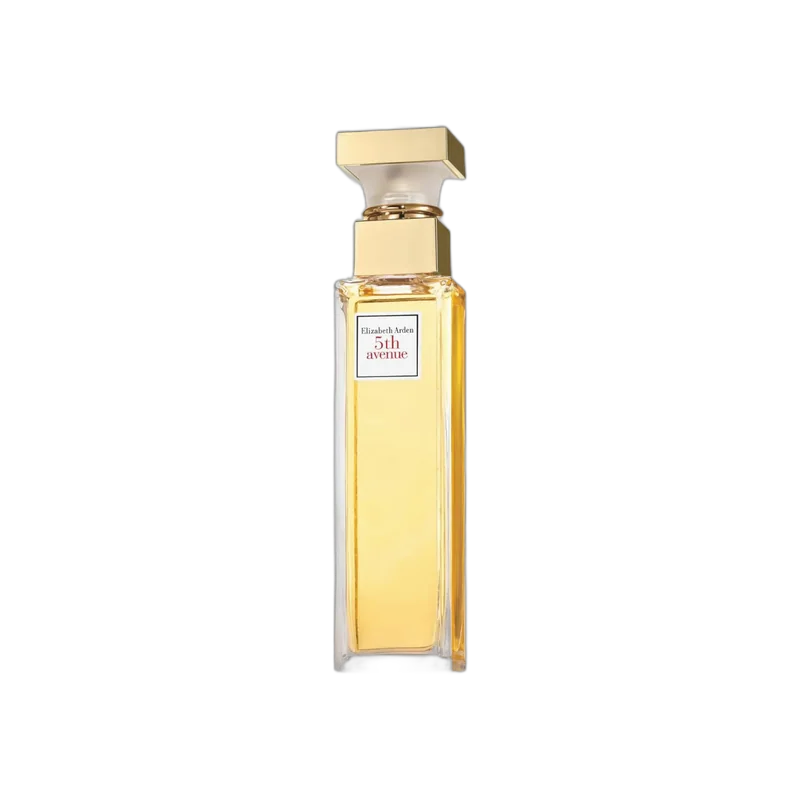
5th Avenue Eau De Parfum
Polished, quietly assertive and still the most recognisable thing in the Elizabeth Arden line, 5th Avenue is a Manhattan-themed aldehydic floral from 1996 that has aged better than most of its contemporaries. The opening is cool and sparkly, that clean aldehydic lift over lily and rose, before a heart of magnolia and violet settles the whole thing into a composed, slightly powdery floral. The sandalwood and musk base keeps it warm without turning it heavy. It is a proper office fragrance in the old-fashioned sense, polished and inoffensive without being anonymous — there is a spine of lilac and a little neroli that give it character most modern white musks never bother with. Longevity is solid and projection is moderate, which is exactly the combination you want at a desk. The faceted blue-and-gold bottle is one of the house's better designs, narrow and upright in a way that suits the Manhattan reference rather better than most city-named fragrances suit their cities. Three decades on the market without needing to reinvent itself is about the most honest endorsement a professional fragrance can earn.
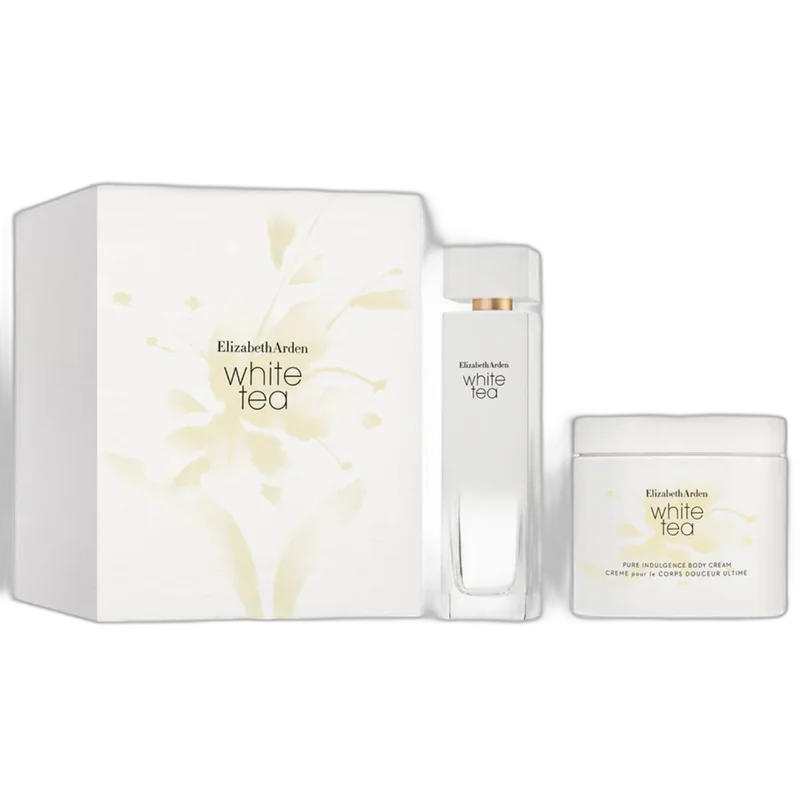
White Tea Eau De Toilette
White Tea arrived in 2017 as Elizabeth Arden's best argument for restraint, and it remains the most distinct thing the house makes. The name says it plainly: white tea's clean, slightly astringent warmth rendered in fragrance, and the formula gets there without reaching for the aquatic shortcuts most tea scents lean on. The opening is airy and slightly dewy, with a mild citrus and cool white musk framing the tea accord, and it dries down to a soft musk and light sandalwood base that sits close to the skin without disappearing. The projection is gentle and deliberate — this is a skin scent more than a room-filler, and it is the better for it. It suits warm weather and daytime wearing in a way that very few Elizabeth Arden fragrances do, which is part of why it found its own audience separate from the house's classic crowd. The most weather-flexible thing Elizabeth Arden makes, it also travels well and works in situations where the classic florals would be too heavy. Well-stocked across the retailers we track, with live prices that tend to stay noticeably below full retail. At its price, White Tea is the quietly confident modern choice in the line.
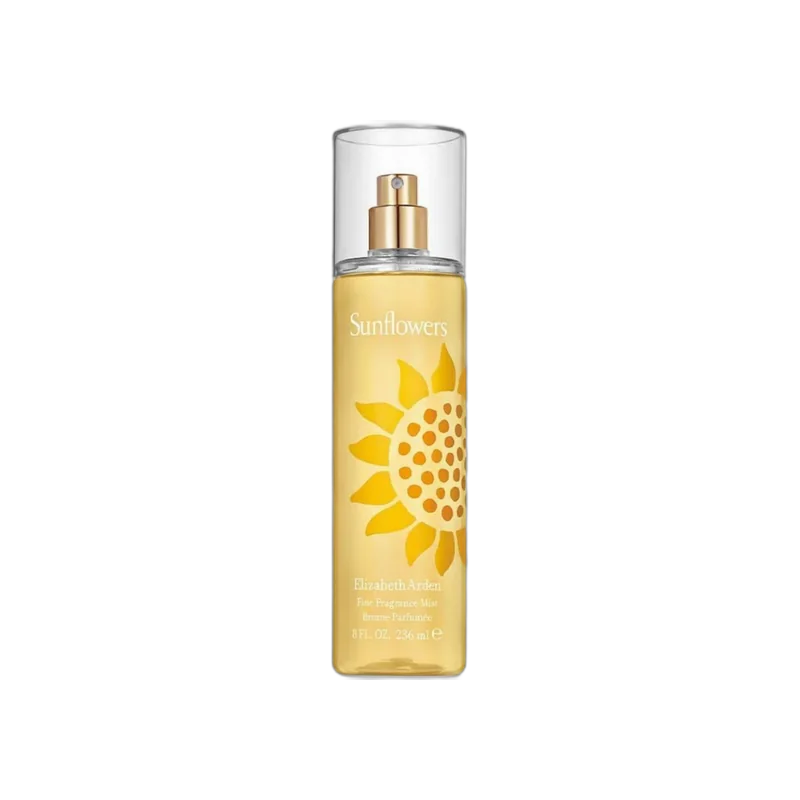
Sunflowers Eau De Toilette
Citrus blossom over a warm floral skin, Sunflowers has been doing exactly the same thing since 1993 and shows no sign of stopping. The opening is orange blossom and sparkling citrus over a light aldehydic shimmer, bright and slightly fizzy in the way only the early 1990s managed to do well. The heart settles into a clean floral of rose, lily and a little jasmine, before a warm musk and sandalwood base brings it down to something soft and close-wearing. It is undemanding in the best sense: cheerful without being shrill, feminine without being heavy, and well suited to warm weather and daytime use. More than three decades of stocking means it is one of the most affordable fragrances the house sells, priced in a bracket that makes it genuinely low-risk to try. What is notable is how well the formula has held up against the wave of fresh florals that followed it; most of its imitators are louder or cheaper-feeling, and Sunflowers still sits above them on balance of character versus price. The bottle, a matte-gold cylinder with a sunflower-embossed cap, is one of the more pleasantly retro designs in the house's line and suits the straightforward warmth of what is inside.
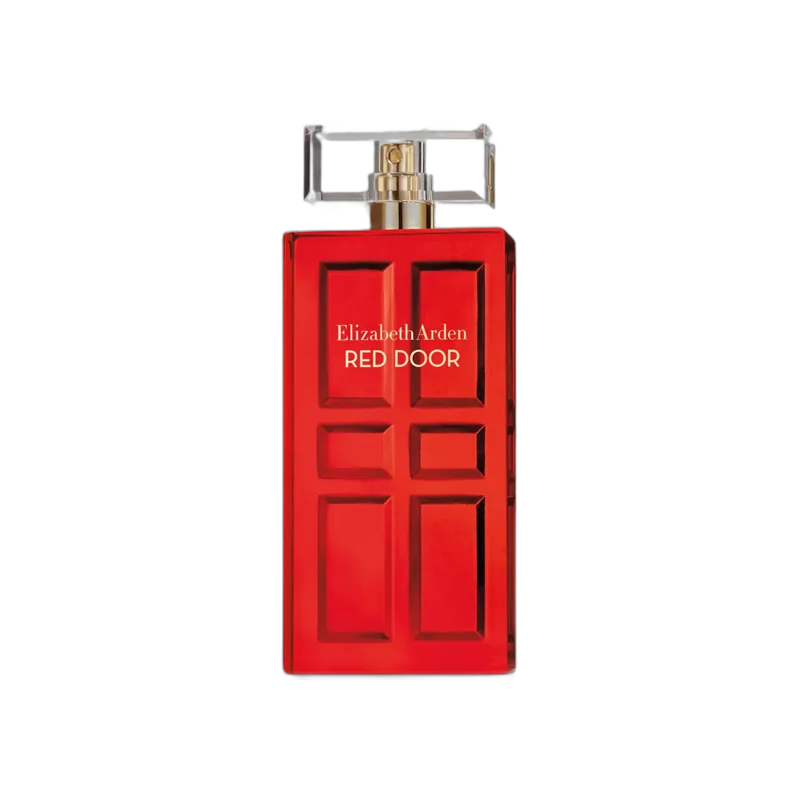
Red Door Eau De Toilette
Launched in 1989, Red Door is a full-throated grand floral that has now been on counter for nearly four decades without apology. The opening is a flush of red rose and jasmine cut with violet, and the formula leans into that bouquet rather than trying to modernise it — there is carnation and orchid in the heart, and a warm woody base anchored by sandalwood and amber that keeps everything full and rounded. It is unambiguously bold and feminine in the style of its era, which is either the selling point or the obstacle depending on where you stand. For those who find newer florals too sheer or too linear, Red Door is a reminder that a floral can actually fill a room and still hold itself with poise rather than veering into excess. Performance is strong and longevity is reliably good, which is consistent with the house's classic formulas. The red-lacquered bottle is a deliberate reference to the red door of Elizabeth Arden's original Fifth Avenue salon, making it one of the more literal pieces of brand storytelling in fragrance. Very few grand florals of this scale cost so little to own.
True Love Eau De Toilette
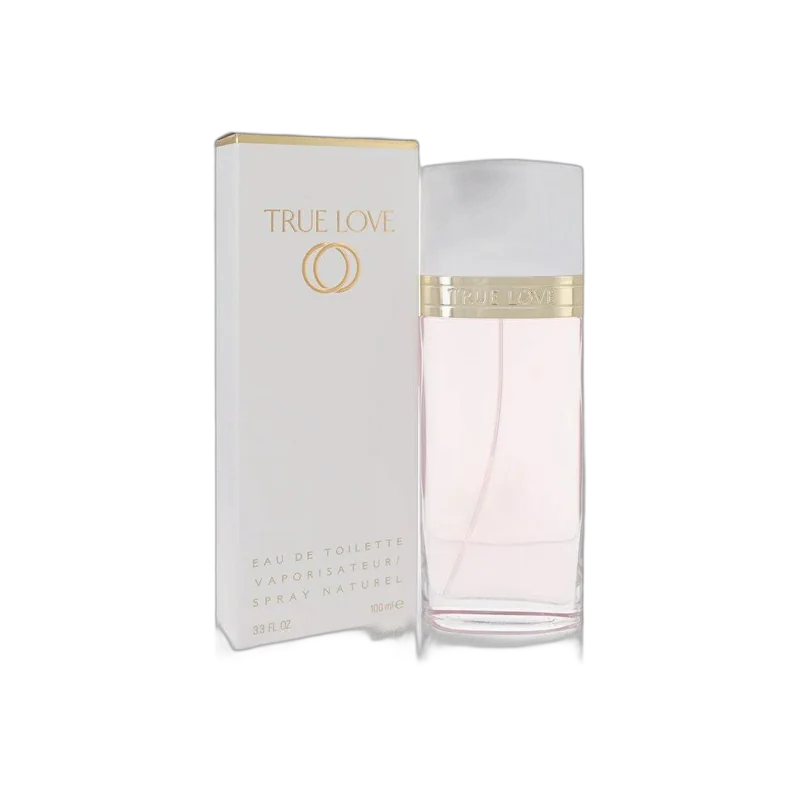
Where Red Door fills a room, True Love barely announces itself, which is entirely the point. Released in 1994, this is a soft, sheer floral built around a light rose and musk accord with a pale aldehydic shimmer and touches of violet and jasmine keeping it from going entirely transparent. The base is woody and clean, a dry-down that fades so gracefully you are more aware of it leaving than arriving. The character it projects is composed and private, which has made it a lasting choice for formal occasions and professional settings where something more emphatic would overstep. It is also among the most season-flexible things the house makes, the sheer volume and clean finish meaning it sits as comfortably in late summer as in early autumn. The price is low relative to almost anything in the same style, and the longevity is honest rather than impressive, running to around four or five hours before it retreats to a skin scent. As a genre, the barely-there formal floral is one of the harder things to do well; True Love is one of the few in this bracket that has been doing it continuously for over thirty years.
The City Classics: 5th Avenue and Red Door
These are the two Elizabeth Arden fragrances with the longest cultural reach, and they represent opposite ends of what a floral fragrance can do.
5th Avenue, launched in 1996, is the polished and composed option. The aldehydic lift in the opening sets it apart from most contemporaries that have abandoned that particular treatment in favour of softer, more neutral openings. That cool, slightly powdery quality is what gives it its professional character — it reads structured rather than sweet, composed rather than attention-seeking. The violet and lilac in the heart add enough individuality to prevent it from feeling generic, and the sandalwood base brings it down to something warm enough to wear comfortably through a full working day. It is the more restrained of the two classics, and the one most likely to suit someone who wants a definitive office fragrance rather than a statement.
Red Door is the older and the bolder of the pair, and it is not trying to be anything other than what it was designed to be in 1989: a full, assertive floral in the grand manner of its era. Nearly four decades later, that frankness reads as a virtue. At a time when so many designer florals have become progressively sheerer and safer, Red Door's commitment to full projection and a genuine bouquet stands out. The rose and jasmine heart backed by carnation and warm amber is not subtle, and it is not meant to be. This is the one for someone who wants a floral that actually fills a room, and for anyone who finds modern transparent florals a little thin. The longevity is excellent and consistent, and the price — very low for what it delivers in character and tenacity — makes it one of the better arguments for exploring the house.
The Modern Serene Side: White Tea
White Tea is the outlier in the Elizabeth Arden line, the fragrance that does not feel like it belongs to the same house as Red Door. Where the classics project and announce themselves, White Tea retreats and whispers, and that is a deliberate design choice rather than an economy measure. The airy tea-and-musk combination it rests on is exactly where modern fragrance has been pointing for the last decade, toward transparency, clean materials and a lightness of touch that does not ask for attention.
What distinguishes White Tea from the considerable number of tea-themed fragrances released around the same period is the accuracy of the concept. Many tea fragrances end up smelling of citrus or green herbs with the word "tea" attached for marketing purposes. White Tea actually renders that specific quality of brewed white tea — the mild astringency, the faint warmth, the clean finish — without reaching for aquatic shortcuts or sharp citrus notes to suggest freshness. It is a harder brief to execute than it sounds.
It also happens to be the most weather-flexible thing Elizabeth Arden makes. The classic florals belong in cooler months and the controlled temperature of air-conditioned spaces; White Tea works in humidity and warmth in a way they do not. For those exploring the broader category of transparent and tea-forward fragrances, our best tea fragrances guide covers the wider field and places White Tea in useful context.
The 1990s Pair: Sunflowers and True Love
These two are worth knowing together because they share a sensibility — both are quiet, both are wearable across occasions and seasons, and both have been in continuous production since the early 1990s — but they land very differently on skin.
Sunflowers, from 1993, is the cheerful one. The opening is bright and fizzy in the way that only a certain era of fragrance managed confidently, citrus and orange blossom with a faint aldehydic shimmer, and it settles into a clean, approachable floral that wears easily through warm weather. It is the most casual fragrance on this list, the one you reach for on a Saturday morning rather than a formal occasion, and it has remained exactly that for over three decades of continuous stocking. Revisiting it after a long gap, what strikes you is how clean and well-proportioned the formula is — it does not smell dated in the way that some of its contemporaries do, because it was never chasing the extreme trends of its moment.
True Love, from 1994, is the quieter and more formal of the pair. It is built for the occasions where Sunflowers would seem too casual and Red Door too emphatic — a composed floral that projects so gently it functions more as a personal signature than an announcement. The sheer quality of the dry-down is where it earns its place: the musk and sandalwood base is clean and close-wearing without going entirely transparent, and it holds a soft, faintly powdery warmth for several hours on skin. It is the fragrance equivalent of a well-cut neutral, exactly right for the contexts that call for understatement.
Both Sunflowers and True Love sit at the accessible end of the price range even by Elizabeth Arden's already reasonable standards, and both are well represented in the retailers we track. For anyone thinking about how fragrance preferences evolve over time — whether the assertive florals of early adulthood give way to something quieter, or vice versa — our best perfumes by age guide explores that honestly, and the Elizabeth Arden classics appear there in useful context.
How to Choose
Match the fragrance to the occasion and the season rather than starting from the bottle. Red Door and 5th Avenue are the choices when you want projection and presence — Red Door for the full, uncompromising floral, 5th Avenue for something more structured and a little cooler. Both perform better in cooler weather and enclosed spaces where the sillage has room to establish itself.
White Tea is the warm-weather and daytime option, the one that travels well and works equally across seasons. If your current collection is already weighted toward bolder florals, this is the addition that covers the situations they do not.
Sunflowers and True Love are both daytime and casual-to-formal respectively, and both suit people who prefer their fragrance to stay personal rather than announcing itself across a room. Sunflowers for warmth and ease, True Love when the context calls for the most restrained option on the list.
On value: all five sit in a price bracket that makes the decision relatively low-stakes, and the live data through the retailers we track generally shows meaningful discounts below the full retail price. That is one of Elizabeth Arden's genuinely underappreciated qualities as a house — you rarely pay what the counter price suggests.
Compare Elizabeth Arden fragrance prices across every retailer on Aurexum