
Best Floral Perfumes for Women
What "Floral" Actually Means
Floral is the largest fragrance family there is, which also makes it the least useful label. A tuberose soliflore from Gucci and a vanilla-drenched Flowerbomb are both technically floral. A fresh dewy rose built on white musk and a patchouli-spined chypre are both technically floral. Telling someone a fragrance is "a floral" is roughly as informative as telling them a wine is "a red."
What the family actually contains: white florals (jasmine, tuberose, orange blossom — heady and full), roses (from jammy and sweet to dry and thorny), green florals (grass, stem, wisteria — light and outdoor-feeling), chypre florals (flowers over oakmoss, labdanum and patchouli, with a dry earthy spine), and floral-gourmands (big flowers over vanilla and musk, often sweet enough to sit alongside the gourmand category). They share the floral centre but they wear completely differently, which is why this post is organised by style rather than alphabetically.
If you already know you like florals but keep buying the wrong version — too sweet, too heavy, too flat, too brief — this is the map.
The White Floral End
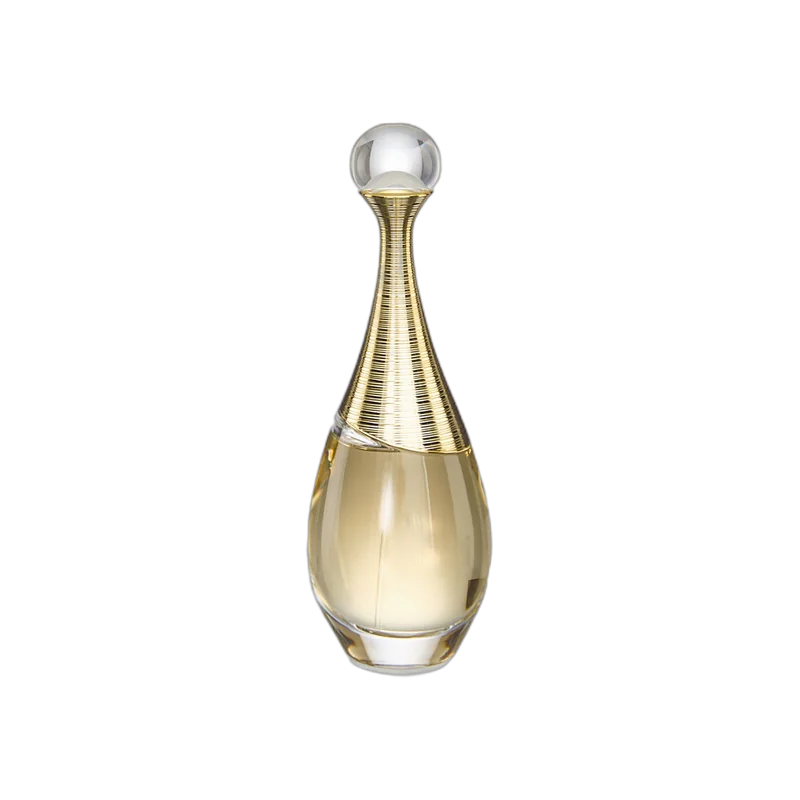
Jadore Eau De Parfum
The gold flacon that turned a fruity floral into a reference point: J'adore arrived from Dior in 1999, composed by IFF's Calice Becker, and it has not really left the cultural conversation since. Becker built it as a warm bouquet of Damascus rose, ylang-ylang and a violet note over a soft musk base, with melon and peach in the top lifting the opening before the flowers take over. The overall impression is golden and almost liquid, warm but not heavy, rich but not sweet, and nothing like the powdery, soapy feminines it was displacing at the time. That shift — fruity-floral warmth instead of aldehydic shellac — is why it read as modern in 1999 and still does not feel dated. Charlize Theron's two-decade run as the face and the distinctive bottle cemented it as one of the most recognised flacons in the world. It has spawned a wide flanker family (the L'Or, the Absolu, the Infinissime), but the original EDP remains the reference point that the rest are measured against. Dior produces it under the LVMH umbrella and it is stocked almost everywhere, so the live price tends to land well under full retail on this site. The obvious starting point for anyone mapping modern designer florals.
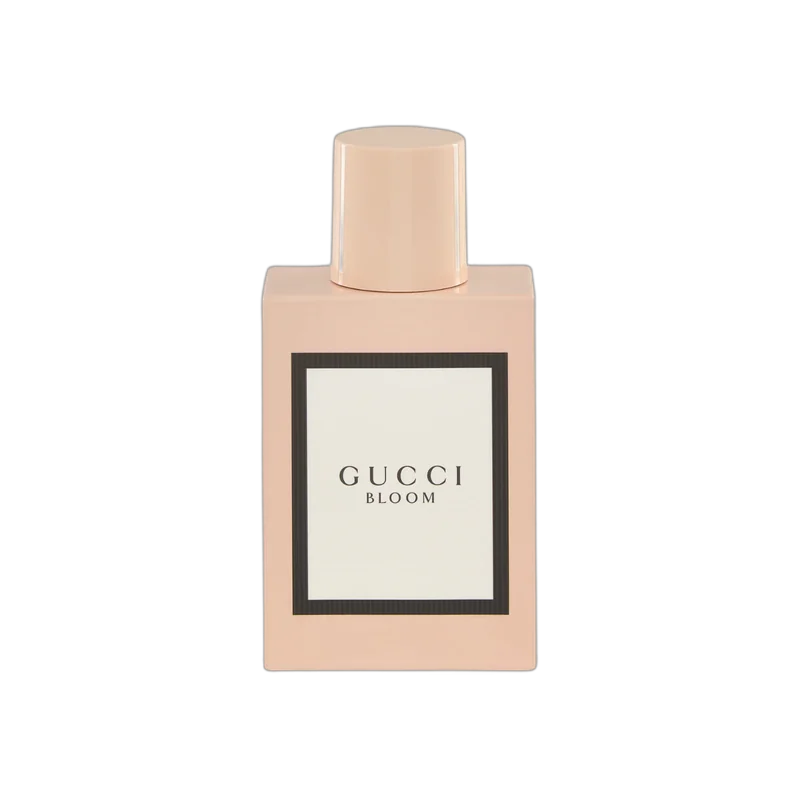
Bloom Eau De Parfum
Alberto Morillas composed Bloom at Givaudan for Gucci in 2017, and it is the most convincing tuberose-jasmine bouquet the house has ever released. It was built around a jasmine sambac, tuberose and Rangoon creeper accord, with little else added: the brief was a garden at its peak rather than a polished perfumery construction. Morillas kept it close to that brief, producing something heady and almost wet, like cutting stems rather than spraying a finished composition. The tuberose is present but not the rubbery, retro version that puts people off the note; it reads creamy and full rather than sharp. It projects moderately and lasts well on skin, more office-manageable than many white florals at this density. The campaign fronted by Dakota Johnson, Hari Nef and Petra Collins gave it a modern, inclusive framing that matched the stripped-back composition. The house produces several flankers now, including a Profumo and an Eau Fraîche, but the EDP is where the tuberose is most legible. For a white floral that skips the aldehydic shellac and just smells of proper flowers, it remains one of the strongest picks in the designer tier.
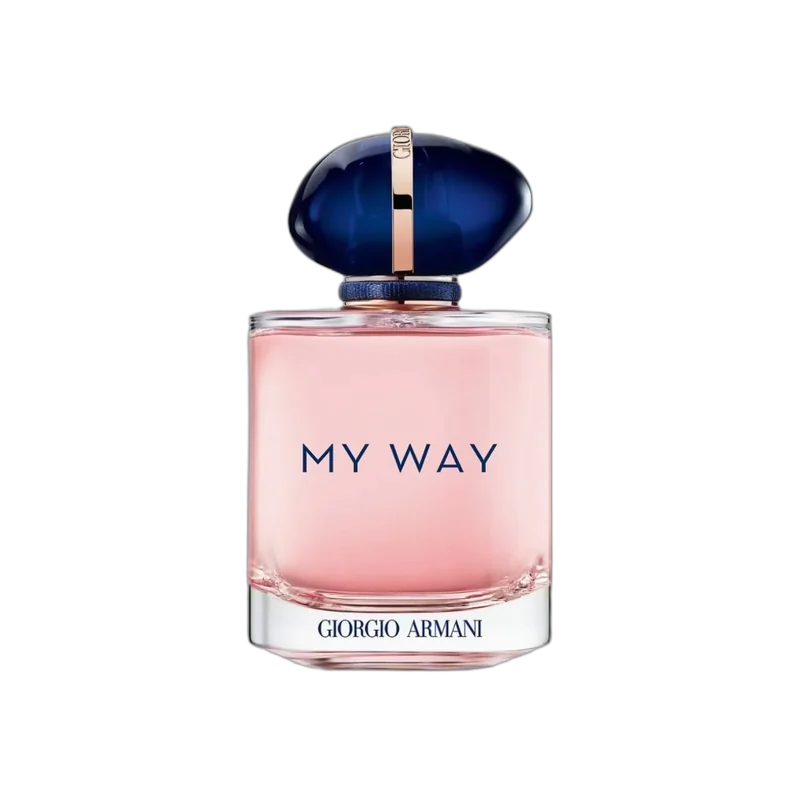
My Way Eau De Parfum
Launched in 2020 as Giorgio Armani's clean modern feminine pillar, My Way was composed by Anne Flipo, Dominique Ropion and Loc Dong at IFF — a team effort that shows in how resolved the formula is. It opens on bergamot and orange blossom, bright and fresh rather than heavy, then settles into a tuberose and jasmine heart with Indian sandalwood and white musk underpinning the whole thing. The IFF team leant on biodiversity sourcing for key materials, with Egyptian orange blossom, Indian sandalwood and Madagascan vanilla giving Armani a sustainability narrative while adding a genuinely varied mid-stage to the scent. It is a white floral that reads wearable rather than wearying: the tuberose sits in the background rather than the foreground, the sandalwood gives warmth without heaviness, and the overall silhouette is airy. It projects gently for the first hours then becomes a quiet skin scent, suited to work and travel more than evenings. Cate Blanchett was the first face. The refillable bottle and the sourcing story made it a conscious-consumer pitch at the designer tier, and it now sits as one of Armani's best-performing women's launches of the decade. A reliable white floral for everyday use.
White florals are the most polarising corner of the family. At full density they can read soapy, funeral or overwhelming; done well they read luminous, alive and rich without being loud. All three of the white florals here land in the latter camp.
J'adore is the reference, and it earned that status by doing something the old aldehydic florals did not: it made white floral warmth feel modern. The ylang-ylang and rose combination Calice Becker landed on in 1999 still sounds right, which is a better achievement than it sounds for a fragrance this old and this commercially enormous. Gucci Bloom goes further into the flower — it smells literally of cut stems and a wet garden, with the Morillas tuberose reading creamy rather than sharp. My Way is the lightest of the three, an orange blossom and tuberose composition that stays in the background and works equally well at a desk as on a weekend, which the other two do not always manage.
Buy J'adore if you want presence and warmth. Buy Bloom if you want real flowers without the retro shellac. Buy My Way if you want a white floral that travels quietly through the day.
Roses That Actually Smell of Roses
Roses that actually smell of roses. That sounds obvious until you wear a few, at which point it becomes apparent that most designer roses are really fruit-and-musk arrangements with a rose note somewhere near the top.
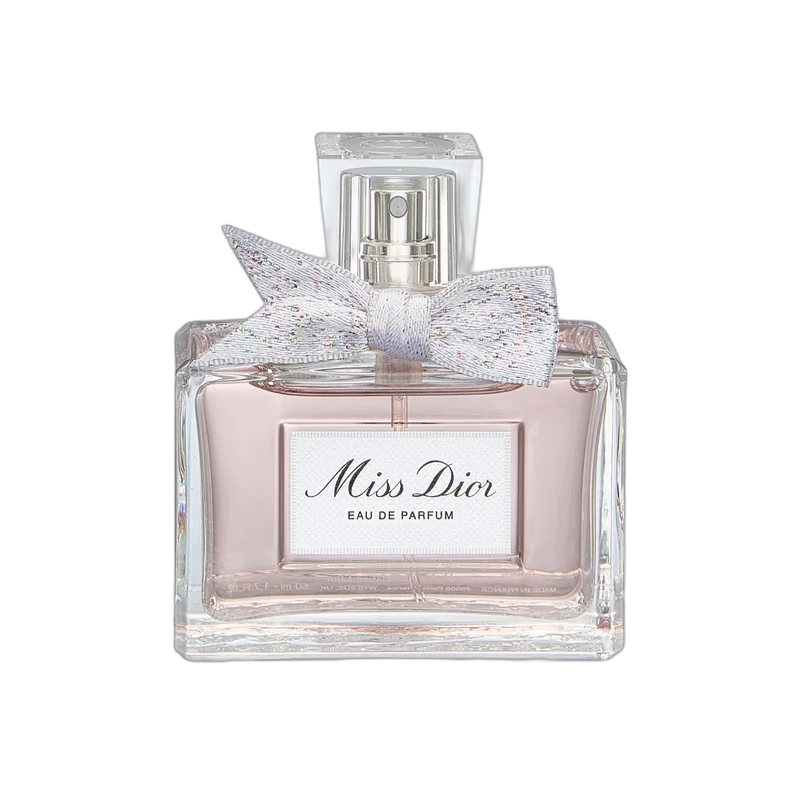
Miss Dior 2012 Eau De Parfum
The 2012 version of Miss Dior is a pivot point in the fragrance's long history, moving the house from the original 1947 chypre into a rose-patchouli EDP that has defined the flanker's direction ever since. This edition was composed by François Demachy in-house at Parfums Christian Dior and opens on a mandarin and Grasse rose top that reads fresh and fruit-edged before the centifolia and damask rose heart opens up. The base is patchouli over a white musk, grounded and a little earthy, which keeps it from reading as a straight feminine rose. It is at its best on skin in cooler months, where the patchouli gives it warmth and the rose develops properly rather than turning sharp. It projects clearly for several hours and lasts through most of a day on skin. The pink bow, the Natalie Portman campaigns and the house's meticulous Grasse-sourcing story have made it one of the most talked-about designer roses on the market, though the version has been reformulated across the years and current batches sit closer to the modern EDP than the original 2012 juice. For a rose with actual depth underneath it, this is the Dior pick.
Delina La Rosee
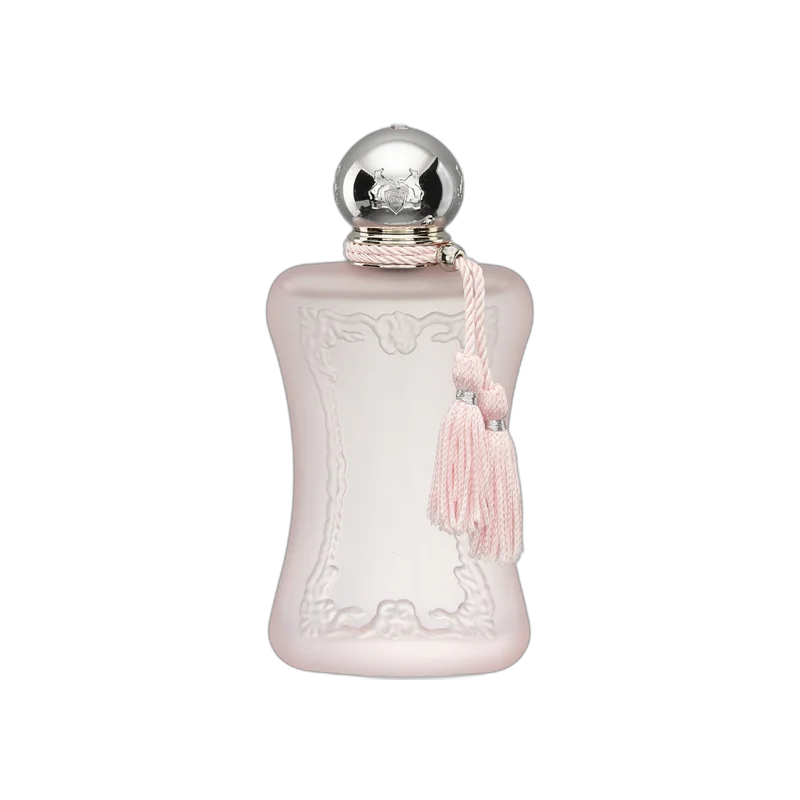
Hamid Merati-Kashani built La Rosée for Parfums de Marly in 2021 as the cleaner, dewier counterpart to the house's better-known Delina. It was designed to read like a rose just after rain: centifolia rose over a rhubarb and lychee top, with a peony and jasmine heart keeping the floral wide, and a clean white musk base that lets the whole thing breathe. It wears lighter than Delina and considerably less heady, which makes it the summer or daytime option from the house and the entry point for people who found the original too pink and sweet. The niche-tier price is higher than designer, but the live cost on this site often tracks below RRP, which makes it more accessible than it looks on a shelf. Performance is modest for the tier, projecting softly and settling into a skin scent after a couple of hours, so it is better suited to close-contact moments than to a statement entrance. The PdM Pegasus bottle in white is among the house's most minimal flacons. For a genuinely fresh, naturals-led rose at niche level without the intensity of the original Delina, this is the thoughtful reach.
Chloe Rose Naturelle Intense
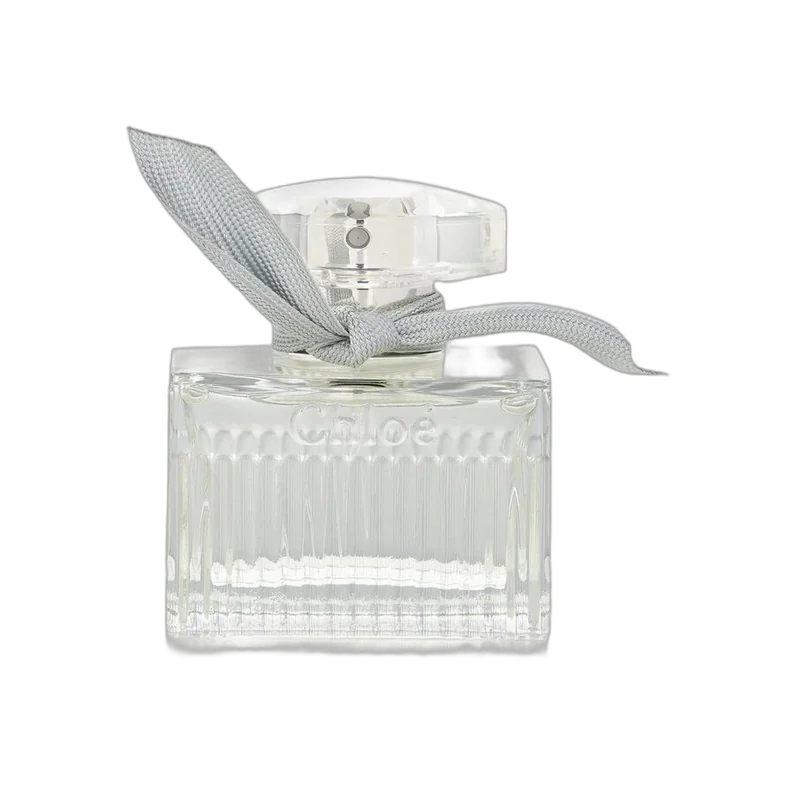
Where most designer roses reach for sweetness or fruit, Rose Naturelle Intense from Chloé's 2022 release goes the other way — drier, more textured, more honest about what a rose actually smells like. Givaudan's Amandine Marie composed it as part of the house's push toward higher proportions of natural materials, and the brief was transparency: let the Bulgarian rose read as close to the real flower as possible rather than polishing it into a generic feminine accord. The result foregrounds rose alongside geranium and peony, with a warm amber and cedarwood base that gives it a slightly earthy, woody finish. There is a green and mildly spiced edge in the opening that separates it from the cleaner, fruitier roses on this list. It wears close to skin — projecting moderately, lasting well, a rose that rewards wearing rather than broadcasting. The Chloé floral lineage runs back through the original Chloé Eau de Parfum, with rose as a house note ever since; this reads as a genuine evolution of that archive rather than a flanker exercise. The naturals credentials are published and verified, with certification ratios higher than most designer peers. For a rose that reads earthy and real rather than varnished and sweet, it is the most interesting pick in this price tier.
These three have actual rose at the centre. Miss Dior 2012 frames it in patchouli and earthy musk, giving the rose depth and keeping it from reading as straight feminine sweetness — it is the best cold-weather pick of the three. Parfums de Marly Delina La Rosée is the opposite direction: a fresh, rhubarb-edged rose built to read light and dewy, better suited to warmer months and lighter wearing, and the most naturals-focused bottle in the group. Chloé Rose Naturelle Intense takes a dryer approach, leaning into the woody amber base to produce something that reads green and textured at the edges — the rose for someone who finds straightforward roses too pretty.
All three sit at different price tiers. If budget is the constraint and you want a real rose without committing to niche, Miss Dior is the natural starting point. The live prices on Aurexum for all three tend to track well under retail, so it is worth checking before walking into a department store.
For more women's picks at the accessible end, women's perfumes under $150 covers a broader range.
The Floral-Chypre and Floral-Gourmand Corner
These two are the most structurally ambitious fragrances on the list, and the ones most likely to feel different from what you expect walking in.
Coco Mademoiselle Eau De Parfum
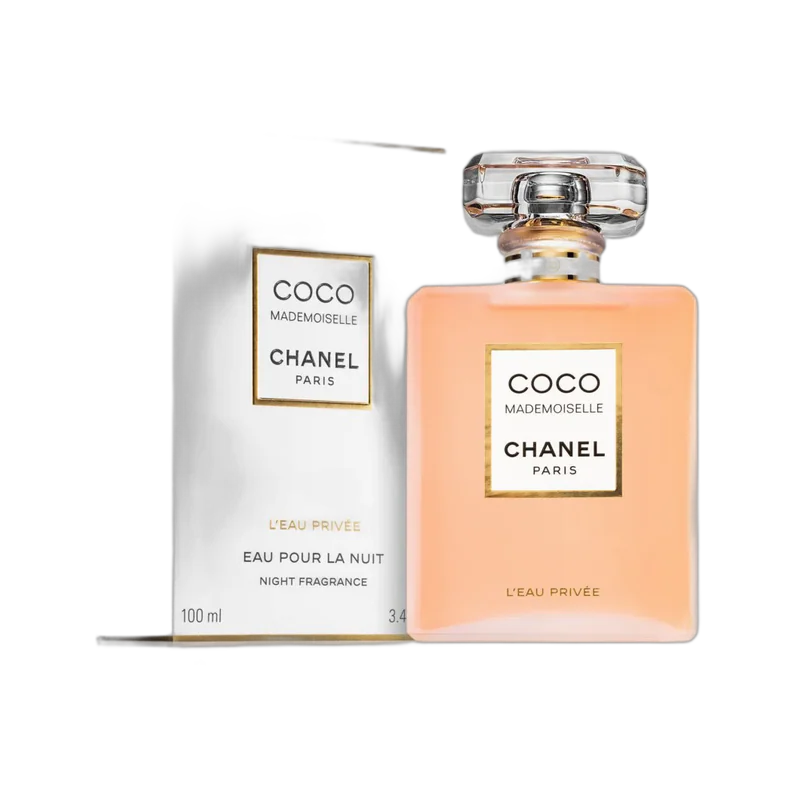
Jacques Polge's 2001 work for Chanel in-house, Coco Mademoiselle is the fragrance that brought the chypre structure to a mass audience without ever announcing itself as such. It opens on bergamot, orange and grapefruit, a bright citrus hit that softens quickly into a rose and jasmine heart, then drops into a patchouli and vetiver base that gives the whole thing its spine. That base is the point: without it, it would be a pleasant floral; with it, it becomes something earthier and more complex, a chypre in modern dress. It is a big floral with real ambition, projecting strongly for the first few hours and lasting well on most skins. The campaign built around Keira Knightley and Luc Besson's short films turned it into a cultural touchstone, and it has sold consistently for more than two decades. The concentrated Intense version, composed later by Polge's successor Olivier Polge, pushes the rose and patchouli further for anyone who finds the original a little sharp. Stocked almost universally, the live price on Aurexum tends to be one of the better deals on Chanel. For a floral with structure and staying power, this is the grown-up choice on this list.
Flowerbomb Eau De Parfum
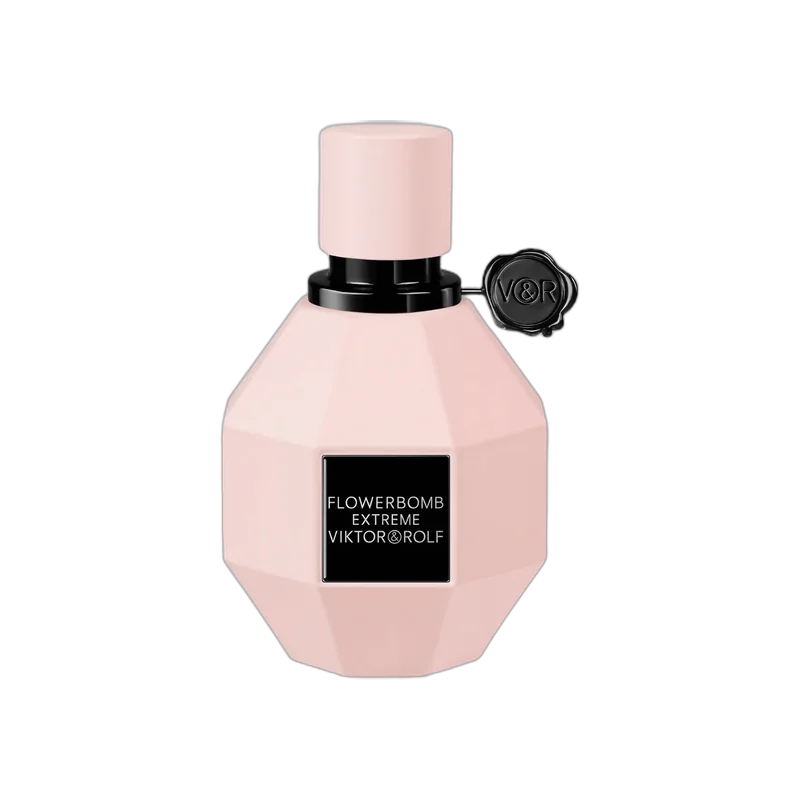
The 2004 blueprint for the floral-gourmand genre, composed at IFF by Olivier Polge, Carlos Benaïm and Domitille Michalon-Bertier for Viktor and Rolf, and the scent that set the template for the sweet, bomb-shaped florals that followed it. Flowerbomb opens with bergamot and tea, then a massive centifolia rose and jasmine heart, before landing in a vanilla, patchouli and woody amber base that is where the gourmand part kicks in. The name is accurate: it is dense, sweet and determined, a floral that tilts toward dessert in its base and makes no apology for the projection it carries in the first few hours. The trick was stacking the floral density against a vanilla-sweetened base rather than a clean musk, which is what made it different from the feminines of its time and why it still registers as a genre of its own. It can be a lot indoors and in warm weather, so it rewards either restraint in application or a genuinely cold evening. Now produced under Coty, it has its own large flanker family, the Midnight Bloom and Luna among them, but the original EDP is the one that defines the genre. Heavily cloned, widely stocked and usually well under full retail here. The crystal-grenade bottle has become one of the most recognisable shapes in modern fragrance.
Coco Mademoiselle is a chypre in a floral's clothing. Jacques Polge built it with a citrus-rose head and then anchored it in patchouli and vetiver, which gives it a dry, earthy base that most people wearing it do not consciously notice but absolutely feel. That spine is why it lasts so well and why it reads grown-up rather than sweet. It is one of the few Chanel fragrances that projects confidently rather than sitting close, and for anyone curious about what the chypre family actually sounds like, this is a gentler entry than an actual vintage chypre. If you enjoy Coco Mademoiselle, the summer fragrances for women list has a few more that share the bergamot-and-structure logic for warmer months.
Flowerbomb is the other direction: a giant floral-gourmand that piles rose and jasmine onto a vanilla-patchouli base and turns the whole thing sweet and dense. It was a category shift when it landed in 2004 — the floral-gourmand hybrid was not common at that scale before this — and it remains the genre definition. It is not a subtle scent, but it is also not trying to be. For colder evenings when you want something room-filling and warm rather than spare, it remains one of the most reliable bets in the designer tier.
The Easy Daytime Pick
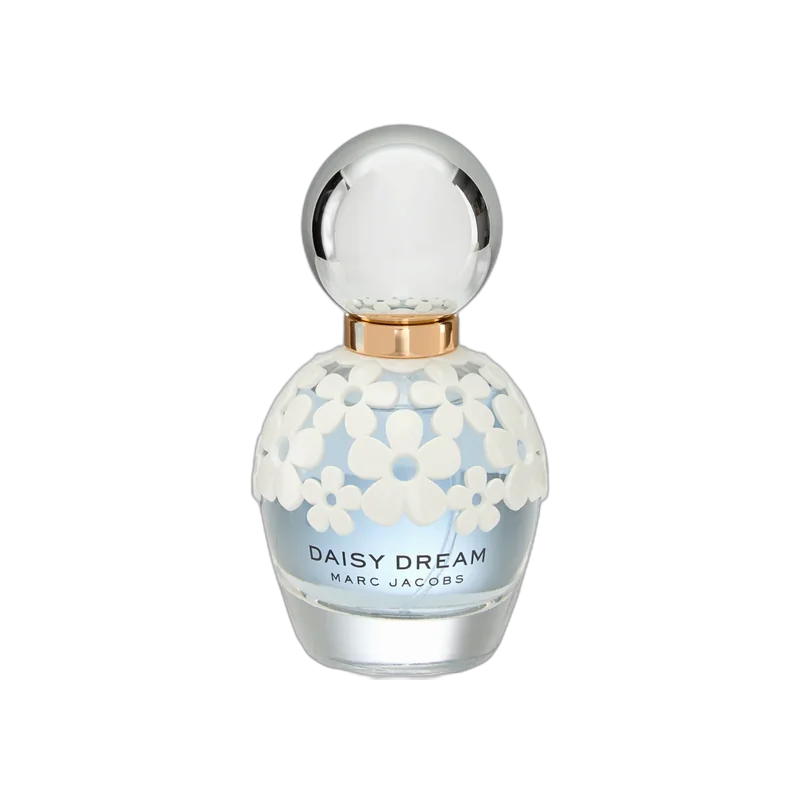
Daisy Dream Eau De Toilette
A lighter, airier counterpart to the original Daisy, Daisy Dream was composed by Alberto Morillas and Loc Dong at Givaudan for Marc Jacobs in 2014. It opens on a blackberry and grapefruit top that reads like a summer morning, then settles into a jasmine, blue wisteria and lychee heart that is loose and easy rather than constructed. The base is white woods and musks, minimal and clean, so the whole thing stays light rather than building toward any real depth. It is very much a casual daytime scent: not complex, not persistent, but exactly right for a morning application that you do not want to think about again until it fades. The EDT format keeps it fresher but also shorter, and longevity on skin is modest compared to the EDPs elsewhere on this list. The Juergen Teller campaign imagery and the daisy-covered pink cap established it as part of the same family as its sibling, though it reads much cooler and less rosy in practice. At the lighter, more affordable end of the designer tier and well-stocked in Australia, the live price here tends to make it one of the more accessible bottles on the list. For a low-stakes floral to reach for on warm days, it earns its place.
Daisy Dream sits apart from everything above because it is explicitly not trying to do what they do. Marc Jacobs's 2014 green-floral is a light, loose EDT built around jasmine, wisteria and a blackberry opening, underpinned by clean white woods. It does not project far, it does not last into the evening and it does not develop into anything complex. Those are features, not criticisms. It is the scent you reach for when you do not want to think about what you are wearing, when the weather is warm and the occasion is nothing in particular. Most of the florals above reward occasion-dressing; this one rewards forgetting you put it on. At the lighter price tier and in the EDT format, it is also the best introduction on this list for someone who is new to florals and unsure how much of it they want.
How to Choose Your Floral Type
The simplest cut is occasion and season. If you are after something for warmer months and everyday wearing, the white florals (particularly My Way) and the green-floral Daisy Dream are the ones that will not feel like too much. If you are shopping for evenings or cold weather, the rose-patchouli of Miss Dior, the density of Flowerbomb and the chypre backbone of Coco Mademoiselle all reward layering-up rather than pulling back.
The second cut is how much sweetness you want. Flowerbomb is the sweet end. J'adore and Bloom are in the middle: warm and rich but not sugary. Miss Dior 2012, Coco Mademoiselle and Rose Naturelle Intense are the driest, all earthy or patchouli-edged enough to avoid any gourmand reading.
Budget-wise, Daisy Dream and Rose Naturelle Intense sit at the accessible end. J'adore, Bloom, Miss Dior and Coco Mademoiselle are mid-tier designer and usually trackable well below RRP here. Delina La Rosée is the niche-tier spend, though the live price on Aurexum often makes it more competitive than the RRP suggests.
Sampling before committing to the pricier end is genuinely worth it with florals, because the rose family in particular reads differently on different skin temperatures. What smells jammy and sweet in a shop can turn dryer and more serious on a warm forearm an hour later. The inverse is also true.
Compare floral perfume prices across every retailer on Aurexum