
Fragrances That Smell Expensive
What "Smells Expensive" Actually Means
The phrase has been one of the decade's most searched fragrance queries, and it almost never gets a useful answer. Here is the short version: smells expensive means smooth. Smooth ambers and resins, polished sandalwood, clean radiant musks, dry iris done without going dusty or powdery. What it does not mean is loud, sharp, aquatic or synthetic-fruity. The shared texture of every fragrance on this list is a kind of unhurried richness — an accord that reads as though someone thought about the materials carefully and did not cut corners on the molecules that do the heavy lifting.
The chemistry behind it is not mysterious. Expensive-smelling fragrances tend to rely on high-quality musks and ambroxan for that radiant, skin-close diffusion; on benzoin and labdanum for smooth amber depth without the harshness of synthetic woody-ambers; and on high-grade sandalwood, real or synthetic-but-faithful, for the buttery, warm-skin texture that cheap compositions replace with something drier and more astringent. You can smell the difference almost immediately, which is why people with no technical knowledge can still identify the register accurately.
A single bottle defined the modern moment for the mainstream audience: Baccarat Rouge 540, Francis Kurkdjian's woody amber juggernaut, is the fragrance that turned smells expensive into a search term. It put the smooth, sweet-amber register in front of an enormous audience, and the wave of dupes that followed proved there was genuine demand. If you want the full comparison treatment, the Sauvage Elixir vs BR540 breakdown covers how those two very different bottles are often conflated. We are not pinning it in this list — you already know it exists and the point here is to show you what else lives in this register, at a range of prices.
The honest twist is that several bottles delivering the expensive-smelling effect cost mid-tier money, not prestige-niche money. The best of the designer value heroes have taught a generation of shoppers that expensive-smelling and expensive-priced are separate questions. Several picks on this list prove the same point.
The Quiet Luxuries
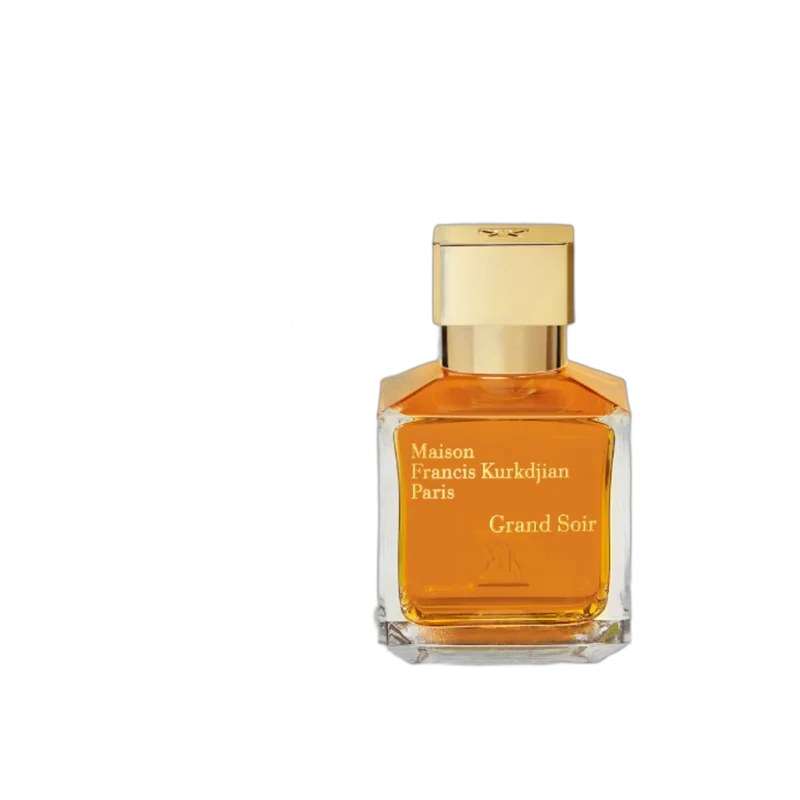
Grand Soir Eau De Parfum
Maison Francis Kurkdjian's 2016 golden amber, built by Kurkdjian himself as a warm counterpoint to his cooler, more clinical work. Grand Soir is an exercise in restraint: benzoin and labdanum form the spine, with tonka rounding out a soft, honeyed amber that never pulls sweet enough to become a gourmand. There is no fruit to clutter it, no patchouli darkening the base, just a clean and luminous amber that glows on skin. This is exactly what the phrase "smells expensive" was coined to describe — the accord has a polished smoothness that reads triple its price, the olfactory equivalent of cashmere rather than polyester. It wears unisex without effort, projects with measured confidence for the first few hours, then settles into a warm, close radiance that lasts most of a day. Kurkdjian has talked about his admiration for the great Shalimar-era ambers, and Grand Soir is his modernised take, same golden glow, none of the vintage powder. The price sits at the lower end of the MFK range, well below the famous bottle the house is known for, which makes it arguably the house's best-kept secret. For polished amber that reads immediately rich, this is the lead pick.
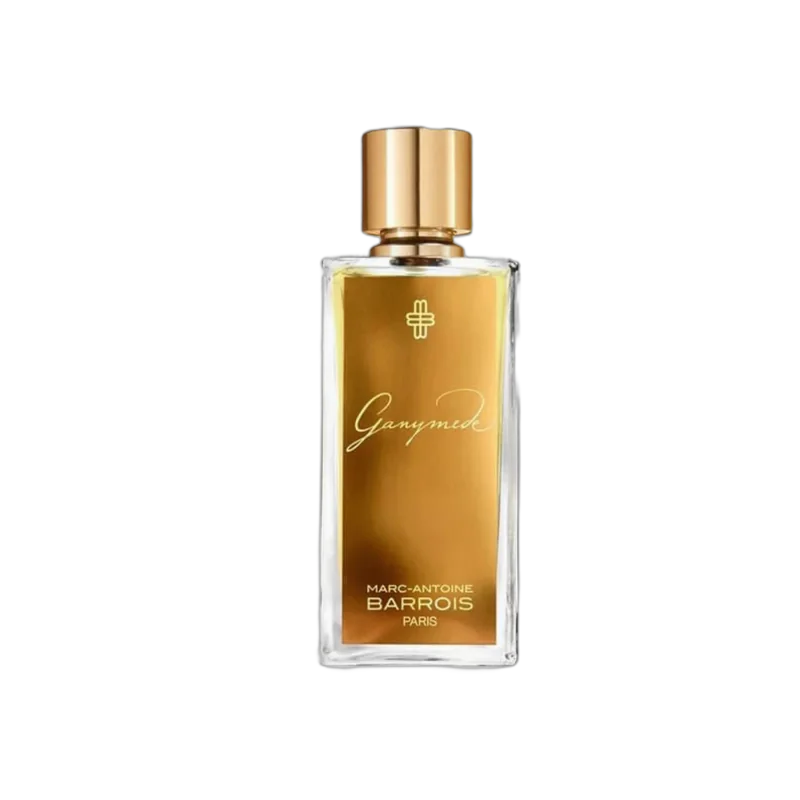
Ganymede Eau De Parfum
Marc-Antoine Barrois launched Ganymede in 2019 and it carved out a category of its own almost at once. The listed notes — suede, iris, musk — do not fully prepare you for what it actually smells like, which is closer to polished stone and cool mineral suede than anything floral or powdery. The iris here is the dry, carroty variety rather than the fluffy kind; it sits over a mineral base that gives the whole thing a clean, almost architectural quality. Ganymede is the fragrance people describe when they say quiet money rather than loud wealth. It does not project hard, but what it projects reads unmistakably considered. Longevity is solid, lasting six or seven hours on skin and longer on fabric. It skews masculine-leaning in marketing but wears genuinely unisex, and it has attracted a devoted following among people who find most approved masculine fragrances too generic. Barrois is a Paris-based couture designer, and Ganymede reads that way: structured, cool, a little austere. For something that defies the usual amber-and-wood formula while still landing squarely in the smells-expensive register, this is the one to seek out.
These two sit at the composed, considered end of the list, and they get there by opposite means.
Maison Francis Kurkdjian Grand Soir is the golden amber that earns the phrase most directly: a clean, luminous benzoin-and-tonka accord with no clutter and no gimmick. The genius is what Kurkdjian left out. No fruit, no patchouli, no synthetic woody-amber base note grinding in the background — just the warm glow of a well-built resin accord settling quietly into skin. It projects with measured confidence for the first few hours, then settles into that close, radiant hum that makes people ask what you are wearing before you have said anything. The price sits at the lower end of the MFK range, well below the bottle the house is known for, which makes it the best-kept secret in the catalogue.
Marc-Antoine Barrois Ganymede takes a different path to the same destination. Where Grand Soir is warm and golden, Ganymede is cool, mineral and faintly austere — suede and dry iris over something that reads closer to polished stone than to skin. It does not project hard, and it does not try to. The expensive-smelling quality here is in the texture of the suede accord and in the quiet confidence of an iris that refuses to be powdery or pretty. Composed by Quentin Bisch, it sits among the most interesting modern masculines in its price bracket, and it rewards people who find most approved fragrances in this tier too generic and interchangeable. Neither Grand Soir nor Ganymede is trying to impress anyone, which is partly why both do.
The Value Hero
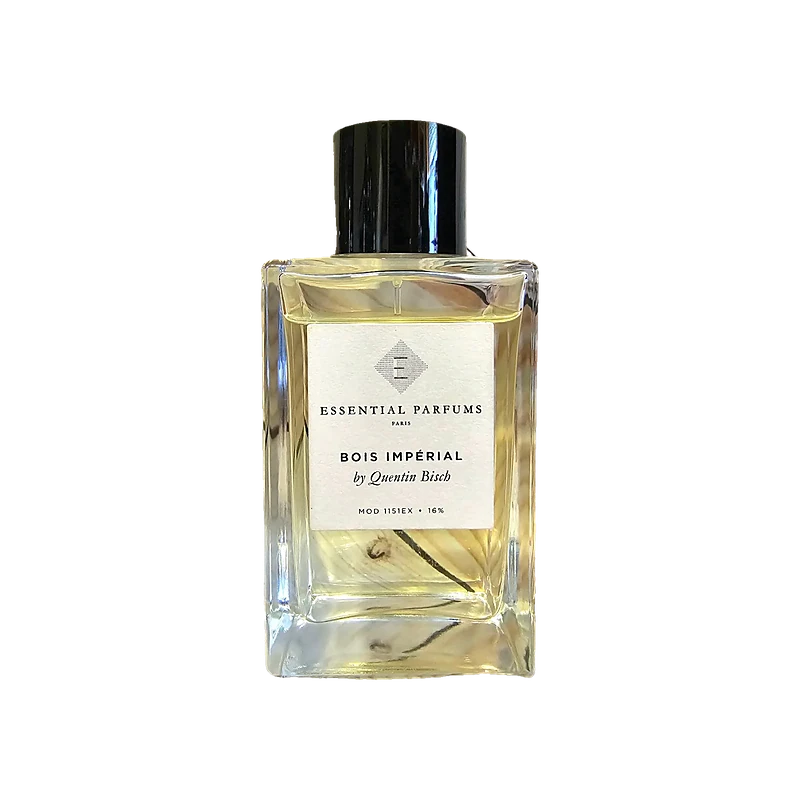
Bois Imperial Eau De Parfum
Essential Parfums launched Bois Impérial in 2020 and it became, almost immediately, the internet's consensus answer to the question of what smells expensive for not much money. The opening is a sharp green bergamot hit that clears fast, before the scent settles into the accord everyone remembers: a rich, smooth sandalwood wrapped in vetiver and a soft ambroxan haze. The sandalwood is the real story here, warm and almost buttery without veering into sunscreen, anchored by the vetiver's dry earthiness so it never goes sweet. It wears comfortably unisex, projects with real presence for several hours, and lasts well into a second day on fabric. At full retail it is modest for a French niche house; the retailers we track frequently have it below that. What makes Bois Impérial land in the smells-expensive conversation so reliably is a textural quality — the ambroxan gives it a radiant diffusion that cheaper molecules simply cannot replicate. The house keeps the line small and focused, and this one remains the standout. For anyone after a woody amber that reads polished and rich without the niche price tag you might fear, this is the obvious place to start.
Essential Parfums Bois Impérial has become the default recommendation whenever someone asks what smells expensive at a non-intimidating price, and it earns that status. The Bruno Fazzolari composition is built around a warm, smooth sandalwood brightened by vetiver and given that characteristic radiant diffusion by ambroxan, and it wears with a confidence that makes its price feel like a mistake the brand has not yet corrected.
What sets it apart from the broader field of sandalwood-and-amber fragrances is a textural precision. The sandalwood here is warm and buttery without reading as sunscreen; the vetiver adds just enough dry earthiness to stop it from going sweet; the ambroxan sits under it all and diffuses outward in that warm, radiant way that more expensive molecules do. Perfumer Fazzolari has spoken about the composition as an attempt to make something that reads as a premium material study rather than a lifestyle fragrance, and that restraint is visible in the result. The house keeps the Essential Parfums line focused and consistent, and Bois Impérial is the one that put them on the map. Well stocked at the retailers we track, usually well under full retail.
The Parfums de Marly Polish
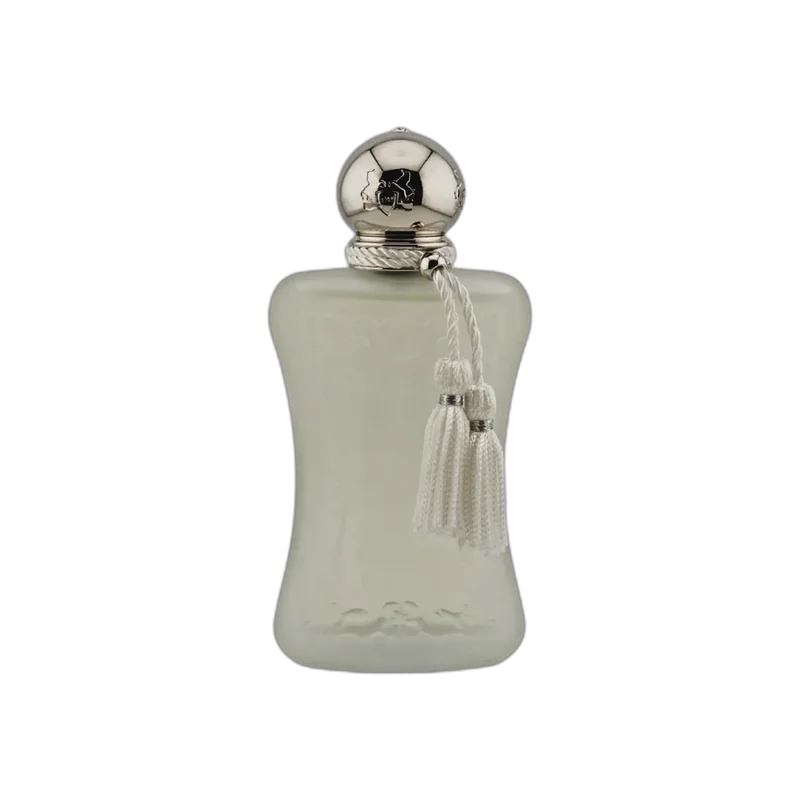
Valaya Eau De Parfum
Valaya arrived in 2023 as one of Parfums de Marly's cleaner, more contemporary releases, and it does something specific the house's richer bottles do not: it reads white and radiant rather than warm and gourmand. The opening is a bright, luminous musk with a touch of floral, settling into a heart of soft white petals and clean woods before a musky, skin-close base takes over. Where many Parfums de Marly fragrances lean rich and deep, Valaya sits in the register of expensive laundry and warm skin, the kind of scent that makes people in the same room quietly wonder what it is. That quiet radiance is the point. Performance is gentle rather than assertive, projecting in a soft halo close to the body and lasting comfortably through a day — this is a skin scent, not a room-filler. It sits in the house's feminine-leaning range but wears unisex easily, particularly in warmer weather. Well stocked here, with live prices noticeably below official retail if you check the retailers we track. For the clean, luminous end of the expensive-smelling spectrum, and for anyone who finds the heavier Marly bottles too much, Valaya is the answer.
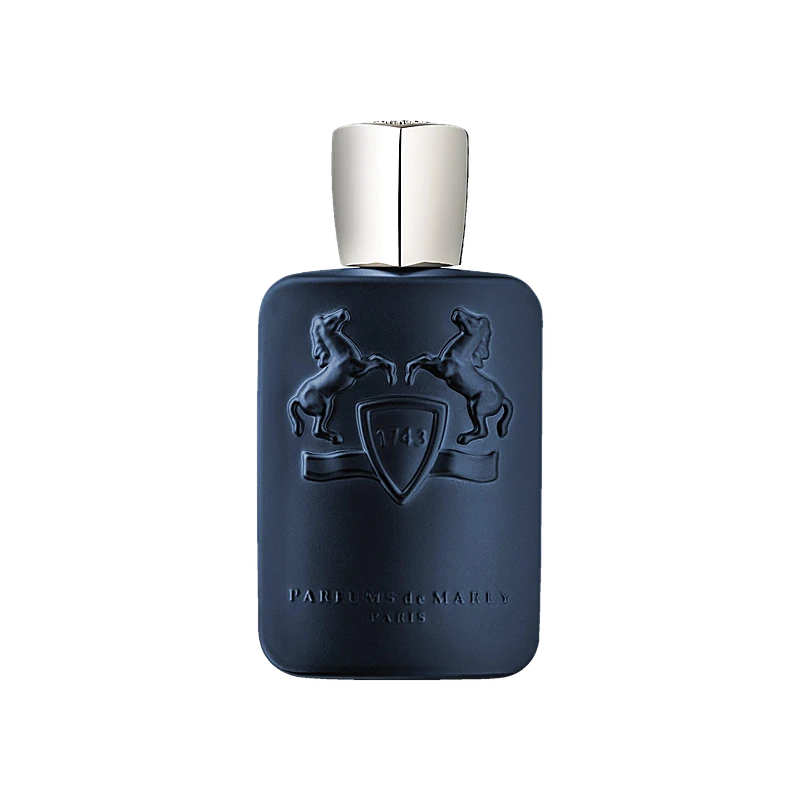
Layton
Parfums de Marly Layton from 2016 has spent the better part of a decade becoming the benchmark polished crowd-pleaser in its tier. Built by Hamid Merati-Kashani around a vanilla-apple heart over patchouli and sandalwood, it manages the considerable trick of smelling both approachable and genuinely expensive, never synthetic, never sharp, never a note out of place. The opening bergamot and apple settles quickly, and what emerges in the dry-down is a smooth, warm, slightly sweet woody-amber that reads impeccably groomed. Projection is full without being aggressive; longevity runs to a day and beyond on most skin types. Made for the house's masculine line but worn widely as a unisex, it sits in the Parfums de Marly stable as the reliable, diplomatically correct choice — the one you reach for when you want to make a strong impression without taking a risk. It now has a following large enough that it reads slightly ubiquitous to enthusiasts, though that ubiquity is hard-earned. It is heavily stocked, and the retailers we track regularly have it at prices worth checking before paying full retail. For polished, easy-wearing expensive-smelling that works from office to evening, Layton is the default.
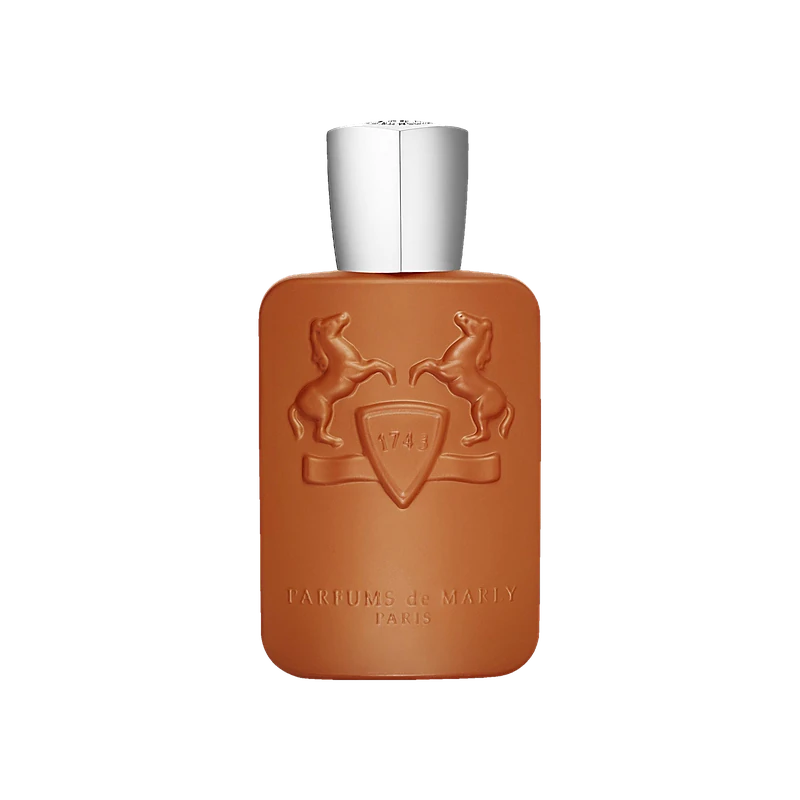
Althair
Parfums de Marly Althaïr arrived in 2023 as the house's push into creamy gourmand territory, and it delivers a different kind of expensive-smelling from the woody ambers above. The opening is soft bergamot, and within minutes the heart announces itself: a thick, warm accord of vanilla, tonka and praline wrapped in a milky almond that reads almost confectionery. Where some gourmands feel cheap despite the price, Althaïr sidesteps that trap with a textural smoothness that keeps it in the prestige register — the praline never edges into popcorn, the almond stays composed. It is sweet and unabashedly comfort-oriented, a cold-weather evening scent with no sharp edges and no ambition to be surprising. Performance is steady, projecting gently for a few hours then staying close to the skin for the rest of the day. It wears masculine-leaning but plenty of people across the spectrum claim it, drawn by the warmth rather than the gender framing. At the affordable-prestige price the house has made its own, it undercuts older niche gourmands that smell comparable. For expensive-smelling in the creamy, sweet register rather than the woody-mineral one, this is where the Marly range ends up.
Three bottles from one house is not an accident. Parfums de Marly has spent the last several years industrialising the expensive-smelling register, building a range that lives almost entirely in smooth, polished, richly textured territory. The house was founded in 2009 by Julien Sprecher and named for the Château de Marly, the hunting retreat of Louis XIV, which telegraphs the aesthetic clearly: prestige codes, heavy flacons, materials that read rich even on the nose alone. The range now runs to dozens of fragrances, but almost all of them share a house DNA of smoothness and polish that makes the individual compositions feel interchangeable to some and reassuringly consistent to others. It knows its lane and stays in it with real skill, which is why the name comes up constantly in smells-expensive conversations. Our full Parfums de Marly guide covers the breadth of the range.
These three represent three distinct registers within the house's repertoire. Valaya is the clean, white-radiant option: a luminous musk that reads more like warm skin than heavy amber, brighter and more contemporary than the house's warmer bottles, and the one to reach for in warmer weather or when you want the expensive-smelling quality without the weight. It is the least typical Marly in the group and probably the most versatile.
Layton is the diplomatic centre of the range, and for many people it is the first Marly they buy and the last one they need. A polished woody-amber built around a vanilla-apple heart over sandalwood and patchouli, it achieves something genuinely hard: smelling expensive, approachable and well-considered all at once, without any of the three qualities undermining the others. It has accumulated enough of a following that enthusiasts sometimes call it overdone, but that is the fate of every genuinely good crowd-pleaser. The performance is reliable and the price, via the retailers we track, is usually well under official retail.
Althaïr is the gourmand option, the warmest and sweetest of the three: a vanilla-praline-almond accord that reads more like confectionery than woody amber, and the pick for anyone who wants expensive-smelling in the cosy, comfort-food register rather than the dry-woods-and-musk one. The textural smoothness that keeps Marly's richer bottles from reading cheap is even more important here, where the difference between good and bad gourmand is entirely a question of how well-resolved the sweetness is.
How to Choose
The six bottles divide neatly by what you want the expensive-smelling quality to feel like. For warm, luminous amber with a MFK pedigree, Grand Soir is the lead. For cool, mineral and quietly austere, Ganymede is the one. For smooth sandalwood at an accessible price, Bois Impérial is the starting point. For the Parfums de Marly range specifically, the choice depends on mood and season: Valaya for clean radiance in warmer weather, Layton for the reliable all-rounder year-round, Althaïr for sweet warmth on cold evenings.
On price, the range here is wider than it might appear. Bois Impérial sits at the more accessible end of the group; the Marly bottles occupy the affordable-prestige bracket they have made their own; Ganymede and Grand Soir occupy the mid-prestige range, with live prices worth monitoring at the retailers we track. Sample anything in the upper half of the price range before committing to a full bottle — the smooth, skin-close quality that makes these fragrances work is easy to appreciate in store, but it is also personal, and what reads as polished and rich on one person's skin can read as flat or too sweet on another's.
Compare expensive-smelling fragrance prices across every retailer on Aurexum