
Best Fragrances Under $150 (New Zealand 2026)
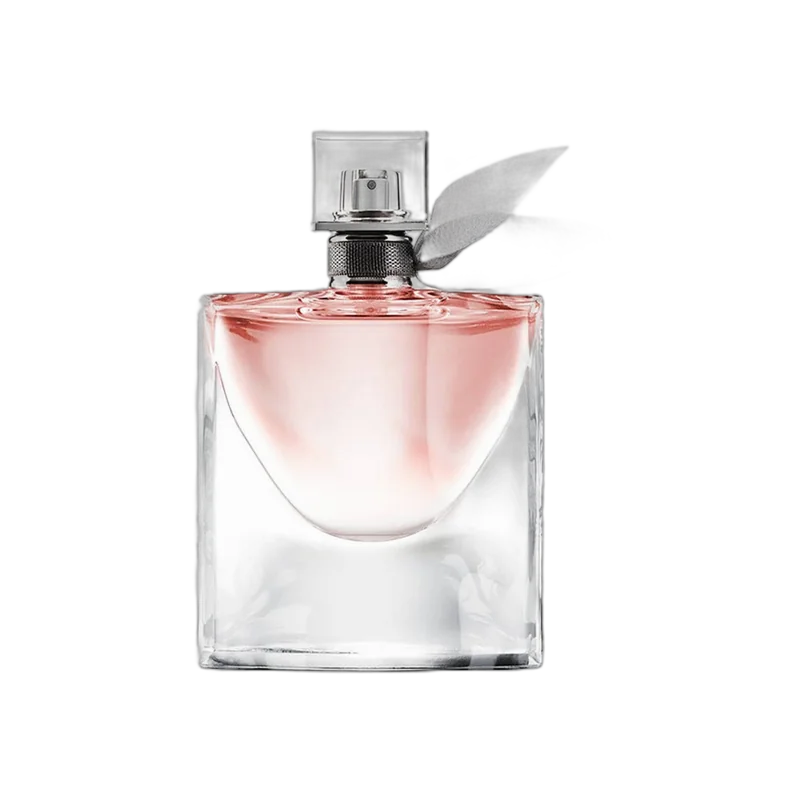
La Vie Est Belle Eau De Parfum Intense
Lancôme spent three years and a reported five thousand trials on the 2012 original, which Olivier Polge, Dominique Ropion and Anne Flipo built around a single happy gourmand iris. The brief was a feel-good idea pitched against the moody florals of the day, and it worked: it became one of the biggest-selling women's fragrances of the decade and the anchor of a sprawling range. The house, founded in 1935 and owned by L'Oréal since 1964, has flanked it relentlessly ever since. This Intense, reworked in 2015 by Ropion and Flipo at IFF, pushes the same idea further into pudding territory. Iris and tuberose sit over praline, hazelnut and a whipped-cream accord, with the patchouli that grounded the first version pulled right back, so it reads sweeter and creamier than the standard eau de parfum. It is a cold-weather, compliment-fishing scent rather than a quiet daily, throwing hard up close and still hanging on the next morning. The smile-shaped Baccarat-style flacon and Julia Roberts campaign made it Lancôme's modern pillar and a gift-counter fixture in New Zealand, and the formula is now cloned nearly as often as it sells. A local Perfumenz listing of the 50 ml sits under the cap, though only just, so it is worth catching on sale — and it is so broadly flattering that you can buy it sight unseen for almost anyone and be safe.
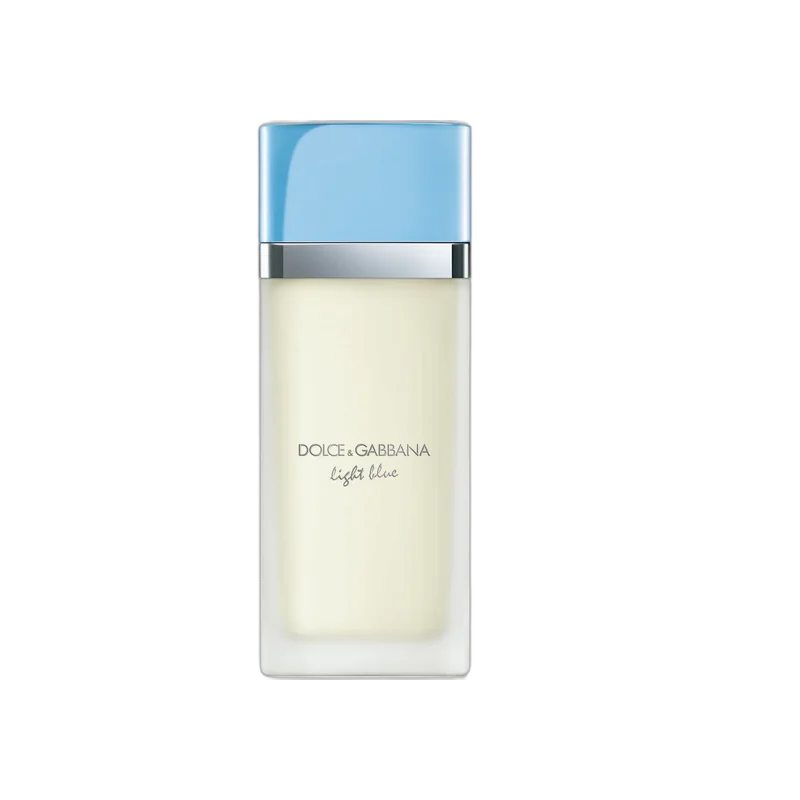
Light Blue Eau De Toilette
Dolce & Gabbana briefed Olivier Cresp to bottle a Sicilian summer in 2001, and the fresh fruity-floral he came back with set the template half the designer market has copied since. Cresp comes from a Grasse perfumery dynasty, and the bright lemon-peel opening is his signature move. Granny Smith apple and a heavy dose of Sicilian lemon snap over bamboo, white rose and jasmine before a soft cedar-and-musk base. It is not complicated and it is not trying to be, which is exactly why it has worked as a hot-weather daily for men and women for two decades. The honest catch is performance: this eau de toilette is fairly quiet and wants a top-up by mid-afternoon, which is part of why the Eau Intense and the various flankers exist. The long-running Capri-set campaigns turned the squat blue bottle into shorthand for an Italian holiday, and it remains a default warm-weather pick in New Zealand, where the summer suits it. It is also one of the most heavily duped designer scents going, cloned by everyone from supermarket brands to the Middle Eastern houses. None of those copies quite nail the brightness, which is the main argument for paying designer money here — Perfumenz lists the 50 ml comfortably under the cap.
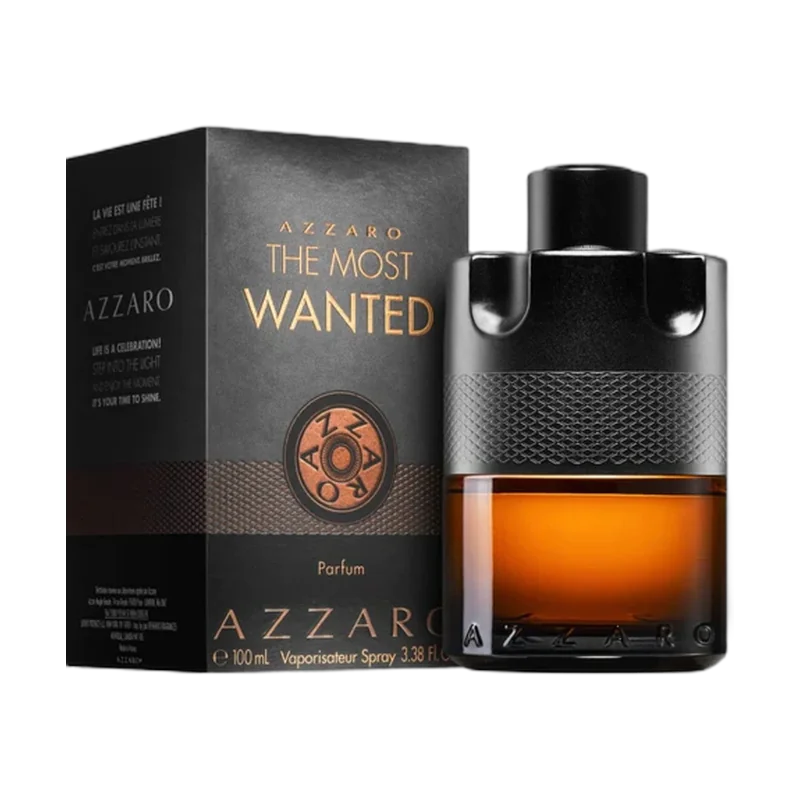
The Most Wanted Parfum
The Most Wanted Parfum, from 2022, is Azzaro chasing the loud sweet-amber lane and landing one of the better cheap beasts of the decade. Quentin Bisch of Givaudan built it around a thick caramel-toffee accord lifted by cardamom and bergamot, with amberwood and a clean musk filling out a base that turns warm and a little boozy on skin. It reads brash and gourmand, a night-out scent designed to be noticed, sweet but stopping short of pudding. The parfum concentration is what puts it here. It carries across a room for the first few hours and clings to a jacket well past a day, so a couple of sprays is plenty and the bottle lasts. The deep red flacon and the loud campaigns aim it squarely at younger men, and it rarely sits at full price — a local Perfumenz listing of the 50 ml lands well under the cap. Azzaro's fragrance business runs through L'Oréal, and this slots in beside the wider Wanted line as the heaviest of the bunch. It is not subtle and won't satisfy anyone hunting for something unusual, but as a long-wearing sweet projector under the cap it is hard to dislike and one of the easiest unsolicited-compliment scents on this list.
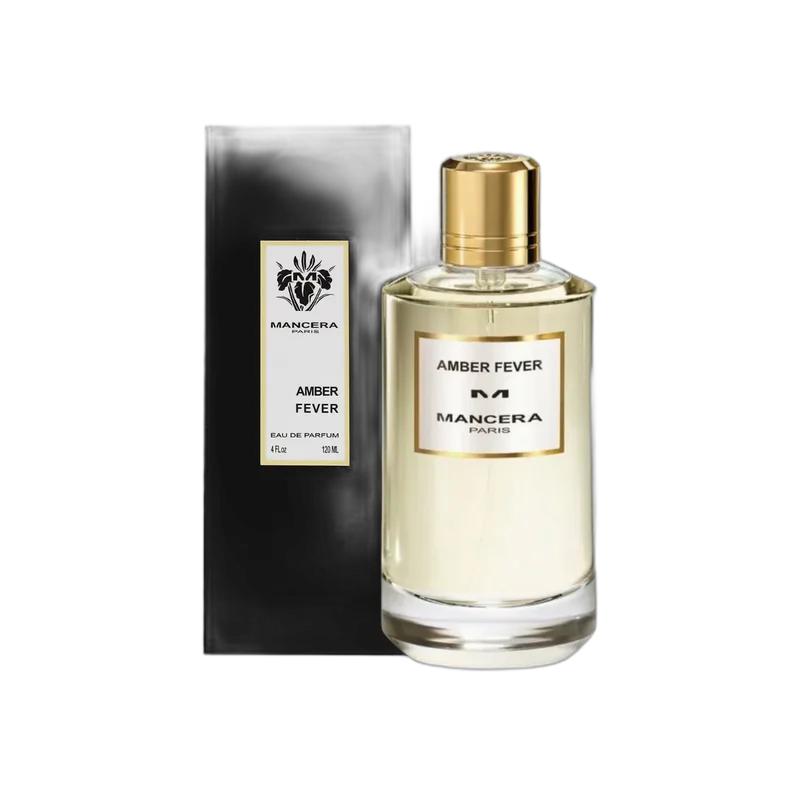
Amber Fever
Mancera Amber Fever, from 2019, is the Paris house with the volume pinned, a thick amber-vanilla built for people who want to be smelled from the next room. Mancera shares ownership and a perfumery hand with Montale, and the in-house style runs to loud, synthetic, long-wearing orientals on a fat ambroxan spine. This one piles labdanum amber, vanilla and tonka over a little saffron and rose, with a powdery, almost boozy warmth that turns gourmand on skin as it settles. It reads cold-weather and night-out far more than office, sweet in a syrupy rather than dessert way, and the longevity is the headline. Twelve hours on skin and a day on clothes is normal, with projection to match for the first few hours, so a single spray does plenty of work. Mancera sells itself as niche at a designer price, and for genuine all-night wear it backs up the claim better than most. The honest catch in New Zealand is the price: the cheapest 120 ml that ships here comes in from overseas and sits right on the cap, while the local Perfumenz listing runs over it, so this is one to watch for a discount. It sits near the Maison Francis Kurkdjian Grand Soir and Spiritueuse Double Vanille end of the amber spectrum without the niche outlay. Loud, warm and relentless, it is the heavy hitter of this list for anyone who measures a fragrance by how long it refuses to leave.
La Nuit Tresor L Eau De Parfum
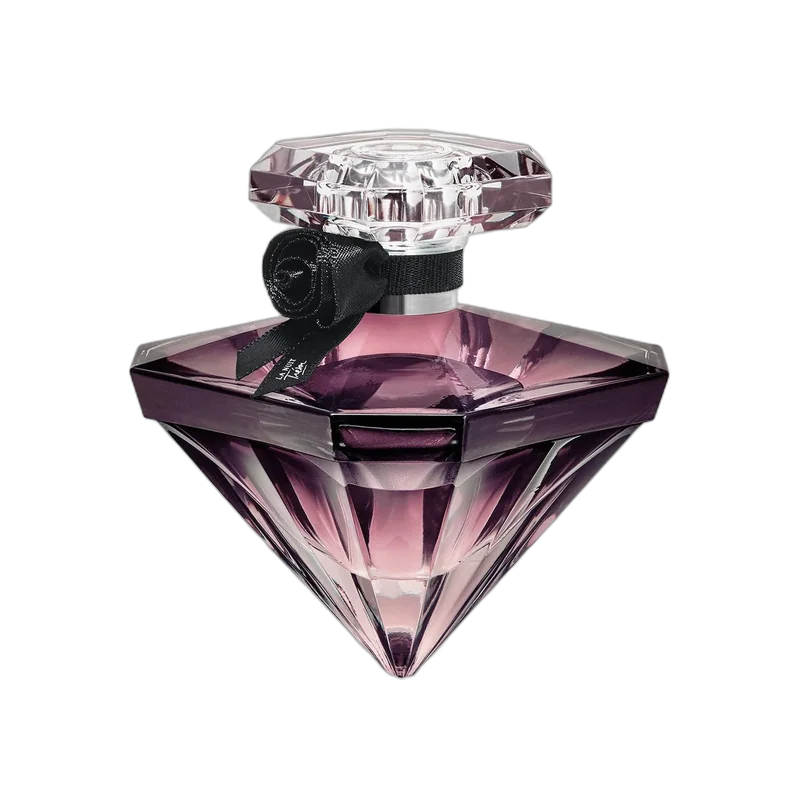
La Nuit Trésor L'EDP, from 2015, is Lancôme pushing its night-time Trésor flanker into full gourmand territory, a rich praline-rose women's scent built for cold weather and projection. Amandine Marie composed it for the house around a thick caramelised praline accord lifted by rose and a little orange blossom, with vanilla, tonka and a touch of incense darkening the base. It reads sweet and warm without collapsing into cupcake, the rose keeping it grown-up where pure gourmands turn juvenile. Performance is the reason it sits on a long-wear list. It throws hard for the first few hours and stays legible on skin past a day, with clear sillage that announces the wearer before they arrive. The faceted rose-shaped flacon and the night-set campaigns tie it to the wider Trésor line, which Lancôme has flanked steadily since the 1990 original. L'Oréal owns the house and makes the juice, and this version sits in the affordable designer tier — a local Perfumenz listing of the 50 ml sits right at the cap, so it pays to catch it on sale. It is an evening and going-out scent rather than a quiet daily, well regarded among people who want a sweet rose with real staying power, and a sensible pick for anyone after a women's gourmand that lasts the night.
Invictus Eau De Toilette
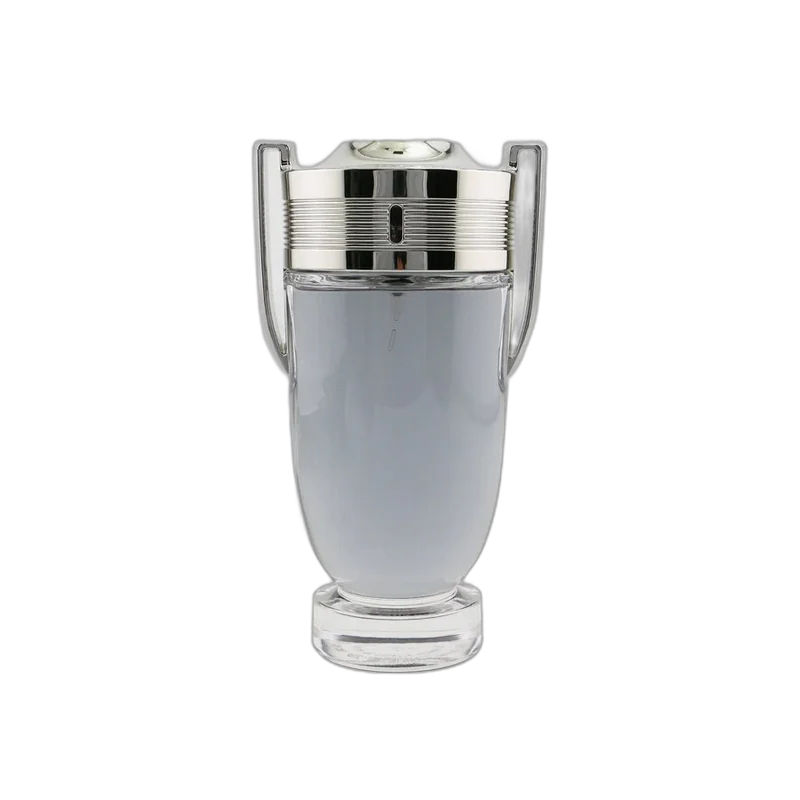
Paco Rabanne's sporty aquatic, released in 2013, with rugby-league player Nick Youngquest fronting the launch and a silver, trophy-shaped bottle to match. An IFF team led by Véronique Nyberg, with Anne Flipo, Olivier Polge and Dominique Ropion, built a clean grapefruit-and-marine top over a salty ambergris accord, guaiac wood, patchouli and oakmoss. The result is a gym-and-summer scent that draws far more nods than complaints, easy and inoffensive, with good longevity for an aquatic. Invictus is Latin for unconquered, and the whole campaign leans on a winning-team idea. It is one of the most-worn young men's scents in New Zealand, which is either a recommendation or a warning depending on your taste, and the ubiquity has made it a favourite punching bag on the fragrance forums even as it keeps selling. Produced by Puig, it sells in huge numbers and carries its own wall of flankers, Aqua, Victory and the rest. Not clever, and not for anyone chasing something distinctive, but very effective at what it sets out to do, and it discounts so often it is rarely worth paying list — Perfumenz lists the 50 ml comfortably under the cap. As a first sporty fragrance it is hard to argue with the price.
Flowerbomb Eau De Parfum
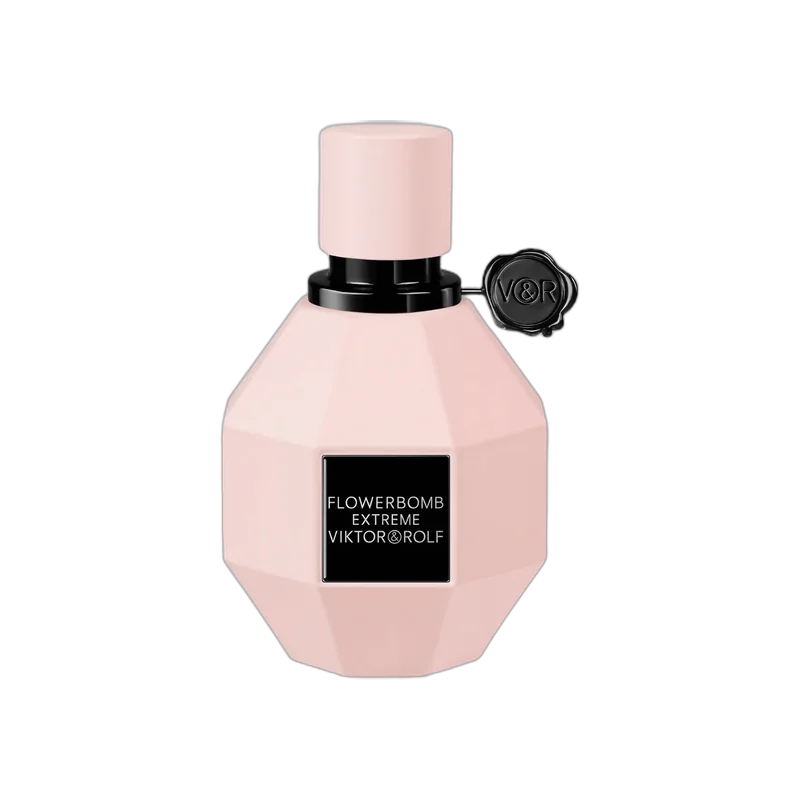
Viktor & Rolf's first fragrance, from 2005, and still the one the Dutch design duo are best known for. The brief was an explosion of a thousand flowers, delivered in a faceted pink grenade by art director Fabien Baron, a deliberately pretty object built on a slightly aggressive idea. A team led by Olivier Polge, with Carlos Benaïm and Domitille Bertier, packed it with sambac jasmine, rose, freesia and osmanthus over a sweet patchouli, musk and vanilla drydown, landing it in sweet amber-floral territory. It is rich and carrying, a cold-weather going-out scent rather than a daily, with sillage that fills a room and a good ten hours on skin, so a light hand pays off. Made by L'Oréal Luxe, it launched the whole bomb franchise that followed, Spicebomb and the rest, and took a FiFi award in 2006. Two decades on it is a reliable gift-counter bestseller and, predictably, one of the more cloned women's florals around, with budget houses chasing that jasmine-and-patchouli sweetness for a fraction of the price. It has softened a little through reformulation, but the core idea is intact, and a local Perfumenz listing of the 50 ml sits under the cap. It remains the benchmark every sweet floral bomb since has been measured against.
Boss Bottled Night Eau De Toilette
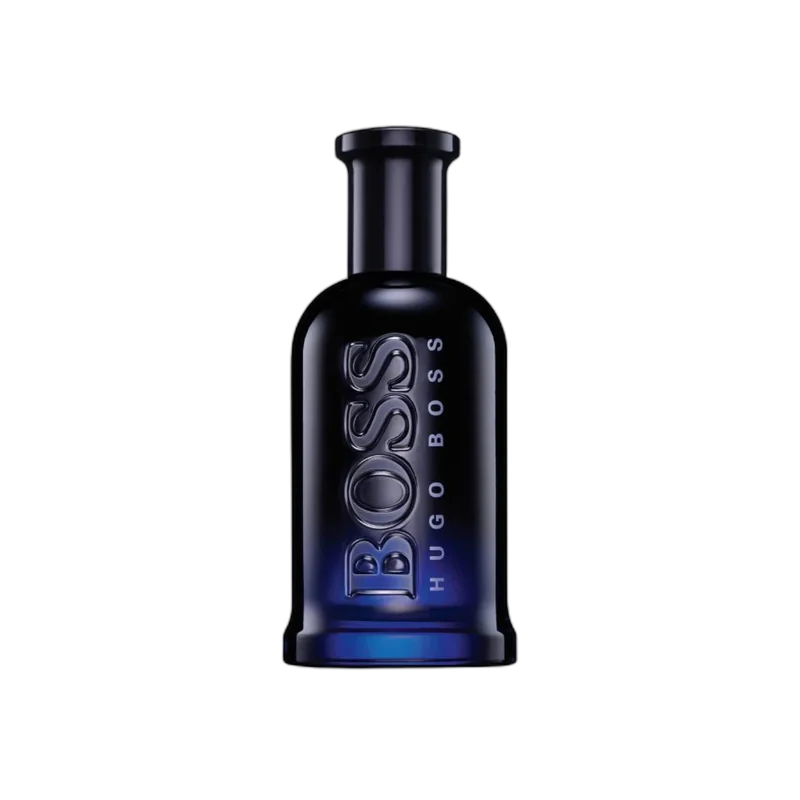
The night-time flanker of Boss Bottled, Hugo Boss's 1998 office staple, released in 2010 as a darker, woodier evening version. The German house has never officially credited a perfumer for it, despite plenty of retailer and AI-written copy confidently naming one, so treat any attribution you see with caution. What is on record is the scent: a cool aromatic opening of lavender and birch leaf over an African violet heart and a dry woods-and-musk base, smoother and less fruity than the original Bottled. It is the definition of safe and versatile, an office-to-bar workhorse that asks little of the wearer and offends no one, with moderate projection and a soft, close drydown within a few hours. Ryan Reynolds fronted the 2010 launch, his first turn as a Boss face, years before the brand made him a fixture. Made under licence at the time by Procter & Gamble, before Coty took the Boss fragrance business, it sits in the affordable designer tier and turns up on sale constantly, which is much of its appeal — Perfumenz lists the 100 ml well under the cap. Nobody will call it exciting, but as a cheap, reliable evening default it earns its place. Just do not expect it to turn any heads.
Perfect
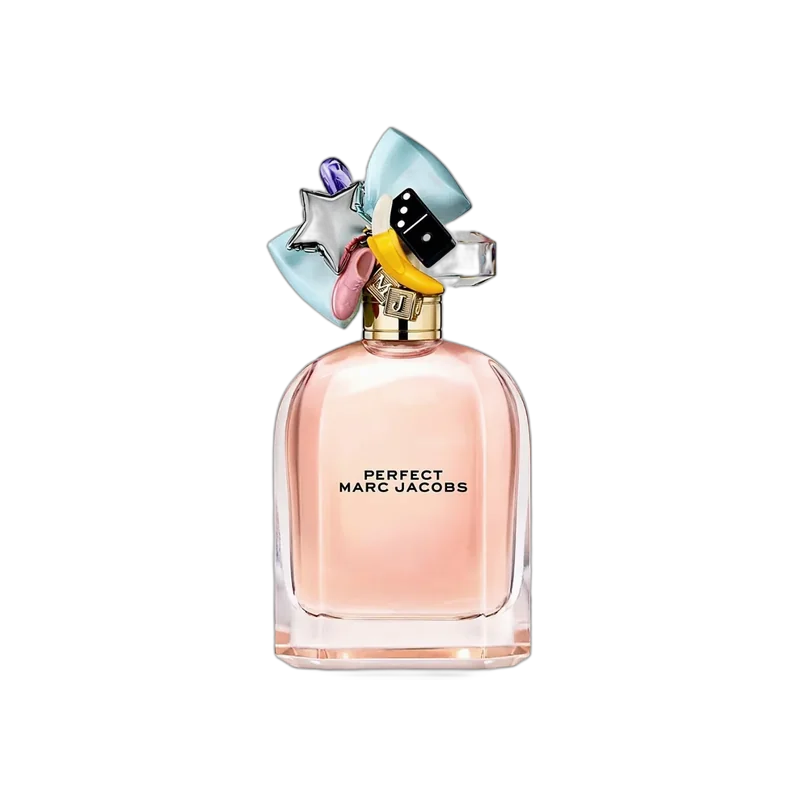
Marc Jacobs's 2020 ode to self-acceptance, named for the word tattooed on the designer's wrist, composed by IFF's Domitille Bertier. A deliberately spare formula of five notes: tart rhubarb and daffodil over creamy almond milk, drying down on cedarwood and cosy cashmeran. It wears soft and close, more a comfortable skin scent than a statement, with modest projection that suits its everyday, all-ages pitch rather than a night out. The blush-pink bottle topped with mismatched charms, and the inclusive Juergen Teller campaign cast partly through an open social-media call and fronted by Lila Moss, made it the house's big pillar launch and a spiritual successor to the Daisy franchise that built the brand's fragrance business. Coty holds the licence, and it has since spawned the usual flankers, Perfect Intense and Elixir among them, sitting in the accessible designer tier where Marc Jacobs does its steadiest trade — a local Perfumenz listing of the 50 ml lands under the cap. There is nothing showy about it, by design, but the rhubarb-and-almond-milk combination cuts through cleanly where most rivals reach for vanilla. That, plus the low price and the soft, easy drydown, makes it an easy first try for anyone who finds most modern women's scents too heavy.
Kouros Eau De Toilette
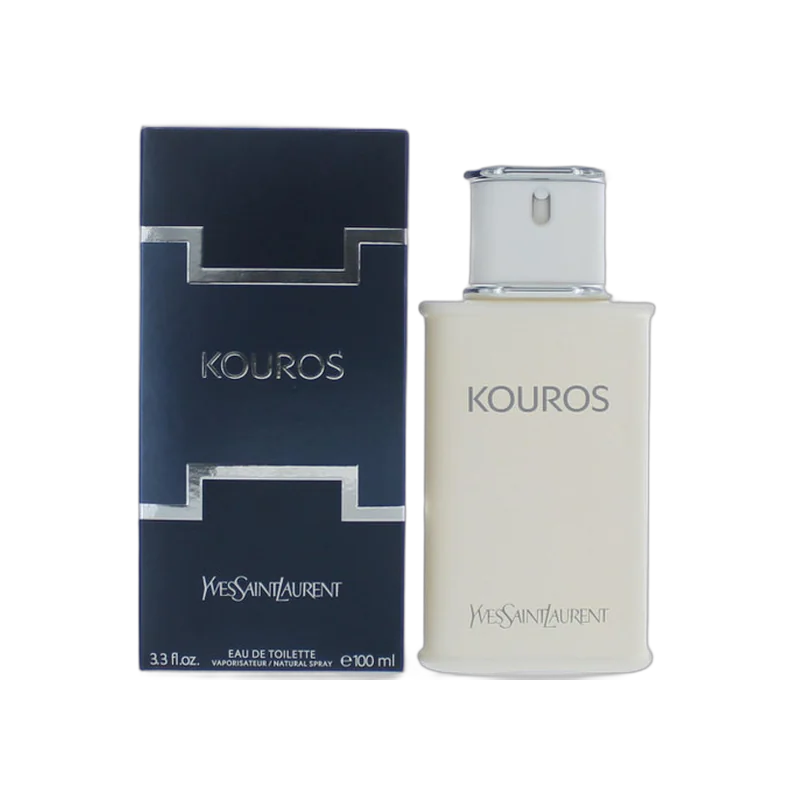
Kouros, Pierre Bourdon's 1981 monster for Yves Saint Laurent, is the closest thing the masculine world has to a stress test, a soapy-animalic aromatic that loud modern designers cannot touch for sheer carry. Bourdon stacked aldehydes, bergamot and clary sage over a honeyed civet and musk heart, with a clean shaving-soap quality fighting a frankly animal drydown, all sat on oakmoss and leather. It smells like a freshly showered man and something far less polite at the same time, which is the whole point and the reason it splits a room. Performance is enormous in the old-school sense, projecting for hours and clinging to fabric for days, so two sprays is plenty and three is a mistake. It reads cold-weather and evening, mature and unapologetic, a hard sell for anyone raised on sweet fresh designers. L'Oréal makes it now under the YSL licence, and it has been reformulated and tamed from the brutal vintage batches, though even the current juice carries hard. Loud, divisive and decades old, it earns a spot on a long-wear list on raw tenacity alone, and it stays affordable in New Zealand — a local Perfumenz listing of the 100 ml sits under the cap — so it is easy to buy unsniffed for anyone curious about where the genre started.
Le Male Elixir
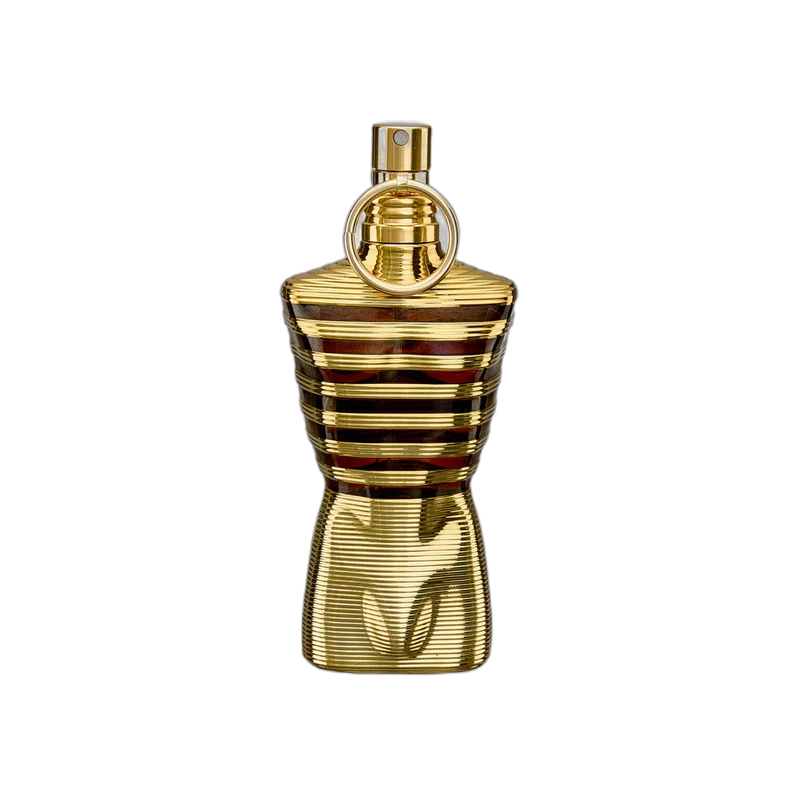
Le Male Elixir, from 2023, is Jean Paul Gaultier turning the dial on its 1995 fougère pillar all the way up, a parfum-strength gourmand that swaps freshness for sheer density. Quentin Bisch of Givaudan built it around vanilla and tonka thickened with honey and a smoky tobacco accord, with the lavender of the original Le Male buried deep underneath rather than leading. The result is warm, sweet and a little dirty, more a cosy second-skin amber than the minty barbershop blast the name suggests. As a parfum it trades projection for tenacity, sitting close after the first hour but lasting well past a day on skin and longer on a jumper, which is exactly the brief for a long-wear pick. It belongs to winter nights, a touch mature for its sweetness, and it suits the wearer who finds the standard Le Male too sharp up top. Produced by Puig, which owns the Gaultier fragrance business, it slots into the affordable end of the range elsewhere, but in New Zealand it is the one pin on this list that sits just over the cap: every full bottle that ships here — including the local Perfumenz listing — currently lands above $150, so it is a watch-for-a-discount pick rather than a buy-today one. Among the sweet masculine flankers crowding the counter, the honey-tobacco angle gives this one enough weight to stand apart and the staying power to earn its place here.
Bad Boy Eau De Toilette
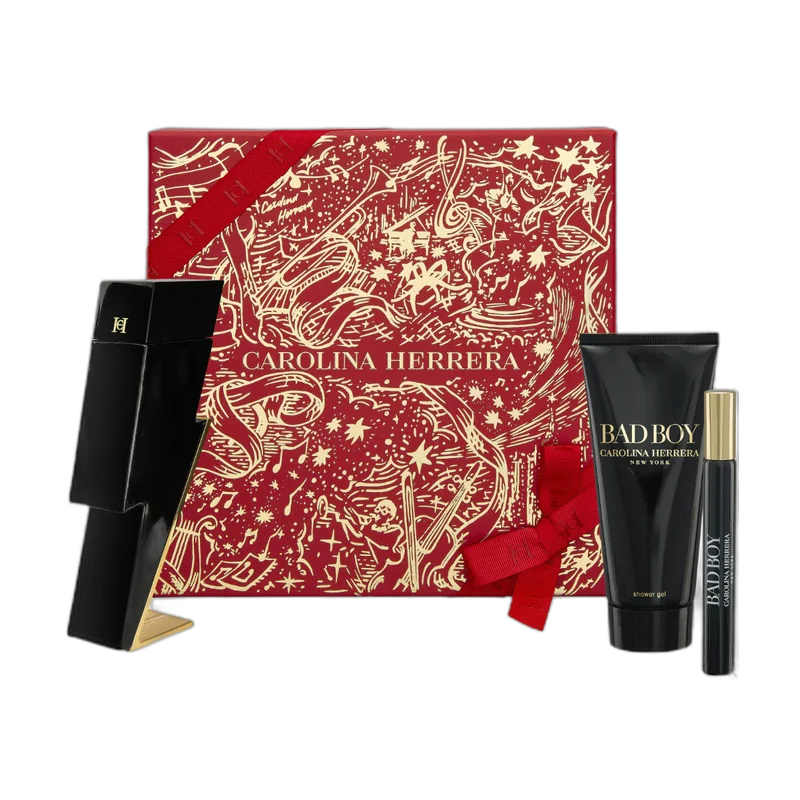
The masculine answer to Carolina Herrera's hit Good Girl, Bad Boy arrived in 2019 in a lightning-bolt bottle that deliberately mirrors its sibling's stiletto. Louise Turner and Quentin Bisch of Givaudan built it as a sweet-spicy woody, opening on bergamot and a double hit of black and white pepper before cacao, sage and cedar lead into a base of tonka, amber and vetiver. That cocoa-and-tonka heart is the signature, warm and faintly gourmand while staying on the savoury side of sweet, which is what separates it from the wall of sugary designers it sits beside. It wears well from an office afternoon into the evening, with solid projection and a comfortable seven or eight hours on skin. Made by the Spanish group Puig, which owns the Herrera fragrance business, it slotted straight into the affordable designer bracket and has stayed a steady seller since — a local Perfumenz listing of the 50 ml sits under the cap. The striking bottle did a lot of the marketing on its own, all chrome and jagged glass, and it photographs better than most of its rivals. It is not reinventing anything, but the spicy-cocoa angle gives it just enough character to stand out, and you will rarely catch it at full price.
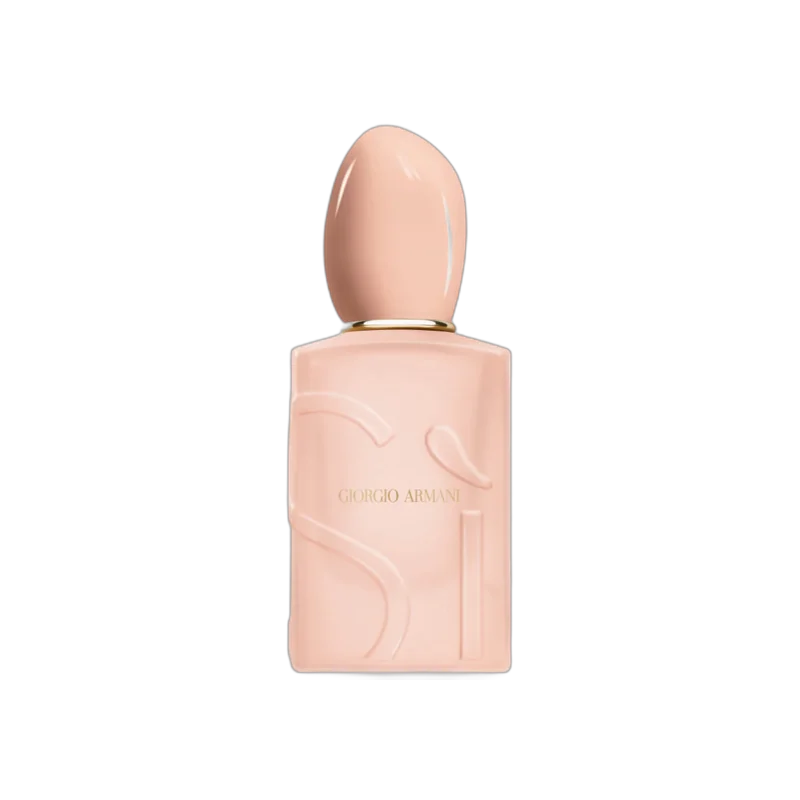
Si Eau De Parfum
Armani pitched Sì in 2013 as a modern chypre for women who wanted to say yes on their own terms, and Christine Nagel, later the in-house nose at Hermès, built it with Julie Massé. The chypre part is loose: instead of the old oakmoss bitterness, it runs a thick blackcurrant nectar and bergamot over rose and freesia, drying down on patchouli, vanilla and a smooth ambroxan-and-woods base. The result is fruity and rounded rather than sharp, a polished everyday scent that leans dressy without much effort. Cate Blanchett has fronted it from the start, and the campaign's quiet confidence matched the juice well enough to make it one of L'Oréal's biggest sellers under the Armani licence. It carries a long line of flankers now, the Passione and Intense versions among them, each nudging the formula sweeter or deeper. Performance is strong, with the kind of projection and wear that justify the price, and the blackcurrant note makes it easy to recognise on someone across a table. A local Perfumenz listing of the 50 ml sits near the cap, so it is worth catching on sale. It is a safe, easy-to-wear pick rather than a daring one, which is precisely why it has held a place on the gift counter for over a decade.
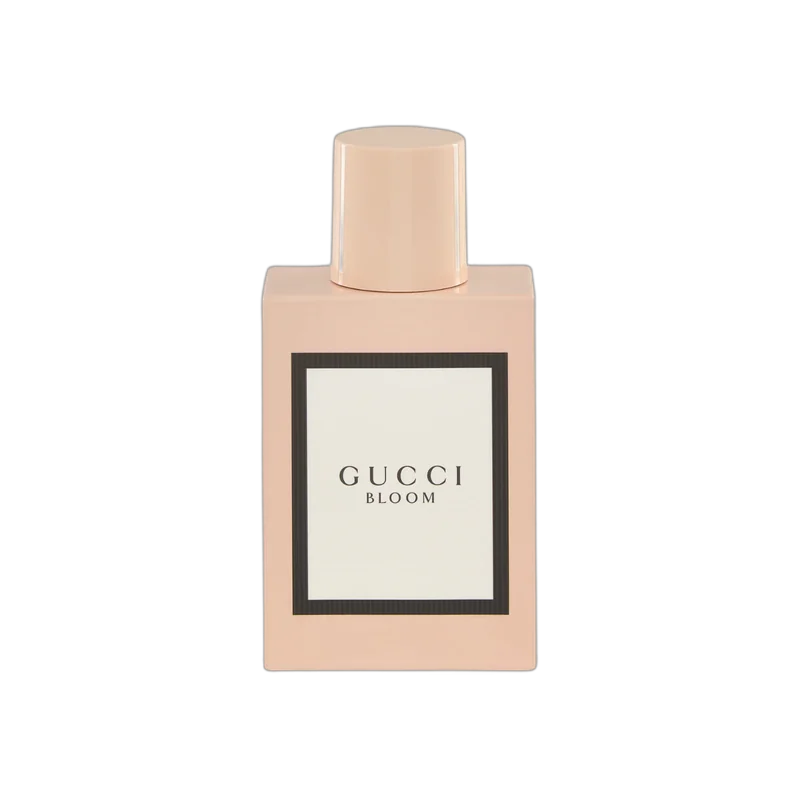
Bloom Eau De Parfum
When Alessandro Michele took over Gucci, he wanted a fragrance to match the maximalist, vintage-flea-market world he was building, and Bloom, from 2017, was it. Alberto Morillas composed it as an unapologetic white floral, almost a soliflore, stacking tuberose and jasmine sambac against the green, slightly honeyed Rangoon creeper and a powdery orris root. There is barely a top note to speak of, which is the point: it opens straight into the heady flowers and stays there, rich and a little old-fashioned in the best way. The flowered-print bottle and pastel campaigns leaned hard into a feminine, nostalgic mood that set it apart from the fruity sweets dominating the counter at the time. Made by Coty, it became Gucci's headline women's pillar and now anchors a small range, the Nettare and Profumo di Fiori flankers chasing the same tuberose idea at different intensities. It is a cool-weather, dressed-up scent more than a daily, with the projection and longevity a proper white floral should have, so a restrained hand pays off — and a local Perfumenz listing of the 50 ml sits under the cap. Tuberose divides people, and this makes no apology for it, which is why those who love it tend to wear little else.
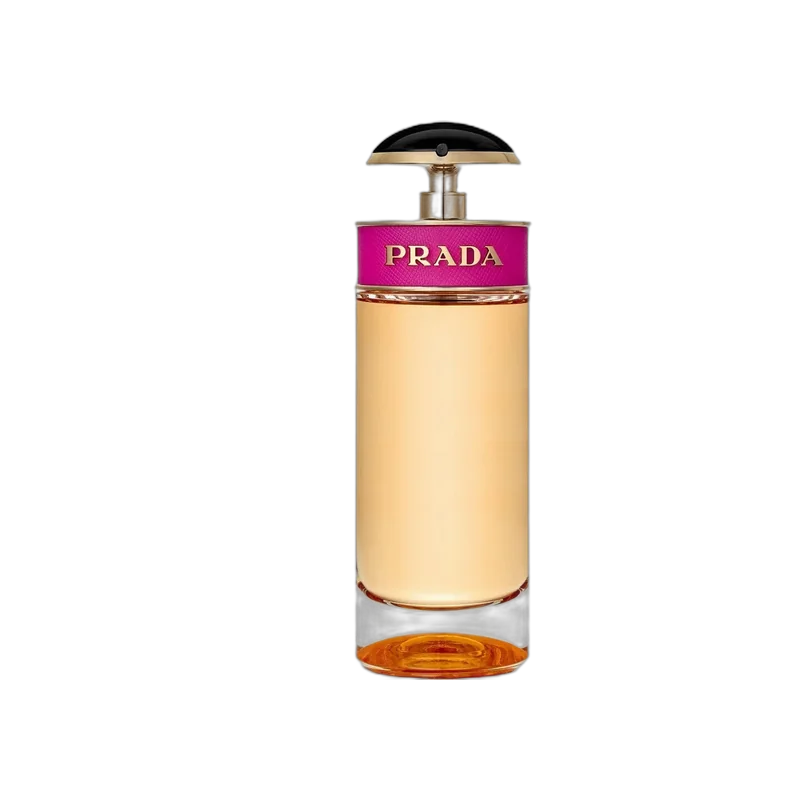
Candy Eau De Parfum
Prada Candy is about as single-minded as a gourmand gets, and that focus is why it has lasted since 2011. Daniela Andrier of Givaudan built it for the house around one idea, a glossy caramel softened with benzoin, white musk and a dusting of powder, with almost nothing else in the way. It reads like warm toffee on skin, sweet but oddly grown-up, never the sticky cupcake that so many gourmands collapse into. The gold bottle and the Léa Seydoux campaigns, several of them short films, gave it a playful, slightly retro character that matched the scent's frank simplicity. A Puig-made licence, it sits in the accessible end of the Prada range and has spawned a run of flankers, the Florale, Kiss and Sugar Pop versions among them, none of which displaced the original. Performance is reliable rather than enormous, projecting softly and fading to a skin scent by mid-afternoon, which suits its everyday, cosy pitch. For anyone who finds the coffee-and-vanilla gourmands too heavy, the clean caramel here is a gentler way in, and it is affordable enough to try on a whim — the cheapest 50 ml that ships to New Zealand comes in from overseas under the cap, with Perfumenz stocking it locally a little higher.
How These Prices Work
The From price is the cheapest live listing we can see across retailers that ship to New Zealand; the average is what those retailers charge on average — both at each fragrance's most-stocked size, so we're never comparing a 50 ml against a 100 ml. Change your country or currency at the top of the page and every number re-prices to match.