
Best Spicy Fragrances
Warm Spice, Fresh Spice — They Are Not the Same Thing
Spice as a category in fragrance is less a family than a spectrum. Warm spices — cinnamon, clove, nutmeg — generate their own heat on skin. They radiate outward, they thicken the dry-down, and they tend to read as heavier, darker, and more obviously cold-weather. Fresh spices do the opposite: ginger, cardamom, black pepper all lift a composition, making it feel airborne and more seasonally flexible. Confuse the two and you end up reaching for the wrong bottle at the wrong time of year.
That distinction matters practically because a cinnamon-forward fragrance in February feels appropriate and full; the same scent in summer can feel oppressive by mid-morning. Fresh spices are far more forgiving. Cardamom in particular has a quality — clean, slightly medicinal, faintly citrus-adjacent — that makes it useful to perfumers building year-round scents. Ginger behaves similarly, adding brightness without adding warmth. Pepper, depending on the variety and the extraction method, can read anywhere from almost aquatic to dusty and animalic. Understanding which type of spice is doing the work in a bottle is a better guide to what you will actually use it for than any marketing copy about seasons or occasions.
This list is a materials map, not an occasion guide. There are six fragrances here, pulled from our price data, chosen because each one foregrounds a different approach to spice. If you want the occasion angle — what to wear to a winter event, what reads as festive — the winter colognes post covers that ground. What follows is about how each spice material actually behaves on skin, and what that means for what you get out of wearing it.
The six span designer and niche, 1965 to 2017, and cover the three main modes the genre operates in: fresh-spicy daily, heritage warm spice, and dry and dark. Most are well stocked among the retailers we track, so live prices tend to sit well under full retail.
Fresh Spice, Every Day
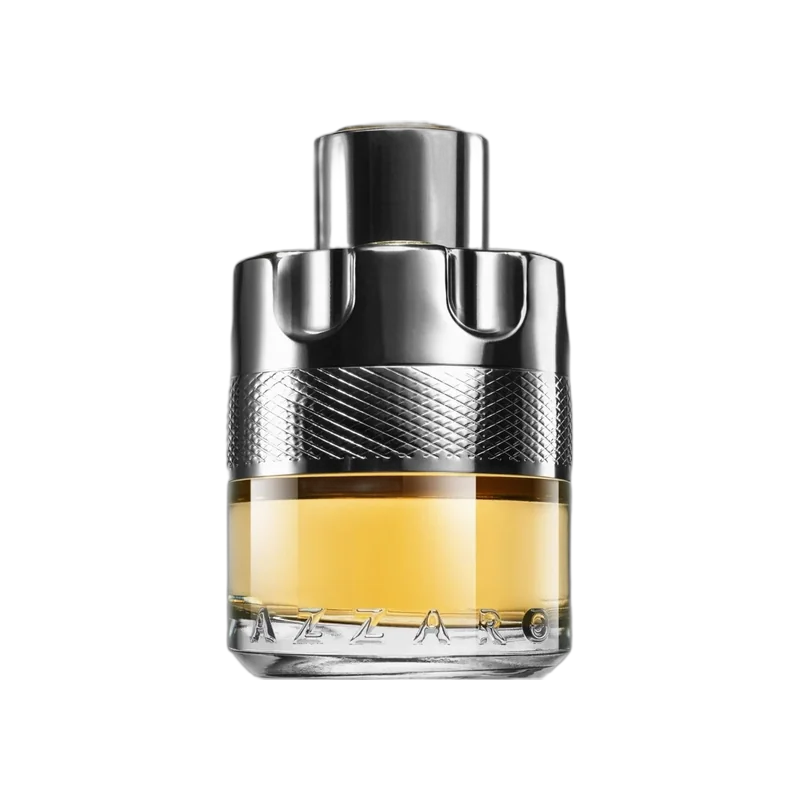
Wanted Eau De Toilette
Azzaro's 2016 fresh-spicy and the house's most commercially astute release in decades, built around a ginger and cardamom opening that feels bright and a little caffeinated rather than rich or heavy. The structure is simple by design: the spice sits over a woody-amber base of vetiver, Atlas cedarwood and clean musks, which keeps it from reading as a warm-weather outlier and gives it genuine year-round range. It was composed for the brand by a team keeping the brief firmly in crowd-pleaser territory, and it succeeds, projecting at a moderate-to-strong level for a good five or six hours before settling into a soft woody haze that lasts the rest of the day. The flacon is a stark angular gold bottle with a cap modelled on a bullet, which telegraphs exactly the market it is after. Wanted sits in the fresh-spicy fougère family alongside Sauvage and the Bleu de Chanel bracket, a genre that dominates department-store masculine shelves for good reason. It is well stocked here, which means the live price undercuts the counter more often than not. If you want a spice-forward scent that you can reach for daily without overthinking, Wanted is the most accessible starting point on this list.
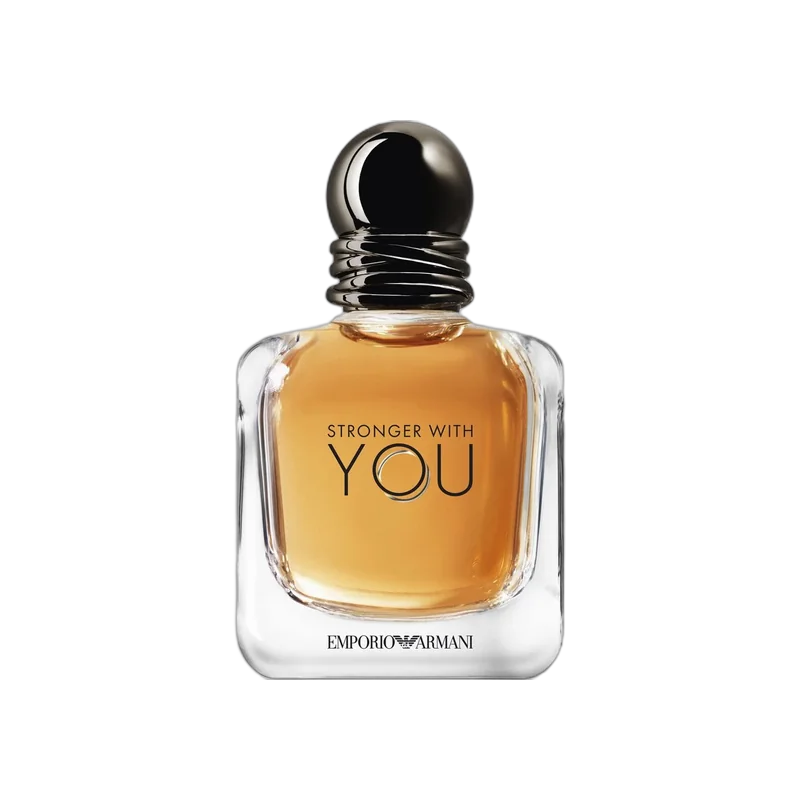
Emporio Armani Stronger With You
Giorgio Armani's 2017 sweet-spicy designer and one of the best-selling masculines the house has produced in the last decade. Stronger With You opens with cinnamon, cardamom and violet leaf, a warm, slightly sweet combination that reads immediately accessible, then settles into the calling card: a roasted chestnut accord over warm amber and vanilla. The base is clean and modern, cashmere wood and musk rather than anything dark or animalic, which keeps the whole thing from ever feeling heavy. It was composed for the brand's Emporio line rather than the main label, which positioned it as a younger and more casual proposition than Code or Acqua di Giò. That brief comes through in the wear — approachable, date-friendly, evening-leaning, with enough sweetness to sit in the gourmand-adjacent zone without committing fully to it. Performance is solid at moderate projection for five or six hours. There are now several versions in the Stronger With You family, including an Intensely and a Freeze, but the original is the one that defined the accord. It is heavily stocked here and a competitive price is rarely far away. For a chestnut-cardamom spice that wears sweet and modern rather than dark or demanding, this is the designer staple.
These two are the easiest to wear and the most versatile on the list. Both lean on the fresh-spice register — ginger, cardamom, chestnut — rather than the richer warm end, which is why neither one feels like it is working against you in warmer weather.
Azzaro Wanted is the broader of the pair. The ginger-and-cardamom opening is genuinely bright rather than sweet, and the woody amber base it sits on is clean enough to stay inoffensive across almost any occasion. It fits comfortably into the fresh-spicy fougère genre alongside the Sauvage bracket, which gives you a reliable read on how it will perform. It is a crowd-pleaser built to be one, which is not a criticism — the genre produces some of the best daily-wear scents in the designer market.
Emporio Armani Stronger With You takes the same fresh-spicy brief and makes it sweeter. The cardamom is there but the chestnut accord is the hook, turning the composition warm and slightly gourmand in the base. That sweetness gives it a stronger evening lean than the Azzaro, but the cashmere-musk finish keeps it from feeling heavy. It wears as a date-night scent without being inaccessible by day.
Guerlain's Two Eras of Spice
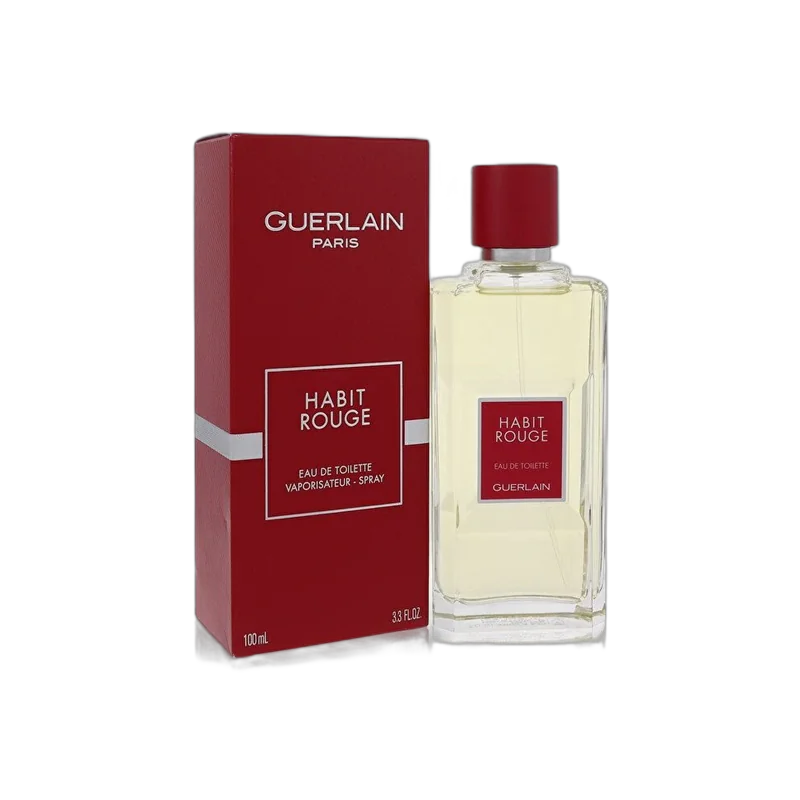
Habit Rouge Eau De Toilette
Guerlain's 1965 pillar and one of the oldest continuously-produced spiced masculines in the canon, formulated in-house at a time when the house's Guerlinade — the signature powdery vanilla-tonka-iris base — was still taking shape. Habit Rouge opens with a sharp, almost candied citrus burst of bergamot and orange over a heart of rose, cinnamon and leather, then dries down to the warm, spiced Guerlinade signature that runs through so many of the house's classics. The spice here is warm and bittersweet rather than peppery or fresh: cinnamon is the key material, wound tightly into the powdery base so the two are almost inseparable by the dry-down. It belongs to the oriental-fougère family, one of the first masculines to get that classification, and the DNA was influential enough to shape a generation of designer spiced scents that came after it. Performance depends on batch and concentration, but the EDT typically projects well for a few hours before settling close. It wears formal and a little retro, more at home in a jacket than a gym kit, and is worth seeking out if you want to understand where the spiced-citrus oriental tradition actually started rather than sampling its descendants.
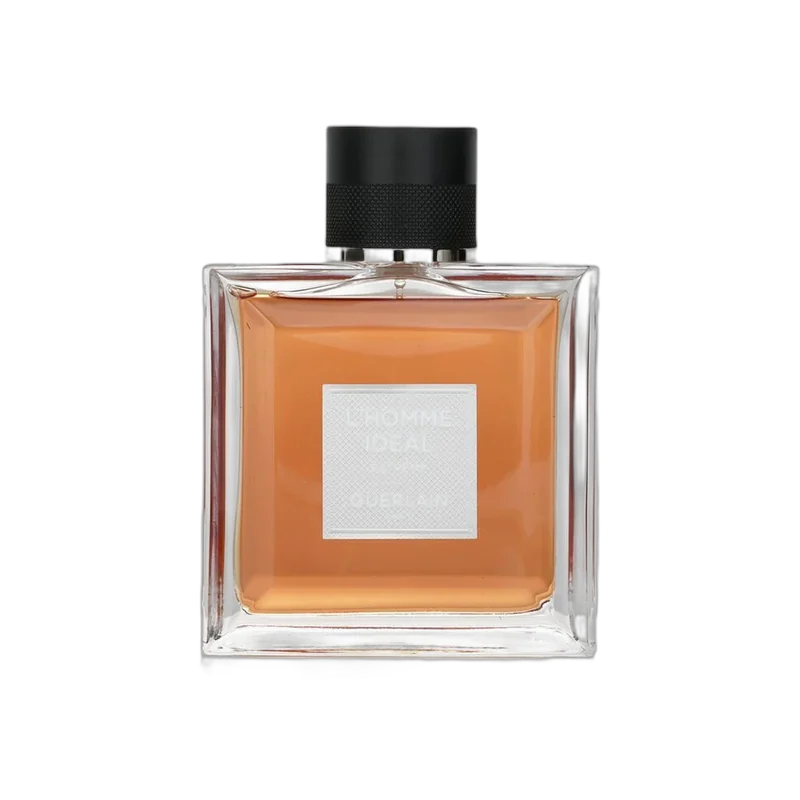
Lhomme Ideal Eau De Parfum
Guerlain's 2016 pillar-range EDP, the house's attempt to close the gap between its heritage warm-spice DNA and the kind of sweet, smooth almond-and-wood accord that was selling well in the mid-2010s designer market. L'Homme Idéal EDP opens with bergamot and a clean, slightly synthetic cherry note before landing on its real signature: a rounded almond-and-tonka heart dusted with cinnamon. The base is cedarwood and a quiet musk that gives it a clean, office-safe finish rather than anything dark or heavy. It sits in the warm-oriental woody family and wears very comfortably, which is both its strength and its limitation. Where Habit Rouge is complex, nostalgic and occasionally demanding, L'Homme Idéal is smooth and immediate, designed to win over people who find the older scent too powdery or too fussy. The cinnamon spice is present but never assertive, sitting in the background of the almond accord rather than pushing through it. The two Guerlains here effectively map the house's two eras — the Habit Rouge for the enthusiast who wants to trace a lineage, L'Homme Idéal for the shopper who wants the house's warmth without the homework. It is well stocked and usually available well under full retail, making it a practical entry point to Guerlain's spiced register.
Two fragrances from the same Paris house, separated by fifty-one years, and genuinely useful to compare because they show how dramatically the spice brief changed between the mid-twentieth century and now.
Habit Rouge, from 1965, is the heritage reference. Spice at Guerlain in the sixties meant bittersweet cinnamon wound into the powdery Guerlinade base — that signature tonka and vanilla accord that runs through the house's classics. It opens with sharp, candied citrus before the cinnamon arrives, and the dry-down is warm, powdery and slightly retro in a way that is unmistakable. The spice is decorative in the modern sense but structurally important: remove it and you have a different house, a different identity. It belongs to the oriental-fougère family and is widely cited as one of the first masculines to earn that classification. You wear it because you want lineage, because you want to understand where a century of spiced masculines started.
L'Homme Idéal EDP is the 2016 answer to what that DNA looks like cleaned up for the current market. The cinnamon is still there but the almond-and-tonka accord takes more of the weight, and the whole thing is smoother, rounder and easier to reach for without thinking too hard about it. It wears comfortably for an office or a casual evening out. Neither scent is a simple winner over the other; they are doing different things for different buyers. A devotee of the house might wear both — Habit Rouge when the formality fits, L'Homme Idéal when it does not.
Dry, Dark and Demanding
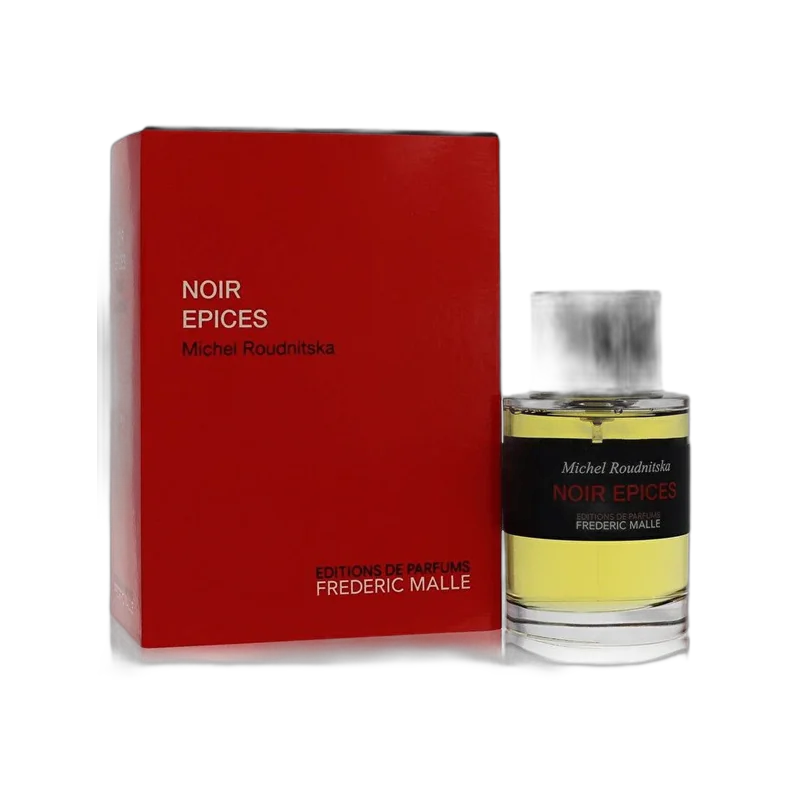
Noir Epices
Frédéric Malle's 2000 spice study, composed by Michel Roudnitska. Noir Épices is one of the most deliberately spare spice soliflores in niche perfumery: black pepper, cinnamon bark, clove and nutmeg arranged in a dry, almost architectural stack over a quiet, dark base of sandalwood and incense. There is nothing gourmand about it, no sweetness to soften the edges, and no obvious crowd-pleasing hook. The spices are treated as raw materials rather than accents, which means the opening can read uncomfortably sharp on skin that is not used to dry spice at this concentration. It rewards patience, settling in the first thirty minutes into something far less abrasive — a deep, woody, genuinely complex spice that few other mainstream releases attempt. Performance is moderate rather than loud, appropriate for a scent at this level of abstraction. It sits firmly in the connoisseur bracket, priced and positioned at the top of Malle's line and stocked by a smaller group of retailers than the designers below. For anyone who finds the spice in most fragrances decorative rather than structural, Noir Épices is the version that takes the material seriously.
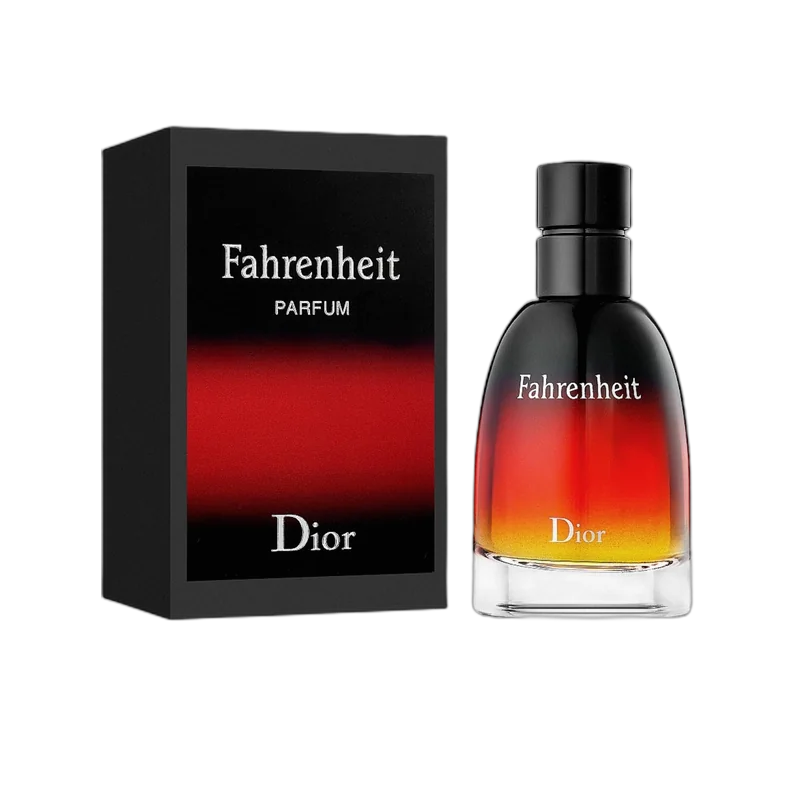
Fahrenheit Parfum
Dior's 2014 Parfum concentration of the Fahrenheit line, and meaningfully different from the 1988 EDT that made the name. The original was Jean-Louis Sieuzac's radical petrol-and-violet creation, a leather-spice construction that was divisive and quite unlike anything else on the market. The Parfum reworks the DNA at higher concentration, pressing clove, cinnamon and a dry woody warmth to the front while pushing the petrol and violet facets further into the background. The effect is darker and richer than the EDT, less challenging to modern tastes, but with enough of the original's unusual character to reward the comparison. It sits in the oriental woody family, dries to a warm, slightly incense-edged cedar base, and projects at a closer level than the EDT's famously assertive sillage. The bottle retains the art deco architecture of the Fahrenheit range. This is not a reformulation in the derogatory sense — the house is revisiting the concept with a different brief, and the result is a more approachable but still uncommon spice fragrance. For anyone who found the classic too confronting or too airy, the Parfum is the version to try.
These two are for people who find spice in most fragrances ornamental. Both use spice as the primary structural element rather than a seasoning, and both reward a slower approach to wearing.
Frédéric Malle Noir Épices, composed by Michel Roudnitska in 2000, is the more abstract of the pair. It is a dry spice study that makes no concession to sweetness, stacking black pepper, clove, cinnamon bark and nutmeg over a sandalwood and incense base without softening any of the edges. The opening is deliberately sharp — on some skin it can read harsh in the first fifteen minutes — but the dry-down earns the wait. Few other fragrances, designer or niche, treat spice with this kind of structural seriousness. It sits at the top of the Malle line on price and is stocked by fewer retailers than the others here, but well worth comparing prices through the data we have. It is also worth mentioning alongside the tobacco fragrances crowd, since the dark, dry quality overlaps considerably.
Dior Fahrenheit Parfum, from 2014, is the more accessible of the two but still unusual. It revisits the 1988 EDT's petrol-and-violet DNA at higher concentration with the spice register pressed forward and the more challenging facets pulled back. The result is darker and richer than the classic, with clove and cinnamon driving the heart and an incense-edged cedar at the base. It is not a reformulation in the sense enthusiasts use the word negatively — it is the house reconsidering the concept with a different goal. For anyone put off by the original's assertive sillage or its unusual petrol note, the Parfum is the more wearable entry point.
How to Choose
Match the spice type to your usual wearing context before anything else. If you want a scent you can reach for without thinking — work, weekends, travel — start with the fresh-spicy pair. Wanted is the more neutral of the two; Stronger With You is sweeter and better suited to evenings. If the heritage register appeals and you are happy to put some effort into wearing a more demanding scent, the two Guerlains show the same house across two very different decades. Habit Rouge rewards patience; L'Homme Idéal rewards simplicity.
The dry-and-dark pair are for the enthusiast who has already moved past the designer tier and wants spice treated as a serious material. Sample Noir Épices before committing — it is a polarising opening on cold skin and genuinely not for everyone. Fahrenheit Parfum is the safer gateway into dark spice, and comparing the two against the 1988 EDT is one of the more instructive exercises in how concentration changes a fragrance.
On value, the fresh-spicy designers are the most competitive — both are heavily stocked and live prices fluctuate regularly. The Guerlains sit in the mid-prestige bracket. Noir Épices is the most expensive and the hardest to find, but checking live data here regularly will surface the best available price from the retailers we track.
Compare spicy fragrance prices across every retailer on Aurexum