
Creed Aventus vs Parfums de Marly Pegasus — Which to Buy
The Short Version
These are the two niche masculines shoppers cross-shop most at the prestige counter, and the decision looks like a price call but is really a scent call. Creed Aventus is the smoky pineapple chypre, bright and fruity up top over a grey, birch-tar and oakmoss base, and it carries a real price premium plus the batch-variation lore every enthusiast warns you about. Parfums de Marly Pegasus is the creamy almond heliotrope, warm and rounded, consistent bottle to bottle, and it sits a clear tier below on cost. They overlap on status and on the fruity-woody-masculine idea, but almost nowhere on the actual smell. If you want the reference boardroom scent and accept the premium, buy Aventus. If you want soft, sweet and reliable for less, buy Pegasus. Neither is a substitute for the other, whatever the marketing overlap suggests.
The reason these two keep landing in the same shopping cart is worth naming up front, because it is mostly circumstantial. Both are house pillars from respected niche-adjacent brands, both are marketed at the ambitious professional man, and both sit in the same crowded corner of every wishlist and every YouTube best-of list. That shared context makes them feel like rivals. Smell them side by side, though, and the resemblance evaporates inside thirty seconds. The rest of this comparison is really an argument that the money question and the scent question have different answers, and that sorting out which one matters to you is the whole job.
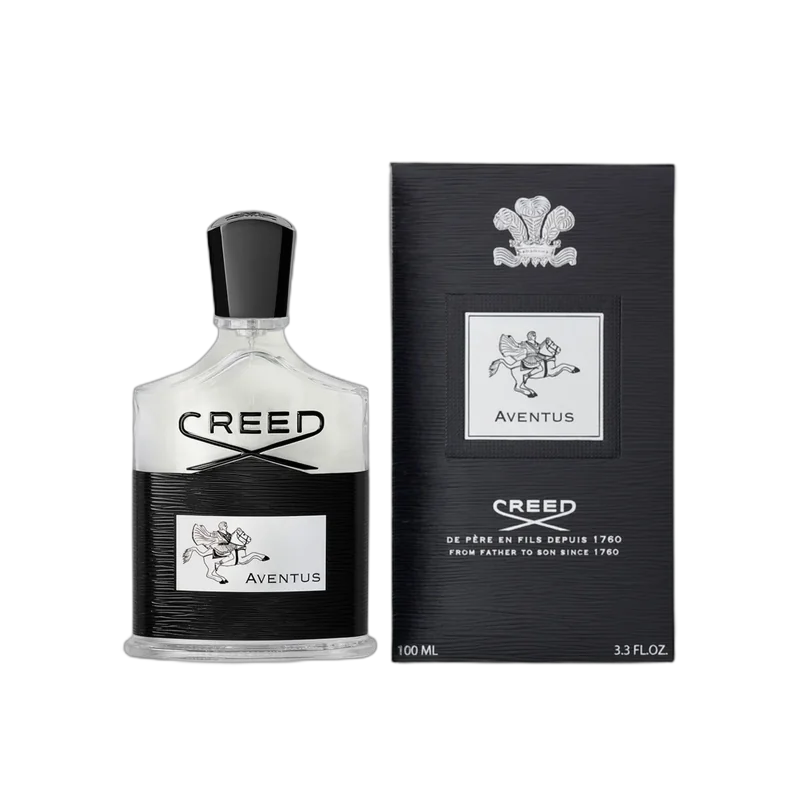
Aventus
Creed's 2010 fruity-chypre and the fragrance that reset what a masculine could smell like for a decade. Aventus opens on that famous tart-pineapple and blackcurrant accord, cut with bergamot and apple, before drying into a smoky birch-tar and oakmoss heart over musk, vanilla and dry ambergris. The trick is the contrast, bright and juicy up top against a grey, smouldering base, which is why it reads as both fresh and serious at once. Named for Napoleon and pitched as the house's bestseller, it became the default boardroom and wedding scent of the 2010s and the single most cloned men's release of the era. The catch every enthusiast knows is batch variation, since the naturals-heavy formula shifts noticeably from lot to lot, so two bottles can smell related rather than identical. Performance is strong without being deafening, projecting well for hours then settling close for most of a day. It carries a genuine price premium over almost everything it competes with, and a long tail of flankers and dupes now trails it. Love it or resent the cost, it is still the reference point the whole category is measured against.
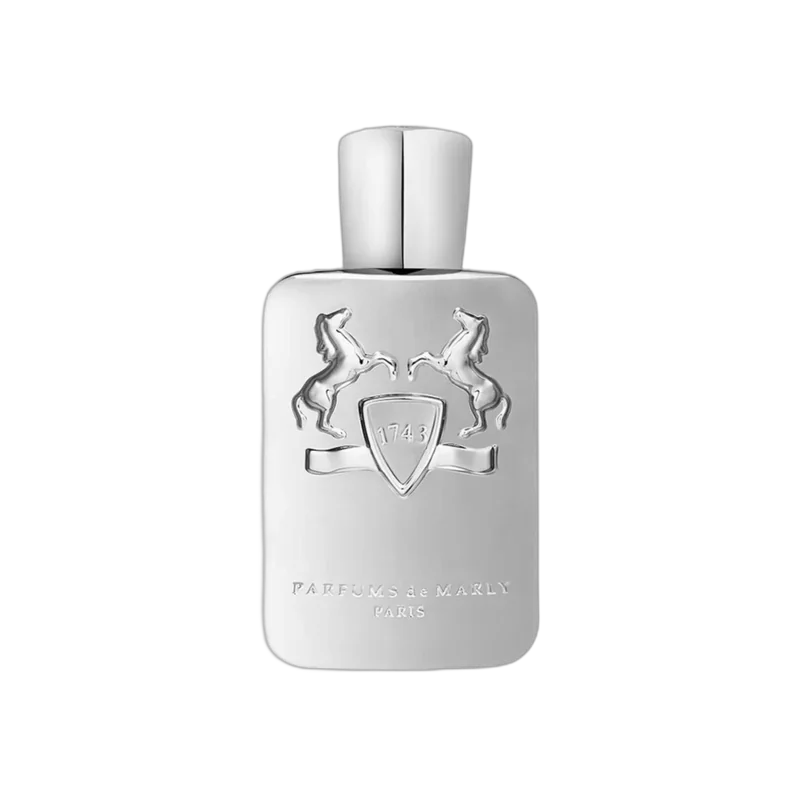
Pegasus
Parfums de Marly's 2011 masculine and the house's answer to the fruity-woody brief, built softer and creamier than the smoky chypres it gets cross-shopped against. Pegasus is carried by a heliotrope and bitter-almond accord, milky and faintly marzipan-like, laid over vanilla and sandalwood with bergamot and cumin lifting the open. Where the Creed benchmark leans grey and smoky, this one wears warm, sweet and rounded, closer to a comfort scent than a statement, which is the real reason people land on one or the other. The formula stays consistent bottle to bottle, an advantage over the batch lottery its rival is famous for, and it sits a clear tier below on price while carrying the same affordable-prestige badge. Performance is very good, projecting confidently for the first hours then hugging the skin most of a day, a cold-weather and evening leaning that also survives an office. It anchors the PdM men's line alongside Layton and Herod and reads masculine but close to unisex in practice. For anyone chasing niche status without the premium or the guesswork, this is the creamy, crowd-pleasing route in.
How the scent profiles compare
The same note families charted on each card above, lined up so you can see where each one leans.
How They Differ
The gap starts at the very top and never really closes. Aventus opens on its signature tart-pineapple and blackcurrant accord, apple and bergamot alongside, and that fruit is doing deliberate work, throwing brightness against what comes next. Underneath sits the part that made it famous, a smoky birch-tar and oakmoss heart that reads dry, grey and almost ashy, softened by musk, vanilla and ambergris but never sweet. It is a fruity chypre in the truest sense, the fruit and the smoke pulling in opposite directions, and that tension is the whole appeal. It wears fresh enough for a summer daytime and serious enough for an evening, which is a rare span for one bottle.
Pegasus lives in a completely different register. The heart is a heliotrope and bitter-almond accord, milky and faintly marzipan, propped up by vanilla and creamy sandalwood, with bergamot and a little cumin lifting the open before it settles. There is no smoke, no oakmoss bite, no grey. It reads warm, sweet and rounded, the kind of scent people describe as comforting rather than commanding. If Aventus is a contrast, Pegasus is a blanket. Both are marketed masculine and both wear close to unisex in practice, but the moods could not be further apart. One is the room-reading power scent, the other the cosy, approachable daily.
That almond note is the crux of it, and it splits people. Bitter almond and heliotrope together produce something close to cherry-marzipan, a sweet, powdery, faintly nutty smell that some wearers find instantly moreish and others find cloying or even soapy on skin. There is no oakmoss, no birch tar, nothing to cut the sweetness the way the smoke does in the Creed, so Pegasus asks you to like warmth without a counterweight. Aventus has the opposite problem in reverse, since the smoky base can read harsh or bitter to noses that came for the pineapple and got a bonfire underneath it. In both cases the fruit-and-flower opening is the easy part and the base is where allegiance is decided. This is precisely why sampling matters more here than with most comparisons, because the note that carries each scent is also the note most likely to divide the room.
Seasonally they land in slightly different places too. Aventus, for all its smoke, keeps enough brightness in the pineapple to survive warm weather and daytime wear, which is part of why it became a year-round default rather than a winter-only scent. Pegasus, sweeter and creamier, leans a touch more toward cold weather and evenings, though the almond is polished enough that plenty of people wear it to an office without issue. Neither is a strict one-season bottle, but if you run hot or want something that reads crisp in summer, the Creed has the edge on versatility.
The other honest difference is consistency. Aventus is famously naturals-heavy, and that formula shifts from batch to batch, so two bottles bought a year apart can smell like relatives rather than twins. Enthusiasts trade batch codes for exactly this reason. Pegasus stays put, wearing the same bottle to bottle, which for a lot of buyers is worth as much as any note in it. If you want a deeper look at whether the Creed premium buys enough smoke to justify itself, our take on is Aventus worth it goes further on the batch question.
Price & Value
This is where the two genuinely separate, and it is the one axis where Pegasus wins cleanly. Aventus sits at the top of the affordable-niche bracket with a real premium baked in, a price that reflects the naturals in the formula and the brand as much as the juice. Pegasus lands a clear tier below while carrying the same prestige-adjacent badge, which is precisely why it has become the go-to cross-shop for anyone who balks at the Creed number. Neither is cheap, but the gap between them is large enough to matter to most wallets.
Value is not the same as price, though. If the smoky pineapple chypre is the smell you actually want, no amount of saving makes Pegasus scratch that itch, because it simply does not smell like it. And if creamy almond is what you are after, paying the Aventus premium buys you nothing you wanted. The live lowest and average prices from our data show both usually well under full retail across the retailers we track, so the sensible move is to check the current spread on each before you decide. On raw cost-per-wear, Pegasus is the easy win. On do-I-want-this-exact-scent, the answer is whichever one matches the register above.
Worth saying plainly, the batch variation on Aventus is a value factor too. A softer or weaker lot can leave you feeling you overpaid, which is a risk Pegasus never asks you to take. If you are open to spending less again and want the smoky style without the Creed badge, our roundup of Aventus alternatives covers the field.
Which One to Buy
Buy Aventus if you want the reference. It is the smoky-pineapple benchmark the whole masculine category has spent fifteen years chasing, and nothing on this comparison actually replicates it, Pegasus included. You are paying a premium and accepting a batch lottery, but in return you get the one scent that reads fresh and grave at once and still turns heads in a room full of designer fruit. It suits the buyer who wants a signature power scent and treats the cost as the price of admission.
Buy Pegasus if you want warmth, ease and consistency for less. The creamy almond-heliotrope is a genuinely different pleasure, softer and sweeter, better suited to comfort than command, and it never plays the batch guessing game. It is the smarter everyday pick and the obvious landing spot for anyone who loves the idea of niche status but not the Creed number. If you are weighing it against its own stablemates rather than the Creed, our Layton vs Pegasus vs Herod breakdown sorts the PdM line.
If you are buying blind, without a chance to test either, the safer first purchase is Pegasus. It costs less, it wears the same bottle to bottle, and the almond-heliotrope style is broadly likeable even if it is not to everyone's taste. Aventus is the riskier blind buy, both because a soft batch can disappoint and because the smoky base is genuinely polarising, so it rewards a sample or a decant first far more than it punishes patience. There is no shame in starting with the cheaper, steadier bottle and graduating to the reference later if the smoke keeps calling.
The one thing not to do is treat these as interchangeable because the price tags sit near each other on a wishlist. They share a shelf and a status, not a smell. Sample both if you can, since almond-heliotrope and smoky pineapple divide people hard, then let the register you actually reach for decide, not the badge.
Compare niche masculine fragrance prices across every retailer on Aurexum