
Designer vs Niche: When the Upgrade Is Worth It
When Stepping Up to Niche Actually Pays Off
Niche fragrance gets sold as a straight upgrade, as if paying three or four times designer money buys you three or four times the scent. It does not work like that. Sometimes the jump buys real materials and a smell nothing cheaper matches; sometimes it buys a boutique name and a bottle, and the designer in the next lane does ninety per cent of the job for a third of the price.
The honest way to answer it is to compare like with like. Below are six fragrances arranged as three designer-versus-niche pairs, each pair sitting in the same lane so the only real variable is what the extra money buys you. Read them as three small arguments rather than a ranking.
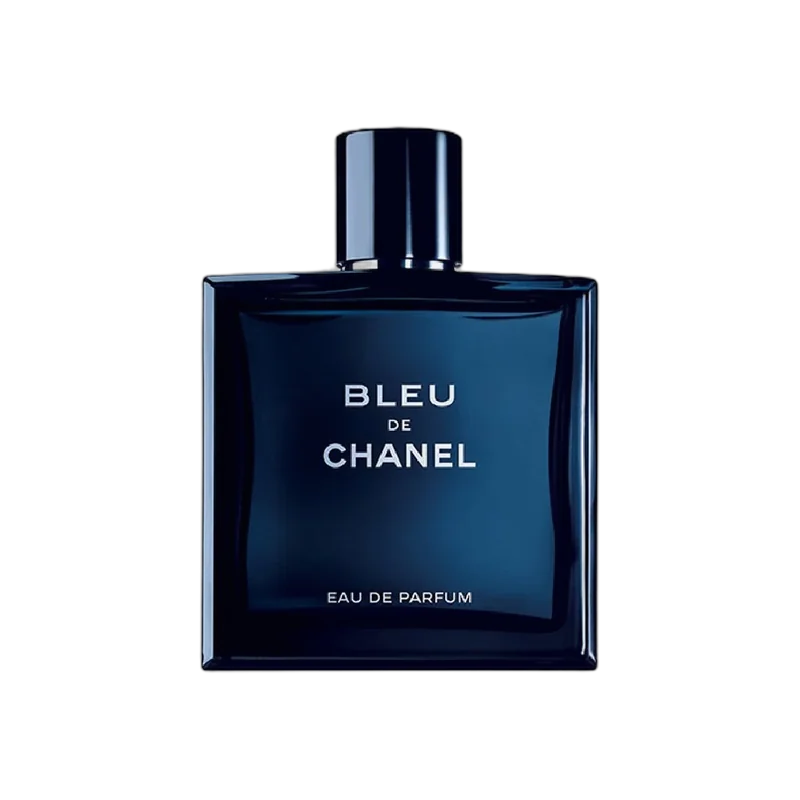
Bleu De Chanel Eau De Parfum
Chanel's 2014 fresh-woody pillar by Jacques Polge, and the designer benchmark for a do-anything daily. A bright lemon and pink-pepper opening settles into a creamy sandalwood, dry cedar and soft-amber base, clean enough for the office and warm enough after dark. It projects moderately and lasts most of a day, never loud, which is the entire pitch. The reason it anchors a designer-versus-niche talk is that it does almost everything most people want from a fragrance and asks a designer price to do it, made in-house by Chanel rather than under licence. Where a niche fresh might out-perform it on a single material, this wins on versatility and on the fact that you can find it discounted in nearly every Australian retailer rather than at fixed boutique pricing. It has spawned the Parfum and the EDT among its flankers, but the eau de parfum is the one most people mean. If you want one bottle that reads grown-up everywhere and never embarrasses you, this is the safe designer pick, and the value case for stepping up to niche has to clear it first.
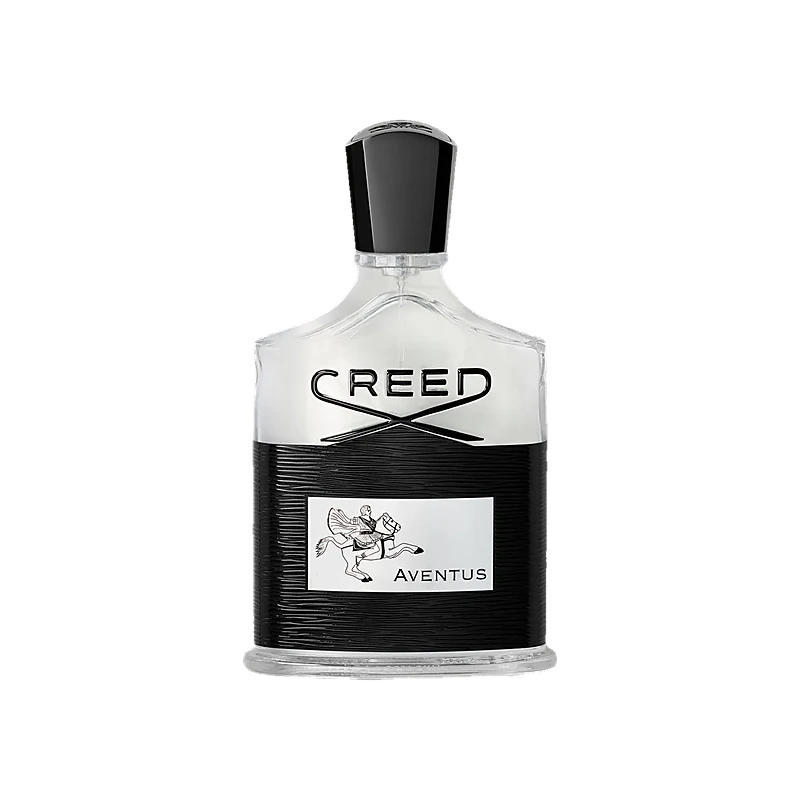
Aventus
Creed's 2010 fruity-chypre, built by Olivier Creed and his son Erwin, and the fragrance that single-handedly made the modern niche-versus-designer argument. The pitch is a tart pineapple and blackcurrant opening over a birch-smoke and dry-woods base, with a touch of ambergris and musk underneath, the smoky-fruity signature a hundred designers have since chased. It projects strongly in the first hours then settles to a moderate skin scent, and batch variation is real, which is part of the niche tax here. The case for spending is the materials and the smell itself, a fruit-and-smoke effect that the cheaper crowd only approximates rather than matches, plus a name with genuine cult weight. The case against is the price, several times a designer pillar, and the fact that Montblanc Explorer and a wall of clones get you most of the way for a fraction. Made by Creed in-house and now under Kering ownership, it carries a flanker line of its own in the Cologne and Absolu versions. Buy it when the specific smoky-pineapple is the point and you have already worn the dupes, not as a blind first niche leap.
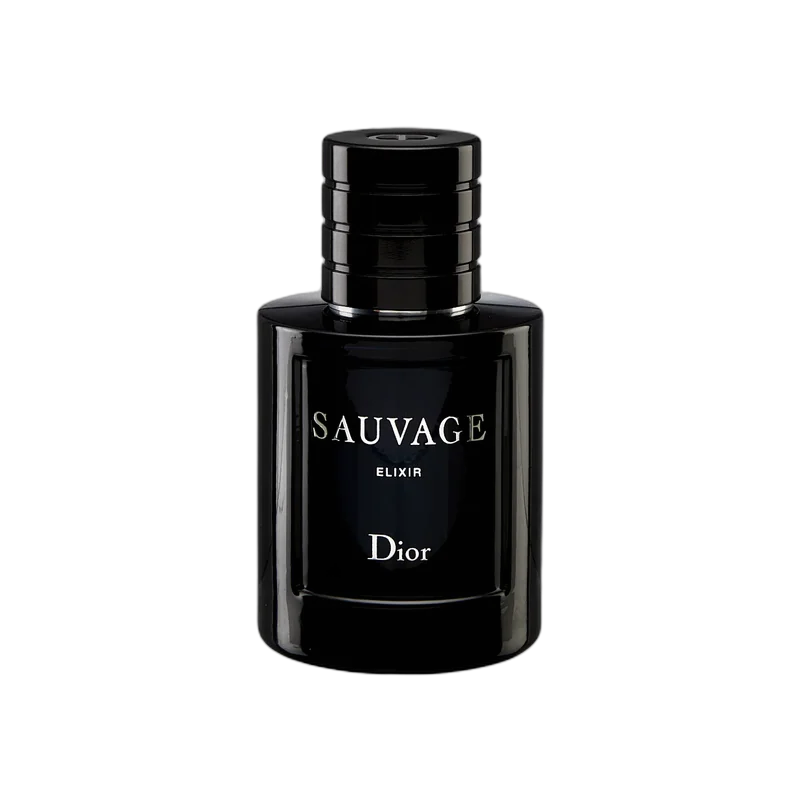
Sauvage Elixir
Dior's 2021 amber-fougère, the loudest and most expensive of the Sauvage line, composed for the house by François Demachy under L'Oréal licence. Where the standard eau de parfum reads fresh-sweet, the Elixir drops the citrus and goes straight for a thick, spiced core: cinnamon, nutmeg and grapefruit over a lavender, liquorice and sandalwood base, dense and almost syrupy. It is a parfum-strength concentration and wears like one, projecting hard for hours and lasting well into the next day, a genuine cold-weather beast. The reason it sits in a designer-versus-niche piece is that it costs nearly niche money for a designer name, which makes it the test case for whether you pay the Dior premium or jump houses entirely. Against a true niche amber it holds up on raw performance and loses a little on distinctiveness, since the DNA is still recognisably Sauvage. It has the rest of the line around it, the toilette, the parfum and the Eau Forte among them. Buy the Elixir when you want maximum spiced projection from a bottle people recognise, and shop the live price hard, because it discounts less than its cheaper siblings.
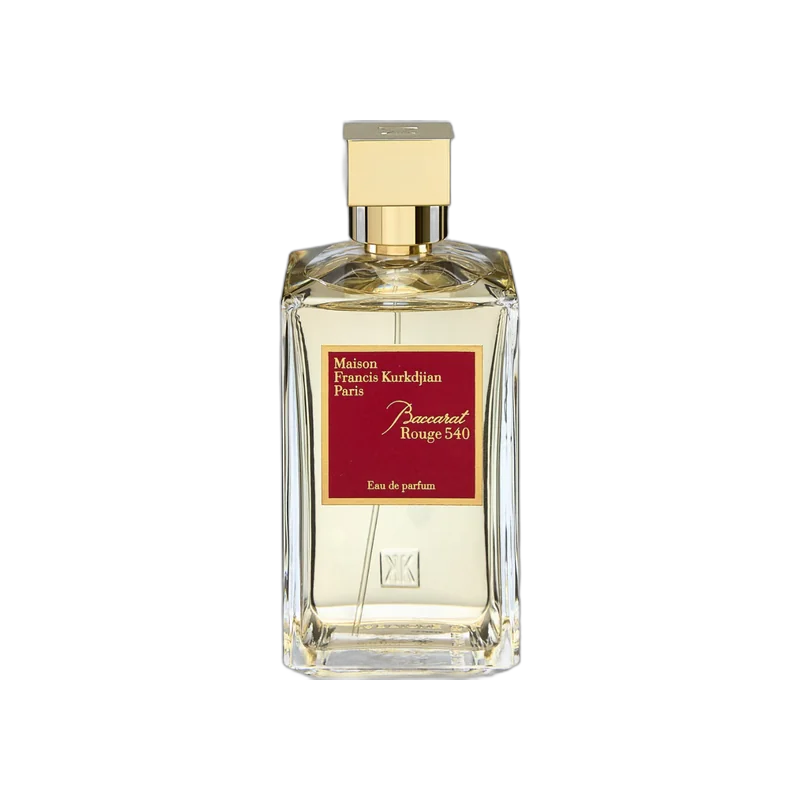
Baccarat Rouge 540 Eau De Parfum
Francis Kurkdjian's 2014 woody-amber, first a 250-bottle limited run for crystal house Baccarat's anniversary, then folded into his own line a year on. The name marks the temperature at which molten crystal dusted with gold turns red, and the scent is his attempt to render that glass as smell, luminous and proudly synthetic: bitter saffron and airy jasmine over a sweet ethyl-maltol haze, anchored by ambergris and dry cedar. It is hard to pin down and impossible to ignore, drifting much the same on everyone and hanging in every hotel lobby and lift. This is the niche bottle that most blurs the designer line, because it spawned the most cloned accord on the market, which makes the spend question sharp. The dupes get the sweet-amber shape, but none quite match the lit-from-within quality of the original. Made by Maison Francis Kurkdjian in-house and now under LVMH, it sits beside the Extrait in the same DNA. Buy the genuine article when you want the reference rather than the impression, and accept that you are paying a real premium for a smell half the market has copied.
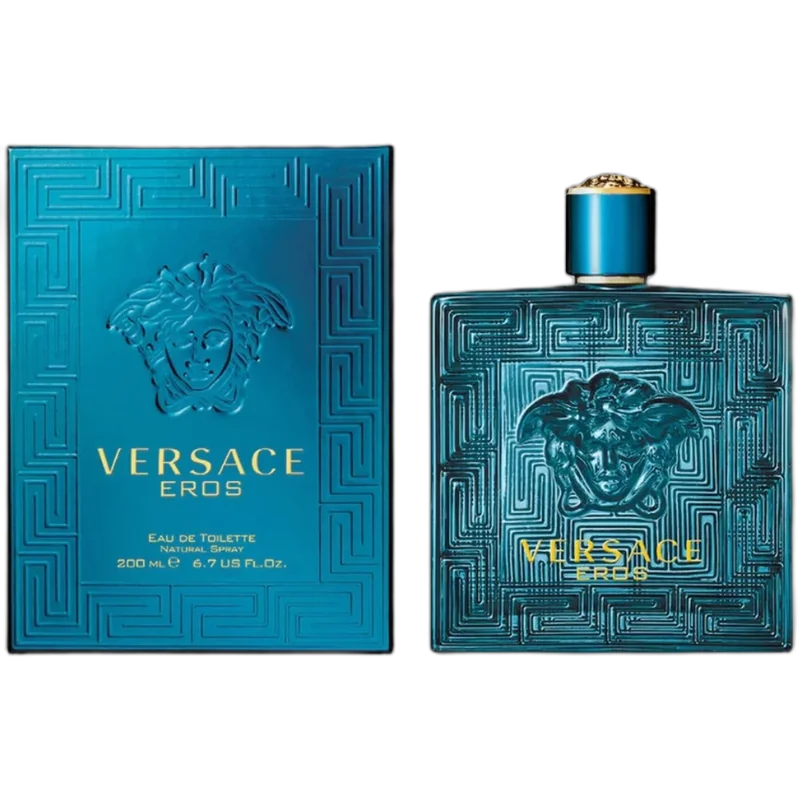
Eros Eau De Toilette
Versace's 2012 sweet-fresh blockbuster, built by Aurélien Guichard of Givaudan and made under EuroItalia licence, dressed in a blue-and-gold Medusa flacon. It is a slug of mint and green apple over a tonka-and-ambroxan core, with geranium, vanilla and cedar filling out the base, cold and sugary at once and designed to read across a crowded room. It projects hard and lasts well, genuinely out-performing pricier designers, and it is one of the cheapest big-impact bottles going. As the designer half of a sweet-versus-sweet pair it makes the value argument better than almost anything, because it delivers loud, compliment-getting projection for a fraction of niche money. The trade-off is ubiquity and a synthetic sweetness that splits a room, and a smell you will catch on other people most weeks. It has a long flanker line now, the Flame, the Parfum and the Energy among them, but the toilette is the one most people mean. Buy it when you want maximum room presence on a budget and do not mind the crowd, and treat the niche sweet as the upgrade only if you want the same effect with more nuance and less company.
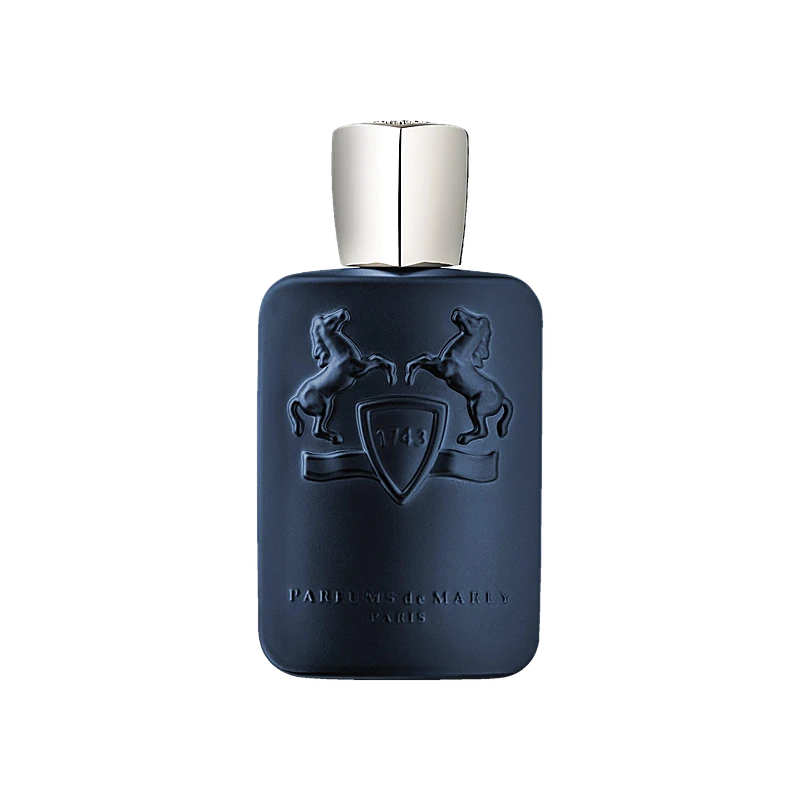
Layton
Parfums de Marly's 2016 sweet-spicy, composed by Hamid Merati-Kashani and the house's most stocked masculine, often pitched as the grown-up answer to the designer sweets. A bright apple, bergamot and lavender opening gives way to a geranium and pepper heart, then a warm vanilla, guaiac wood and patchouli base does the long work. It projects strongly and lasts most of a day, reading sweeter and more rounded than a designer crowd-pleaser without the synthetic edge that gives those away. This is the niche side of the sweet-versus-sweet pair, and it makes the spend case on smoothness and on smelling more expensive rather than on doing something nobody else does. Against Eros it is the more polished cousin, less club and more dinner, and it costs accordingly. Made by Parfums de Marly in-house, it sits among a deep line that includes Layton Exclusif and the lighter Greenley and Pegasus. Buy it when you have worn the designer sweets to death and want the same warmth with better materials and far less company, and shop the price, because it discounts more often in Australia than its boutique tier suggests.
The Three Pairs, Lane by Lane
The pairs are matched on style, not price, so each one isolates the upgrade question.
The fresh lane sets Bleu de Chanel against Creed Aventus. Both are clean, woody, daytime-friendly and built to read appropriate anywhere. Bleu wins on versatility and on turning up discounted across Australian retailers; Aventus wins on a specific smoky-pineapple effect that the designer world has spent fifteen years failing to copy outright. This is the pair where the niche jump buys you a genuinely different smell, not just a better-made version of the same one.
The sweet amber lane sets Dior Sauvage Elixir against Maison Francis Kurkdjian Baccarat Rouge 540. The Elixir is the rare designer that costs near-niche money, which makes it the fairer fight: it matches BR540 on raw projection and loses a little on the lit-from-within quality the niche bottle is famous for. Here the upgrade buys nuance and a reference smell, not more performance.
The sweet crowd-pleaser lane sets Versace Eros against Parfums de Marly Layton. Same broad idea, a loud sweet built for compliments, but Eros is brash and synthetic where Layton is rounded and smooth. This is the clearest value pair on the list, because Eros gets you most of the effect for a fraction of the spend, and Layton is the upgrade only if you want the same warmth with better materials and far less company.
Materials, Performance and Uniqueness
Strip away the marketing and three things separate a niche bottle from a designer one, and only one of them reliably justifies the price.
Materials are the real argument. Higher-grade naturals and a richer base are where the money goes, and you can smell it in the drydown of Aventus or BR540 against their cheaper rivals. This is the upgrade worth paying for.
Performance is the weakest argument. Eros and Sauvage Elixir out-project most niche on the market, and longevity has far more to do with concentration than with boutique pricing. If all you want is to be noticed across a room, designer wins on value every time.
Uniqueness sits in the middle. Sometimes niche buys a smell nothing cheaper matches, as with the smoky fruit of Aventus. More often, as with BR540, the accord has been cloned so thoroughly that the dupes get you close, and you are paying for the reference rather than something nobody else can offer.
When to Save and When to Spend
The short version: save when the designer does the job, spend when the smell is the point.
Save when you want a versatile daily, maximum projection on a budget, or a popular accord you can get cheaper elsewhere. Bleu de Chanel, Eros and the standard Sauvage cover almost every everyday brief, and the clone market covers the rest.
Spend when a specific niche smell is the actual goal and no designer or dupe quite lands it, when you have already worn the cheaper versions and want the genuine article, or when you simply value owning the reference. Just go in knowing what the premium buys, because half the time it is materials and half the time it is the name on the bottle.
Compare designer and niche fragrance prices across every retailer on Aurexum