
Dior Sauvage EDT vs EDP vs Elixir — Which One to Buy
The Short Version
Dior Sauvage is the same core idea in three strengths. The EDT (2015) is the bright, peppery original, best in heat and the easiest first buy. The EDP (2018) is warmer, sweeter and longer-lasting, the most popular of the three. The Elixir (2021) is a near-extrait powerhouse for cold weather and nights out. All three share François Demachy's Ambroxan-heavy signature, so the choice is really about intensity, season and budget.
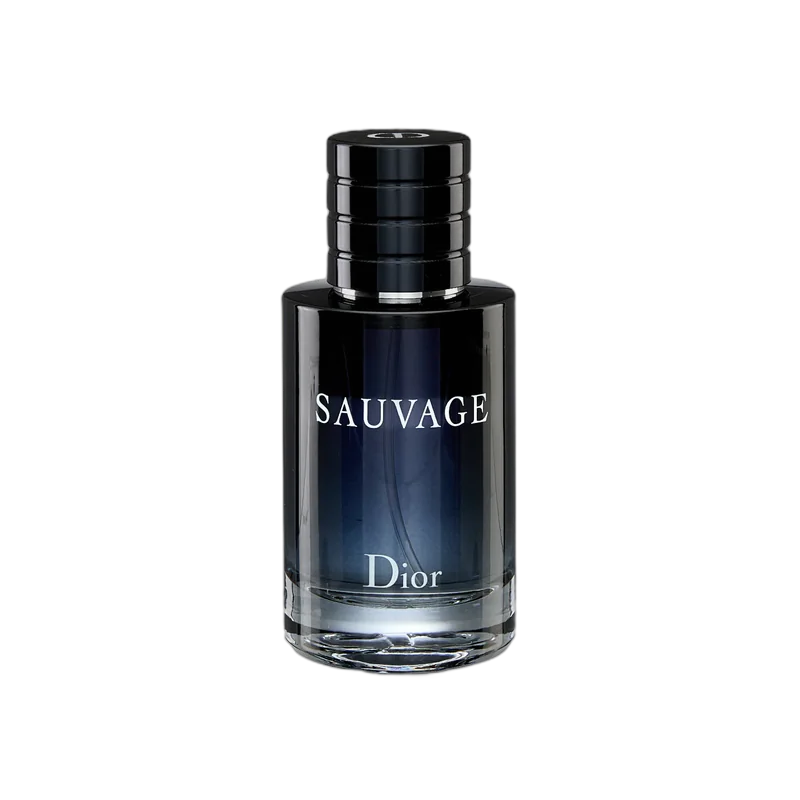
Sauvage Eau De Toilette
Dior's 2015 reboot of the Sauvage name, composed in-house by François Demachy and built around a heavy dose of Ambroxan, the woody-ambery molecule that gives the whole line its salty, radiant punch. The eau de toilette is the bright, peppery one: Calabrian bergamot and Sichuan pepper up top, a little lavender and geranium, then dry cedar and that Ambroxan haze doing most of the work. It reads fresh and slightly harsh in the best way, made for heat and daylight, and the Johnny Depp desert campaign turned it into the default young men's scent of the decade. Projection is strong for the first few hours then it settles close to the skin, so it suits an Australian summer better than a cold night. Against the EDP it is sharper, drier and far less sweet, with none of the star anise or vanilla that warms the later concentration, and the Elixir is darker and spicier still. This is the cheapest way into the line and the most versatile, the one to buy first if you only want one Sauvage. It is also the most cloned of the three, copied by nearly every budget house going. Start here, then decide whether you want it warmer or louder.
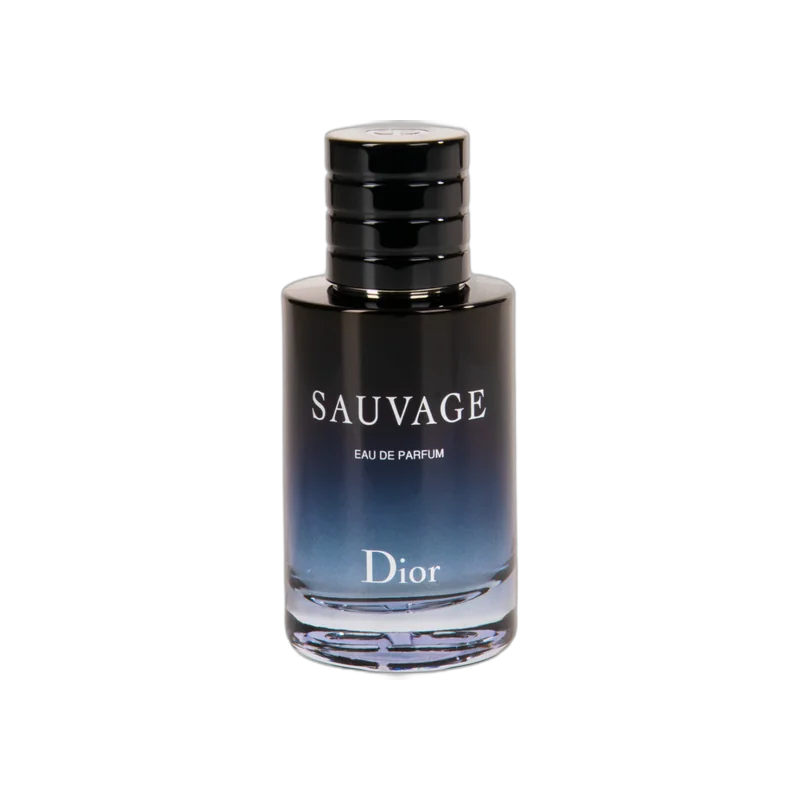
Sauvage Eau De Parfum
The 2018 eau de parfum, again by François Demachy in-house at Dior, takes the same Ambroxan-and-pepper skeleton as the EDT and pours warmth over it. Star anise and a fat vanilla-amber base replace the toilette's dry citrus snap, so it wears sweeter, smoother and noticeably richer, with the spicy opening softening into something closer to a comfort scent. Performance is the main reason to pay up over the EDT: the EDP lasts longer and projects harder, holding through a full day and into the evening where the toilette would have gone quiet. That extra weight makes it the better cold-weather and night-out pick, and most enthusiasts treat it as the definitive modern Sauvage rather than the original. It is less sharp and less obviously summery than the EDT, which is the trade, and it sits between its siblings, warmer than the toilette but lighter and more wearable than the near-extrait Elixir. If you already find the toilette too loud or too synthetic, the EDP rounds those edges without losing what made the line sell. Widely stocked and heavily discounted here, it is rarely far from a good price, and the gap to the EDT often shrinks enough to make it the obvious buy.
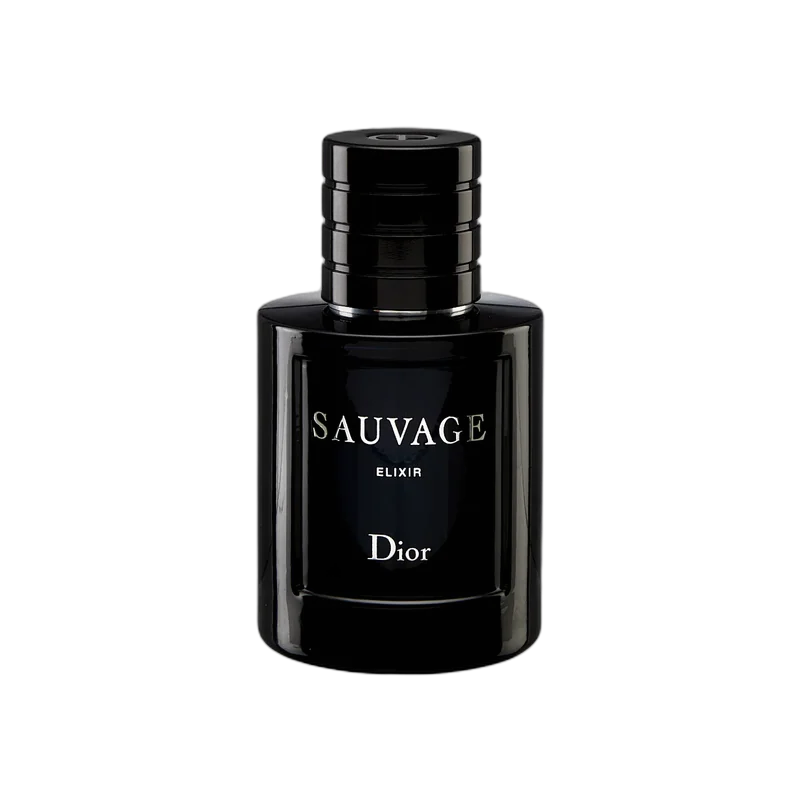
Sauvage Elixir
Sauvage Elixir, from 2021, is the concentrated outlier of the line and barely an eau de parfum at all, closer to an extrait in strength. François Demachy rebuilt the idea around liquorice and grapefruit up top, a heart of lavender, cinnamon and nutmeg, and a base of Haitian vetiver and Sichuan pepper over the usual amber, so it smells spicier, darker and far less fresh than either sibling. Where the EDT is bright and the EDP is warm and sweet, the Elixir is dense and almost savoury, the only one of the three with real heft to it. A couple of sprays last a full day and carry across a room, which is the whole point and also the warning, since it is easy to overspray and far stronger than the toilette most people start with. This is a cold-weather, evening fragrance with no real summer use, the one to reach for when you want presence rather than a daily. It is the priciest of the line per millilitre but sold in smaller bottles, and because so little is needed it lasts. Buy this one last, after you already know you like the Sauvage signature and want the loudest, most grown-up version of it.
How the scent profiles compare
The same note families charted on each card above, lined up so you can see where each one leans.
How They Differ
The jump from EDT to EDP to Elixir is a steady climb in warmth, sweetness and concentration.
The EDT leans fresh and spicy, with Calabrian bergamot and Sichuan pepper over a dry, salty Ambroxan base. It is the most daytime-friendly and the most "summer in Australia" of the line, but it also settles closest to the skin after a few hours.
The EDP keeps the pepper and Ambroxan but adds star anise and a vanilla-amber base. It wears smoother and richer, projects harder and lasts longer — the single biggest reason most people pay the extra.
The Elixir is a different animal: liquorice and grapefruit over lavender, cinnamon, nutmeg and a thick vetiver-amber base. A couple of sprays last all day and fill a room. It has almost no warm-weather use, but nothing in the line matches it for cold-weather presence.
Price & Value
Across Australian retailers the EDT is usually the cheapest, the EDP sits a step above, and the Elixir costs the most per millilitre despite coming in smaller bottles. Sale pricing moves all three around constantly, and the gap between EDT and EDP often narrows enough that the EDP becomes the obvious pick. The live prices above show the current lowest and average for each, at its most-stocked size, so you can see the real gap today rather than at full retail.
Which One to Buy
- Buy the EDT if you want one versatile Sauvage, lean toward warm weather, or want the lowest price.
- Buy the EDP if you want the most all-round version — richer, longer-lasting and still wearable most of the year.
- Buy the Elixir if you already love the signature and want maximum strength for cold weather and evenings, and don't mind spraying lightly.
If you're starting from scratch, the EDP is the safest single bottle. The EDT is the value pick. The Elixir is the one to add later.
Compare live Dior Sauvage prices across every retailer on Aurexum