
How to Choose a Signature Scent
What a Signature Scent Actually Is
A signature scent is one fragrance you wear so consistently that people start to associate it with you. That is the whole definition. It is not the most expensive bottle on your shelf, or the rarest, or the one a review told you was a masterpiece. It is the one you reach for on autopilot, often enough that a stranger catches it in a lift and thinks of you three days later.
The mechanism behind that is simple and worth understanding before you go shopping, because it is the entire reason a signature works. Scent is wired straight into memory. The olfactory bulb sits next door to the parts of the brain that handle emotion and recall, which is why a smell can drag back a specific afternoon from twenty years ago with more force than a photograph. Wear one fragrance often enough around the same people, and you are quietly building that association in their heads. The scent becomes shorthand for you. That is the payoff, and it only accrues through repetition, which means the choice matters less than the consistency.
So the honest first question is not which fragrance, but whether you actually want a single one at all.
Do You Even Want One
Here is the counter-case, and it is a strong one: most people are better served by a small wardrobe than a single signature. Fragrance is weather-dependent and mood-dependent in a way clothing is. A dense, sweet amber that reads well over a coat in July down south is oppressive in a humid Queensland January, and the crisp citrus that saves you in summer vanishes to nothing in the cold. Tie yourself to one bottle and you spend half the year fighting it.
A three-to-five bottle rotation solves this without much cost or thought, and covers far more ground than any single scent can. If that sounds more like your life, the honest move is to read our capsule wardrobe guide instead of this one, because a well-built rotation beats a forced signature for the large majority of wearers. There is no prize for monogamy here.
That said, a signature still makes sense for plenty of people. If you value being recognisable, if you like the ritual of one reliable bottle, if decision fatigue is real for you, or if you simply own one fragrance you love above all others, then committing is the right call. Just commit with method rather than on a whim, because the whole value of a signature is bound up in wearing it for years.
Map Your Taste by Family First
Before you shortlist anything, work out which broad family you actually gravitate towards. Fragrance sorts into a handful of big buckets, and knowing yours narrows the field from thousands of bottles to a manageable few. The five pins below are deliberately spread across five of those families, each chosen as a worked example of what a signature-grade pick looks like in its lane, versatile enough to wear daily, distinctive enough to be remembered, and consistent enough to trust for years.
If you are only beginning to figure out where your taste sits, our first fragrance guide is the better place to start, since it walks through the families from scratch. Here we assume you have a rough sense already and want to see the archetype in each.
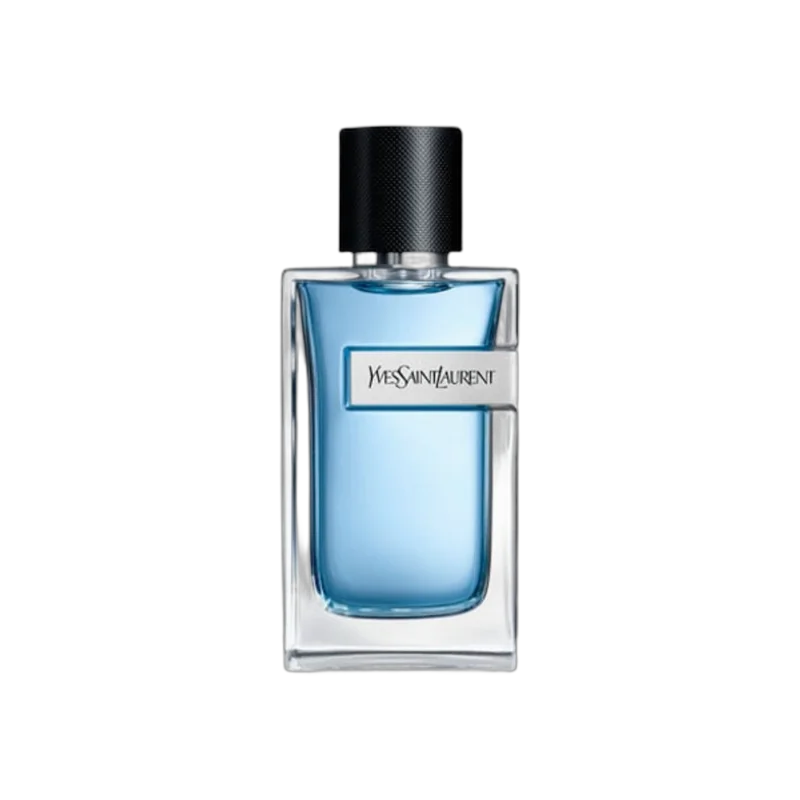
Y Eau De Parfum
Yves Saint Laurent's 2018 fresh masculine and the one that quietly became the default clean scent for a generation of younger buyers. Made for YSL by L'Oréal, Y Eau de Parfum takes the sporty original in a warmer, longer direction, opening on apple and bergamot before a sage and juniper heart settles onto the base that does the real work, a big ambroxan, cedar and tonka drydown with a geranium lift. It reads clean and slightly sweet without tipping into gourmand, the sort of thing that smells of nothing in particular and everything vaguely expensive, which is exactly why it wears so easily. Performance is strong for a fresh scent, projecting for a few hours and lasting most of a working day on skin. It leans versatile above all else, at home in an office, on a first date, or under a jacket in shoulder weather, and that breadth is what makes it a serious candidate for a signature. The matte grey flacon and a long campaign run turned it into a genuine bestseller. If you want one fresh bottle to reach for daily, this is the obvious starting point.
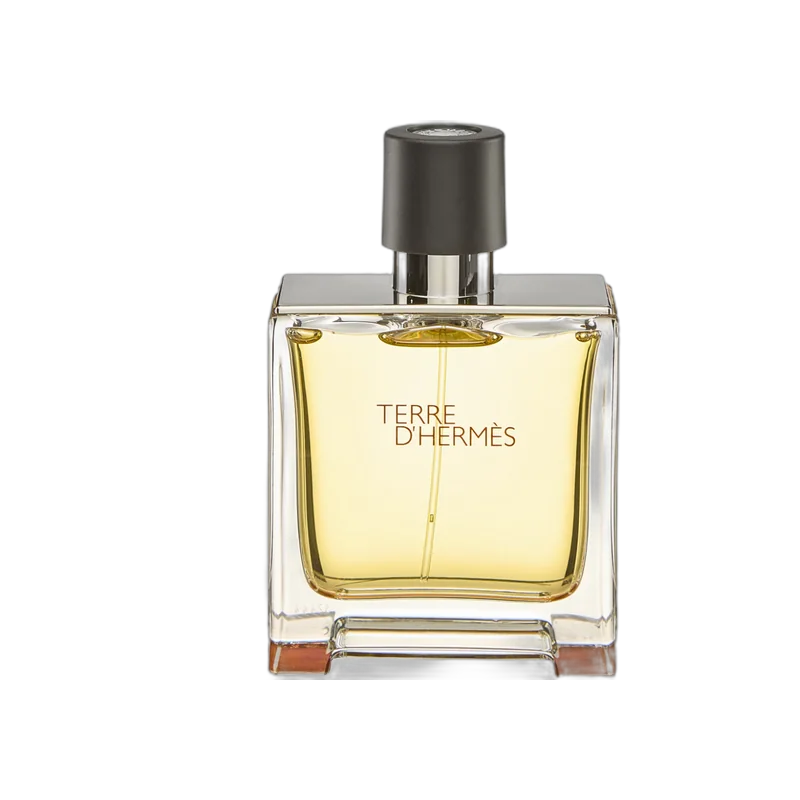
Terre Dhermesparfum Parfum
Hermès's woody-mineral landmark, composed by house perfumer Jean-Claude Ellena and reworked into this Parfum concentration in 2009, three years after the original eau de toilette. Terre d'Hermès is built around a bitter orange top and a flinty, almost mineral heart, with the base carrying the weight, a dry vetiver and cedar spine dusted with a synthetic that reads like warm stone and struck flint. The Parfum version deepens and roughens the whole thing, trading some of the citrus sparkle for a darker, earthier core that lasts noticeably longer on skin. It is distinctive in a way few daily masculines manage, recognisable within a sniff yet never loud, and that legibility is the point of a signature. It wears autumn and winter best but holds up year round, at ease in an office and better still after dark. Ellena's restraint is all over it, structure before sweetness, the opposite of the sugary crowd. Bottled in the amber-glass flacon with the leather-strap cap, it remains one of the most quietly worn men's fragrances going. For a woody signature with a clear identity, few come close.
Fresh is where most people should probably start, because it is the most forgiving and the most versatile across settings and seasons. YSL Y Eau de Parfum is the archetype, clean and vaguely expensive-smelling without committing to any strong idea, which is exactly the quality that lets a fresh scent go anywhere. If your instinct is to smell showered rather than perfumed, this family is your home base. Woody is the next step up in character, and Terre d'Hermès Parfum is the reference: dry, mineral, structured, recognisable within a sniff yet never loud. That legibility, being clearly identifiable without shouting, is close to the ideal profile for a signature, which is why a woody scent so often ends up being someone's one bottle.
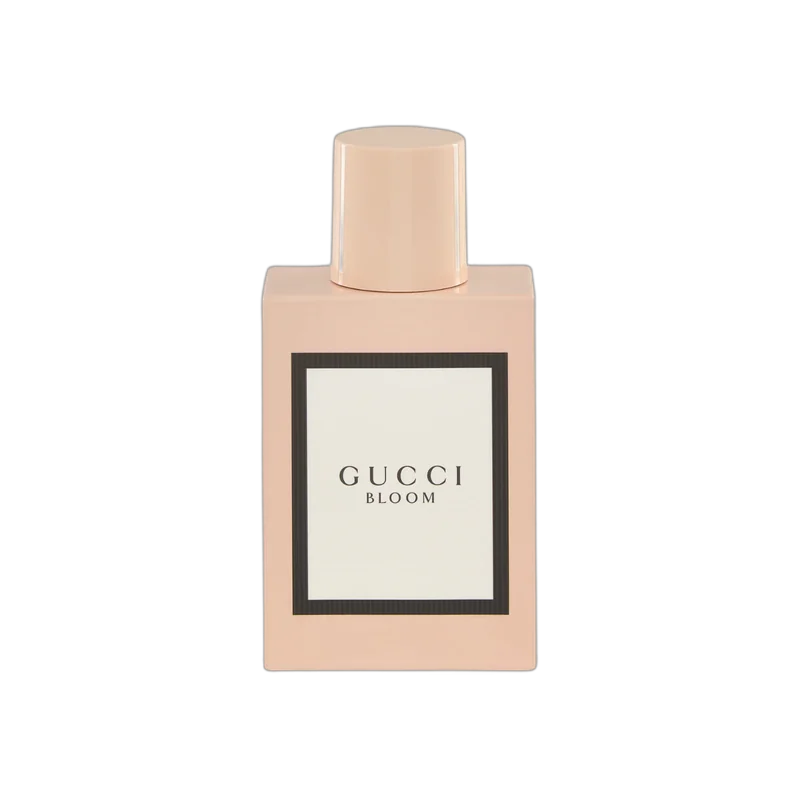
Bloom Eau De Parfum
Gucci's 2017 white-floral pillar and the fragrance that reset the house's scent direction under Alessandro Michele. Bloom is deliberately simple, a near-soliflore built on tuberose, jasmine and Rangoon creeper, with a green note called Angelica keeping the whole thing from turning heady or old-fashioned. There is no fruit, no gourmand sweetness and almost no citrus, just a lush, slightly milky bank of white flowers that reads romantic without reading dated. That clarity is why it works so well as a signature for a floral wearer, since there is nothing to clash with and nothing to tire of. It projects moderately and lasts most of a day on skin, softening into a soft, powdery floral hum by evening. It leans spring and summer but wears in any warm room, and its femininity is straightforward rather than shy. Fronted by a dreamy pastel campaign and the pale pink apothecary bottle, it became one of the house's best-sellers and now anchors a line of flankers including the Nettare and Profumo di Fiori editions. For anyone whose signature should be flowers and nothing else, this is the modern reference.
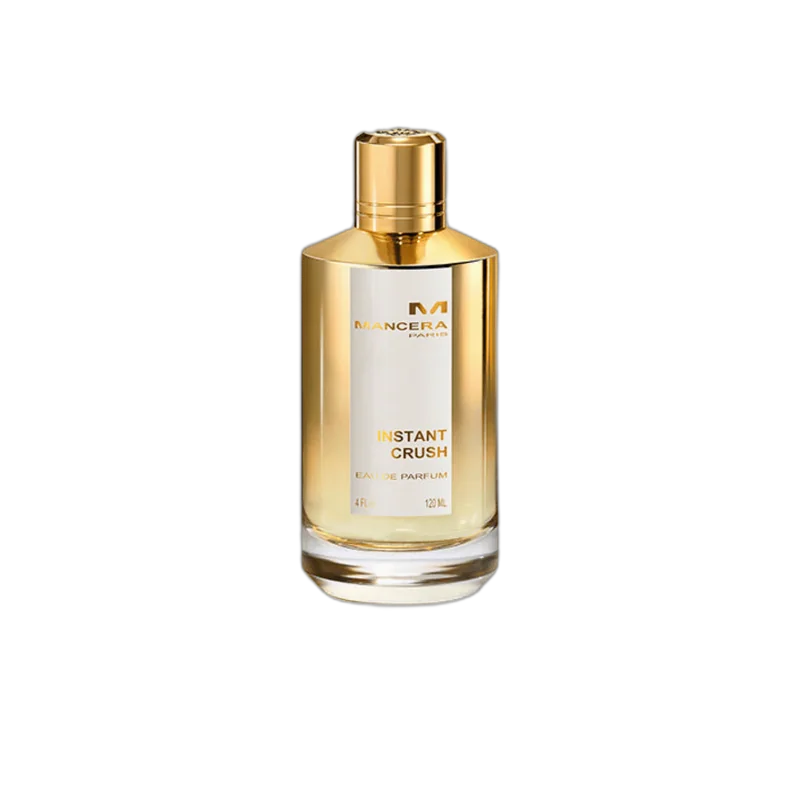
Instant Crush
Mancera's 2019 warm-spicy gourmand and one of the better value niche picks for anyone building a cold-weather signature. The Paris house frames Instant Crush around a boozy floral heart, with saffron and a jammy rose sitting over a base of vanilla, patchouli and amber that turns sweet and a little smoky as it dries. It reads spicier and darker than the house's rose-vanilla siblings, closer to a plush oriental than a floral, and wears convincingly unisex despite the feminine-leaning name. Performance is where Mancera earns its reputation, projecting strongly for hours and lasting most of a day on skin and fabric, output that shames pricier designers. That combination of warmth and reach makes it a natural evening and winter signature, distinctive enough to be remembered without being difficult. Bottled in the house's heavy black-and-gold flacon, it sits in the affordable-niche bracket and undercuts almost everything it competes with on projection. It is one of many stablemates now, but the spicy-amber character sets it apart from the sweeter Roses and Coco lines. For a warm, spiced signature that wears bigger than its price, it is hard to fault.
Floral and warm-spicy are the next two families to consider, and they push in opposite directions. Gucci Bloom is the floral archetype done clean, a near-soliflore of white flowers with nothing fruity or gourmand cluttering it, which is precisely why it works as a signature for a floral wearer: there is nothing to tire of. If flowers are your thing and you want them uncomplicated, this is the template. Mancera Instant Crush is the warm-spicy counterpoint, a boozy, saffron-and-rose oriental that leans dark and projects hard, built for cold weather and evenings. It is the more assertive choice of the two, distinctive enough to be memorable without being difficult to wear, and it undercuts most of what it competes with on sheer performance.
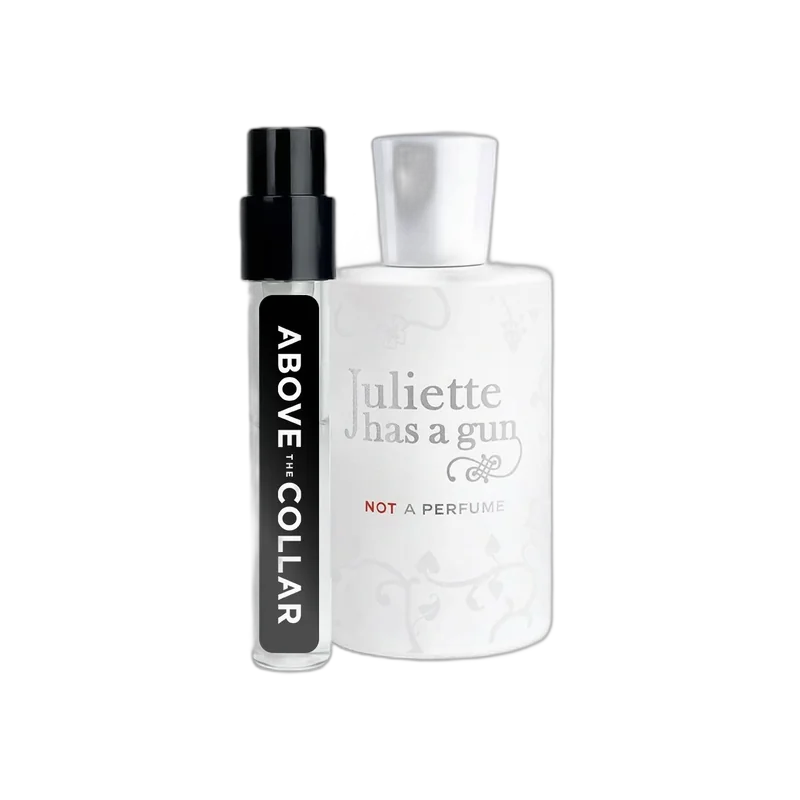
Not A Perfume Eau De Parfum
Juliette Has a Gun's 2010 minimalist and possibly the purest skin scent you can buy, built by house founder Romano Ricci around a single molecule. Not a Perfume is exactly that, a near-solo dose of Cetalox, the ambroxan-type material that smells clean, warm, dry and faintly salty, with almost nothing else in the bottle. The joke in the name is the pitch, a fragrance stripped back until only the drydown remains, and the result is a soft, second-skin warmth that hovers close and reads different on everyone. It is unscented in the way a cashmere jumper is unscented, present but never announced, which makes it the anti-signature signature, the one you wear when you want to smell like yourself, only better. Performance is intimate by design, projecting little and lasting a surprising amount given how simple it is, best appreciated up close. Because it is a single safe material it suits sensitive skin and layers under anything, and it wears fully unisex. The plain bullet bottle matches the concept. For anyone whose signature is warmth without a statement, or who reacts to busier perfumes, this is the considered minimalist choice.
The last archetype is the quietest, and the most interesting for some people: the skin scent. Juliette Has a Gun Not a Perfume is nearly a single molecule, a warm, dry, faintly salty ambroxan and almost nothing else. It is the anti-signature signature, the one you wear when you want to smell like a better version of yourself rather than make a statement. For anyone who reacts badly to busier compositions, or who simply wants warmth without a declaration, it is a genuinely clever answer to the whole question.
Wear Each for a Full Week, Not a Sniff
Here is the part almost everyone gets wrong. A signature is a years-long commitment, and you cannot judge one from a paper strip in a shop. A blotter tells you the opening and lies about everything after it, and the opening is the least important part of a fragrance you will wear daily, since it lasts twenty minutes and the drydown lasts eight hours.
So shortlist three, get samples or decants, and wear each one for a full week on skin before you decide anything. Wear it to work, to dinner, to the gym, under a coat and on a warm afternoon. Notice how it smells on hour six, not minute six, because that base is what people around you actually live with. Notice whether you get sick of it by Thursday, which is the single most useful signal a week gives you and one no shop visit ever will.
Test across the conditions you actually inhabit, too. Try each candidate in a cold room and a warm one, in the morning and at night, because a signature has to survive your whole calendar and not just the day you bought it. Pay attention to how it reads on your own skin against how it read on the strip, since chemistry shifts a fragrance more than most people expect, and a scent that sings on a blotter can turn flat or sour on you.
Only when one of the three still feels right at the end of its week, and you find yourself missing it during the others, do you commit to the big bottle. That missing-it feeling is the real test passing. Everything before it is just narrowing the field.
Then Commit, and Wear It
Once you have your one, the last instruction is the easiest and the hardest: wear it, consistently, for long enough that it becomes yours. A signature only earns its name through repetition, so resist the urge to keep chasing the next hyped release for a while and let the association actually form. Buy the full bottle once you are sure, spend on value rather than on the badge, and check the live lowest and average prices from our data before you do, because the same juice swings a long way across the retailers we track and the difference on a full bottle is rarely small.
None of the five here is the right answer for everyone, and that is the point. They are five templates across five families, meant to show you what a signature-grade pick looks like so you can recognise yours when you find it. Map your family, shortlist three, wear each for a week, test it against your real life, and commit only when one keeps pulling you back. Do that and the bottle you land on will be doing the quiet memory work a signature is for, long after you have stopped thinking about it.
Compare signature scent prices across every retailer on Aurexum