
Most-Complimented Women's Perfumes
What Actually Makes a Perfume Get Compliments
Compliment-getters are a specific category, and they are not the same as the best-smelling fragrances or the most interesting ones. They tend to share a few structural qualities: good projection in the first hours so people notice them before you have crossed a room, an accord that is instantly pleasant rather than challenging, and a dry-down that holds the sillage long enough to prompt a comment later in the evening. A scent that stays flat against your skin, however beautiful, earns fewer comments than one that drifts gently outward.
The accord matters as much as the projection. Certain combinations — sweet-but-not-cloying, warm-but-not-heavy, floral-but-not-soapy — are structurally pre-wired to read as pleasant to a broad audience. This is not accidental. Perfumers working in the mass market understand that the goal of a commercial fragrance is often to avoid offending anyone first and to delight someone second. The fragrances that earn the most compliments are usually the ones that sit in this calibrated middle ground, present enough to be noticed and pleasant enough that the notice is welcome. That calibration is a genuine skill, and the results are often dismissed by enthusiasts who mistake accessibility for simplicity.
There is a trade-off here worth naming honestly. The fragrances that pull the most unsolicited compliments from the widest possible audience are rarely subtle, rarely unique, and often quite widely worn. Ubiquity is the price of a crowd-pleaser: if enough people are wearing something, others have already registered it as pleasant and are primed to respond well. Baccarat Rouge 540 is the extreme example, a fragrance that some enthusiasts now actively avoid because it is everywhere, but which still gets comments from strangers every time someone wears it for the first time. The question is whether you want compliments or distinction. Often you cannot have both.
The seven fragrances here are the ones we track that consistently register in that compliment register, ranging from the phenomenon tier and niche-designer picks down to a UAE budget release that has no business performing as well as it does. They are real crowd-pleasers, and all of them come with a price.
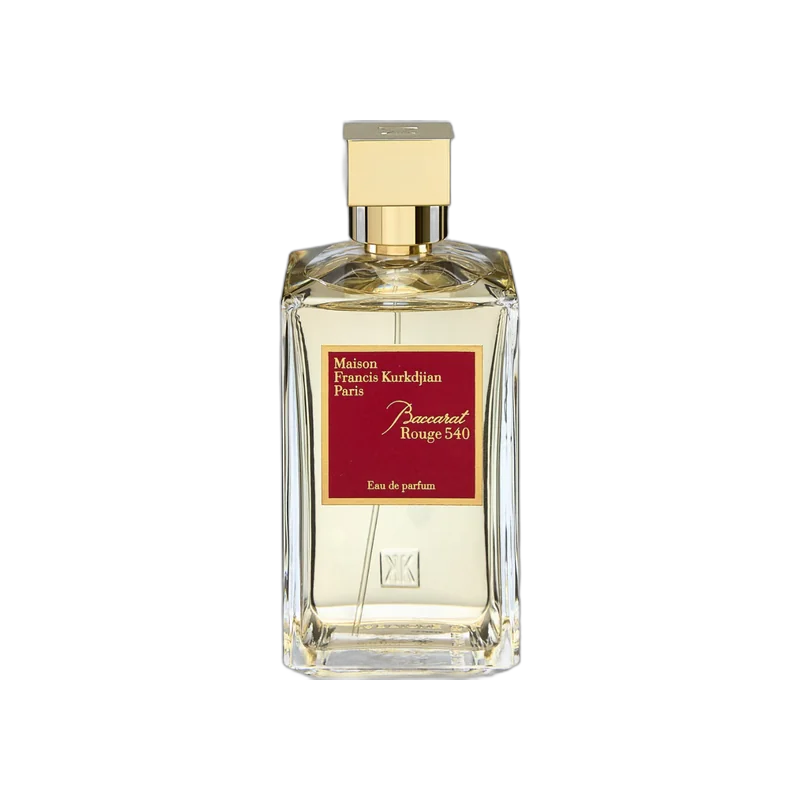
Baccarat Rouge 540 Eau De Parfum
Baccarat Rouge 540 began as a limited commission for Baccarat's anniversary in 2014, so well received that Francis Kurkdjian folded it into his own label in 2016. The name marks the kiln temperature at which crystal turns red, and the scent was built to translate that luminosity into smell. The formula is deliberately synthetic and ambroxan-forward: saffron and jasmine float over a foundation of ethyl maltol, cedarwood and a jasmine-derived amber base, all of it organised around the ambroxan molecule that defines the dry-down. That molecule is the engine behind the compliments. Ambroxan does not sit on top of skin the way most musks do; it fuses with body warmth and amplifies it, producing a sillage that reads as part of the wearer rather than something applied. The result is present and recognisable without ever registering as loud, which is why strangers ask about it. It has been cloned more widely than perhaps any other fragrance of the last decade, which speaks to both its commercial pull and its replicability. The MFK crystal flacon, in clear or deep rouge, remains part of the premium proposition. Performance is strong throughout, with confident projection in the first few hours and a skin-close trail that carries well into the following day.
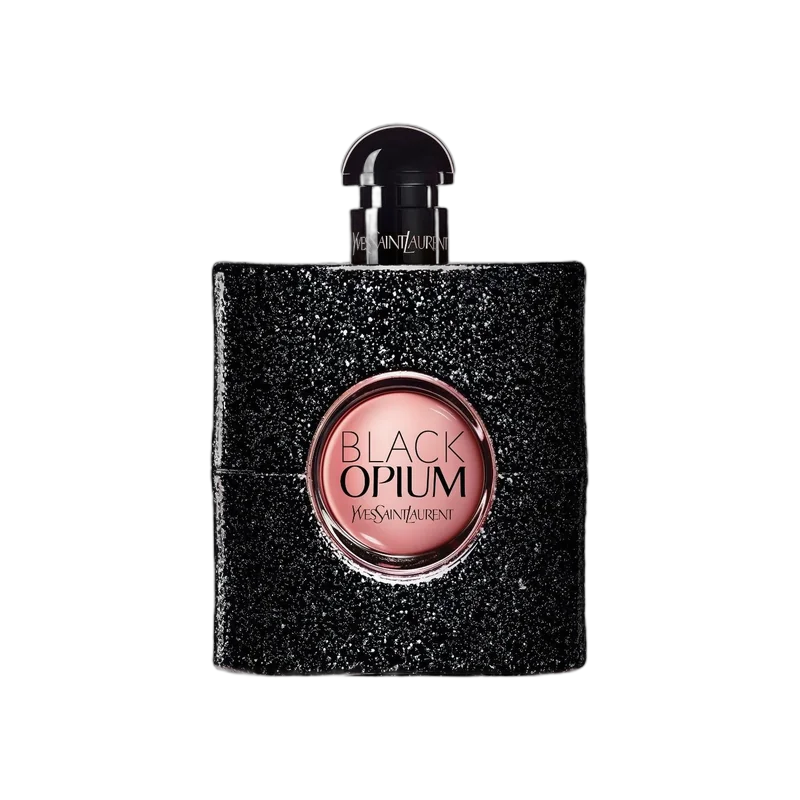
Black Opium Eau De Parfum
Yves Saint Laurent's 2014 dark gourmand, built by a team of Givaudan noses including Nathalie Lorson and Marie Salamagne. The controlling idea is bitter black coffee poured over sweet vanilla and white florals, lifted by pink pepper and orange blossom. The coffee accord is what makes it work as a compliment-getter rather than just another sweet feminine — it cuts the sugar just enough to keep the whole thing from cloying, and the contrast reads as grown-up rather than gourmand. Made under L'Oréal licence, it projects loudly for the first half of the day and lasts most of twelve hours, a performance figure that earns it a place on wrists and in club queues alike. The cracked-black flacon and campaign faces gave it cultural weight before the juice had a chance to prove itself, but the juice proved itself anyway, going on to spawn a sprawling line of flankers, from the Intense through various Neon and Illicit Green editions. All are worth knowing, but the original EDP is the one to start with. It earns compliments because the accord is distinctive, the projection is generous, and sweet-plus-bitter is about as crowd-friendly as feminines get.
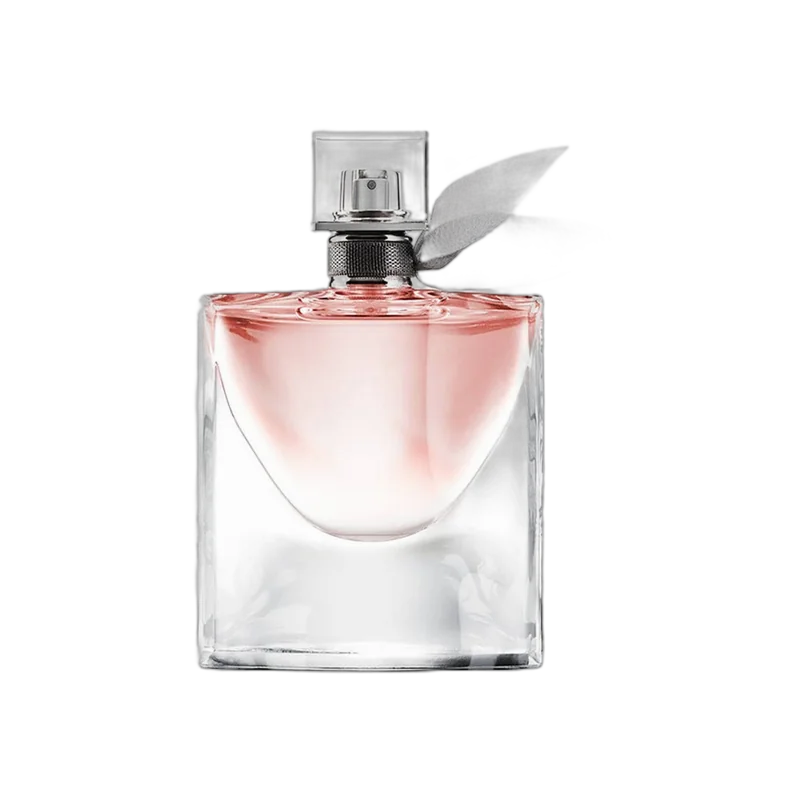
La Vie Est Belle Eau De Parfum Intense
Lancôme's 2015 follow-up to its own sleeper hit, this time pushed deeper and warmer with an intensified base. The original La Vie Est Belle from 2012 was already one of the best-selling feminines of its decade; the Intense takes the iris-patchouli-praline skeleton and leans into the gourmand end, softening the iris and thickening the caramel and tonka below it. The result is a warm, powdery sweetness with a softly floral top that lands somewhere between a classic feminine and a modern gourmand, accessible in the best sense. It was composed for Lancôme — part of L'Oréal — and marketed broadly, fronted by Julia Roberts and backed by a global campaign that turned the curved bottle into one of the more recognisable shapes in department stores. The appeal from a compliment standpoint is the warmth of the base: praline and tonka diffuse slowly and evenly, which means the scent reads as approachable and pleasant without demanding attention. It is a winter and evening scent primarily, though it wears in cool weather without issue. Projection is moderate to good; longevity is solid. If you want a warm floral-gourmand that almost anyone will find pleasant, this is the uncontroversial pick.

Good Girl Eau De Parfum
Carolina Herrera's 2016 tuberose-tonka, housed in one of the more memorable bottles of its decade — a stiletto heel in black lacquer and clear glass. Composed at Givaudan by Louise Turner, Good Girl opens with a jasmine and tuberose floral heart that is rich and a touch heady, then grounds itself on a warm base of tonka, cacao and sandalwood. The construction is deliberately two-faced, bright and white-floral on the top, dark and creamy below, and that contrast is a large part of what makes it interesting. It earns its compliments through the dry-down rather than the opening: the tonka and cacao base is generous enough to fill a room without becoming overpowering, and it reads as expensive because dark-floral-over-sweet is a harder balance to pull off cheaply. Made under Puig, it sits at the mid-designer price point, with longevity consistently at eight-plus hours on skin. It has since anchored a wide range of flankers, from the suede flanker to the Magnetic Good Girl, but the original remains the one to know. For a tuberose-led compliment-getter that works from dinner onwards, this is the considered pick.
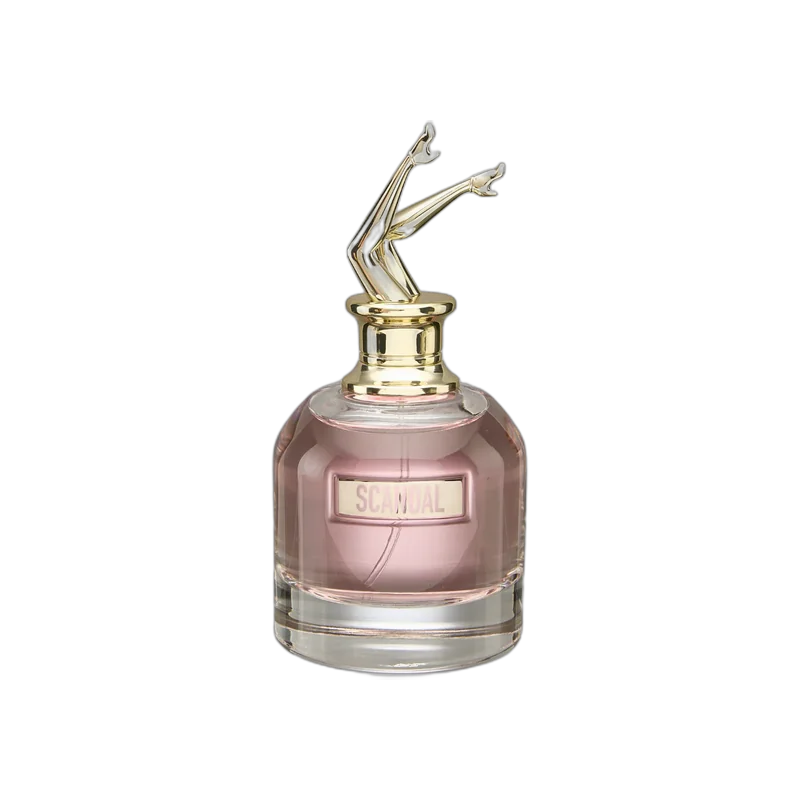
Scandal
The brief Quentin Bisch was given at IFF for Jean Paul Gaultier's 2017 release was an exercise in contrast: a honey chypre that reads polished and respectable from a distance but reveals something richer and more animalic up close. The structure delivers on that premise. The opening is a lush gardenia and orange blossom, clean and approachable; the base is where it shifts, settling into a heavy honey and caramel accord over patchouli and cedarwood that turns warm and almost feral. It reads expensive at the dry-down in the way classic chypres do, because the contrast between a floral top and a honeyed, resinous base is a harder accord to manufacture cheaply than most department-store florals. Made under Beauté Prestige International, the Shiseido subsidiary that held the JPG fragrance licence at the time, and bottled in the house's signature gold-and-black can, it projects well and lasts a full day, performance that remains one of the more reliable in its tier. The honey accord diffuses slowly and draws people in rather than announcing itself from metres away, which is exactly the mechanism behind its compliment-getting reputation. For a designer chypre that earns comments through depth rather than sheer projection, this is the one to know.
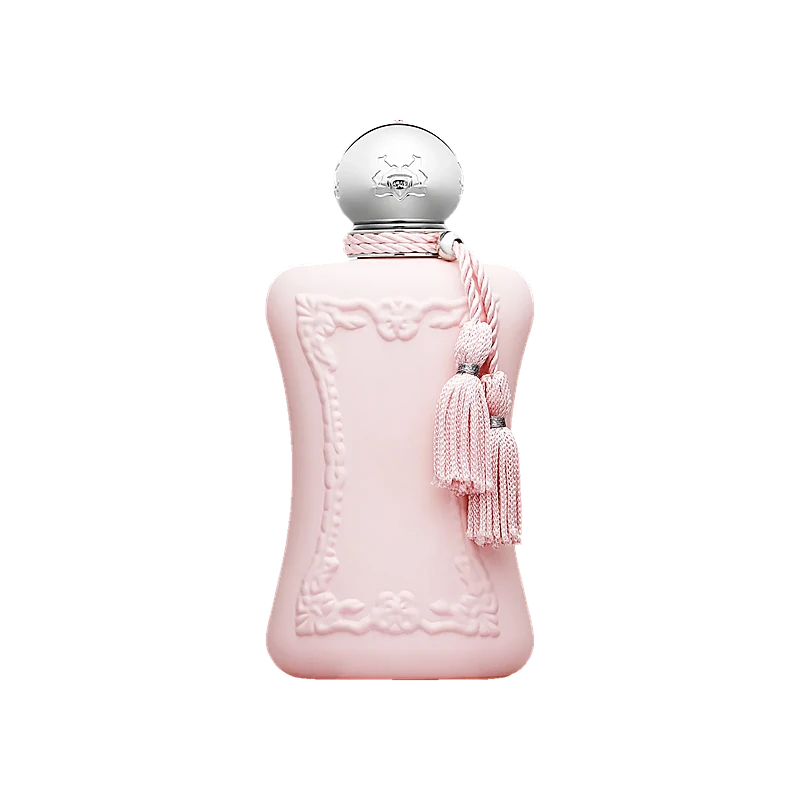
Delina Eau De Parfum
The fragrance that turned Parfums de Marly from a niche curiosity into a mainstream name, Delina was composed at Givaudan by Hamid Merati-Kashani and released in 2017. It is a white-rose chypre with Turkish rose at the centre, supported by rhubarb, lychee and peony in the opening, then settling on a base of cashmeran, vanilla and musk. What makes it pull compliments is the character of the rose: plush and clean rather than soapy, with the cashmeran underneath giving it that warm, slightly fuzzy skin quality that tends to drift rather than project in a directional way. People notice it without being able to identify it immediately, which is exactly the register a compliment-getter should occupy. At its niche-designer price it is expensive, but it has earned that position by being genuinely distinctive — the lychee-rhubarb opener sets it apart from the dozens of powdery roses it competes with, and that differentiation is what stops it from disappearing into the background of the category. Longevity is consistently strong, eight to ten hours on most skins, and it performs on fabric even better. The ornate flacon and PdM branding carry prestige weight. For a compliment-driven rose at the niche tier, this is the reference point.
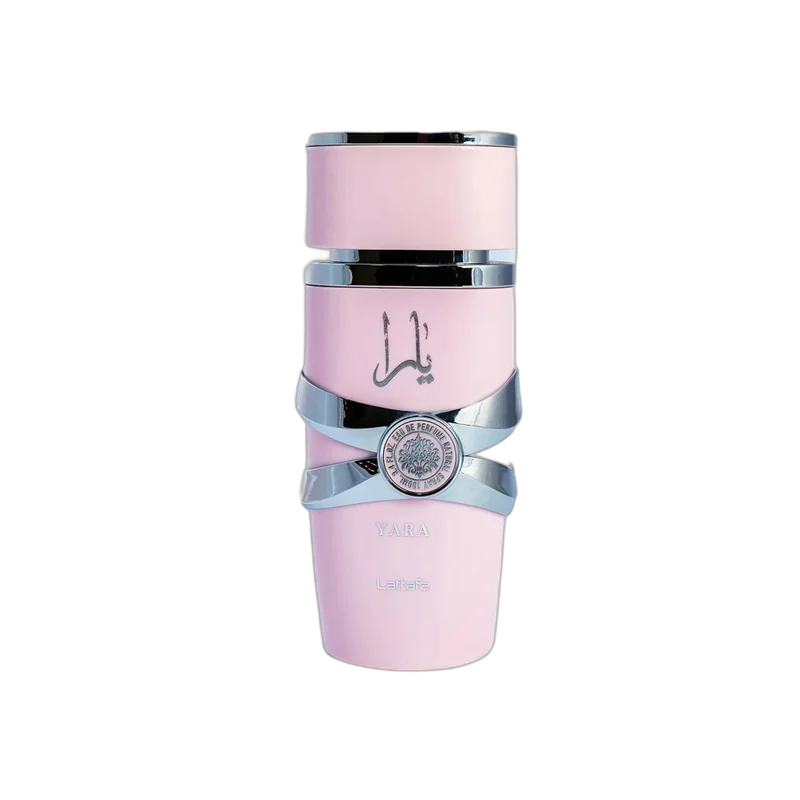
Yara Eau De Parfum
Lattafa's 2020 feminine, built in-house in the UAE, and the budget fragrance that has disrupted how Australians think about value in compliment-getters. It is a fruity-floral musk — a bright opening of bergamot, strawberry and a little pineapple leading into a rose and peony heart, then settling on a warm base of vanilla musk and woody amber. The structure is crowd-friendly by design, sweet and approachable without the sharpness that cheaper fragrances often betray in the opening. What makes it notable here is the sillage relative to cost. Yara projects well and lasts the better part of a day, performance that competes with designer fragrances at several times the price. It earns compliments for the same reason Baccarat Rouge does, through recognisable sweetness and clean diffusion, but in an accessible, pleasant key rather than a distinctive one. For those new to the category, the case for Yara is straightforward: you can wear a crowd-pleaser daily without treating the bottle as precious, and restocking costs rarely sting. The ornate flacon punches well above the price. If the brief is maximum compliments per dollar spent, this is the fragrance to know.
The Phenomenon Tier
Baccarat Rouge 540 sits in a category of its own: a fragrance that now functions as a cultural reference point rather than just a product. Its ethyl-maltol sweetness and warm ambergris base have been cloned more times than any other fragrance in the last decade, which tells you something about both its commercial appeal and its recognisability. The sweetness is not straightforward; the saffron and cedar keep it from reading as a simple gourmand, and it is this slightly ambiguous quality — warm and sweet but not quite like anything else — that keeps people asking what you are wearing. At the price it commands, it is the investment compliment-getter, the one you reach for when the occasion warrants the spend. Performance more than justifies the ticket: projection is generous for the first several hours and the skin-close dry-down carries through a full day.
Parfums de Marly Delina is the niche tier option, a plush Turkish rose over cashmeran that drifts rather than announces itself. Where BR540 is divisive at scale precisely because of its ubiquity, Delina sits at a level of distribution where it is familiar enough to read as quality but not so saturated that it triggers the eye-roll. The rhubarb-lychee opening gives it a point of difference from the dozens of powdery roses it competes with, and the cashmeran dry-down is warm enough to carry the sillage for hours. For a special-occasion compliment-getter that stays just far enough from mainstream, this is the considered choice.
The Designer Magnets
YSL Black Opium, Carolina Herrera Good Girl and Jean Paul Gaultier Scandal represent three different design philosophies for the same goal. Black Opium uses coffee-cut vanilla to give a sweet feminine an adult edge; it is one of the best-selling women's fragrances of the last decade for a reason, and the projection is loud enough to carry without effort. Good Girl takes a different angle, a bright tuberose-and-jasmine floral on top and a dark tonka-cacao base below, earning its compliments through the contrast of that dry-down rather than a single memorable accord. Scandal goes further still, building a honey chypre that reads polished from a distance and reveals something richer up close — a structure borrowed from the classic chypre tradition, made wearable at designer prices.
Lancôme's La Vie Est Belle Intense rounds this group out. It is the most approachable of the four, a warm iris-praline-tonka that sits closer to classic feminine territory than the others, and earns its place on this list through consistent, broad-appeal performance rather than any single distinctive element. It is the comfortable, always-works option in a group that also contains some bolder propositions. Anyone building a rotation of compliment-getters would be well served having one of these in it.
These four all sit at the designer price band and are available across a broad spread of retailers, so the live prices here are usually noticeably below full retail. Running the comparison before buying is worth the two minutes it takes.
The Budget Case Study
Lattafa Yara is the most interesting fragrance on this list from a value standpoint. A 2020 release from the UAE, it is a fruity-floral musk, bright with strawberry and bergamot at the top, clean rose and peony in the heart, warm vanilla-musk at the base — the kind of structure that reads as crowd-friendly by design without the sharpness that gives cheaper fragrances away in the opening. It projects and lasts well enough to compete with designer options at several times its price.
This is genuinely unusual. Budget fragrances often sacrifice projection or longevity to hit their price point, and the result is a flat, skin-close scent that no one notices. Yara avoids both failure modes, which is why it has built a following well beyond the Middle Eastern market it was originally created for. The ornate bottle and reasonable retail have helped, but the juice is what did the actual work: it smells finished and clean in a way that cheaper fruity-florals often do not. The argument for including it here is not that it is better than the others — it lacks the character of Delina or the memorability of BR540. The argument is that the compliment-per-dollar ratio is hard to match. If you want a daily crowd-pleaser you can spray freely without treating the bottle as precious, this is the case study. The live prices tracked on Aurexum make this even more compelling; it is one of the better-value lines we follow, and restocking costs rarely sting.
How to Wear Them So They Land
Compliment-getters work best with a degree of restraint in application. Two or three sprays on pulse points — wrists, neck, the inside of the elbow — is usually sufficient for the fragrances here, most of which project well already. Over-applying a fragrance like Black Opium or Scandal in a warm indoor space will tip them from pleasant to overwhelming, which is the fastest way to stop getting compliments and start getting the opposite. The general rule for heavy-projecting feminines is fewer sprays in warm or enclosed spaces, a little more in cool, open air.
Consider the occasion and the register. For daytime and office wear, La Vie Est Belle Intense or Yara are the safer choices: warm but not loud, sweet but not demanding. Good Girl and Scandal are better suited to evening and cooler weather, where the heavier base accords can breathe without filling the room. Baccarat Rouge and Delina are genuinely versatile, but both project well enough that you want to dial back the sprays slightly in confined spaces. Black Opium sits between the two camps: loud enough for evening, but coffee-cut enough to wear through a late afternoon without becoming oppressive.
Layering onto moisturised skin extends longevity across all of them. The vanilla and musk bases here in particular respond well to hydrated skin, where they anchor more slowly and diffuse over a longer period. A fragrance-free body lotion underneath will add an hour or two to most of these dry-downs, which is worth the small effort for a special evening.
The sweet spot for any of these is the moment an hour or two after application, when the top notes have settled and the base is doing the quiet, diffusing work that actually triggers the comment. It is worth applying at least thirty minutes before you need the scent to perform, rather than spraying as you walk out the door.
For a broader look at which scents get noticed across genders, see the men's equivalent — the structural reasons compliment-getters work hold across both. If the context is specifically a date, the date-night scents post covers the overlap in projection-focused choices worth considering.
Compare most-complimented women's perfume prices across every retailer on Aurexum