
Hacivat vs Cédrat Boisé — The Aventus-Alternative Face-Off
The Short Version
Two bottles get named more than any others when someone asks how to skip Creed Aventus and still smell like it: Nishane Hacivat and Mancera Cédrat Boisé. They take opposite routes to the same place. Hacivat is the denser, dearer answer, a pineapple-and-dry-woods extrait that plenty of people argue out-performs the fragrance that inspired it. Cédrat Boisé is the crowd-pleaser, a citrus-over-sweet-woods designer-priced niche that has been quietly winning blind buys since 2011 at roughly half the outlay.
Buy Hacivat for density, prestige and cooler months. Buy Cédrat Boisé for price, freshness and hot-climate wearability. Neither is a note-for-note Aventus clone, and that is the point of the whole exercise.
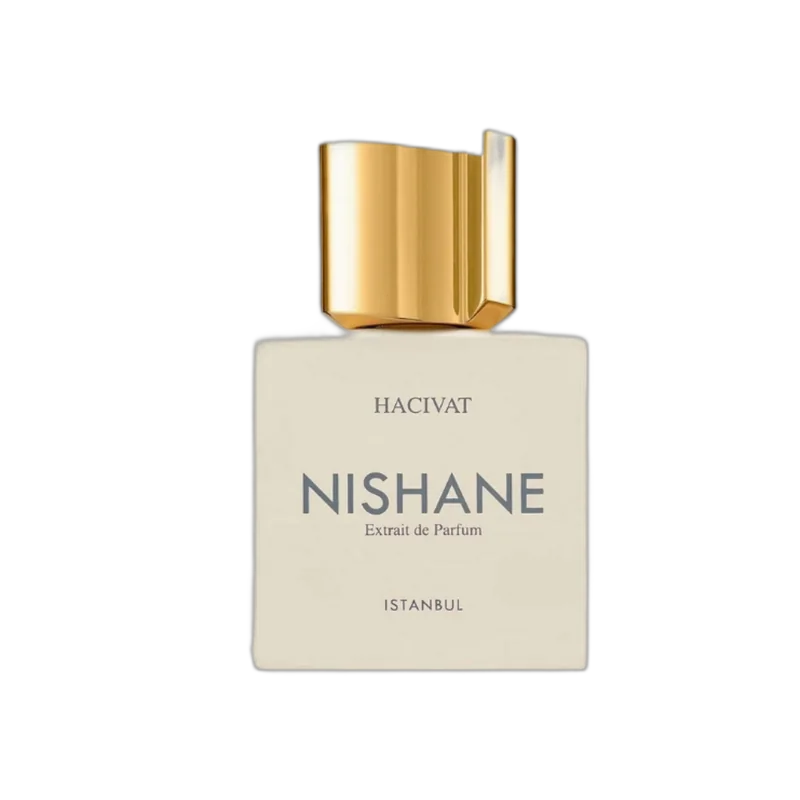
Hacivat
Nishane's 2017 pineapple-woody extrait and the Turkish house's breakout, the bottle that turned a small Istanbul niche label into a name people ask for by the pineapple. Built as an extrait de parfum, Hacivat opens on a juicy, slightly candied pineapple and bergamot before a grapefruit tartness pulls it drier, then it settles onto cedar, patchouli and oakmoss with a clean woody-moss base doing the anchoring. The comparison to Creed Aventus is unavoidable and the whole reason it sells, though Hacivat pushes the fruit further and skips the birch-smoke, so it reads brighter and fruitier where Aventus reads drier and more chypre. Performance is the argument that wins converts, projecting hard for hours and lasting most of a day on skin at a concentration few of its rivals match. The name nods to a stock character from Turkish shadow theatre, and the heavy black flacon with its embossed cap looks the part of the price. It has spawned a wall of imitators since, but the original is still the reference. For anyone chasing the smell-expensive fruity-woody idea without Creed money, this is the usual first stop.
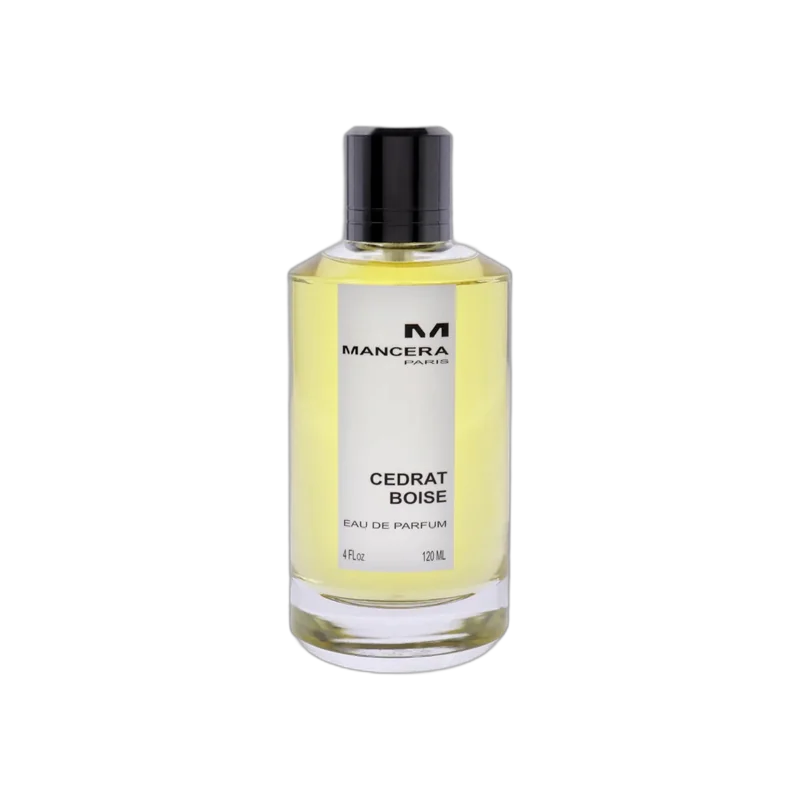
Cedrat Boise
Mancera's 2011 citrus-woody and the quiet value champion of the Aventus-alternative conversation, made by the Paris house founded in 2008 as the affordable sister line to Montale. Cédrat Boisé leads with a bright, zesty citron and bergamot over a little blackcurrant, then drops into the base that made its name, a sweet cedar and sandalwood accord smoothed with vanilla, tonka and a generous white musk. That fresh-citrus-into-sweet-woods arc lands close enough to the Aventus territory that it has been winning blind buys and forum recommendations for over a decade, usually at half the money. It skews sweeter and more musky than the Creed and loses the smoke entirely, which makes it the easier hot-weather wear of the pair. Performance is strong for a citrus, projecting well for the first hours then lasting most of a day thanks to the musky-woody base holding the freshness in place. Bottled in Mancera's signature heavy black-and-gold flacon, it wears masculine-leaning but sits close to unisex. Among a huge and confusingly named house line-up, this is the one people actually keep buying, and the price is a large part of why.
How the scent profiles compare
The same note families charted on each card above, lined up so you can see where each one leans.
How They Differ
Both sit in the fresh-fruity-woody lane that Aventus mapped out, but the DNA, the concentration and the way they wear are genuinely different.
- Hacivat — a juicy, faintly candied pineapple and bergamot up top, grapefruit pulling it drier, then cedar, patchouli and oakmoss underneath. It is fruit-forward and woody, with no smoke to speak of. As an extrait de parfum it is the more concentrated of the two, and it wears richer and closer to the skin as it dries.
- Cédrat Boisé — a zesty citron and bergamot lead over a touch of blackcurrant, dropping into sweet cedar, sandalwood, vanilla, tonka and a big white musk. Brighter and sweeter, with the woods rounded off rather than dried out. It is the fresher, more musky, more obviously easy-wearing scent of the pair.
Side by side the split is clear. Hacivat leans on real fruit density and a dry woody-moss finish; Cédrat Boisé keeps the citrus sparkling and sweetens the base. Hacivat is the one that reads as expensive and a little serious. Cédrat Boisé is the one that reads as fresh and friendly. Loudness is closer than the price gap suggests, but Hacivat's extrait concentration gives it the heavier, more tenacious drydown, while Cédrat Boisé projects brightly early then settles into a musky woody hum.
Concentration is the other real difference, and it matters more than the shared family tree. Hacivat is an extrait de parfum, which is part of why it feels so dense on skin and why its drydown clings for the better part of a day. Cédrat Boisé is built as an eau de parfum in the usual Mancera mould, so it opens louder and more radiant but leans on its musky-woody base to stay the distance rather than on sheer concentration. In practice both last well, but they get there differently. Hacivat feels like a scent that has been reduced down and thickened; Cédrat Boisé feels like a bright fresh fragrance engineered to hold on. If you like the sensation of an extrait sitting close and rich against the skin, that alone can settle it.
Seasonality is where they separate most usefully. Hacivat's density and its warmer woody-moss base make it a cooler-months and evening scent that can feel heavy in real heat, and the candied edge to its pineapple can turn a touch sticky when the temperature climbs. Cédrat Boisé, built around citrus and clean musk, is the one you reach for in an Australian summer without thinking twice, and it holds up through a hot commute where the Hacivat would start to feel like too much. If you want a single bottle for year-round wear in a warm climate, that alone often decides it. In cooler months the balance flips, and Hacivat's richness becomes the asset rather than the liability.
Worth naming the elephant in the room. Creed Aventus is the fragrance both of these get measured against, a pineapple-and-birch-smoke fruity-chypre that has been the reference masculine since 2010. Neither of these copies it exactly. Hacivat pushes the fruit and drops the smoke; Cédrat Boisé keeps the freshness and sweetens the woods. They are the two bottles people actually end up buying when they decide the Creed is not worth the money, which is why they, not Aventus, are the ones pinned here. If you want the wider field, we covered the whole category in our guide to the best Aventus alternatives.
Price & Value
This is where the two really pull apart, and where Cédrat Boisé makes its case loudest.
Hacivat sits in the premium-niche band. It is an extrait de parfum from a house that prices itself as a proper luxury niche label, so it lands well above designer money and rarely discounts hard. What you get for it is concentration, longevity and a bottle that looks and feels the part. For a lot of buyers that is the appeal, and the fact that many people rate it over Aventus at a lower price than the Creed keeps it feeling like value even at the top of this pairing. It is the sort of purchase where the badge and the density are doing as much work as the smell itself, and if that matters to you, it is money well spent rather than wasted.
Cédrat Boisé sits a full tier down, in the affordable-niche bracket Mancera built its name on. As the sister house to Montale, founded in Paris in 2008, Mancera's whole pitch is niche-grade materials and performance at a price that undercuts the establishment, and Cédrat Boisé is one of the clearest examples of it. It routinely comes in around half of what Hacivat costs and often less, which is the single biggest reason it has stayed on recommendation lists for over a decade. The performance-per-dollar is excellent, and it undercuts almost everything it competes with in the smell-fresh-and-expensive lane. The live lowest and average prices above show today's real gap for each at its most-stocked size, so you can see the current spread rather than the rule-of-thumb one, and both usually sit well under full retail across the retailers we track.
There is a nuance worth flagging on the Mancera side. The house runs a huge and sometimes bewildering line-up, with names that blur together and flankers that muddy the water, so it pays to know you are buying the original Cédrat Boisé rather than one of the adjacent releases. Once you have the right bottle, though, the value proposition is one of the strongest in the whole fresh-woody category, and it is a large part of why the fragrance keeps outlasting flashier rivals on the recommendation lists.
The honest read on value is that they win on different terms. Hacivat is the better fragrance for the money if you want density and a luxury badge and you were otherwise going to spend Aventus money anyway. Cédrat Boisé is the better fragrance for the money full stop if the number on the tag is what matters, because it delivers most of the fresh-woody impression for a fraction of the spend.
Which One to Buy
- Buy Hacivat if you want the denser, more prestige option, love a fruit-forward pineapple-woody profile, and mostly wear fragrance in cooler weather and the evening. The extrait concentration and the dry woody-moss drydown are the draw, and it is the one that most often gets called an upgrade on the thing that inspired it. For a fuller sense of where it sits in the range, our full Nishane guide puts it in house context.
- Buy Cédrat Boisé if price, freshness and hot-climate wearability lead your list. It is the easy summer daily, the safe blind buy, and the one that leaves the most money in your pocket, which is exactly why it keeps turning up as the answer to the Aventus question. It sits among a large and confusingly named Mancera line-up, so our full Mancera guide helps sort the standouts from the flankers.
If you cannot decide, weigh it by climate and budget rather than by which smells objectively better, because the two are close enough on impression that neither will disappoint. In a warm Australian setting on a designer budget, Cédrat Boisé is the sensible default. If you want the heavier, richer wear and the badge to match, and cold-weather evenings are where you will use it, Hacivat earns the extra. Sample both if you can, since the fruit-versus-citrus split reads differently on different skin and one of the two will almost certainly click harder than the other.
Compare Aventus-alternative fragrance prices across every retailer on Aurexum