
Best Acqua di Parma Fragrances
Colonia and the Idea of Italian Style
Acqua di Parma is one of those houses whose reputation rests on a single bottle. Colonia has been in continuous production since 1916, which makes it older than almost anything else on a modern shelf, and for most of its life it was a quiet insider's scent — favoured by film stars and tailors, sold in a plain yellow box, and passed along without much marketing. The house grew up in Parma in the age of Art Deco, and everything about it still trades on that idea: sunlit citrus, clean lines, and a version of Italian style that never has to announce itself as such.
The catalogue splits neatly into a few ideas, and this guide walks them in order. There is the original cologne and its warmer evening evolution; there is the Blu Mediterraneo holiday line, which bottles specific Italian coastlines and fruits; and there is the modern prestige move into oud, where the house tests what its citrus signature does against a heavier, more oriental register. Acqua di Parma has been owned by LVMH since 2001, but the in-house Italian identity has been kept intact, and the products still smell like a coherent house rather than a licensed name.
Cologne as a Genre, Briefly
It helps to understand what a cologne actually is, because it explains both the charm and the limitation of the classic Parma style. An eau de cologne in the traditional sense is a light, citrus-driven formula built around bergamot, lemon and neroli, historically worn as a fresh splash rather than a lingering perfume. That heritage is a whole subject of its own, deserving of its own deep dive, so the short version will do here.
The trade-off is baked into the genre. A true cologne is bright and clean and reads as clean citrus freshness, but citrus molecules are volatile, so these scents wear close to the skin and fade inside a few hours. That is not a fault to be fixed; it is the format working as designed. You reapply, and you accept a fragrance that flatters rather than dominates. Understanding this changes how you shop the house, because it tells you when to reach for the featherweight originals and when to reach for the heavier evening and prestige pieces instead.
The Blu Mediterraneo Holiday Idea
The other pillar of the house is Blu Mediterraneo, launched at the turn of the millennium as a set of scents built around Italian places and produce. The concept is simple and it works: each one bottles a specific slice of the coast, from the fig trees of the Amalfi cliffs to the orange groves of Capri. They are freshness-first fragrances, unisex and casual, made for heat and daylight, and they share the classic Colonia limitation of wearing close and soft rather than loud. What they offer instead is atmosphere — a genuine holiday-in-a-bottle quality that the mainline colognes, for all their pedigree, do not quite reach for.
Here are the five to know across the house, ordered from the original through its evolutions to the modern prestige piece.
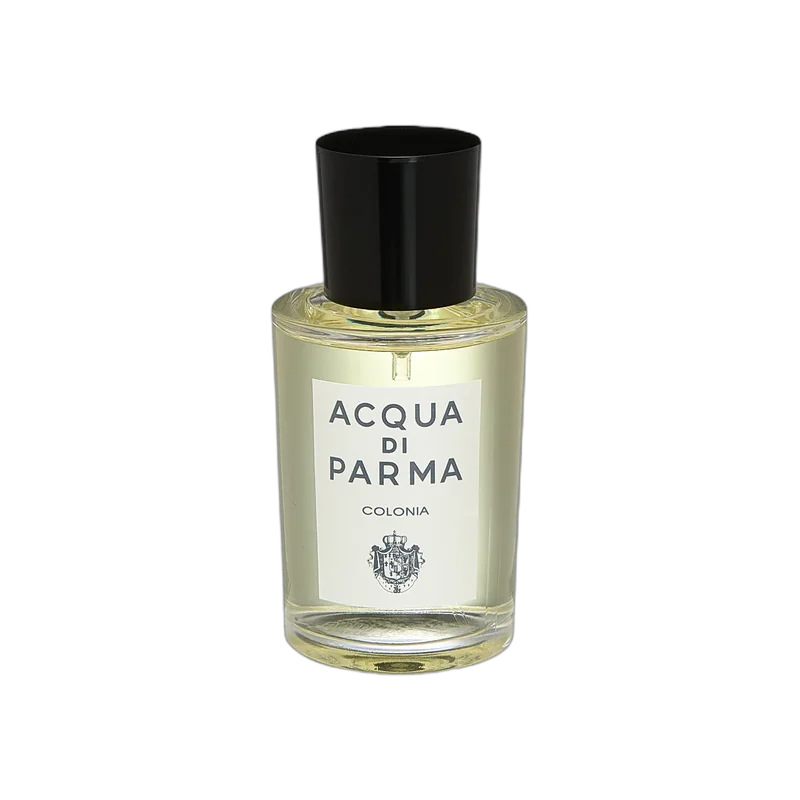
Colonia Eau De Cologne
In continuous production since 1916, Colonia is the fragrance the whole Parma house was built around and still the one to know. It is a classical Italian eau de cologne in the strict sense, a sunlit citrus top of Sicilian bergamot, lemon and sweet orange sharpened by neroli, then softened through lavender, rosemary and a little rose before drying down on light cedar, sandalwood and vetiver. Nothing here shouts. The whole point is a clean, bright, almost aristocratic freshness that reads as barbershop and old money rather than anything modern or synthetic, the sort of scent you splash on rather than dose. That restraint is also its honest flaw, because a true cologne wears close and fades inside a few hours, so you reapply and enjoy it for what it is. The Art Deco yellow packaging and the ribbed round flacon have barely changed in a century, which is much of the appeal for collectors. Now under LVMH but still made to its Italian brief, it remains the benchmark against which every warm-weather citrus on this list gets measured. If you only try one thing from the house, start with the original.
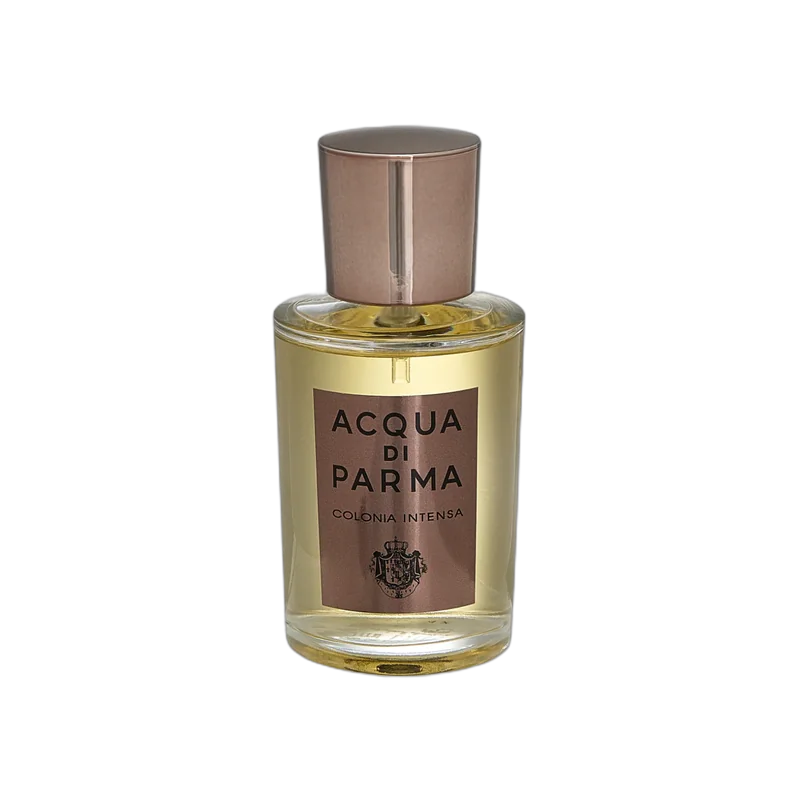
Colonia Intensa Eau De Cologne
Where the original Colonia keeps its distance, Colonia Intensa from 2007 leans in and stays. The house took its 1916 citrus signature and pushed it somewhere darker and drier, opening on the same bergamot and lemon but folding in bitter Sicilian myrtle and cardamom before a base of leather, patchouli and white musk gives it real grip. The result is recognisably the same family and a completely different mood, an evening cologne rather than a morning splash, warmer and more resinous where the classic is airy and cool. It reads more masculine than the original too, and it holds onto the skin for far longer, which answers the one complaint people always level at a traditional cologne. Think of it as Colonia dressed for dinner instead of the piazza at noon. It sits at the top of the core Colonia range and makes the most sense in cooler weather or after dark, when the leather and myrtle have room to work. For anyone who loves the house citrus but wants something with staying power and shadow, this is the natural step up.
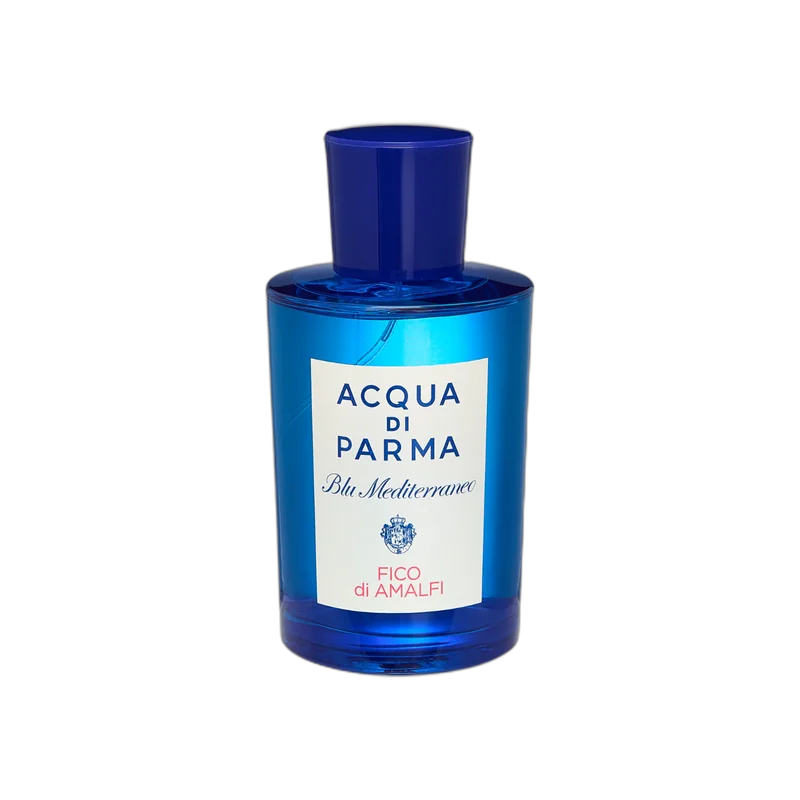
Fico Di Amalfi
Fig is the material almost no house gets right, and Fico di Amalfi is one of the few that does. Released in 2006 as part of Acqua di Parma's Blu Mediterraneo line, it captures a fig tree on the Amalfi coast whole, not just the fruit. Bergamot and citron open it bright and green, then the heart turns to fig nectar and the milky, slightly bitter smell of fig leaves and sap, before cedar and a soft musk ground the drydown. What makes it convincing is that green, leafy edge, the sense of standing under the tree rather than eating the fruit, which keeps it from going sweet or gourmand the way lesser fig scents do. It wears light and unisex and belongs to summer, an easy holiday scent that suits heat and daylight and never asks for attention. Like the rest of Blu Mediterraneo it favours freshness over longevity, so it stays close and fades gracefully across an afternoon. In its bright turquoise bottle it is the pick for anyone who wants a green Mediterranean fig with the house's clean, unfussy hand behind it.
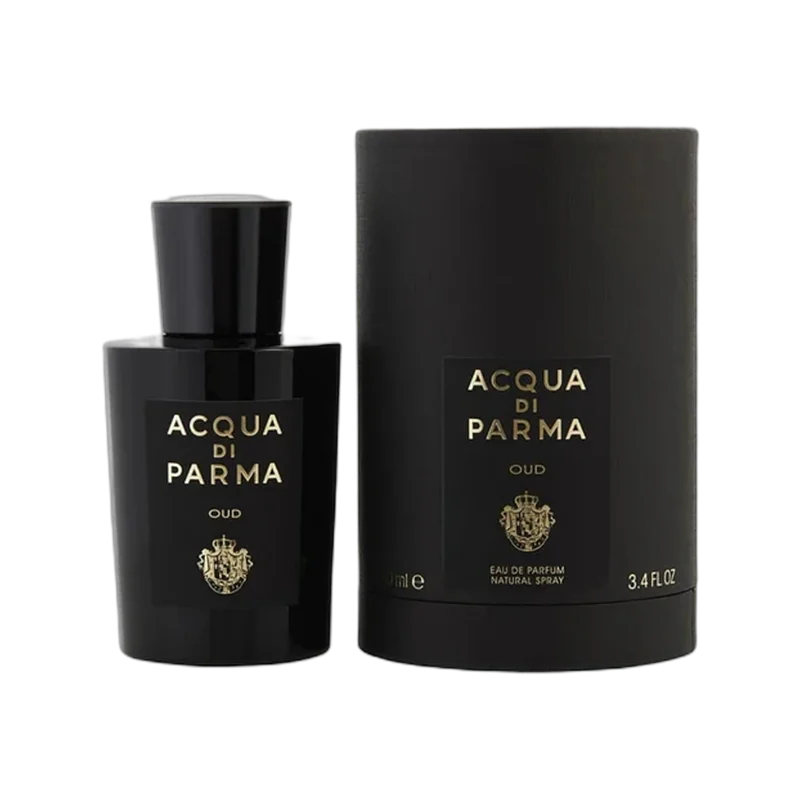
Oud Eau De Parfum
Released in 2019, Oud is where Acqua di Parma steps away from Mediterranean sunlight entirely and into the house's prestige tier. Built as the house's move into serious oriental territory, it pairs a smooth, well-mannered oud with the citrus DNA that runs through everything Parma makes, so bergamot and a little saffron lift an accord of oud, guaiac wood, amber and leather. This is a Western, wearable reading of oud rather than a raw Middle Eastern one, smooth and slightly sweet, more woody amber with an oud heart than anything medicinal or barnyard, which makes it a sane starting point for people curious about the note. It runs richer and longer than the colognes above by a wide margin, a proper cold-weather and evening scent that projects and lasts the way the classics deliberately do not. Housed in the darker prestige bottle rather than the yellow or turquoise of the mainline, it sits at the top of the house on price. It is the departure piece here, the answer to what an Italian citrus house does when it turns its hand to oud, and it does it with polish.
The Colonias: Original and Intensa
Start with the two core colognes, because they are the house at its purest. Colonia is the 1916 original and the reference point for everything else, a classical citrus of bergamot, lemon and neroli over light woods that wears as clean, bright, almost barbershop freshness. It is the one to try first, and it is the one that best rewards understanding cologne as a format — splash it on, enjoy the sunlit opening, and reapply without complaint.
Colonia Intensa is the same signature grown up and dressed for evening. It keeps the citrus top but drives it somewhere darker with myrtle, cardamom, leather and patchouli, which gives it the staying power the original deliberately lacks. If the classic is the piazza at noon, the Intensa is dinner after dark. It skews more masculine and suits cooler weather, and it is the obvious pick for anyone who loves the house citrus but wants something with grip. The full story of how these two relate — and where the more concentrated editions fit — sits in our dedicated Colonia vs Intensa vs Essenza breakdown, which is the place to go if you are choosing between them.
Blu Mediterraneo: Fig and Orange
The holiday line is where the house is at its most immediately likeable, and the two here bookend its range nicely. Fico di Amalfi is the green, leafy one, a fig scent that captures the whole tree — nectar, milky leaves and sap — rather than just the sweet fruit, kept fresh by citrus and grounded on soft cedar. It is the more grown-up and less obvious of the pair, the pick for anyone who wants a fig that reads as a Mediterranean garden rather than a dessert.
Arancia di Capri is the crowd-pleaser and the easier love. It is orange done as a whole basket, blood orange and mandarin over cardamom, juicy and sweet-tart and genuinely cheerful. Where the fig is atmospheric and slightly bitter, the orange is sunny and uncomplicated, and it is the natural entry point to the whole line. Both wear unisex and casual, both belong to heat and daylight, and both trade longevity for freshness — you get atmosphere, not projection, and you reapply. If you love this bright, juicy register, our guide to the best citrus fragrances puts them in wider company.
The Prestige Move: Oud
Oud is the outlier and the most serious bottle on this list. It belongs to the house's prestige tier, and it is Acqua di Parma answering a simple question — what does an Italian citrus house do when it turns its hand to oud. The answer is a Western, wearable reading of the note: a smooth oud wrapped in guaiac wood, amber and leather, lifted by the bergamot and saffron that keep it recognisably Parma. It is smooth and slightly sweet rather than raw or medicinal, which makes it a sane first oud for anyone curious about the note.
It also breaks the house's freshness rule entirely. Where the colognes and Blu Mediterraneo scents wear close and fade fast by design, Oud projects and lasts, a proper cold-weather and evening fragrance built to fill a room. It sits at the top of the house on price, and it is best thought of not as an everyday scent but as the piece you reach for when you want the house's polish applied to something heavier and darker.
How to Choose
Choose by weather and by moment, because this house spans two very different registers. If you want the classic Parma experience — bright, clean, citrus-led Italian freshness — start with Colonia and understand you are buying a splash, not a projector. For summer and holidays, the Blu Mediterraneo pair are the answer: Arancia di Capri if you want cheerful and juicy, Fico di Amalfi if you want green and grown-up. Both wear casual and unisex and both reward reapplication.
When the weather turns or the evening calls for something with more presence, step up to Colonia Intensa, which gives you the house citrus with leather, spice and real staying power. And if you want depth and projection above all, Oud is the prestige pick, the one bottle here that lasts and fills a room. Across the range the honest note is that the classic colognes and Blu Mediterraneo scents wear light on purpose, so sample before you judge them by longevity — that softness is the point, not a defect. Live lowest and average prices from our data usually land these well under full retail, which makes the house an easy one to explore rather than commit to blind.
Compare Acqua di Parma prices across every retailer on Aurexum