
Best Citrus Fragrances
What Citrus Actually Is
Ask someone to picture a citrus fragrance and they will probably imagine something light, fresh and gone by lunchtime. That is an accurate description of one corner of the family. It is not the whole story.
Citrus in perfumery is a material category, not a style. Bergamot, lemon, mandarin, neroli, grapefruit, cedrat and yuzu are all citrus materials, but they behave differently in a formula and they land differently on skin. Bergamot is the workhorse — cool, aromatic, slightly floral — and it appears in the opening of almost every fragrance ever made. Mandarin is warmer and rounder. Neroli, derived from orange blossom, is creamy and slightly medicinal, a floral-citrus hybrid that holds much longer than lemon. Cedrat, the Corsican citron, is resinous and oily enough that perfumers use it as a structural material rather than a fleeting top note.
That distinction matters because "citrus fragrance" can mean a sparkling eau that evaporates in ninety minutes or a citrus-woody that wears for eight hours. This list covers both, grouped by what they actually do on skin.
A brief note on what this post is not: if you are after recommendations tied to a specific holiday or occasion, the posts on summer colognes and beach scents take that angle. This one is about the materials and how they behave.
The Longevity Problem (And How It Gets Solved)
It is worth being direct about this before picking any citrus fragrance. The most commonly cited flaw in the family — that it disappears within an hour — is real, and it has a structural cause. Citrus molecules are among the smallest and most volatile in perfumery. They lift quickly and are designed to lift quickly, providing brightness and energy in the first minutes of wear. They are also difficult to encapsulate in a way that releases slowly, so the fixatives that extend florals and ambers are less effective here.
The sparkling picks on this list wear exactly as described: thirty to ninety minutes of genuine presence, then a soft woody or musky dry-down that is pleasant but no longer reads as citrus. That is not a defect in those formulas. It is what they are. The way to work with them is to carry the bottle and reapply, or to apply generously to fabric as well as skin, which holds the molecules better and extends the character considerably.
The citrus-woody picks — Cedrat Boisé and Terre d'Hermès — solve the problem differently. Both anchor the citrus material in a resinous or mineral base that extends the character, and both project credibly for four or five hours without needing a refresh. The trade-off is that they smell less like fresh citrus and more like a woody fragrance with a citrus dimension than a citrus fragrance with a woody base. Whether that is a trade-off or a feature depends on what you are looking for.
Sparkling Everyday Citrus
This group is the pure expression of what most people imagine when they think of citrus fragrance. All three open bright, project cleanly in the first hour and resolve into soft, easy dry-downs.
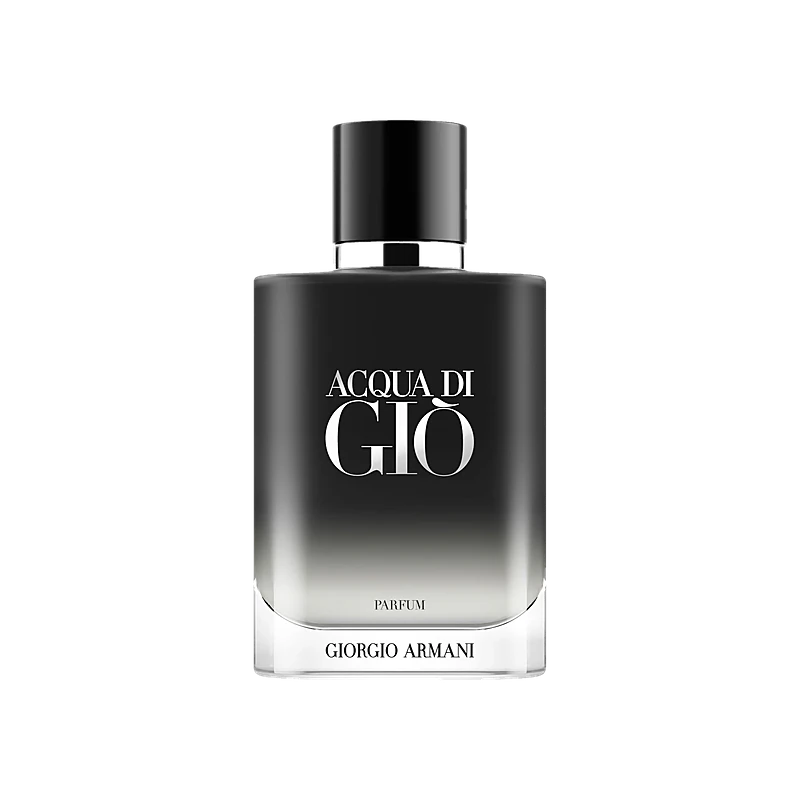
Acqua Di Gio
Giorgio Armani released Acqua di Gio in 1995 and the house has not had to explain it since. Alberto Morillas composed it at IFF around a brief that was almost defiantly simple: the Mediterranean coast rendered as smell, fresh and mineral and warm all at once. Bergamot, neroli and a green citrus accord open it, then a watery jasmine and rosemary heart gives way to cedarwood, labdanum and a salt-tinged musk that reads as warm skin rather than a dry-down. The aquatic angle is subtler than the era's other marine releases, more about mineral freshness than the synthetic seaweed blast that defined Cool Water and its heirs. It is an EDT that projects cleanly for two to three hours then retreats to a close skin scent that can run most of a day, a common complaint for citrus-aquatic formulas and no reason to avoid it. Since its launch it has become a reference point for the genre, cloned more often than almost any other designer fragrance and still outselling most of them. Reformulation has trimmed the projection of modern batches compared to mid-nineties stock, though the character is intact. At its live price it remains one of the most cost-effective entries to quality fresh-citrus at designer scale.
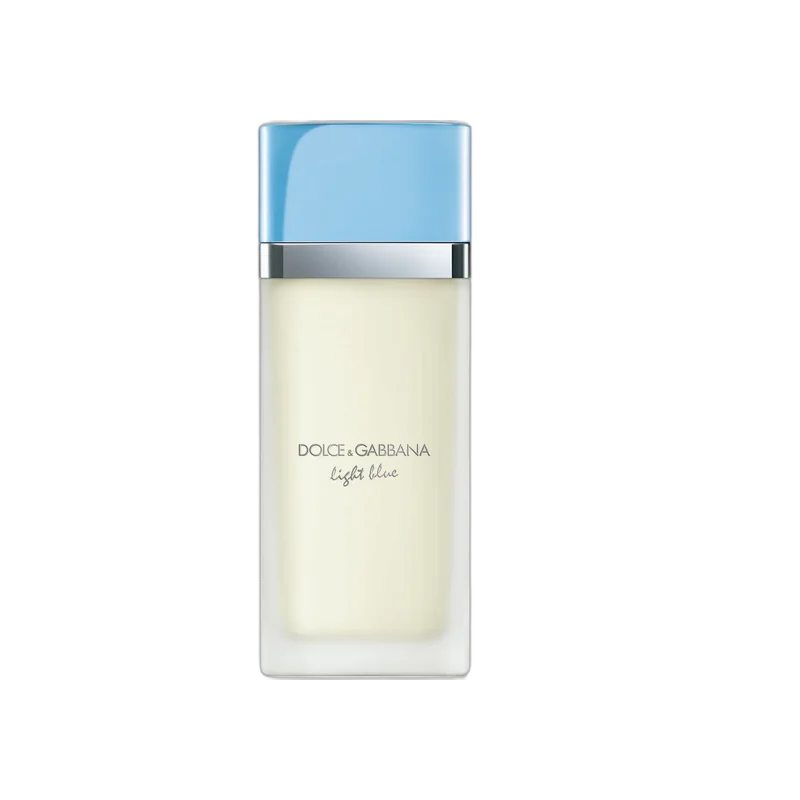
Light Blue Eau De Toilette
Dolce & Gabbana's 2001 Light Blue is the Sicilian summer encoded as a fragrance, and it has been the brand's bestseller for most of the two decades since. Olivier Cresp built it at Firmenich around Sicilian lemon and Granny Smith apple, the combination that gives it the sharp, almost tart opening almost everyone recognises. Bamboo, jasmine and white rose form the heart, keeping it feminine without veering into heavy floral territory, and the dry-down is cedar, amber and musk, clean rather than sweet. The citrus heart burns off in the first hour, which is characteristic of the lemon-forward family, and what remains is a soft transparent woody-floral that wears close to the skin and is easy to layer. The campaign photography, consistently glossy Sicilian cliffside imagery that makes the brief clear, has been central to its long commercial run. It reads feminine but wears well regardless of gender. For anyone after a citrus-led feminine that stays light and works year-round rather than just in summer, Light Blue is the obvious reference and the price at volume retailers is usually well below recommended retail.
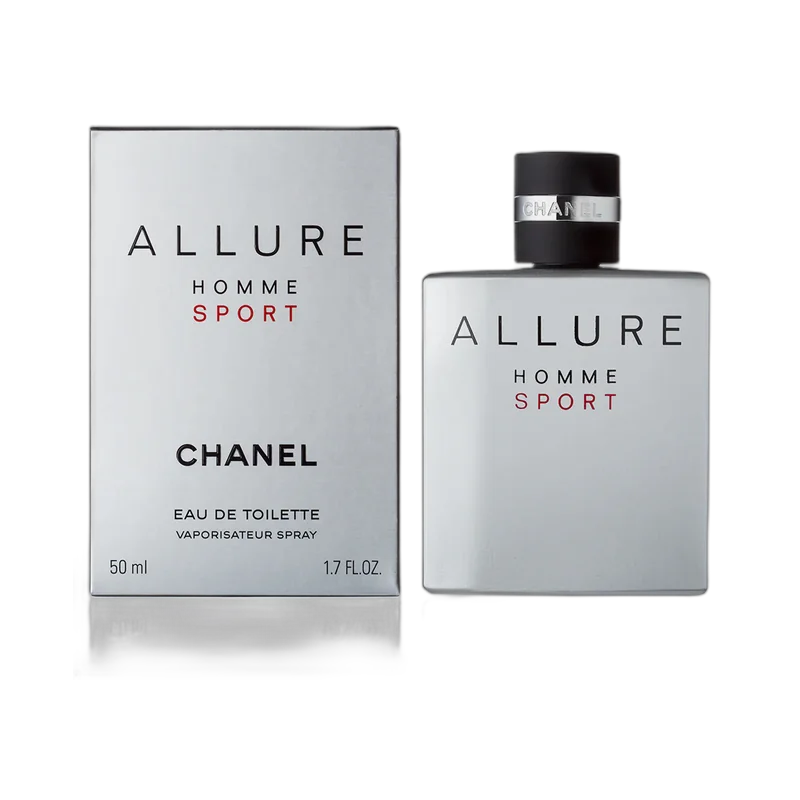
Allure Homme Sport Eau De Toilette
Allure Homme Sport arrived in 2004 as Chanel's athletic flanker to the 1999 Allure Homme. It opens on a burst of mandarin, blood orange and a green marine freshness that reads more textured than the usual sporty-fresh formula, somewhere between a classic citrus cologne and a woody fresh. The heart brings in cedar, pepper and neroli, giving it more structure than the citrus-aquatic picks around it, and the base of vetiver, white musk and tonka adds a warm dry-down that extends wear. The trade-off is that the citrus character, while present throughout, becomes supporting rather than starring by the mid-stage, at which point this wears closer to a warm fresh-woody than a straight citrus. It is an EDT that projects moderately for a few hours and lasts well for the concentration, better than the lighter picks on this list. The metal cap, navy glass and sport-coded name placed it in the office-to-gym axis where it has stayed ever since. For a citrus-led scent with enough structure and staying power to function as a genuine signature rather than a pre-shower cologne, this is the pick in the sparkling group.
Acqua di Gio is the anchor because it established many of the conventions the others follow. Its bergamot-and-neroli opening over a mineral aquatic heart remains the template for Italian fresh-citrus, and its reformulation history has trimmed projection but left the structure intact. Light Blue takes a sharper angle, Sicilian lemon and green apple cutting the warmth and giving it the tart, high-acidity opening that made it a fixture in its category. Allure Homme Sport is the most structured of the three, building citrus over cedar and pepper in a way that gives it a woody persistence the pure citrus picks cannot match.
All three are moderate performers by the standards of their respective concentration levels, which is consistent with the family. None of them are longevity champions, and none of them need to be. They are suited to daily wear and refresh well.
Neroli and the Italian Orchard
Moving from straight sparkling citrus into its more complex variants: Dior Homme Cologne, Neroli Sauvage and Acqua di Parma's Mandarino di Sicilia each treat the citrus note with more care and specificity than the first group, focusing on particular materials rather than a generic fresh accord.
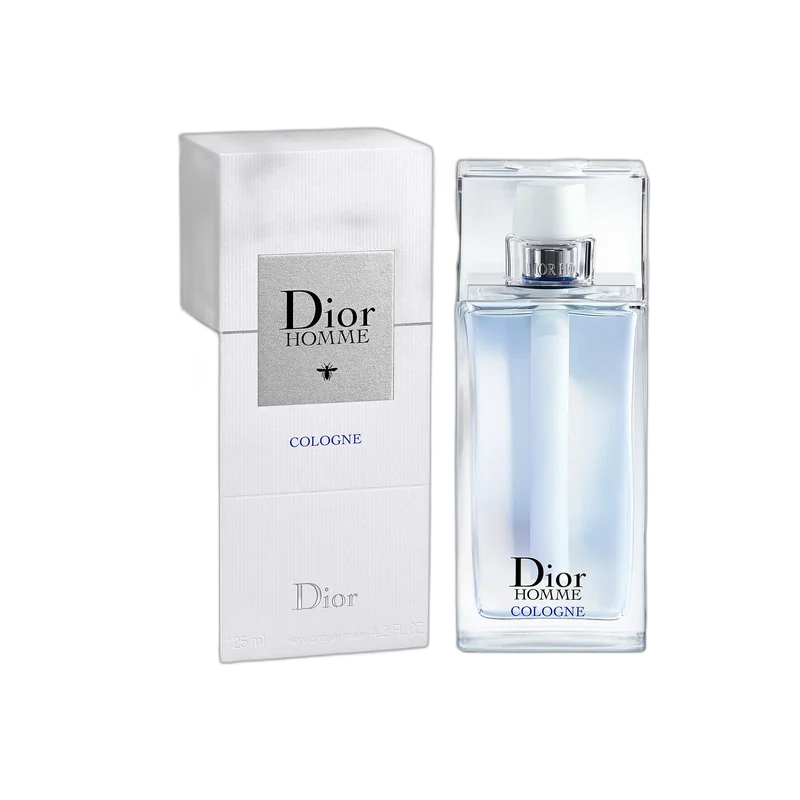
Dior Homme Cologne 2007
François Demachy composed Dior Homme Cologne in 2007 as an in-house Dior creation, and it is one of the purest expressions of the bergamot-neroli pairing in the designer canon. It opens on a clean, almost soapy bergamot accord with a soft neroli underneath, and that is largely what it stays: an iris-tinged freshness that reads as a laundered shirt dried in cool air. The abstraction is the point. Where most citrus colognes try to evoke a place or a fruit, Dior Homme Cologne is after a sensation, the slight powdery cleanness of fresh fabric, and Demachy delivers it with unusual precision. The iris note ties it to the original Dior Homme lineage, which gives it a character the purely fruit-forward picks above do not have. As a cologne concentration it is the most fleeting entry on this list, projecting for an hour or two before becoming a faint skin warmth. The honest approach is to treat it as a pre-event or post-shower splash rather than an all-day scent. The concentration is chosen deliberately, and at its live price it is one of the cheaper routes into a genuinely well-composed fresh citrus.
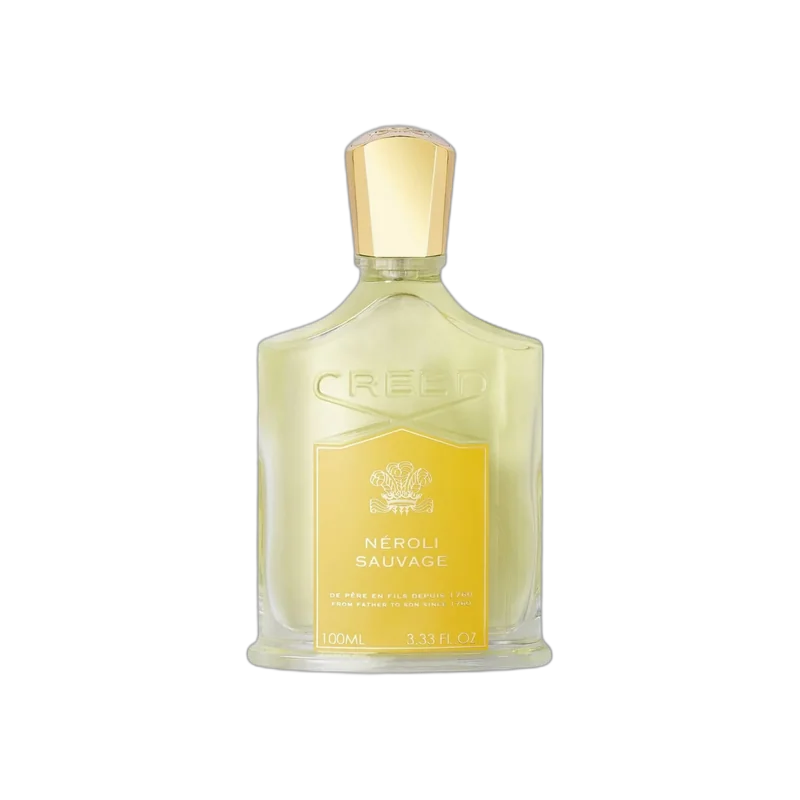
Neroli Sauvage
Creed's Neroli Sauvage dates from 1994, though the house tends to describe it as part of a lineage stretching back considerably further through its archive. The focal material is orange blossom neroli, here treated not as a light floral top note to be burned off in the opening but as the structural centre of the composition. Citrus, bergamot and petitgrain frame it, then a woody-musky base of sandalwood, musks and cedar gives it enough substance to last past the first hour. The result reads as a clean, almost medicinal citrus floral, the neroli carrying a slight bitterness alongside its honey-and-orange sweetness that separates it from simpler citrus-fresh formulas. It is clearly built with the neroli obsessive in mind rather than the general fresh-citrus shopper, so if the idea of a prominent single material appeals, this is the list's most focused expression of one. Performance is what you would expect from Creed in EDT form: moderate projection for a few hours, good skin-scent longevity for the genre. It sits at the niche end of this list in price, and the live price across the retailers we track is the best guide to current value. For neroli as a primary study rather than a supporting note, nothing here comes closer.
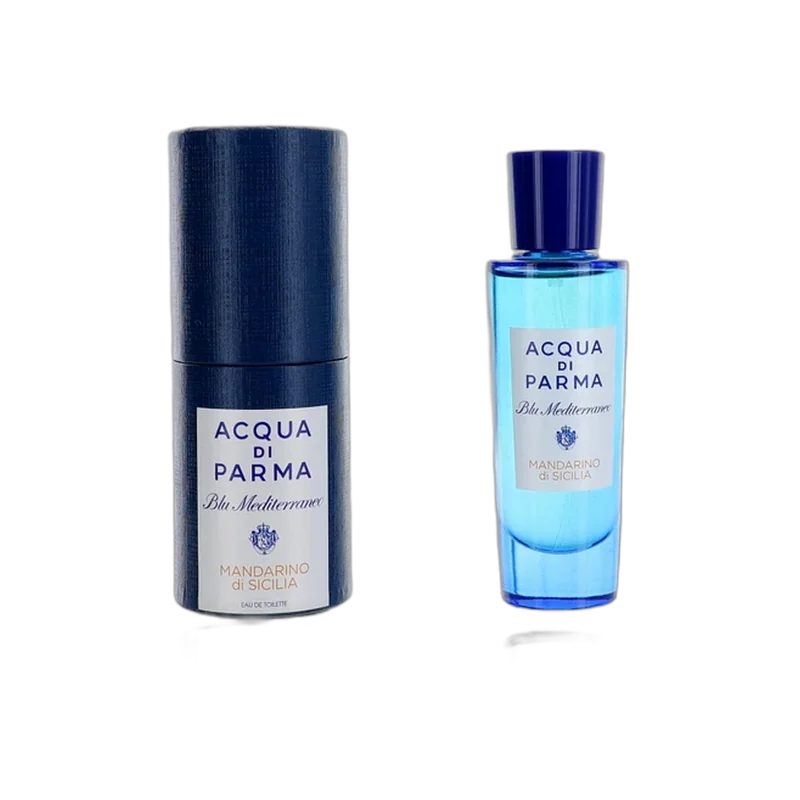
Mandarino Di Sicilia
Acqua di Parma's Mandarino di Sicilia launched in 2024 as part of the Italian house's Colonia series, and it takes a different angle on the mandarin note than the sparkling-fresh approach that dominates the category. The composition, developed in-house at the Parma house with input from its longstanding perfumers, reads as a slightly fizzy, slightly sweet mandarin soda over green citrus and neroli, the whole opening bright and almost edible in the way the best Italian citrus colognes manage. The heart settles into a soft woody musk with vetiver and cedar holding the base, and the transition is gradual rather than abrupt, which gives the mandarin character more staying power than a pure cologne would. It wears as a warm-weather, daytime fragrance with enough composure to function in a professional setting, which is the sweet spot the Colonia line has always occupied. Acqua di Parma sits under the LVMH umbrella and trades at the premium designer level, meaning the bottle and packaging are immaculate and the price reflects it. For Italian mandarin treated with restraint and a clean carbonated freshness rather than the usual generic citrus accord, this is the most current option on the list and worth finding at its live price.
Dior Homme Cologne is the bergamot-neroli pairing at its most precise and most restrained, a cologne that smells deliberately clean rather than fruity. It is also the most fleeting of the three, and the most honest about being a refreshing spray rather than an all-day scent. Neroli Sauvage is the list's purest neroli study, Creed's take on the material as a structural centre rather than a header ingredient, and the one for anyone who wants a single material explored at depth. Acqua di Parma's Mandarino di Sicilia goes in a different direction, treating mandarin as something warm and slightly fizzy, the Italian citrus soda approach that the Colonia line has made its territory.
These three reward sampling before buying, more than the first group, because their individual characters are more specific and therefore more divisible. The Creed in particular sits at a price where a decant makes more sense than a blind buy.
Citrus That Lasts
The final two picks are where citrus and woody fragrance overlap, and where the longevity gap closes.
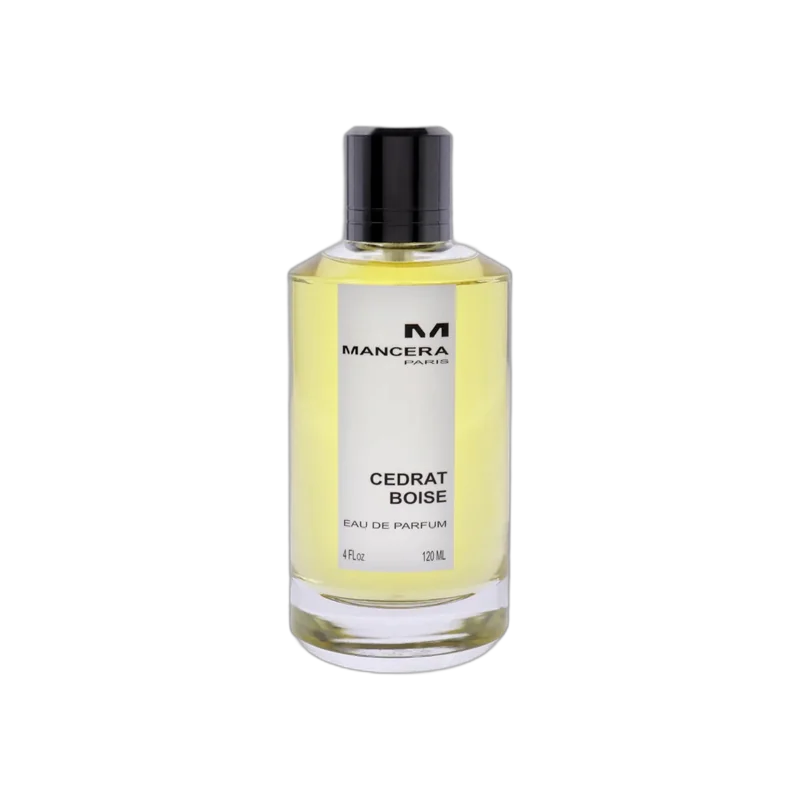
Cedrat Boise
Mancera's 2011 Cedrat Boisé is the list's answer to the longevity question, built to solve the citrus genre's fundamental problem. Where bergamot and lemon formulas burn off in an hour or two and leave nothing behind, the Paris niche house used cedrat, the Corsican citron that runs sharper and more resinous than a standard lemon, and packed the base with vetiver, patchouli, sandalwood and a layer of musks thick enough to carry the citrus character through the full wear. The result projects a woody-citrus accord for four or five hours on skin, extending to the better part of a day on fabric, numbers that genuinely distinguish it from the rest of this list. It opens with an intense, almost oily cedrat burst over a violet-leaf freshness, and the bergamot keeps it from reading too green or woody-heavy before the base takes over. Cedrat Boisé is the most versatile pick here by season: it wears well in heat but carries through to cooler months without the fade that afflicts purer citrus formulas. It is one of the most heavily stocked niche bottles we track, so the live price is competitive and often a meaningful discount from the boutique rate. For anyone who wants citrus as a signature rather than a fleeting fresh-air opener, this is where to start.
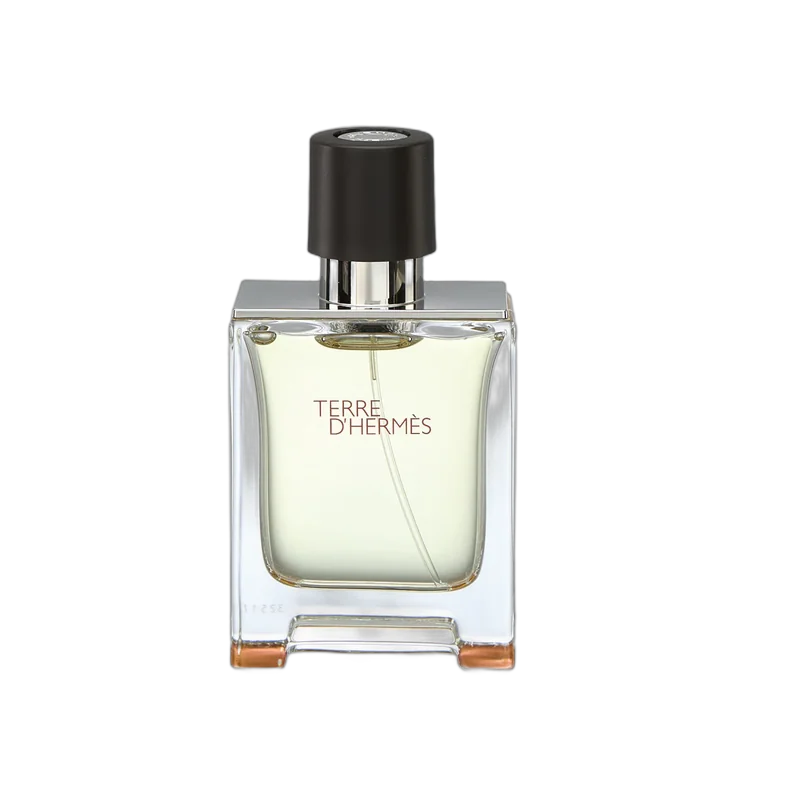
Terre Dhermes Eau De Toilette
Jean-Claude Ellena composed Terre d'Hermès for the house in 2006, and it represents the furthest citrus travels from where it started on this list. The focal material is Ellena's orange-and-flint accord, a synthetic mineral dryness that frames orange rather than simply delivering it, the difference between tasting fruit and standing near the soil it grew from. Grapefruit and a blood orange note open it with brightness, then ISO E Super and a cedar-vetiver structure pull it into woody-mineral territory, and the final dry-down reads almost chalky and dry in the best sense. The result wears as a citrus-woody rather than a citrus-fresh, which means it belongs in a different mental category to Acqua di Gio or Light Blue despite sharing the opening material family. Performance is considerably better than the sparkling picks: three to four hours of good projection and a dry woody skin scent that lasts most of a day. Ellena built it as a reflection on masculine work, the earth, the maker and the raw material, a brief the house documented in a book at launch. It is the most conceptually distinct fragrance here. For anyone who has grown past the everyday citrus-fresh and wants a woody, mineral interpretation of orange, Terre d'Hermès is where to look.
Cedrat Boisé is the more commercial of the two, built explicitly to deliver citrus performance by rooting it in a heavy vetiver-patchouli base. The formula is not subtle about what it is doing but the execution is effective, and the result is one of the few genuinely citrus-coded fragrances that projects for hours rather than minutes. It is heavily stocked across the retailers we track, and the live price is usually the best available argument for its value tier.
Terre d'Hermès is the more considered work, Ellena's attempt to make orange-and-flint into a material concept rather than a refreshment. It reads as a woody-mineral fragrance that happens to start with grapefruit rather than a citrus fragrance that happens to dry down woody, which is a meaningful distinction in how it wears and who it suits. It is less approachable and considerably more interesting.
How to Choose
Start with what you are actually going to use it for. If you want a fragrance to refresh with in the morning and again after lunch, the sparkling picks are the right match and the live prices on the well-stocked bottles represent genuine value. If you want a citrus that pulls duty as a proper daily signature, apply on fabric as well as skin and look at Allure Homme Sport or Cedrat Boisé for the extended character.
If the brief is a grown-up citrus rather than a fresh one — something for an office setting or a versatile year-round scent — Terre d'Hermès is where to look, and Dior Homme Cologne is the lighter version of that same restraint. For anyone specific to neroli as a note rather than citrus generally, Neroli Sauvage and Mandarino di Sicilia are the material-focused picks, best sampled before committing to a full bottle.
The common mistake with this family is expecting longevity that the material cannot provide, then concluding the fragrance is low quality. The sparkling picks here are well-made; they are just doing what citrus does. Match your expectations to the material, or choose the citrus-woody picks and manage a different set of trade-offs.
Compare citrus fragrance prices across every retailer on Aurexum