
Best Aldehyde Fragrances
What Aldehydes Actually Smell Like
Aldehydes are a class of organic molecules that sit at the base of many synthetic fragrance materials, and their smell is genuinely difficult to describe in isolation. Depending on which molecule and at what concentration, they can suggest soapy linen straight from a hot iron, the waxy smell of a snuffed candle, champagne fizz, or a cold metallic brightness that sits above the top notes of a fragrance like a lit haze. None of those descriptors is wrong, and none fully captures it. What they share is a quality of abstraction, a sense that you are smelling something constructed rather than something plucked from the garden, which is exactly why perfumers in the early twentieth century reached for them.
The most commonly encountered aldehyde molecules in fine fragrance are C-11 (the one that reads most clearly as waxy and metallic) and C-12 (which leans soapy and clean, closer to laundry and cool water). Longer-chain aldehydes tend to read as more fatty or animalic, and perfumers blend them in different ratios to produce different effects. A low dose gives a fragrance its characteristic soapy shimmer without making it legible as aldehydic; a high dose makes the fizz unmistakable and becomes the signature.
In low concentrations, aldehydes are everywhere in modern fragrance — they add luminosity to florals and brightness to citrus openings without announcing themselves. What separates an overtly "aldehydic" fragrance is a deliberate overdose, enough of the material that the fizzing, waxy quality becomes the point rather than a supporting player.
The Overdose Legend and Why It Changed Everything
The story most commonly told about aldehyde fragrance is that Chanel No 5's distinctive character came from a laboratory accident — a small miscalculation that tripled the aldehyde dose in the sample presented to Gabrielle Chanel. She picked it, and perfumery was never the same. Like most good origin stories, this one is partly legend: the perfumer behind it was classically trained and knew exactly what these materials did, and attributing the greatest-selling fragrance in history to a mishap flattens a genuinely complex creative act. Present the story as the myth it has become.
What is not a myth is the effect. The great aldehyde florals of the 1920s and 1930s — No 5, Arpège, Chanel No 22, Joy — were heard as shockingly abstract by the noses of the day. Florals up to that point were largely constructed to smell like flowers, the way soliflores had always worked. The perfumers of that era used aldehydes to make florals smell like the idea of a flower, something radiant and constructed and frankly artificial. That shift is the foundation of modern perfumery's willingness to work in abstractions.
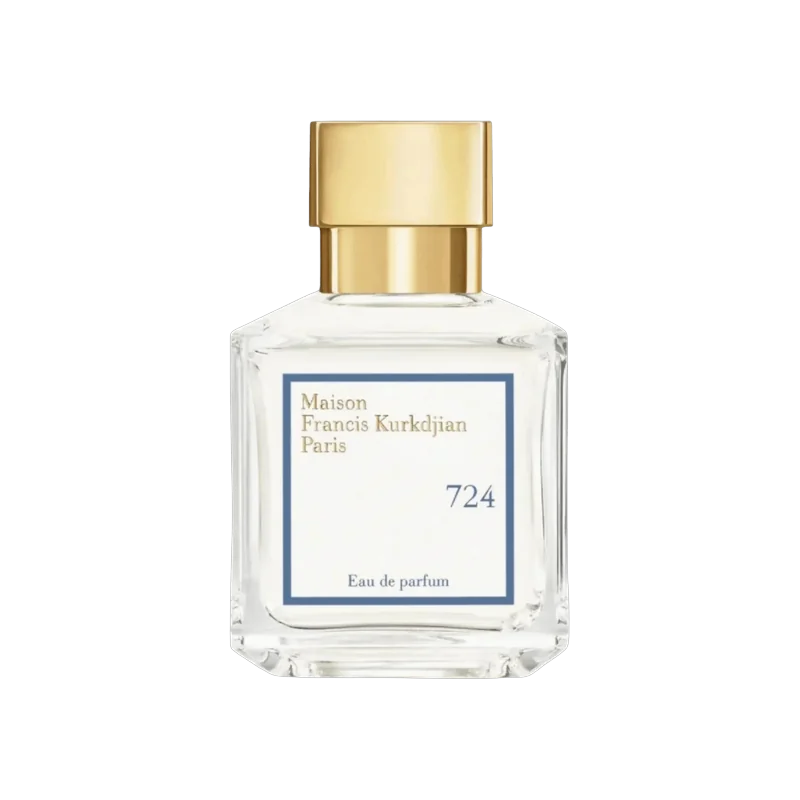
724 Eau De Parfum
Maison Francis Kurkdjian's 2022 exercise in stripping aldehydes back to something clean and purely luminous, composed by Francis Kurkdjian himself. Where the great mid-century aldehyde bombs leaned into wax and powder and a kind of starched-collar formality, 724 turns the same materials into something airy and architectural. The name is a map co-ordinate for Paris, and the scent reads like early-morning city light rather than a ballroom: neroli and white musk surround the aldehydes so the fizz reads as skin warmth rather than soapy vintage, with a pale woody amber underneath keeping it from floating away entirely. The projection is moderate and controlled, a close but persistent halo that lasts a solid day without ever announcing itself. Kurkdjian has spent much of his career reworking aldehyde-adjacent materials into a contemporary key, and 724 is the clearest statement of that project. A fragrance that lets non-enthusiasts wear something genuinely abstract without the period-costume weight of the classics, it sits in a quiet space the big heritage houses have not quite managed to occupy. The bottle is understated and geometric, very much the MFK house line rather than a special project, which keeps it priced within reach of the mid-designer range.
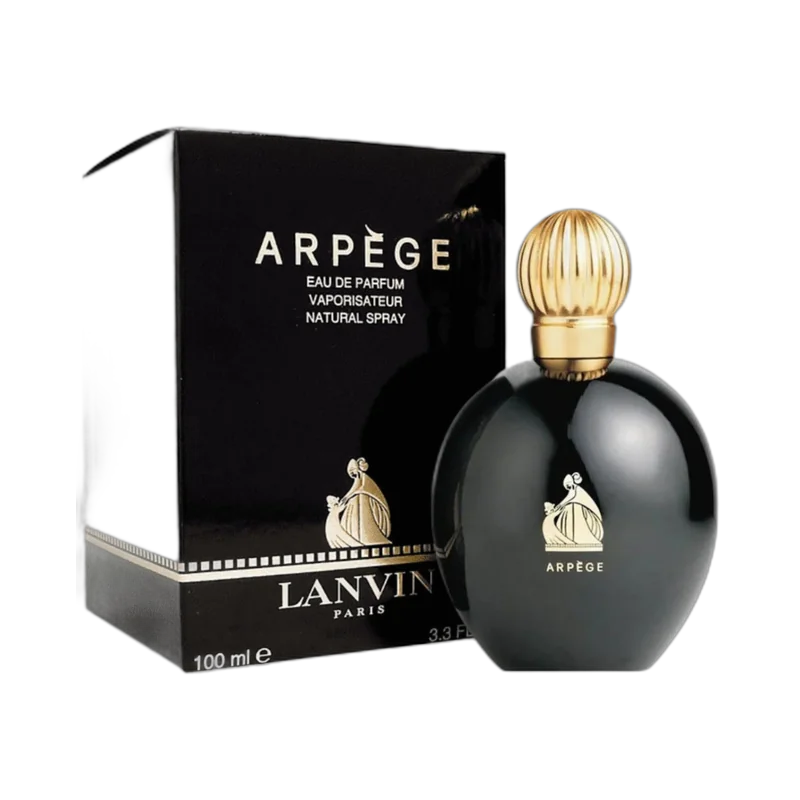
Arpege L Eau De Parfum
Dating from 1927, Lanvin's Arpège is the archetypal aldehydic floral and the one most perfumers cite when they want to show what the genre did at its height. It was built for the house around a white-floral heart of rose, jasmine and lily of the valley, lifted on a cushion of soapy, effervescent aldehydes and dried down over warm sandalwood and vetiver. The aldehyde lift here is generous and immediate, giving the heart a bright, almost sparkling quality that keeps the florals from sitting heavy — a deliberate abstraction of the way flowers smell rather than a naturalistic copy. The current interpretation carries that lineage faithfully, keeping the aldehydic signature bright while the heart opens with a gardenia-tinged warmth that grounds the fizz. Projection is moderate and the dry-down lasts well, settling into a soft, faintly powdery skin scent that rewards wearing close. The black sphere flacon, one of the most recognisable bottles in fragrance history, was designed to suggest a mother's love, the emotional brief behind the original launch. Arpège sits at the affordable end of the designer tier and is well stocked, making it the most accessible entry point to classic aldehydic style among the fragrances we track.
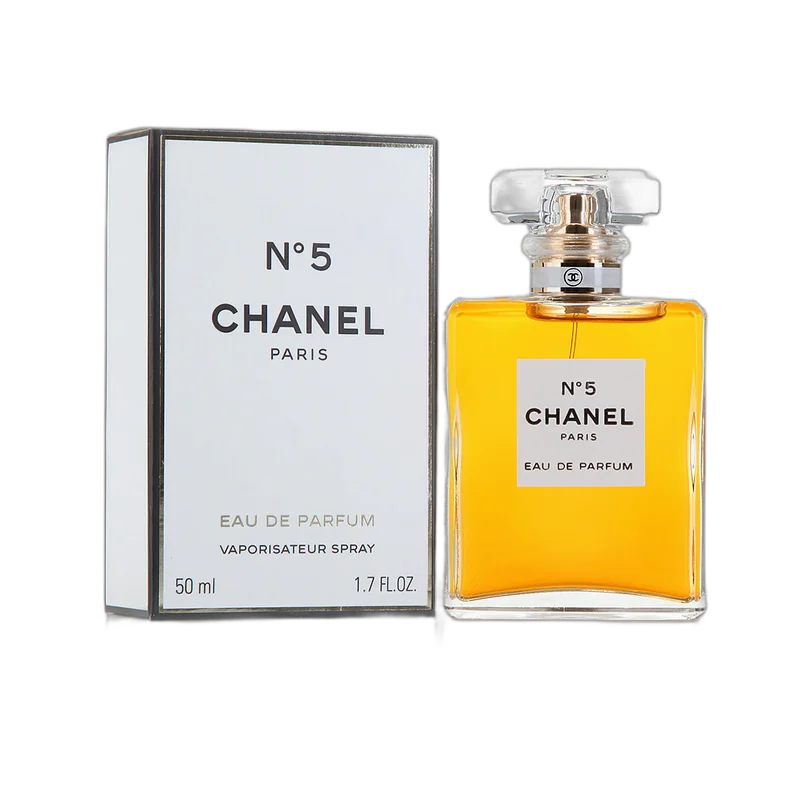
No 5 Eau De Parfum
Chanel's No 5 in its 1986 EDP form is where the aldehyde reference and the modern wardrobe meet. The famous legend holds that an accidental overdose of C-11 and C-12 aldehydes during the 1921 trials produced the abstract, almost metallic fizz that made it revolutionary — though perfumers and historians still debate how much was accident and how much was intention, so it is best taken as a good story. The EDP leans richer and warmer than the original EDT, its rose-and-jasmine floral heart sitting deeper in the composition, with the aldehydes now reading more like candlelit wax than cold champagne. Iris and civet in the dry-down give it a powdery, skin-close character that the lighter concentrations do not have. Performance is long and close rather than projecting, settling quickly into a second-skin warmth that lasts a day with ease. It has been remade, reformulated and revisited across a century and still frames how the industry talks about abstract florals. That longevity reflects both the composition's authority and its continued wearability as a cool-weather evening fragrance rather than a period piece.
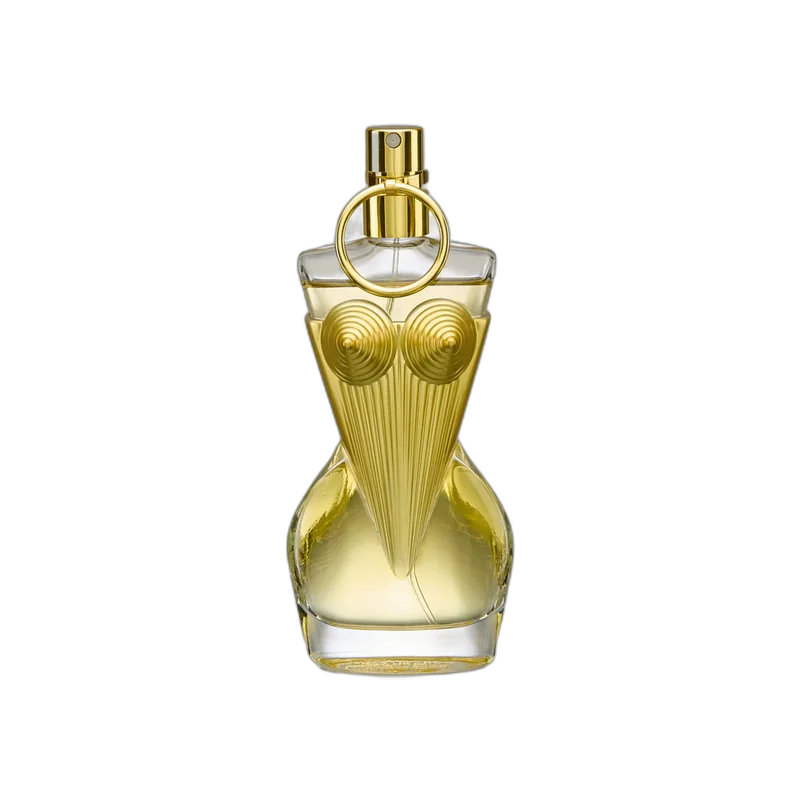
Gaultier Divine
Released in 2023, Gaultier Divine is the most overtly contemporary fragrance here, built as a return to white florals but shot through with a modern, sheer aldehydic backbone that stops it reading like a heritage revival. The brief was clearly femininity rethought rather than femininity quoted, and it shows — orange blossom and white musk anchor a bright, airy heart while the aldehyde layer gives the whole thing a clean, almost solar lift that keeps the florals from going thick or heady. The dry-down softens into a warm, slightly woody musk rather than the powdery amber that characterises the classic aldehyde canon, which is precisely what makes it work as a daily scent rather than a special-occasion one. Projection sits in the moderate range and the wear lasts a full day, performing solidly without demanding attention. The sculpted, feminine flacon is a continuation of the design language Gaultier built over decades, corset-shaped and immediately legible as the house. Aldehydes here function as a sheer brightener rather than a dominant signature, which is a useful distinction for anyone cautious about vintage-heavy sillage. The genre has been moving in this direction for some time, and Divine is the clearest recent proof that aldehydic white florals can read as current without abandoning the material that made the classics work.
The Classic and the Deco Monument
Both Arpège and Chanel No 5 EDP are cases where the aldehyde is structural rather than decorative. Strip it out and neither fragrance would function the way it does; the fizzing, wax-and-soap quality is not ornamentation but load-bearing. Arpège is the warmer and more floral of the two in its current form, the aldehydes sitting over a full white-floral heart that reads romantic and powdery. The EDP of No 5 leans richer and deeper, its rose-and-jasmine accord drawn down by iris and a long-lasting warm base, the aldehydes here reading more like candlelit wax than cold champagne.
Both skew towards the cooler months and work as dressing or evening scents rather than casual daily wear. The aldehydic character also means they are sensitive to skin chemistry in a way that most modern synthetics are not — the waxy, soapy quality can lift into something crystalline on one person and read as heavy and powdery on another, which is the main argument for sampling before committing. If you are new to the genre and want to understand what the aldehyde revival and the contemporary takes are reacting against, start with one of these. They are the context everything else on this list is in dialogue with.
The Contemporary Takes
The two newer additions show what happens when perfumers approach aldehyde materials from a twenty-first-century brief. Francis Kurkdjian's 724 uses the same building blocks as the classics but removes the powder, the sillage, and the period weight, leaving something clean and architectural that reads as skin light rather than starched glamour. Gaultier Divine takes a different route, pairing a sheer aldehydic note with white florals and a warm musk dry-down that lands it firmly in the everyday feminine register. Both are more approachable to wearers who have only ever encountered heavy-projection vintage aldehydes, and both are available from the retailers we track at live pricing.
The result of the two approaches is quite different in wear. Kurkdjian's version is the less obviously floral of the two, more abstract and better suited to office or daytime; Divine is warmer at the base and wears more conventionally pretty. Neither is a replica of the classics, which is the point.
How the Genre Connects to Powdery and White Florals
Aldehydic fragrances sit at the intersection of several olfactive territories. The soap-and-wax quality of the materials means they often read as powdery, which is why so many of the great aldehydics also appear in conversations about powdery florals. The white-floral backbone common to most of the genre — rose, jasmine, lily of the valley, orange blossom — means wearers who like luminous white florals often discover they already like aldehydes without having named the category. Those curious about how these families overlap will find fragrance families explained a useful starting point, and shoppers specifically drawn to the soft, powdery end of what aldehydes do may find best powdery fragrances a productive companion read.
The note is also, unusually for something so associated with a single era, genuinely cross-gender. Arpège and No 5 have historically been marketed to women, but their construction is abstract enough to wear regardless of how you read gender in fragrance. 724 and Gaultier Divine take the same approach, with 724 in particular landing close to unisex in practice.
How to Choose
The decision comes down to whether you want the full historic weight of an aldehydic fragrance or the modern, stripped-back version. For the original experience, Arpège offers the 1927 white-floral monument, warmer and more romantic, while the No 5 EDP is the reference for the abstract, waxy classical style in its modern-concentration form. If the vintage framing puts you off, 724 is the cleanest entry, a contemporary take that retains the material without the period-costume character. Gaultier Divine sits in the middle, a 2023 white floral that uses aldehyde sheer brightness as a lift rather than a centrepiece.
On price, the range here is meaningful. Arpège sits at the affordable designer end and is well stocked, making it the lowest barrier to entry. 724 and the No 5 EDP occupy the mid-to-prestige designer range. Gaultier Divine sits in the accessible designer bracket and undercuts the MFK by a fair margin. Live lowest and average prices from our data are shown on each card above — sample before committing, because how aldehydes interact with your skin chemistry is genuinely variable in ways that most other note families are not.
Compare aldehyde fragrance prices across every retailer on Aurexum