
Best Incense Fragrances
Frankincense: One Resin, Two Schools
Incense in perfumery almost always means one material: frankincense, the dried sap of the Boswellia tree, traded out of the Arabian Peninsula and the Horn of Africa for millennia. Its smell is not a single thing. Burned cold on a wrist it reads dry and camphorous, slightly green. Heated it throws a warm, balsamic smoke. Dissolved in a composition with amber and rose it becomes almost fruited. The same resin, different treatments, can produce effects so distinct that a newcomer would not connect them without being told.
That range is why two fragrances built around incense can share almost nothing in common. The church-stone reading, cool and mineral and faintly medicinal, is a completely different material proposition to the warm Omani reading, where the resin sits in amber and spice and becomes almost edible. And both are distinct from the conceptual school that treats frankincense as raw material for an idea rather than a mood, which is where the Japanese avant-garde tradition has taken it.
This list covers all three modes: three Amouage fragrances that work from the resin's home terroir in Oman, and two Comme des Garçons releases that take the material somewhere deliberately difficult. The Amouage weighting is deliberate. Oman is frankincense country. The Boswellia forests of Dhofar have supplied the incense trade for centuries, and the house built its identity on the note from the very beginning. No other house has worked the material as deeply, as consistently, or from such a direct geographic connection. The CdG pair arrives from a completely different tradition and makes a useful counterpoint once you have the Omani benchmark in your nose.
This is a resin post, not a smoke post. Smoky birch, burnt wood and dark vetiver live elsewhere. What unites everything here is olibanum, the raw resin, which the five fragrances below treat with vastly different intentions.
Jubilation Xxv Man
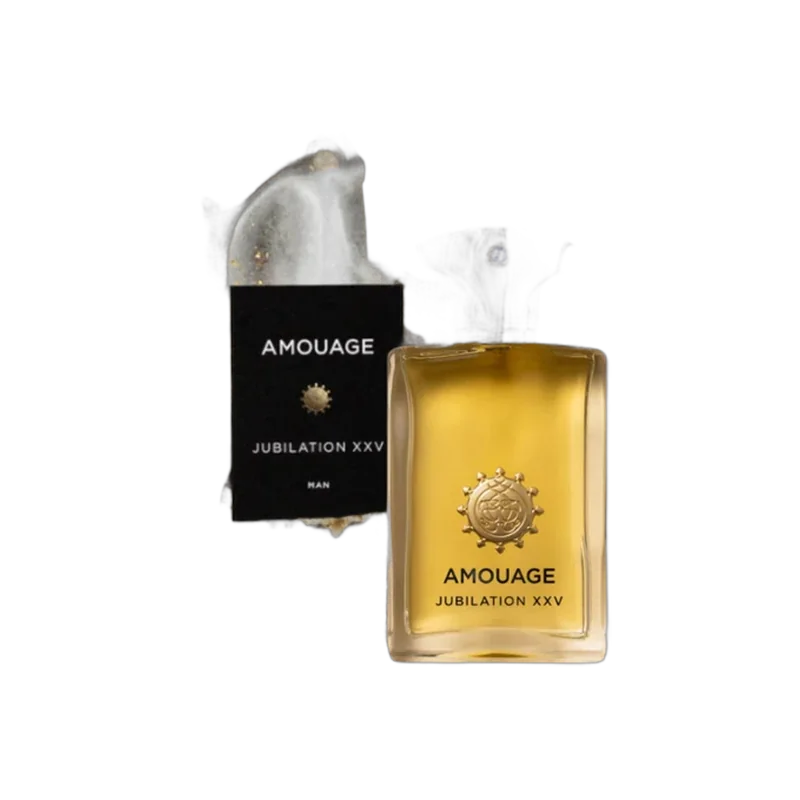
Jubilation XXV Man is Amouage's 2008 statement that frankincense, the resin the house has built its identity on, can carry an entire architecture on its own. The brief was deliberately rich: myrrh, labdanum and a dense Bulgarian rose sit behind the frankincense, while dark cherry and a thread of cinnamon keep the early minutes from going straight into liturgy. The result is warm and slightly fruited in the top, then the resin takes over and the rose deepens into something almost leathery. Base is patchouli and woody amber, anchoring the whole into a dry-down that lasts most of the day without effort. Projection is strong for the first few hours and then settles into a radiant close hum, the kind of trail that other people notice without the wearer clocking it. It wears masculine and suits the cold months almost exclusively, though it can handle a cool spring evening. Made in the Sultanate of Oman, the house draws directly on the frankincense trade routes that pass through the Gulf, and Jubilation XXV is the most complete expression of that heritage in their catalogue. If you are trying one Amouage, this is the one the community always names first.
Interlude Man
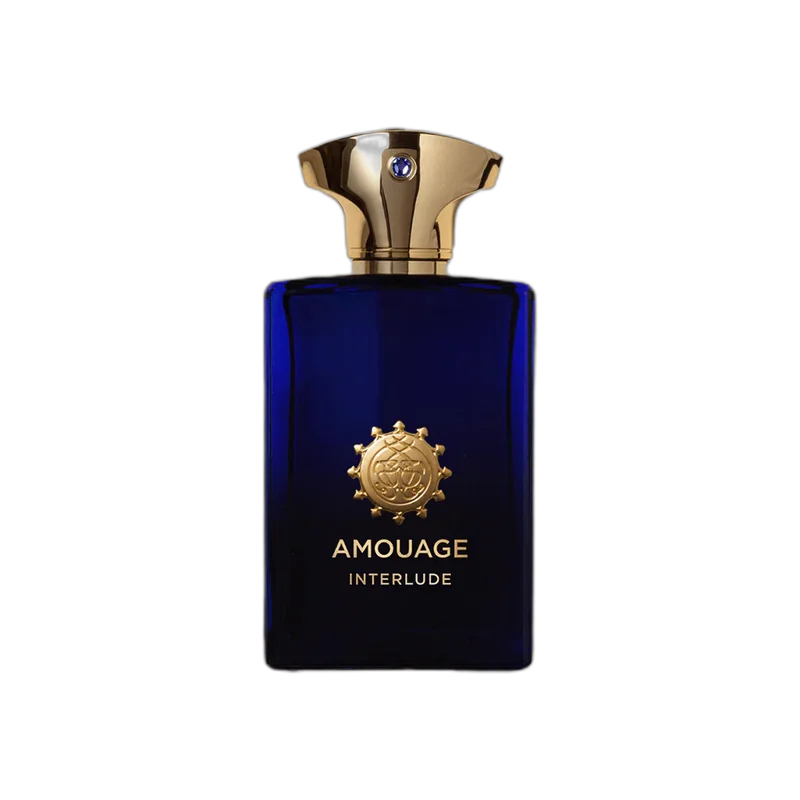
Frankincense and labdanum are the spine of Interlude Man, the 2012 release that remains the most argued-about thing Amouage has put out. Around that resin core the concept was deliberate disorder, with oud, smoke, birch tar and a slightly medicinal oregano thrown over the top, and the opening polarises immediately. Once that sharp top burns off, the resin takes command and the whole composition shifts into something warmer and more structured, the incense sitting in a thick amber cloud with an animal-leather note underneath. It is dense and projects hard, the kind of scent that announces itself well before you enter the room. Longevity is not a concern. The house pitched it as a meditation on the moment between rest and motion, which is a way of describing a scent that never fully settles. Enthusiasts slot it alongside smoky fragrances in its character rather than pure church incense, but the frankincense backbone keeps it here. A difficult, rewarding fragrance for someone who has already worked through the easier incense options and wants something further out.

Search
Released in 2023, Search is Amouage's argument that frankincense can be stripped back without being stripped of meaning. Where Jubilation XXV piles on rose and fruit and Interlude reaches for chaos, Search keeps the palette deliberately narrow: olibanum resin, mastic and a clean white musk with just enough woods underneath to keep the whole thing from floating away. The frankincense here is dry and cool rather than warm and fruited, closer to the cold stone of an empty church than the warm smoke of a burning censer. It opens sharp and slightly camphorous, softens in the middle as the mastic adds a faintly piney resin note, then fades long and clean. Projection is moderate, it is not a room-filler, and it works on skin in warmer weather where the heavier Amouage incenses would be too much. The bottle is the house's newer rectangular format, simpler and quieter than the older flacons. For someone who wants the Amouage frankincense experience without the density, Search is the contemporary answer. It makes a useful companion to the Amouage house guide if you are navigating the full range.
The Omani School
Three Amouage fragrances, three different answers to the same raw material. Together they make a useful map of what frankincense can actually do when a house has a genuine relationship with the source.
Jubilation XXV Man is the benchmark, the release that established the house's international reputation among enthusiasts and remains the first name that comes up when anyone asks about frankincense in perfumery. It is the resin at its warmest and most assured, surrounded by rose, dark cherry and myrrh and given room to project hard before settling into a dense, balsamic dry-down. The fruitiness in the opening surprises people who expect pure incense austerity, but it is what makes the composition work over a full day's wear, pulling the resin away from anything that reads liturgical. Cold weather and evening occasions are where it lives. If you want to understand why the Omani school has the reputation it does, Jubilation XXV is where to start.
Interlude Man, from 2012, is the difficult middle chapter, the release where the house threw amber, oud, birch tar and oregano into the resin and refused to resolve the tension. The opening is medicinal and slightly harsh and it divides opinion sharply. Those who stay with it find the frankincense eventually winning out and the composition settling into a dense, amber-and-leather cloud, but it takes patience. It is the fragrance on this list that sits closest to the smoky fragrances category in character, even though the heart is unambiguously incense. Call it a bridge between the two genres. It is the Amouage for people who have worked through Jubilation XXV and want something that requires more from them.
Search, released in 2023, moves in the opposite direction. The palette is stripped to its minimum: olibanum, mastic, clean musk, a quiet woody base. No fruit, no rose, no amber excess. The effect is the cool-stone reading of frankincense, dry and slightly camphorous in the opening, then softening into a long, mastic-resin drydown that sits close to the skin rather than projecting out into the room. It works in weather the other two cannot manage and suits the wearer who finds Jubilation XXV and Interlude too demanding for regular use. It is also a useful entry into the Amouage house guide, a contemporary release that shows where the house's thinking on the material has arrived in the 2020s rather than how it began.
Comme Des Garcons 2
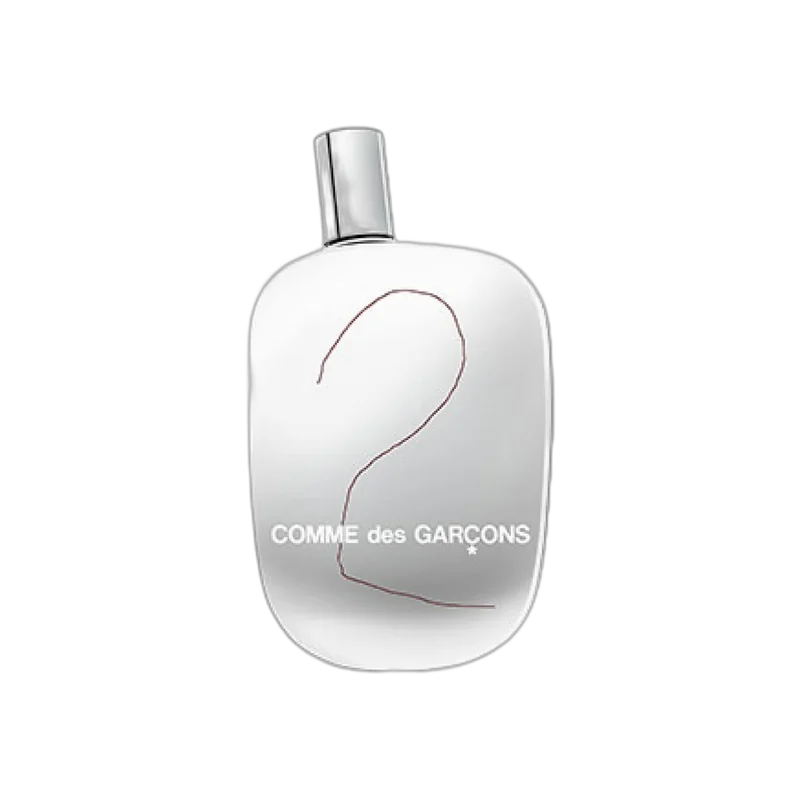
Comme des Garçons 2, released in 1999, is the reference point for what a conceptual incense can be when a house decides that smell is material rather than narrative. The brief was ink: the cold metallic sharpness of fresh printer's ink, worked into a fragrance via a frankincense and white-musk structure that keeps the whole thing anchored in wearability. The incense here is almost unrecognisable in the traditional sense, dry and slightly industrial rather than smoky or resinous, paired with a birch note and quiet cedar underneath. It reads more laboratory than chapel, more graphic design studio than cathedral, which is exactly what the Kawakubo school intended. Projection is quiet and the dry-down is long and flat, a skin scent that fades to something close and slightly mineral. It wears genuinely unisex and works in almost any setting because it is so restrained. More than twenty years on it still sounds like nothing else in the market, and the ink-incense combination it introduced has spawned a loose genre of followers. Among conceptual incenses and woody fragrances that occupy a similar space, it is one of the few genuinely original turns the genre took in that decade.
Black Comme Des Garcons
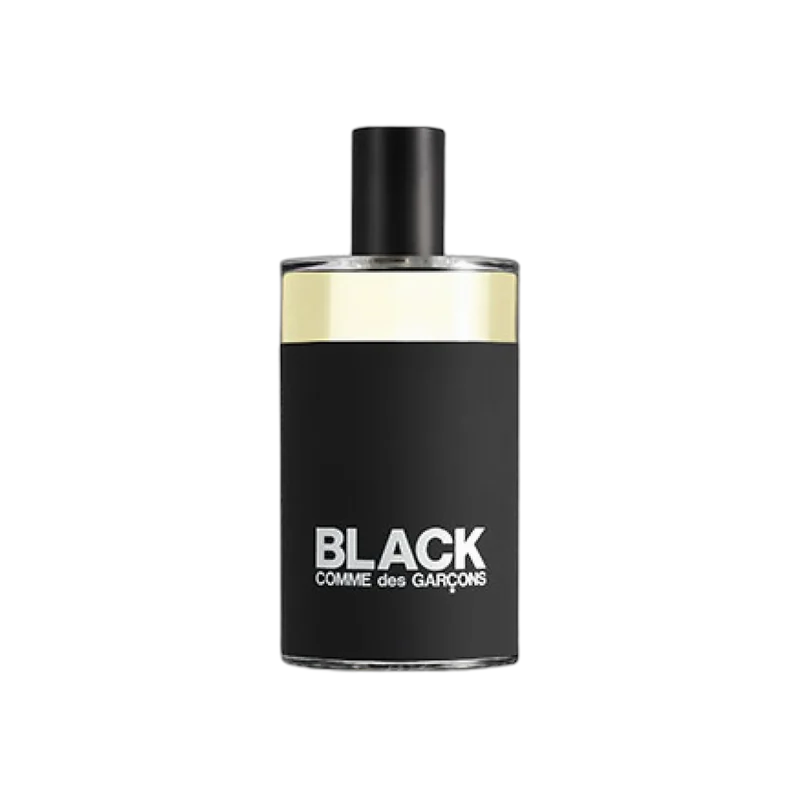
Comme des Garçons Black arrived in 2013 as a harder, darker companion to the house's incense lineage, pushing the material into territory that sits on the edge of wearable. The concept pulls tar and licorice into a frankincense frame — the opening is abrasive, a coal-and-pitch note that reads almost industrial alongside a sharp anise, and the incense underneath takes ten minutes to emerge from behind it. Once it does, the resin is dry and smoky with a slight rubbery edge that softens slowly over the first hour. The base is sandalwood and a low white musk, which gives the dry-down a warmer, more skin-close finish than the opening would suggest. It is a scent that makes demands of the wearer. The opening will lose people who are not prepared for it, and even the calmer dry-down retains a slightly flinty, avant-garde character that never entirely lets go. Performance is moderate, it does not project far but lasts well. For anyone who has worked through the softer incenses and wants the material pushed somewhere genuinely uncomfortable, Black is where CdG took that experiment. It pairs naturally with the ink-incense architecture of CdG 2, but is the more confrontational of the two.
The Avant-Garde Chapter
Comme des Garçons has been making conceptual incense since the 1990s, and their approach to frankincense has nothing in common with the Omani school. Where Amouage treats the resin as the emotional and cultural heart of a composition, CdG uses it as the load-bearing structure for an argument about what smell can be. The incense is a vehicle, not a destination.
CdG 2, from 1999, is built around ink. Not the romantic idea of ink but the physical fact of it: the cold, metallic sharpness of fresh printer's ink before it dries. The frankincense holds the structure together and stops the fragrance from becoming simply industrial, but the dominant effect is cool and slightly eerie, closer to a graphic design studio than any place of worship. It was a strange brief in 1999 and the result still sounds unlike anything else available. More than two decades on, it has influenced a loose genre of cooler, more cerebral incenses, and it is the essential starting point for understanding what the Japanese conceptual school brought to the material. It sits comfortably alongside the woody fragrances that occupy a similar intellectual space, though it has less warmth than most of them.
Black, from 2013, goes further out still. Tar, licorice and coal dominate the opening, with the incense buried underneath and only surfacing after the more abrasive top notes burn off. Once it does emerge, the frankincense is dry and slightly rubbery rather than balsamic, and the sandalwood base gradually pulls the whole thing back toward something closer to skin-wearable. It rewards patience in a way that few fragrances do or should ask, and it has a small, devoted following among people who find the more approachable end of the incense genre too comfortable. Placed next to CdG 2 it makes a revealing pair: the same house, the same conceptual approach, but a harder edge and a less accessible opening. It is the more confrontational of the two and the right choice for someone who specifically wants to be challenged.
How to Choose
The two schools are genuinely different things, so start with what you are actually looking for. If you want incense that feels warm, full and rooted in a long tradition of using the material, the Amouage trio is your territory. The question within that group is density. Jubilation XXV Man is the most full-on, a cold-weather occasion scent that projects for hours. Interlude Man is for the enthusiast who wants something darker and less resolved, closer in character to the smoky fragrances camp. Search is the light entry, the one that works in warmer conditions and suits daily use.
If you want incense as concept, start with CdG 2. It is the approachable version of the conceptual school, still recognisably a fragrance you can wear on a weekday, just with an unusual idea at the centre. Black is the harder step and worth sampling before committing, because the opening is genuinely difficult and not everyone will get past it.
On price, Jubilation XXV and Interlude sit at the top of the range as prestige niche fragrances. Search is more accessible within the Amouage line. The CdG pair are moderately priced for niche and are usually well stocked with the retailers we track, so live prices tend to be competitive. Sample everything at the Amouage end before buying a bottle, because the density of these fragrances means they sit very differently on different skins, and the difference between Jubilation XXV and Interlude in person is much larger than reading about them suggests.
Compare incense fragrance prices across every retailer on Aurexum