
Best Neroli and Orange Blossom Fragrances
The One Tree, Three Bottles
Neroli, orange blossom and petitgrain all come from the same plant: Citrus aurantium, the bitter-orange tree. What separates them is how the material is extracted and which part of the tree it comes from. Steam-distilled blossoms give you neroli — bright, slightly metallic, with a cool green quality that reads almost mineral at times. Solvent extraction of the same blossoms gives orange blossom absolute, which is warmer, richer and honeyed, closer to white-floral territory. Distilling the leaves and twigs gives petitgrain, the most bitter-green and woody of the three. Most fragrances in this category blend two or all three parts of the tree, but which extraction method dominates the formula determines how a given neroli actually wears.
That single botanical origin is also why neroli and orange blossom get lumped together in search results despite smelling quite different from each other. The classic, heritage style leans toward the clean, crystalline, steam-distilled end. The modern warm-floral approach reaches for the richer absolute, or blends it with amber and musk to soften the bite. Understanding which direction a fragrance has gone tells you a great deal about whether it will suit you before you even spray it.
The tree itself is native to the eastern Mediterranean and parts of western Asia but has been cultivated in southern France, Tunisia, Morocco and Egypt for centuries. Grasse in the south of France remains closely associated with neroli production, and Tunisia and Morocco are the primary sources for orange blossom absolute used in fine perfumery today. Different growing regions produce different aromatic profiles, which is why a materials-focused house like Matière Première will specify origin alongside extraction method: those are two separate variables that shape the finished scent.
When Neroli Beats Other Citrus
The best citrus fragrances tend to prioritise brightness and clean-air immediacy. Neroli is the citrus note with the most personality, because the white-floral quality of the blossom stops it reading as purely sharp or clean. It sits between the fruit and the flower, which is why it ages better on skin than a lemon or grapefruit accord and why well-made neroli fragrances can last a respectable number of hours where a straightforward citrus often fades in under two.
If you have worked through the best fresh fragrances and want something in the same general territory but with more material complexity and better hold, neroli is the obvious next step. There is also a seasonal range here that pure citrus rarely achieves. The green, sparkling picks suit high summer. The amber-and-musk anchored versions are warm enough to wear through autumn, which gives the category unusual year-round range.
Neroli also carries historical weight that most citrus notes lack. It appears in some of the oldest surviving perfume formulas, in the original versions of eau de cologne, and in a long line of prestige classics from French and Italian houses. That history is part of why heritage brands return to it so often: it reads as both traditional and inherently fresh, a combination that is genuinely difficult to achieve with almost any other material. A well-made neroli can feel simultaneously of its moment and decades old, which few notes manage.
One practical consideration: the oil is expensive relative to synthetic alternatives, which is why lower-budget neroli fragrances often smell metallic or sour rather than genuinely bright. The five picks below span from accessible designer to serious niche, and each one uses enough quality material that the bitter-orange blossom reads as itself rather than a chemical approximation.
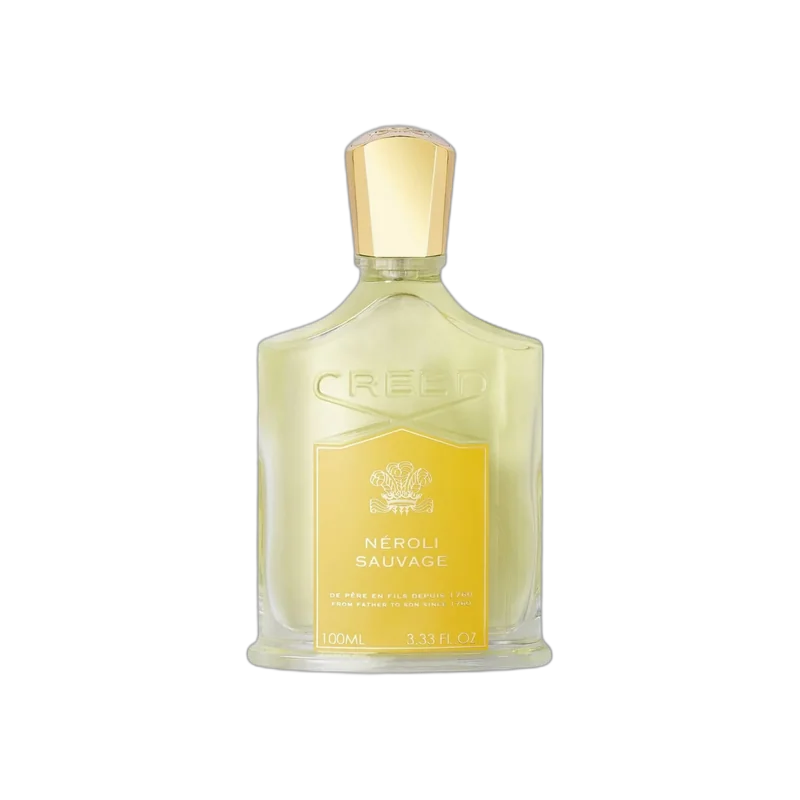
Neroli Sauvage
Launched in 1994, Creed's Neroli Sauvage is still the benchmark against which every heritage neroli gets measured. The name means wild neroli, and that is an accurate brief: the opening is bright, tart and slightly metallic in the way genuine steam-distilled bitter-orange blossom always is, lifted by bergamot and fresh citrus, with petitgrain adding a green, woody edge underneath. The heart carries a white-floral core with some musk and a little ambergris keeping it grounded, before it dries down on sandalwood and clean musks that let the blossom stay dominant without going sweet. It wears green and slightly cool rather than warm, which separates it clearly from the modern amber-neroli school. Performance sits at moderate to good longevity with decent projection for a citrus-forward scent, respectable for the genre. The Creed house positions this as a unisex warm-weather daily — it has enough character to be interesting but enough restraint to suit offices and summer mornings. It predates the amber-neroli school by the better part of two decades, and the two styles have so little in common that trying one tells you almost nothing about whether you will enjoy the other.
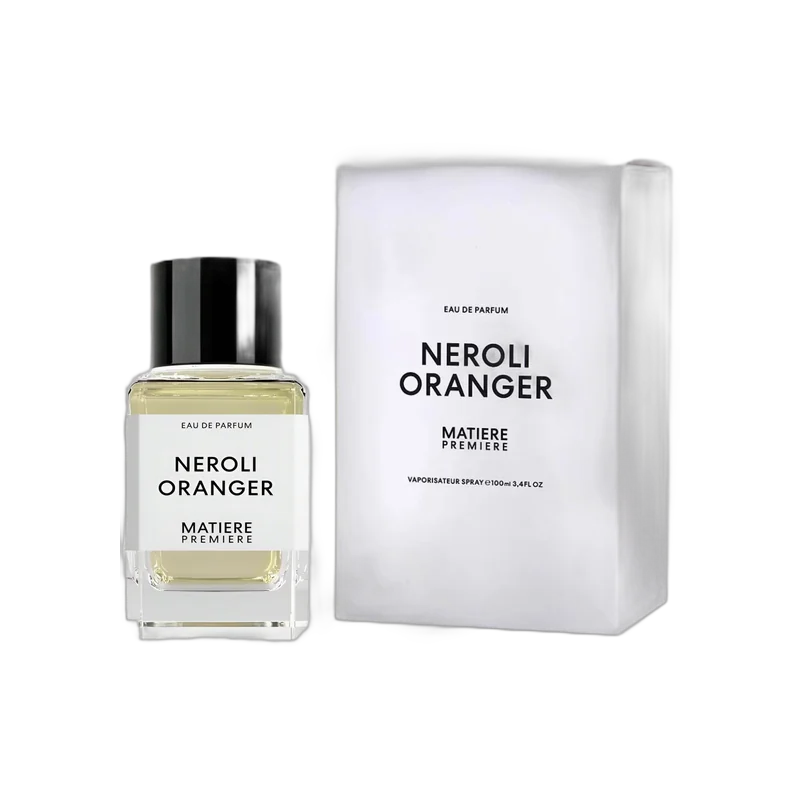
Neroli Oranger
Aurélien Guichard founded Matière Première in 2019 precisely to put exceptional raw materials at the centre of every formula, and Néroli Oranger shows what that philosophy looks like when applied to the citrus tree. The focus here is on orange blossom absolute rather than neroli alone, which shifts the character from the metallic-green end of the spectrum toward something warmer and more honeyed. White florals, a little green bitterness, and a gauzy woods accord build out the structure, but nothing competes with the blossom itself. The result is radiant without being sweet, the scent of neroli caught at full brightness and held there across several hours. Projection is moderate, longevity impressive for a materials-led house, and it sits comfortably as a warm-weather unisex. The Matière Première house sits in the serious niche tier, priced accordingly, and the simple white flacon lets the formula do the talking. For anyone who finds most commercial nerolis too sharp or too scrubbed, this is the orange-blossom warm-side answer — a perfumer building the note from the ground up rather than reaching for a citrus-fresh accord.
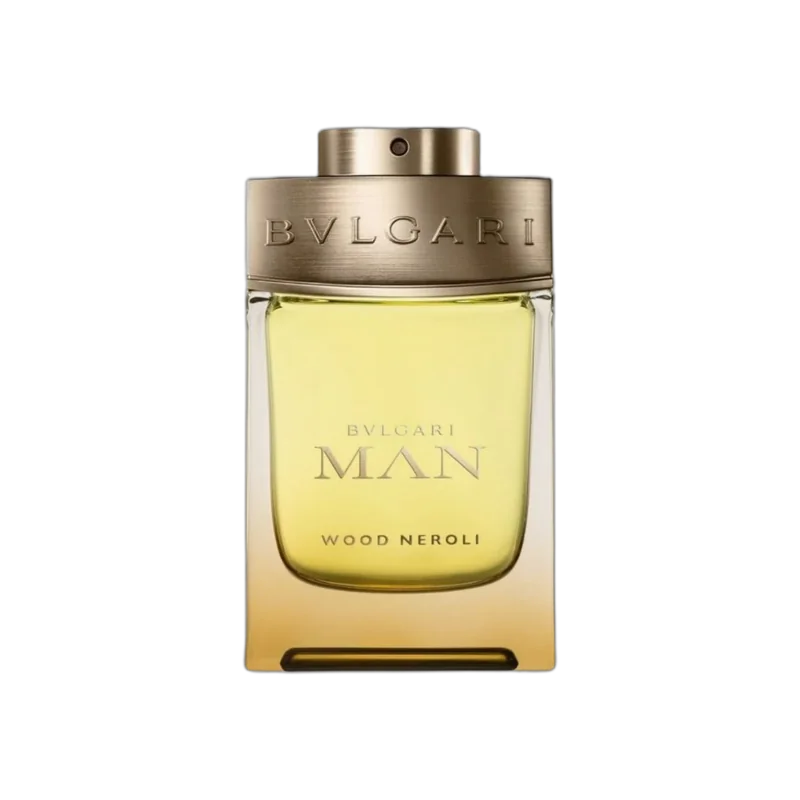
Bvlgari Man Wood Neroli Man
Man Wood Neroli from Bvlgari, released in 2019, is the designer entry here and the pick for anyone who wants neroli without the commitment of a sparkling soliflore. The concept is grounding: take a fresh-cut neroli and anchor it in woods so the whole thing holds on skin longer and reads warmer than a pure citrus. The opening gives you the bright, slightly green bitterness of bitter-orange blossom alongside bergamot and a brush of cardamom, then the base of dry cedarwood and vetiver pulls the neroli into amber-woody rather than keeping it in fresh territory. It sits in the men's fragrance bracket in the Bvlgari Man line, though the neroli component is unisex in practice. Performance is a step up from most citrus-forward scents, projecting well for a few hours before drying down to a quieter woody-citrus skin scent that lasts most of a day. Heavily stocked across the retailers we track, live prices are usually well under full retail. Recognisable, wearable and reliably affordable — it sits closer to a Bvlgari Man flanker than a niche neroli study, which is precisely the point, woody-citrus built for daily rotation rather than a weekend splurge.
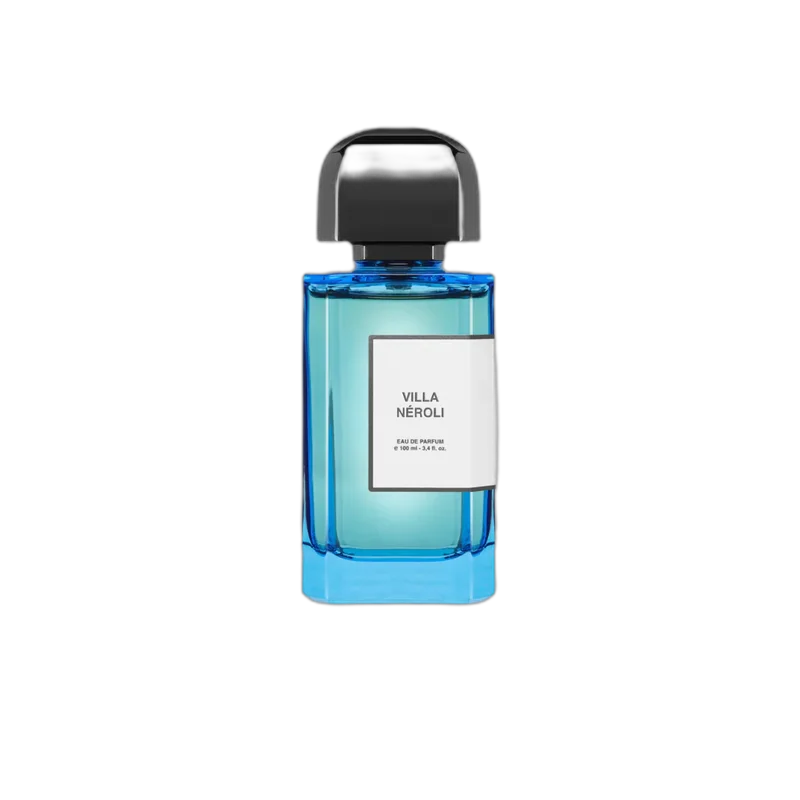
Villa Neroli
Villa Neroli was released by BDK Parfums in 2022, a Paris house that builds its catalogue around a particular mood of French coastal and Mediterranean living rather than around materials or perfumer signatures. The brief here is a Mediterranean villa in summer: neroli over sun-warmed stone, white flowers in the heat, a background of sea air. The execution uses a neroli heart flanked by orange blossom and jasmine petals, brightened at the top with bergamot and pink pepper, then settled on a white musk and sandalwood base that keeps the whole thing from floating away. It is the warmest neroli on this list that still reads as daytime, closer to the honeyed orange-blossom absolute end than the sharp steam-distilled end, which makes it the pick for those who find classic neroli too cold or metallic. Longevity is good and projection is moderate, a well-behaved daytime and warm-weather scent that never announces itself too loudly. The BDK house sits in the premium indie-niche bracket, and at that price point it competes squarely with Montale Holy Neroli — the question being whether you want orange blossom over sun-warmed stone or orange blossom wrapped in amber and resin.
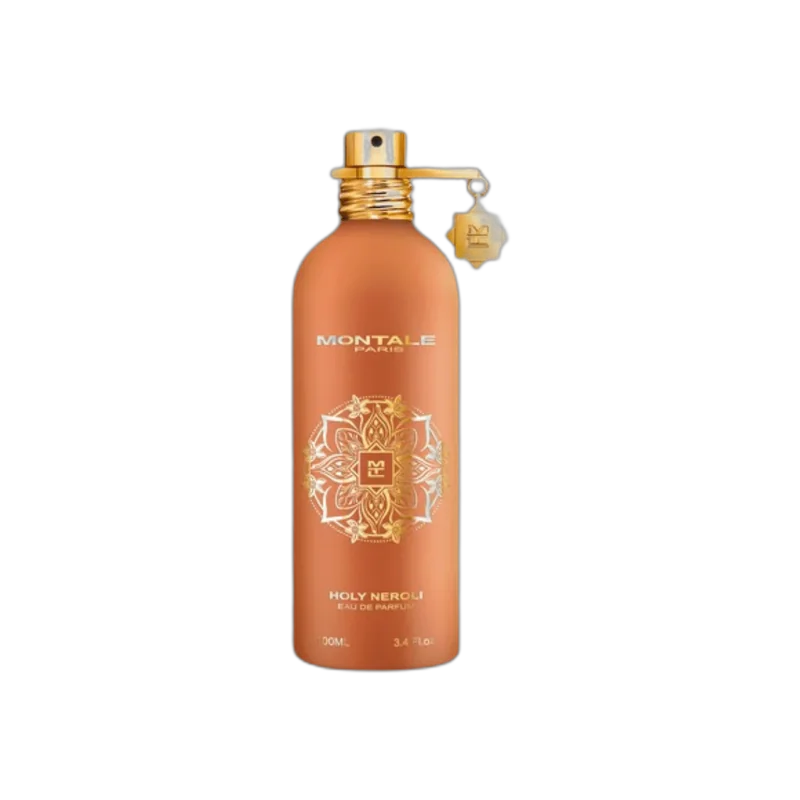
Holy Neroli
Montale is the Paris-based house known for volume and projection, and Holy Neroli from 2023 applies that house style to the bitter-orange category. Where the other four picks here lean restrained or crystalline, this one arrives loud: a big, warm neroli accord pushed forward over an amber and white-musk base, with a soft floral haze in the heart that keeps it from reading as a simple citrus cologne. The amber foundation is what changes the category equation here, because it takes the metallic-green quality of classic neroli and wraps it in something heavier and more resinous, which is why it projects strongly and lasts considerably longer than most of its competitors. That warmth also skews it toward colder weather despite the Mediterranean raw material, and it will wear better in autumn and winter than high summer. It reads unisex, with a slightly sweet, balsamic weight the house is known for. Prices from the retailers we track are usually competitive against the other niche bottles on this list, and it is reasonably well stocked. For a neroli that wants to be smelled across the room rather than kept close, this is the obvious choice.
The Sparkling Heritage End
Creed Neroli Sauvage (1994) sits at one end of the spectrum: bright, slightly green, metallic in the way only steam-distilled blossom is. This is the classic style, made for warm weather and daylight, never heavy. The Creed house has long positioned itself around high-quality natural materials, and the longevity advantage over cheaper citrus fragrances is real here, the neroli holding its form on skin through the heart rather than evaporating within the first hour.
Matière Première Néroli Oranger takes a different path to similar brightness, built by Aurélien Guichard from orange blossom absolute rather than distilled neroli, which gives it a warmer, honeyed radiance without sacrificing clarity. The two are complementary rather than competing: Neroli Sauvage is crisper and more austere; Néroli Oranger is more luminous and slightly richer. Both reward warm weather, but the Matière Première edges toward late afternoon and evening more readily than the Creed, whose green sharpness suits morning best.
If you are deciding between them, the question is whether you want your neroli cool and green or warm and glowing. The Creed is the purist choice, an unwavering commitment to the steam-distilled quality. The Matière Première is for those who want neroli at its most radiant.
The Designer and Niche Middle Ground
Bvlgari Man Wood Neroli (2019) is the most practical pick on this list — well-made, widely stocked, and priced where a first bottle makes sense before committing to the niche tier. The addition of cedarwood and vetiver extends wear significantly compared to a pure citrus neroli and gives the whole thing a grounded, woody-citrus character that sits comfortably in both professional and casual settings. It is not a statement piece, but it does its job consistently, which matters when you are buying something for regular rotation rather than special occasions.
BDK Parfums Villa Neroli (2022) sits just above that price point in the premium indie bracket and leans harder into the orange-blossom absolute side, with jasmine and pink pepper alongside the neroli and a white-musk and sandalwood base that reads as warm and slightly floral. The BDK house has built a reputation for mood-driven fragrances that conjure a specific place or season rather than showcasing raw materials in isolation, and Villa Neroli is that approach applied to the Mediterranean summer. The Bvlgari is the more versatile, year-round pick; the BDK is the more evocative, season-specific one. Both are well stocked across the retailers we track, and live prices tend to sit well below full retail.
The Loud Amber-Neroli
Montale Holy Neroli (2023) is a different animal from the rest of this list. Where the others are restrained or crystalline, this one is built for projection and presence, consistent with the house's general philosophy of making fragrances that wear at Montale volume regardless of what the raw material might suggest. The amber and resinous musk foundation takes the metallic quality of the bitter-orange blossom and wraps it in something heavier, which changes the seasonal equation entirely: it works better in cooler months than high summer, despite neroli being a warm-weather raw material.
This is the neroli for people who found the sparkling classics too faint or too fleeting. It will project into a room and last on skin in a way that the heritage picks do not, which is a trade-off: you gain presence but lose the clean, transparent quality that makes great neroli distinctive. Whether that is the right trade depends entirely on whether you wear fragrance to be noticed or to please yourself.
How to Choose
Start by deciding where you want to land on the cool-to-warm spectrum. The cool, classic end is Neroli Sauvage — that is the style if you want neroli at its most green and austere. The warm end is Villa Neroli and Holy Neroli, where the blossom sits over amber and musk and the whole thing reads as closer to a white-floral oriental than a citrus. Néroli Oranger from Matière Première occupies the middle with the most material focus of the five, a perfumer-founded house putting exceptional blossom absolute front and centre.
On budget, Bvlgari Man Wood Neroli is the entry point: it is reliably stocked, well-made and the kind of versatile daily that earns its keep in any rotation. Moving up, BDK Villa Neroli and Montale Holy Neroli are both premium-niche territory, priced in the same range as each other, and each does something the Bvlgari does not: the BDK delivers a genuine sense of place, the Montale delivers genuine projection.
On weather and occasion: the citrus-green picks (Neroli Sauvage, Néroli Oranger, Man Wood Neroli) are warm-season and daytime scents. The amber-neroli picks (Villa Neroli, Holy Neroli) have enough weight to wear year-round, and the Montale specifically rewards cold weather. On longevity, pure citrus nerolis are inherently shorter-lived than anything with a resinous base, so if performance across a long day is the priority, the Montale is the practical choice.
Sample before buying the niche bottles in particular. Neroli sits close to the skin and interacts with personal chemistry in ways that make testing important at these prices. Live lowest and average prices for all five are tracked in our data.
Compare neroli fragrance prices across every retailer on Aurexum