
Best Sandalwood Fragrances
The Sandalwood Story Worth Knowing
Sandalwood is one of fragrance's oldest materials and, quietly, one of its most complicated sourcing stories. For most of the twentieth century, the benchmark was Mysore sandalwood, Santalum album grown in the forests of Karnataka in southern India. The wood is slow-growing, takes decades to reach harvestable maturity and was extracted at a rate that, by the 1990s, had collapsed supply so thoroughly that the Indian government imposed strict export controls and eventually a near-total ban on raw-material export. Genuine Mysore material became scarce, expensive and inconsistently available, which pushed the industry in two directions at once.
The first was Australian Santalum album. Grown commercially in Western Australia under tightly managed plantation conditions — Quintis, formerly TFS, became the dominant supplier — the Australian-grown species is botanically identical to Mysore sandalwood and produces a comparable creamy-milky profile. Much of what modern perfumery calls sandalwood, including in the pricier niche bottles, now comes from this source. Australia having a commercially significant sandalwood industry at all is a fairly recent development; the plantations only reached meaningful scale in the 2000s, and their output has quietly become the backbone of the international fine-fragrance market. The second direction was synthetic. Aroma chemicals including Javanol, developed by Givaudan, and Ebanol produce the clean, creamy register of Santalum album with total consistency, no CITES paperwork and a fraction of the cost of the natural material. Neither approach is inferior — both show up in the best sandalwoods on this list — but knowing the difference helps explain why a niche bottle and a designer release can smell so recognisably similar while costing five times as much apart.
The character of sandalwood itself is worth placing before you spend anything. At its core the material is creamy and milky, with a faint sweetness and a dry, woody undertone that is almost butter-like on the exhale. It is the opposite of sharp cedar or bitter oud: sandalwood softens formulas rather than anchors them, which is why perfumers reach for it as a base note across dozens of olfactory families. The range runs from pale and transparent to deep, resinous and almost animalic depending on age, concentration and what surrounds it. It sits in a different part of the woody fragrances world to cedar or vetiver, and it overlaps meaningfully with the richer end of amber fragrances when combined with benzoin or labdanum. The sharp, slightly medicinal cedar of the pencil-shaving register is a completely different material family, and the two are regularly confused in marketing copy — if you want creaminess, look for sandalwood, not cedar.
The six below are grouped by style: the prestige references first, then the modern pairings, then the rich and the accessible.
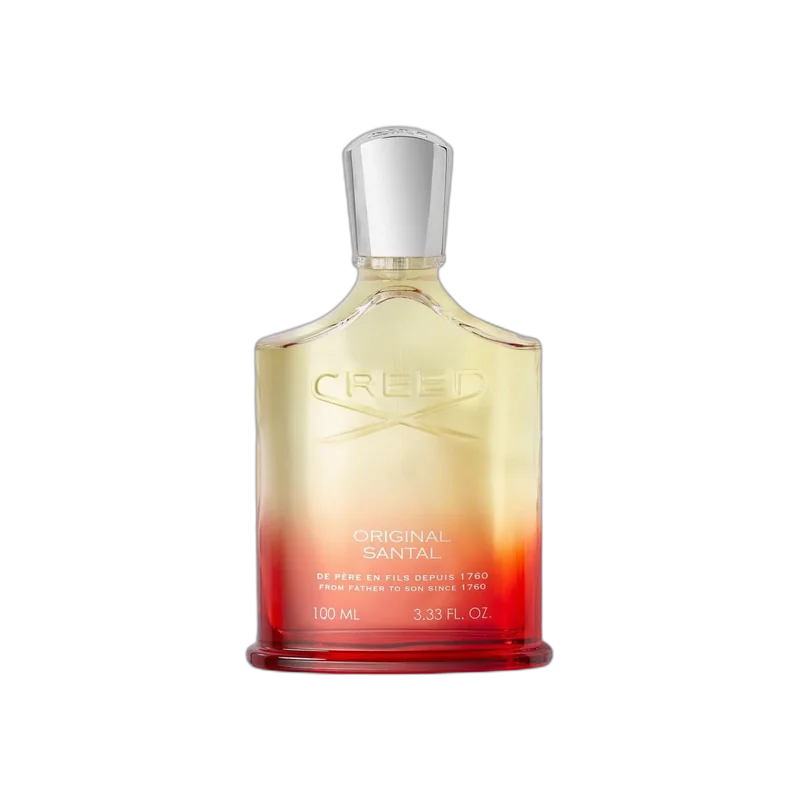
Original Santal
Creed's 2005 spiced-santal and the house's warmest, most enveloping woody, built in-house by the Creed family in their Mayfair atelier. Original Santal opens with a brief citrus and pink pepper lift before the wood takes over, a dry, resinous sandalwood accord wound around cardamom, cinnamon and a little tobacco that keeps it smelling genuinely old-fashioned in the best sense. The name nods to the Rajasthani sandal trade but the formula leans closer to a spiced, leathery oriental than a beach-cream smooth sandalwood, which separates it from everything else in this list. It is an eau de parfum with decent projection in the first couple of hours and a long, skin-close dry-down that lasts most of a day. Creed markets it as masculine but it wears fully unisex, the spice doing more gender signalling than the wood itself. It sits at the top of the designer-prestige tier, heavily stocked across the retailers we track, which keeps the live price reliably below counter. For anyone after a sandalwood with real backbone and a spiced, almost Oriental orientation rather than creaminess, this is the clear reference.
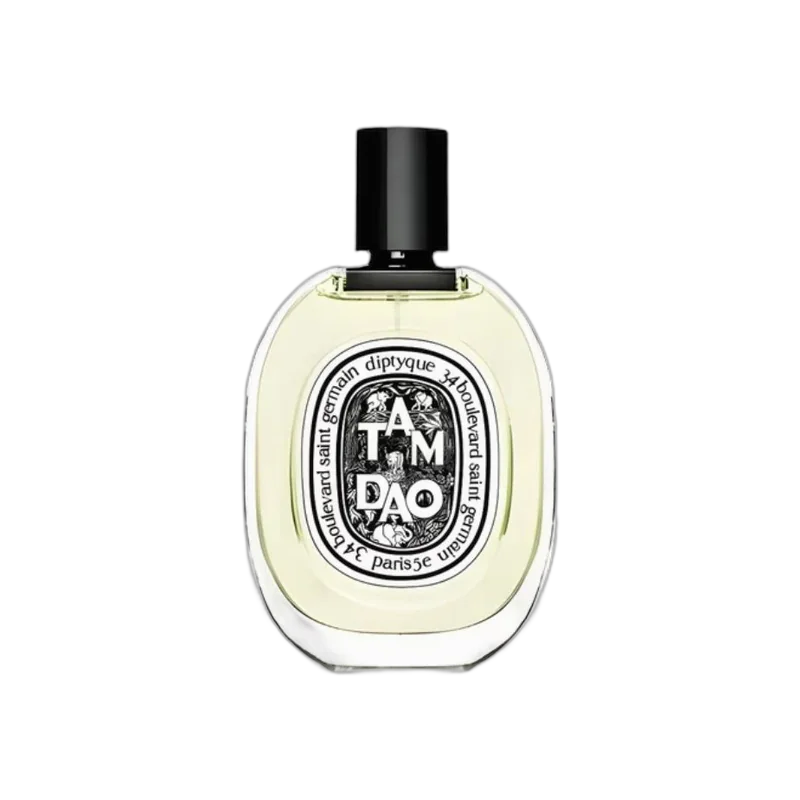
Tam Dao Eau De Parfum
Diptyque's cult minimalist sandalwood, released in 2012 as part of the Paris house's quiet expansion into richer, wood-forward territory. Tam Dao, named for the Tam Dao mountain range in northern Vietnam, began as a 2003 EDT and the EDP that arrived later deepens the woody heart considerably, adding a creamier, denser core around Santalum album. The formula keeps its supporting cast deliberately sparse: a trace of cedar and cypress in the top, a brush of milky rose in the heart, then near-pure sandalwood through the base, slightly powdery and exactly the kind of dry-creamy that Mysore-style material produces. It is restrained and well-proportioned, never too sweet and never too resinous, which is why it has accumulated the devoted following it has. Performance is polite rather than commanding, sitting close to skin for most of its wear, a feature rather than a flaw given how intimate the scent is. The simple frosted bottle and stripped-back brief make it one of the easier sandalwoods to wear daily without commitment. It wears comfortably unisex and works year-round, summer evenings as readily as cold afternoons. For the crowd who find most sandalwoods either too heavy or too synthetic, this is usually the one that converts them.
The Prestige References
These are the two bottles that define the conversation at the top of the market. Creed Original Santal is the spiced, leathery take on the material — less about creaminess and more about the way sandalwood interacts with resin, tobacco and cardamom at a long, slow dry-down. The 2005 release has held its position as the house's warmest offering for two decades partly because the design brief is unusual: it reads closer to an Oriental than a pure woods study, and it tends to work on people who find straightforward sandalwood underwhelming. Diptyque Tam Dao EDP takes the opposite approach. The formula is stripped back to near-nothing except the wood itself and a breath of milky rose, which is a genuine editorial choice in a category where houses usually layer in amber, vanilla or musk to give shoppers something to hold onto. Tam Dao trusts the material.
Both are heavily stocked across the retailers we track. Creed runs at a significant premium but the live price here is usually a meaningful step below the in-store tariff. Tam Dao, as a long-established cult release, prices consistently and the EDP concentration holds its position as the colder, more transparent option in the range.
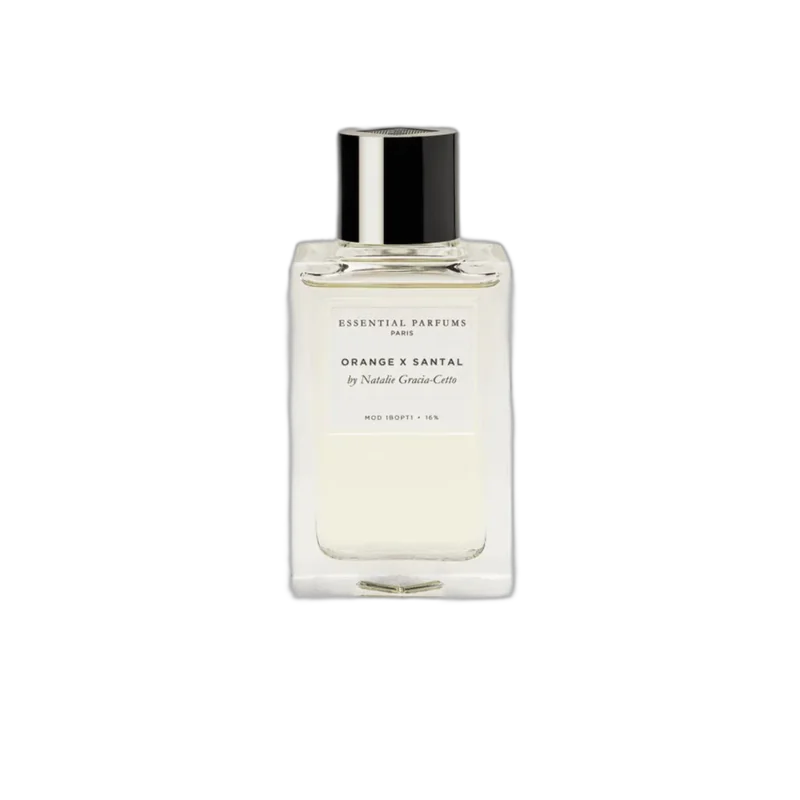
Orange X Santal
Essential Parfums' 2018 pairing and one of the sharpest value propositions in the modern niche market. The Paris house was built on the premise of accessible fine-fragrance materials with a single-perfumer brief, and Orange x Santal hands the work to Quentin Bisch, who keeps the structure to two ideas and does not overcrowd them. The opening is a bitter, zesty orange peel with a little bergamot, bright and almost ozonic, then the sandalwood arrives warm and slightly creamy, smoothing the citrus out into a long, woody-fresh accord that neither note could produce alone. It is the kind of formula that reads polished without reading expensive, which is partly the point. The sandalwood here is almost certainly built on synthetic aroma chemicals including Javanol, which gives it that clean, consistent creaminess that natural Mysore material produces less reliably these days. Projection is moderate and longevity is solid without being a beast, a well-behaved all-day wear. The bottle is a satisfying chunk of clear glass with a minimal label, the Essential house style throughout. It wears unisex and suits almost any season. For anyone who wants a sandalwood pairing at an honest price, tracked by the retailers we follow at a consistently competitive rate, this is the modern standard.
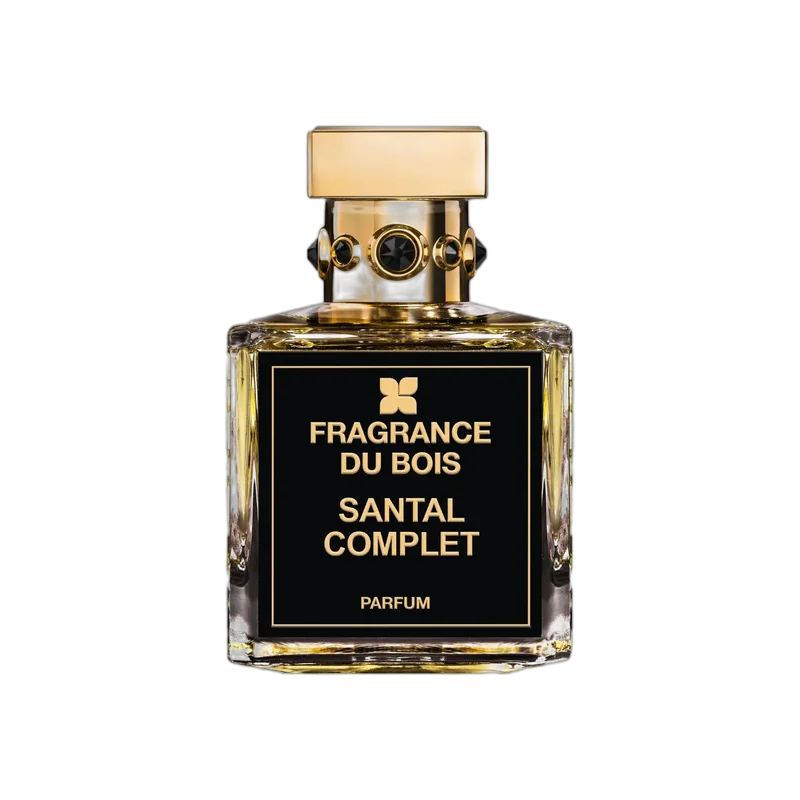
Santal Complet
Fragrance du Bois' 2016 full-spectrum study in sandalwood, one of the more serious explorations of the material available from a house that has made sustainably sourced woods its whole identity. The Bangkok-based niche label built Santal Complet around Cambodian and Indian sandalwood varieties, with oud, rose and a deep incense accord layered in to give the wood dimension rather than decoration. The effect is rich and resinous, closer to a wood-incense oriental than a clean creamy sandalwood, and it rewards wearing slowly rather than committing on a cold-spray impression. The opening is warm and slightly earthy, rose threading through the heart, then the base consolidates into a long, amber-edged sandalwood that is among the densest on this list. It is a proper cold-weather and evening scent, not a daily or an office pick. Performance is strong, projecting well in the first couple of hours before settling into a long, skin-close dry-down. The house keeps distribution deliberately limited, reflected in the premium positioning, but the retailers we track still offer it at noticeably better rates than the brand's own boutique pricing. For the reader after the full weight of sandalwood as an ingredient rather than as a softener, this is the one to reach for.
The Modern Pairings
This group takes sandalwood as a foundation and builds something deliberately around it rather than treating it as the entire brief. Essential Parfums Orange x Santal is the freshest approach, pairing a bitter, zesty citrus opening against a clean, Javanol-forward sandalwood that the two notes sustain together across the wear. Quentin Bisch's design for the house keeps the structure spare, which is part of why the pairing works: neither element crowds the other out, and the result is a modern, all-season woody-fresh that reads more polished than its price would suggest. Fragrance du Bois Santal Complet sits at the other end of the ambition scale. It is a multi-material study built around Cambodian and Indian sandalwood varieties, with oud, incense and rose layered in to give the wood context rather than simply surrounding it. The Fragrance du Bois house was built on sustainable sourcing of woody materials and the Santal Complet reflects that, running significantly longer and more complex than its blended-accord competitors.
The price gap between them is marked. Orange x Santal sits in the affordable-niche bracket, priced to compete with designer and tracked at well under full retail across the retailers here. Santal Complet is a proper luxury niche release with the distribution and pricing that goes with it, though the live price from the retailers we track undercuts what the brand charges direct. They do not compete on occasion: the Essential Parfums is the daily, the Fragrance du Bois is the considered evening or cold-weather commitment.
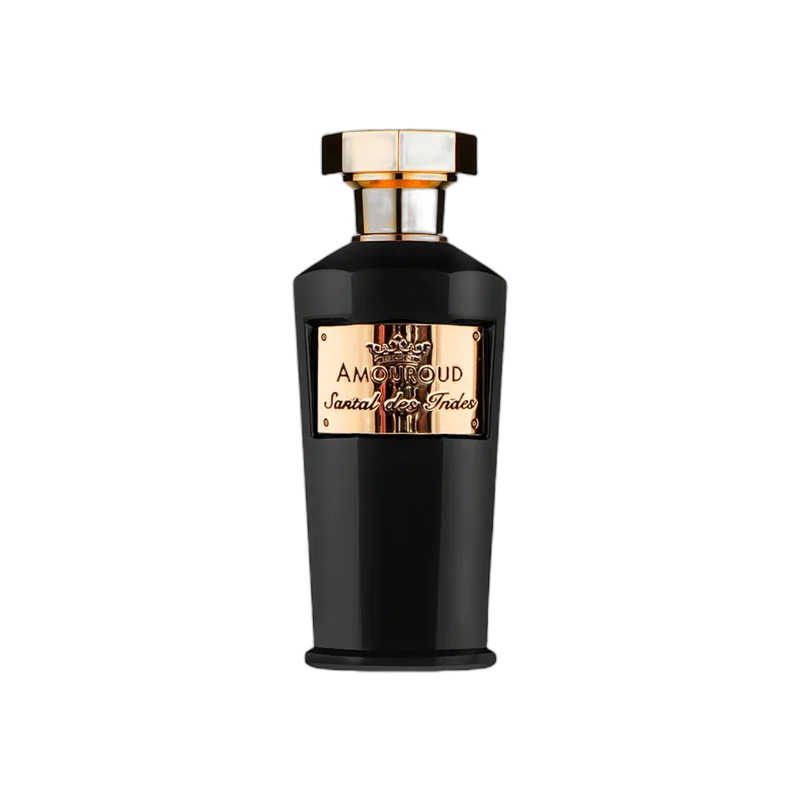
Santal Des Indes
Amouroud's rich oriental take on the material, released in 2016 from the Dubai house that has quietly built a solid catalogue of serious wood and oud compositions. Santal des Indes leans into the spiced, resinous end of the sandalwood spectrum, pushing cardamom, saffron and a deep amber accord around an Indian-inflected sandalwood heart that reads warm and slightly medicinal in the way good oud-adjacent materials often do. It is not a creamy, beach-smooth sandalwood in the Western mould but something denser and more complex, the kind of wood that reads as precious material rather than texture. The amber and oud in the base give it a distinctly Middle Eastern character, and it sits comfortably alongside the richer attars in that tradition rather than next to the spare European takes. Projection is excellent and longevity is among the strongest on this list, a proper presence rather than a skin scent. It wears masculine-leaning but the oud and amber make it genuinely gender-neutral in practice. The bottle is ornate in the Gulf niche style. For anyone after Indian sandalwood in its richest, most enveloping interpretation, stocked by the retailers we track at prices that undercut the comparable oud-house offerings, this is the considered pick.
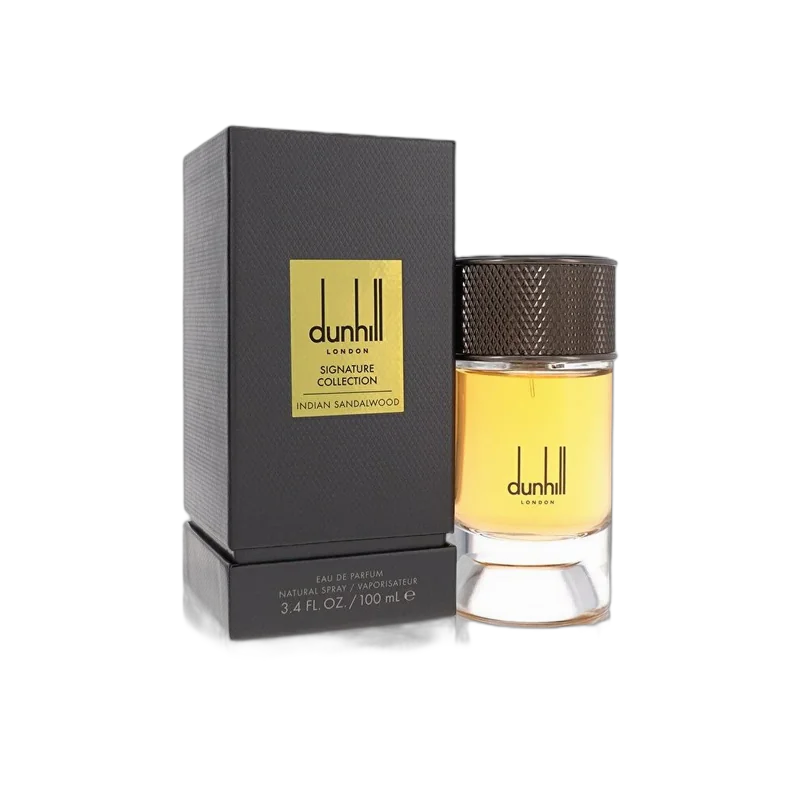
Indian Sandalwood
Dunhill's 2019 entry and the most accessible sandalwood on this list by a clear margin. Indian Sandalwood is a designer-tier release from the British house, built as a straightforward, wearable sandalwood that keeps the material central without loading it with the niche-price complexity of the bottles above. The opening is brief, a little citrus and pepper giving way to the wood within minutes, a clean, lightly creamy sandalwood with a soft amber and musk base that stays warm without going heavy. There is a transparency to the formula that some will read as thinness and others as versatility, and in practice it sits firmly in well-behaved office and daily-wear territory. Performance is modest, projecting close to skin and lasting a respectable several hours rather than a full day, consistent with the designer concentration and price. It wears unisex in practice despite masculine marketing, and the clean, inoffensive character means it has few wrong occasions. The flat, brushed-metal-capped bottle is simple and travels well. Heavily stocked among the retailers we track, the live price runs well under counter. For anyone wanting to understand creamy sandalwood before committing to the niche tier, or needing a reliable daily that does not demand attention, this is where to start.
Rich and Accessible
Amouroud Santal des Indes is for the reader whose reference is the Gulf niche tradition: saffron, oud and spiced amber built around Indian sandalwood in a formula that has nothing understated about it. The Dubai house has carved out a position making serious oud-and-wood compositions for a clientele that expects density and longevity, and Santal des Indes delivers both. It is the densest and most enveloping pick in this list, the one that will still be readable twelve hours in, and it is the obvious choice for anyone who finds the European and Australian-school takes on sandalwood too transparent or too polite. Dunhill Indian Sandalwood is the deliberate counterweight: a clean, accessible sandalwood at designer pricing that asks very little of the wearer. The 2019 release works exactly where the Amouroud does not, in offices, warmer weather and daily situations where presence matters less than approachability.
Neither is the most nuanced bottle on this list, but they serve genuinely different purposes. The Amouroud delivers serious material weight and projection at a niche price that the retailers we follow track competitively. The Dunhill remains the most accessible introduction to the material in the group, and its live price across the retailers we track makes sampling a low-stakes decision.
How to Choose
The creamy, milky version of sandalwood — Tam Dao, Orange x Santal, Indian Sandalwood — is the easier starting point, versatile and unlikely to offend. The spiced, resinous end — Original Santal, Santal des Indes, Santal Complet — rewards more specific taste and a cold-weather wardrobe that has room for projection. On value, Essential Parfums Orange x Santal and Dunhill Indian Sandalwood both deliver the character of the material at prices that make sampling straightforward. At the other end, Creed, Fragrance du Bois and Amouroud all carry a premium but the live data here tends to track them at meaningfully less than the boutique price.
If you are new to sandalwood, start with the Diptyque or the Essential Parfums: both are transparent enough to show you exactly what the material does without the surrounding complexity. If you already know you want weight and warmth, go directly to Santal Complet or Santal des Indes and sample carefully before committing at that price.
Compare sandalwood fragrance prices across every retailer on Aurexum