
Gypsy Water vs Mojave Ghost — Which Byredo to Buy
The Short Version
These are the two Byredos almost everyone weighs up as a first bottle from the Stockholm house, and the honest answer is that they solve different problems. Gypsy Water is the woodland one, a cool, understated blend of bergamot, pine needles and a soft vanilla-sandalwood base that wears like a clean walk through a forest after rain. Mojave Ghost is the desert-flower one, muskier and warmer, built on ambrette, magnolia and a dry sandalwood that reads more like a proper perfume and sits closer to the skin as a soft radiance.
Buy Gypsy Water if you want fresh, quiet woods and something that suits cooler wear without ever shouting. Buy Mojave Ghost if you want a soft, skin-hugging warmth that leans more polished and lasts longer. Both are famously intimate scents rather than room-fillers, so if you are chasing projection and compliments from across a room, neither is really the answer and you should know that going in.
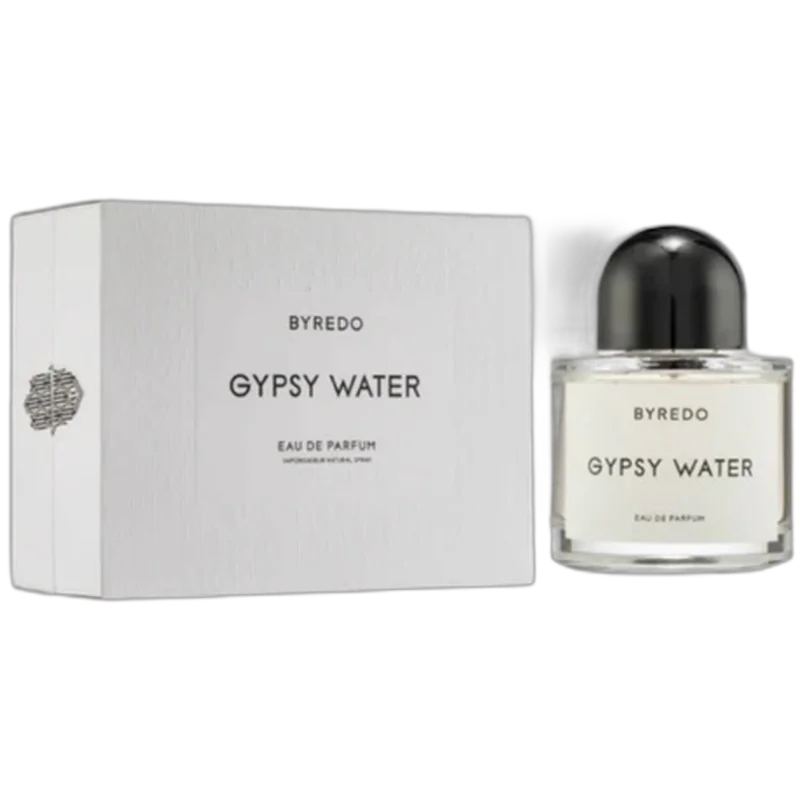
Gypsy Water Eau De Parfum
Byredo's 2008 breakout and still the bottle most people meet the Stockholm house through. Founder Ben Gorham built Gypsy Water around a romanticised idea of Roma travel rather than any literal reference, which is why it lands as a clean, wistful woodland rather than anything smoky or dirty. Bergamot, lemon and a green sprig of juniper open it, then pine needles and a dry incense give the middle its forest-floor cool, before the whole thing settles onto the part everyone remembers, a soft vanilla and sandalwood drydown brushed with amber. It reads unisex and skews fresh and understated, closer to a laundered outdoor smell than a fragrance that announces itself. Set your expectations on performance honestly, because this projects modestly and lives fairly close to the skin, a few hours of real presence before it becomes a quiet second layer you catch on your own collar. That intimacy is the point for its fans and the deal-breaker for anyone chasing sillage. Bottled in the house's clear minimalist flacon with the plain serif label, it launched Byredo's whole aesthetic and remains the cooler, more contemplative of the pair here.
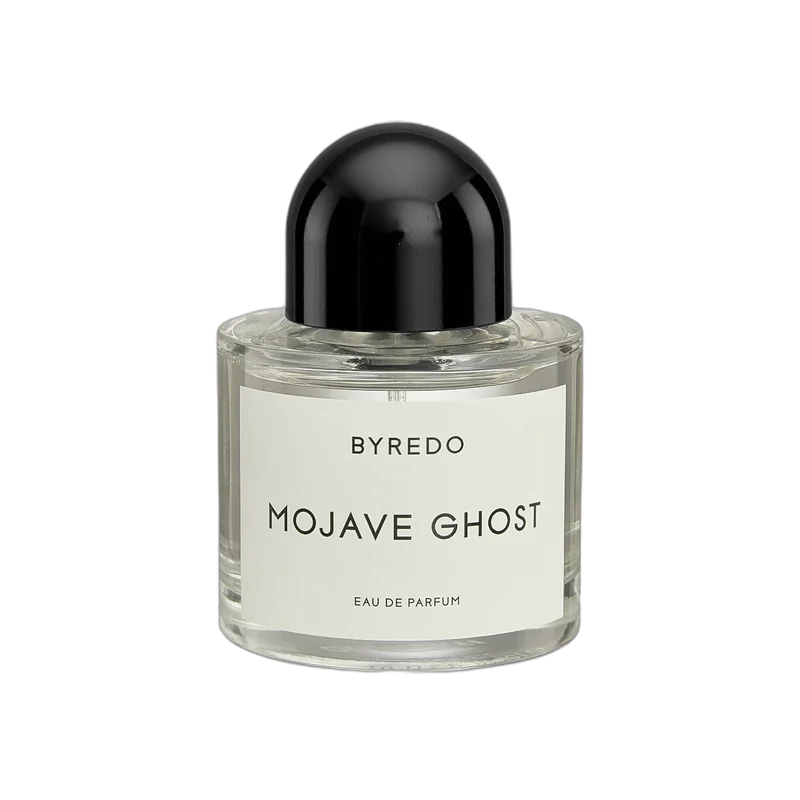
Mojave Ghost Eau De Parfum
A ghost flower said to bloom on barren desert soil gave this 2014 release its name, and Mojave Ghost has since become the house's biggest seller by a wide margin. Ben Gorham chased that idea of life in an arid place rather than the heat of the sand itself. Ambrette and a dewy magnolia carry the open, sweet and slightly fruity, before a powdery violet and sandalwood heart takes over and the base dries down on ambrette musk, cedar and a hushed amber. The effect is soft, warm and faintly creamy, muskier and more rounded than Gypsy Water and noticeably more perfume-y, the sort of radiance that sits just off the skin like warmth off a wall. It wears unisex and leans into a clean, second-skin comfort rather than any big statement. Longevity is the better of the two Byredos here, running most of a day as a close hum even if projection stays polite throughout. Housed in the same spare clear flacon that defines the line, it became the fragrance that turned Byredo into a mainstream name and the one newcomers cross-shop most often against the older woodland scent above.
How They Differ
The gap between these two is smaller than the marketing implies but real once you wear them side by side. Gypsy Water, released in 2008, is the older and cooler composition. It opens bright with bergamot, lemon and a green juniper note, then moves into pine needles and a dry, faintly resinous incense that gives it that forest-floor feel. What people fall for is the drydown, a soft vanilla and sandalwood warmed by a touch of amber, clean rather than gourmand. It never smells sweet in the dessert sense. The whole thing reads like fresh air and pale wood, wistful and a little melancholy, which is exactly the mood Ben Gorham was after when he named it for a romanticised idea of travel rather than anything literal.
Mojave Ghost, from 2014, is warmer and rounder from the first spray. Ambrette, a musky plant material with a pear-like softness, does a lot of the work here, and it pairs with a dewy magnolia in the open that comes across sweet and lightly fruity. Underneath sits a powdery violet and sandalwood heart, and the base dries down on more ambrette musk, cedar and a hushed amber. The result is creamier and muskier than Gypsy Water, and it reads distinctly more perfume-y, which is a polite way of saying it announces itself as a fragrance rather than as an ambient clean smell. Where Gypsy Water feels like an outdoor scent, Mojave Ghost feels like warm skin.
There is a useful shorthand here. Gypsy Water is the fresh-woods pick and Mojave Ghost is the soft-musk pick. One is cooler and greener, the other warmer and more radiant. Both share the Byredo house signature of restraint and a certain airy transparency, so they are clearly siblings, but you will not confuse them on the skin. If you want to place either in the wider range, the full Byredo guide sets both against the house's other pillars.
It helps to know where the house was coming from. Ben Gorham founded Byredo in Stockholm in 2006 with no formal training as a perfumer, working instead from memory and mood and handing his briefs to professional noses to execute. That approach shows in both of these. Neither is a technical showcase or a materials flex. They are impressionistic, built to conjure a place or a feeling rather than to impress with complexity, and the pared-back Scandinavian aesthetic that runs through the bottles and the brand runs through the juice too. If you like fragrances that are busy and evolving, this is not that house, and these two in particular reward patience and low expectations of drama.
The other thing they share is temperament. Neither is a loud fragrance. Both are what enthusiasts call skin scents, wearing close to the body and drifting only a little, which is central to their appeal and the single most common source of disappointment for buyers expecting more. Mojave Ghost in particular gets grouped with the soft, musky, second-skin style, and if that is the effect you are chasing, it sits comfortably alongside other scents that smell like clean skin. Gypsy Water is a touch more present in its first couple of hours thanks to the citrus and pine, but it too retreats into an intimate murmur before long.
Price & Value
Both fragrances sit in the same niche price bracket, and Byredo prices them identically at full retail, so cost is not the deciding factor between the two. What matters more for value is where you actually buy, because the recommended retail on Byredo is steep and the grey market tells a very different story. Across the retailers we track, both Gypsy Water and Mojave Ghost turn up well under boutique pricing, and the live lowest and average prices from our data are the numbers worth watching rather than the sticker at a department-store counter.
A word on value in the honest sense. These are intimate, quiet fragrances, and part of judging whether they are worth it is being realistic about what you get. You are paying niche money for a scent that a stranger may never notice unless they lean in. Some people consider that a feature, a fragrance worn for yourself rather than for the room. Others find it hard to square the cost with the modest performance. Neither view is wrong, but it is the trade-off that defines both bottles, and it should shape how much you are willing to spend.
Because prices move constantly and the same fragrance can vary a fair bit between retailers on any given day, the sensible play is to compare before you commit. Sampling first is wiser here than with most bottles, precisely because so much of the experience is how these wear on your own skin over a full day rather than how they smell off a blotter in the first ten minutes. A decant of each will tell you more than any review, this one included.
Which One to Buy
If you are choosing a first Byredo and cannot sample both, decide by mood and season. Gypsy Water is the pick for anyone who wants cool, fresh woods and a clean, contemplative feel. It suits milder and cooler weather, wears well through the day without warming into anything heavy, and reads as understated in a way that flatters people who do not want to smell obviously fragranced. It is the more atmospheric of the two, more about a feeling than a statement, and it is the natural choice if the appeal of Byredo for you is that airy, minimalist restraint.
Mojave Ghost is the one to buy if you want soft warmth and a scent that behaves more like a traditional perfume. It is muskier, creamier and more radiant, it lasts the longer of the two on skin, and it flatters warm weather and close-quarters wear where its skin-radiance does its best work. It is also the bigger seller, which counts for something, because it is the more broadly likeable of the pair and the harder one to actively dislike. If you want a comforting, versatile soft musk that leans a little more polished, this is it.
There is also the question of who else is wearing them. Mojave Ghost's popularity cuts both ways. It has become common enough that some people meet it on strangers regularly, which for a niche fragrance is either reassurance that you have picked well or a reason to reach for the less-worn option. Gypsy Water is hardly obscure, but it turns up less often, and its greener, cooler profile is the more polarising of the two. If standing slightly apart matters to you, that tilts the choice toward the older bottle.
For most first-time buyers, Mojave Ghost is the safer recommendation on sheer wearability and longevity, while Gypsy Water is the more distinctive and more rewarding if its cool-woods concept is the thing that drew you to the house in the first place. Whichever way you lean, buy on the live price rather than the boutique tag, and sample first if you possibly can. Both are the kind of quiet, personal fragrance that grows on you across a week of wear far more than it lands in a single sniff, so give whichever you choose a proper run before you judge it.