
Does Perfume Expire? Shelf Life, Storage and When to Toss It
Does Perfume Actually Expire?
Yes, perfume does expire, but slowly and unevenly rather than on a hard cut-off date. As a rule of thumb, an opened bottle stays true for roughly three to five years, and an unopened one stored well can last far longer, sometimes a decade or more. There is no milk-style use-by moment where a fragrance turns overnight. What happens instead is a gradual chemical drift, and how fast it moves depends almost entirely on what the scent is built from and how you keep it.
The single most useful thing to understand is that not all notes age at the same rate. The light, volatile materials at the top of a fragrance are the first to go, while the heavy materials at the base can outlive the bottle. That is why a citrus scent and a dense amber bought on the same day will be in completely different condition five years later.
What Actually Degrades in the Bottle
Three things do the damage, and they work together. The big one is oxidation. Every time you spray, air enters the bottle and slowly reacts with the aromatic molecules, breaking down the fragile ones and altering their smell. This is why an opened fragrance ages faster than a sealed one, and why a bottle you have sprayed down to the last quarter turns quicker than a full one, because there is more air sitting above the juice.
Light is the second culprit, ultraviolet in particular. It breaks chemical bonds and shifts colour, which is why perfume houses use tinted glass and cardboard boxes rather than clear bottles left on show. Heat is the third, speeding up every reaction already underway and driving off the lightest top notes. A warm windowsill or, worst of all, a steamy bathroom is where fragrances go to die early. The alcohol carrier can also very slowly evaporate through an imperfect seal, concentrating what remains and throwing the balance off.
The materials themselves matter as much as the conditions. Citrus oils, delicate florals and the airy synthetics that mimic sea spray are inherently unstable and short-lived. Ambers, vanillas, resins, tobacco and heavy woods are chemically robust and can smell close to true for many years. It is the difference between a fresh salad and a jar of honey.
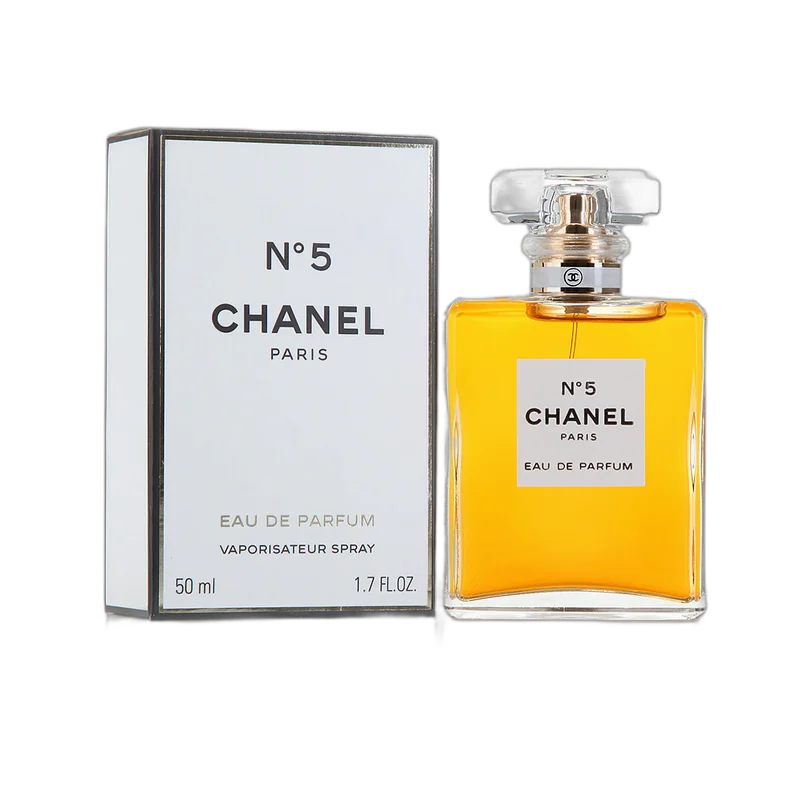
No 5 Eau De Parfum
Ernest Beaux's 1921 formula for Coco Chanel is the fragrance most people mean when they ask whether perfume goes off, because it is the one they inherit. He overdosed a set of aldehydes onto a bed of May rose and jasmine to build something abstract rather than a single flower, and the current eau de parfum dates to a 1986 reworking by Jacques Polge. That aldehydic sparkle is exactly the part that ages first. In an old bottle the bright, soapy, almost candle-wax top loses its fizz and the florals underneath go slightly stewed, so an heirloom No 5 often smells heavier and more powdery than a fresh one rather than obviously spoiled. The grand parfum extrait keeps longest thanks to its oil load, the eau de toilette the least. None of this makes the fragrance worthless, and vintage batches have their own following, but it explains why the bottle from your grandmother's dresser rarely smells like the counter tester. Made in-house by Chanel and never licensed, it remains the reference point for how a great floral shifts over decades. If any perfume rewards careful storage, it is this one.
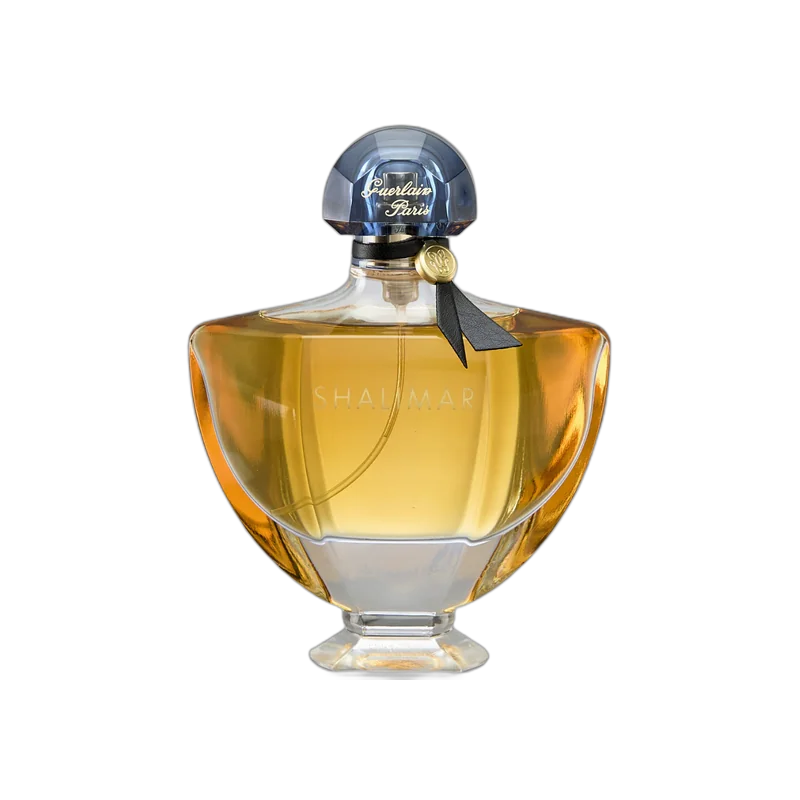
Shalimar Eau De Parfum
No fragrance turns up more often in vintage-collecting circles than Shalimar, which makes it the counter-argument to the idea that all perfume spoils quickly, because dense oriental ambers are the great survivors of the shelf. Jacques Guerlain built the house classic in 1925 around a bergamot open crashing into vanilla, tonka, opoponax and a leathery-smoky base, and the current eau de parfum carries a 1986 revision of that formula. Where citrus and aldehydes fade within a few years, the heavy balsamic and vanillic materials here are chemically stable and slow to oxidise, so a well-kept bottle can read close to true a decade or more on. This is why enthusiasts trade older batches of it and argue that the pre-reformulation animalic depth beat the current one. The Guerlinade signature, that powdery vanilla-tonka thread running through the maison's back catalogue, is all over it. Made in-house rather than under licence, it wears warm, smoky and unmistakably old-school, an evening and cold-weather scent by nature. Store it in the dark and it will outlast most of what sits beside it on the shelf. For anyone worried a treasured amber will turn, this is the reassuring case.
The two fragrances above sit at opposite ends of that scale, which is the whole point of putting them side by side. Chanel No 5 leans on aldehydes and florals, the sparkling, soapy materials that lose their fizz first, so an inherited bottle often smells heavier and stewed rather than bright. Guerlain Shalimar is the opposite case, a dense amber built on vanilla, tonka and balsamic resins that oxidise slowly, which is exactly why vintage collectors prize it. Buy both on the same day, forget them for a decade, and the Shalimar will still read close to true while the No 5 will have quietly shifted.
How to Tell If a Perfume Has Gone Bad
You do not need equipment, just your nose and eyes. The most reliable tell is a change at the top. Spray a fresh fragrance and the opening should have life and clarity. A fragrance past its best often smells sour, metallic or faintly like nail-polish remover in the first few seconds, the signature of oxidised alcohol and broken-down top notes. The bright, recognisable opening flattens out or goes off-key.
Colour is the second signal. Most juices darken with age, and a shift from pale straw to deep amber is normal and not necessarily a problem on its own. Cloudiness, sediment or a dramatic colour change paired with a sour smell is more telling. The third clue is the drydown. If the base that used to carry for hours now collapses within thirty minutes and smells thin, the composition has come apart.
One honest caveat sits under all of this. A little darkening and a slightly muted top does not mean a bottle is ruined, and old perfume will not hurt your skin in any meaningful way beyond a small chance of irritation for the sensitive. The question is usually whether it still smells the way you want, not whether it is dangerous.
The PAO Symbol, Batch Codes and What They Really Mean
That little open-jar icon on the box, printed with a number and an M, is the Period After Opening. A 36M or 24M marking is a regulatory figure suggesting how many months the product is considered good once opened. Treat it as a conservative legal guide rather than a real expiry date, because a well-stored dense oriental will easily outlast its printed PAO, while a citrus splash left in the sun may not reach it.
Batch codes are more interesting for the curious. That short alphanumeric string stamped on the base or box encodes when the bottle was produced, and free online batch-code checkers will decode most major houses. It will not tell you if a fragrance has spoiled, but it does tell you roughly how old the juice is, which matters when you buy from a discounter or the second-hand market.
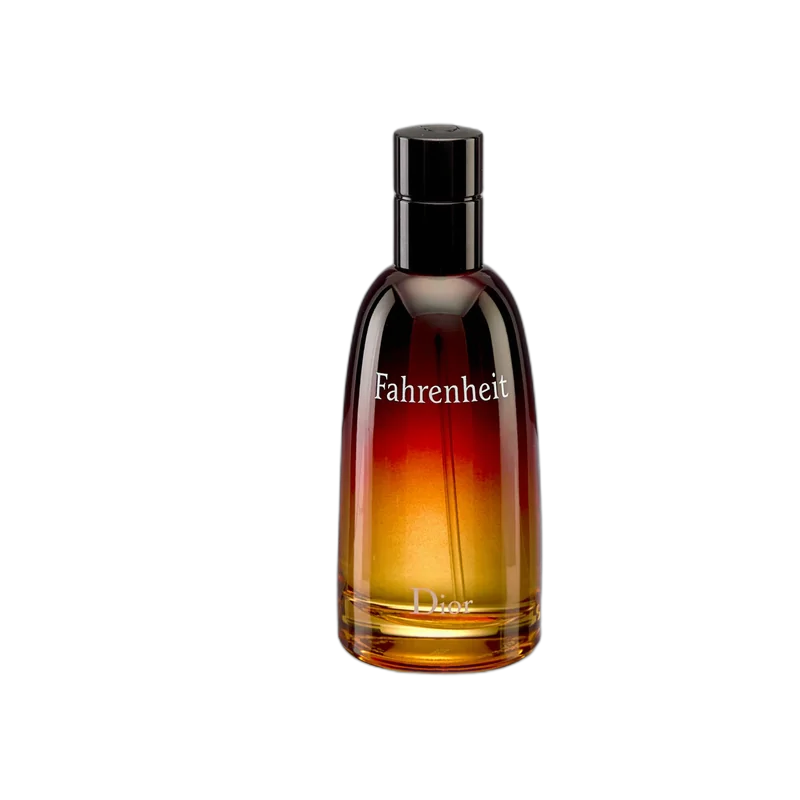
Fahrenheit Eau De Toilette
The petrol-and-violet accord at the heart of Fahrenheit has no real precedent, a metallic, almost hydrocarbon note laid over leather, nutmeg and a green mandarin top, and it is exactly the material batch-code obsessives argue about most. Jean-Louis Sieuzac composed it at Roure in 1988, which makes it the perfect lesson in how reformulation and ageing muddy the picture. That divisive opening is precisely the part collectors say has softened across decades of IFRA-driven tweaks and quiet production changes, so two bottles with different batch codes can smell noticeably apart even when neither has gone off. It is an eau de toilette, so its lighter top notes are more exposed to oxidation than a heavy parfum, and an aged bottle tends to lose some of the raw petrol bite up front while the leathery drydown holds. None of that is spoilage so much as evolution, and plenty of wearers prefer the mellower older juice. Made in-house by Dior, it remains one of the most recognisable masculines ever released. If you want to understand why fragrance forums fight over batch numbers, Fahrenheit is the case study.
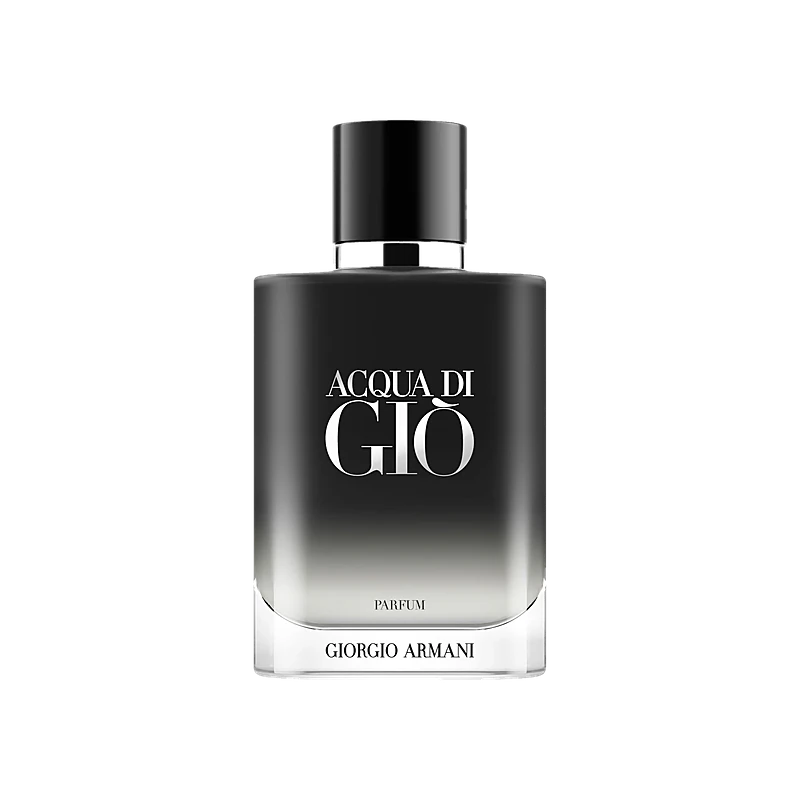
Acqua Di Gio
Armani's Acqua di Gio is the clearest illustration of why citrus-forward fragrance has the shortest shelf life once opened. Alberto Morillas built the 1995 original around a bright bergamot, lemon and neroli top over a marine calone accord and a light woody musk base, and that airy freshness is the whole appeal. It is also the whole vulnerability, because citrus oils and the volatile aquatic materials that give the scent its lift are the first things to oxidise. An opened bottle left in warm light will lose that sharp, wet-stone brightness within a couple of years and start to read flatter and slightly sour up top, even as the woody-musk drydown carries on. That is the trade-off with the entire fresh aquatic genre this fragrance more or less founded. Made for Armani under licence by L'Oreal, it has been one of the best-selling masculines on earth for three decades and spawned a wall of flankers, the Profumo and Parfum among them. Buy it in a size you will actually finish, keep it out of the bathroom, and it will stay true. Treat it as a long-term cellar bottle and the top notes will let you down first.
Those two masculines show why age and reformulation are easy to confuse. Dior Fahrenheit is the fragrance batch-code obsessives argue about most, its petrol-and-violet opening softened by decades of quiet reformulation, so two bottles with different codes can smell apart even when neither has turned. Armani Acqua di Gio is the plainer lesson in shelf life, a citrus-and-marine scent whose bright top oxidises fastest of anything here once the bottle is opened and exposed to warmth. If you are drawn to fresh, citrus-driven scents, our roundup of the best citrus fragrances is worth a look, and it is worth buying those in sizes you will finish.
How to Store Perfume So It Lasts
The rules are simple and they all follow from oxidation, light and heat. Keep bottles somewhere dark, cool and stable. A drawer, a wardrobe or a cupboard away from radiators and windows beats an open shelf every time, however good the collection looks lined up on display. Steady temperature matters more than a cold one, so avoid anywhere that swings hot and cold through the day.
The original box earns its keep here, blocking light entirely, so keep it and use it for anything you are storing long term. Leave the cap on between wears to limit air exposure, and try not to shake bottles unnecessarily. The single most common mistake is the bathroom cabinet. It is the worst place in the house, cycling through heat and humidity every time the shower runs, and it will age a fragrance faster than anywhere else.
A few people freeze or refrigerate their collection, and a dedicated wine-style fridge does genuinely slow ageing, but for most it is overkill. A dark drawer at room temperature does almost all the work. If you are still building a collection and unsure what deserves the careful treatment, our first-fragrance guide is a sensible starting point.
When Old Perfume Is a Feature, Not a Fault
Here is the part the expiry-panic articles leave out. A subset of fragrance lovers actively hunts old bottles, because some compositions mellow beautifully with age rather than spoiling. Vintage collectors will pay a premium for pre-reformulation batches of the great orientals and chypres, arguing the older animalic and oakmoss-heavy formulas had a depth that IFRA restrictions and modern reworkings stripped out. For those juices, a decade in a dark cupboard is not decay so much as maturing, the harsh edges of the top notes settling into the rich base.
This does not apply to everything. A vintage citrus or a fragile modern aquatic will simply be a shadow of itself. But a well-stored amber, a leathery oriental or a resinous incense can be as good as or better than the current release. The skill is knowing which is which, and that comes back to the same rule that governs all of this. Heavy, stable materials keep. Light, volatile ones do not.
The Short Answer, and What to Do About It
So does perfume expire? Yes, but sensibly rather than catastrophically. Assume three to five years for an opened bottle, longer for the dense orientals, shorter for the citrus and aquatics, and far longer for anything sealed and stored well. Judge by the smell rather than by the calendar. If the top notes have gone sour and the drydown has collapsed, it is done. If it has just darkened and softened a little, it is probably fine, and it might even be better.
The practical takeaways are short. Store everything dark and cool, keep the boxes, stay out of the bathroom, and buy citrus-forward scents in sizes you will actually finish. Everything else is worth understanding but rarely worth worrying about.