
Miss Dior vs Coco Mademoiselle — Which to Buy
The Short Version
These are the two French-house feminines shoppers put side by side more than any others, and for good reason: they are built from the same two materials. Both are rose over patchouli. Both come from a heritage Paris maison. Both sit in the same designer bracket and turn up on every counter that stocks either. Yet they wear nothing alike, and that is the whole story.
Miss Dior is the romantic one. The 2012 reworking is a soft, warm rose laid over a clean, fruity patchouli, bright at the top and faintly powdery at the base, and it reads young and easy rather than serious. Coco Mademoiselle is the assured one. It runs a drier, soapier patchouli under its rose and citrus, and the result is polished and a little assertive, the scent that reads grown-up whatever your age.
So the choice comes down to attitude. If you want rose that feels tender and a touch girlish, buy the Dior. If you want rose with backbone and a cleaner, drier finish, buy the Chanel. Everything below is the detail behind that split.
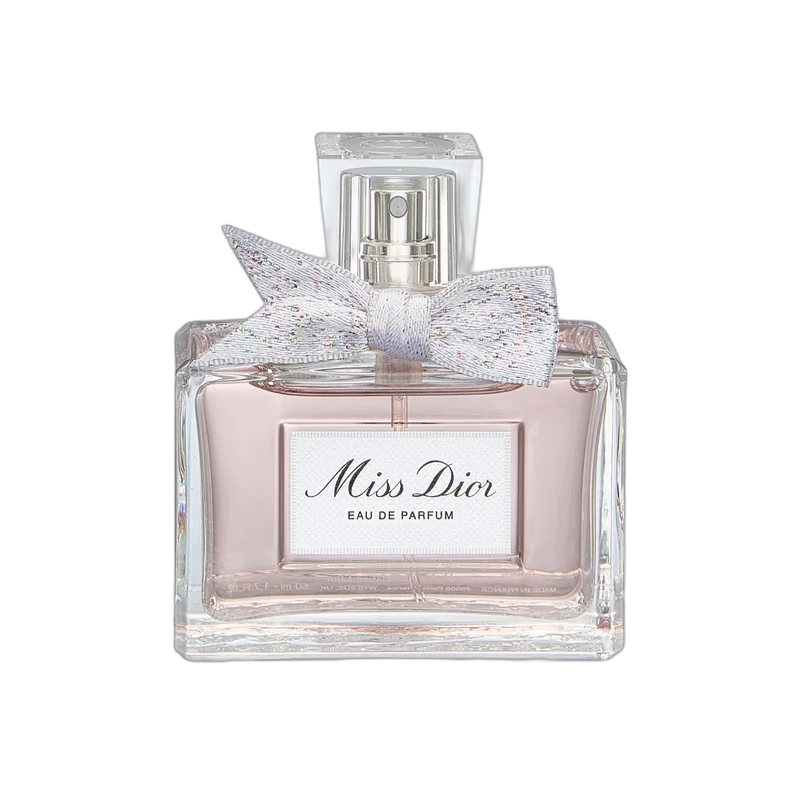
Miss Dior 2012 Eau De Parfum
The romantic half of this pairing and one of the most cross-shopped feminines on any French counter. Dior overhauled the Miss Dior name in 2012, turning what had been a mossy green chypre into this bright rose-and-patchouli floral built by François Demachy at the house's own lab. The construction everyone knows lives here, a Grasse rose over a clean, fruity patchouli, with blood orange and mandarin lifting the top and a pink pepper and rosewood heart giving it a little bite before the base rounds off soft and faintly powdery. It reads young and warm rather than serious, closer to a first-date scent than a boardroom one, which is exactly the register Dior wanted when it repositioned the line for a new generation. Natalie Portman has fronted it across the whole run, and the pleated houndstooth flacon with its grey bow is one of the more recognisable shapes on a department-store shelf. Projection sits moderate and longevity runs most of a day on skin, not a beast but no wallflower either. For romantic rose done soft, modern and unmistakably Dior, this is the pillar to know and the anchor of a long flanker line.
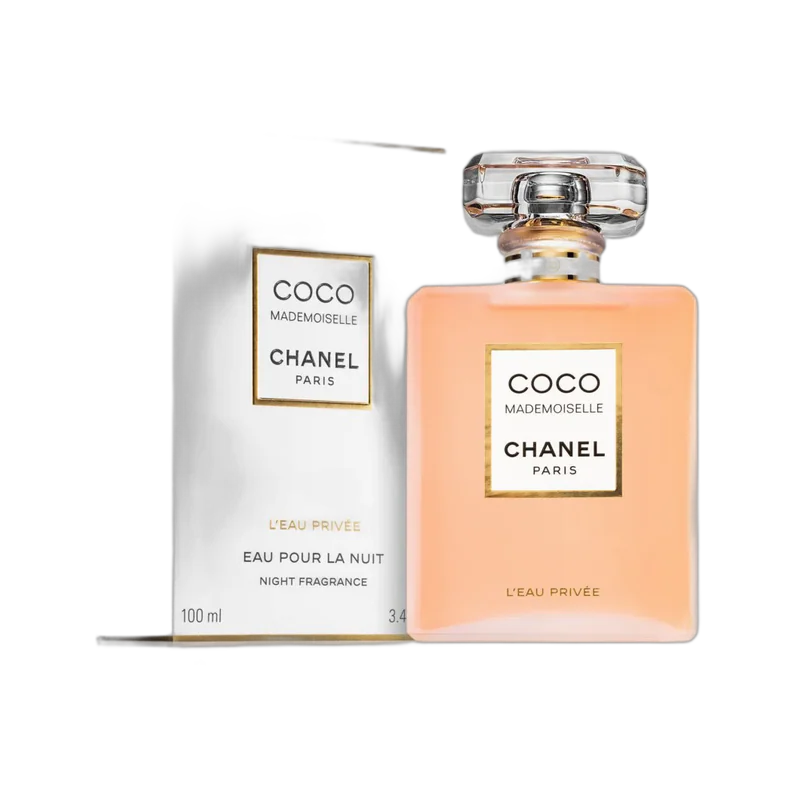
Coco Mademoiselle Eau De Parfum
Chanel's 2001 answer to the question of how to make a chypre feel young, and the drier, more assertive counterpoint in this pairing. Jacques Polge composed Coco Mademoiselle in-house as a lighter, brighter reworking of the original Coco, built on the same patchouli spine but scrubbed clean and lifted with citrus. Orange and bergamot open it sharp, a rose and jasmine heart carries the middle, and the whole thing settles onto that unmistakable Chanel patchouli and white-musk base with a touch of vanilla and vetiver keeping it polished rather than earthy. The patchouli here is the point, dry and slightly soapy rather than dark, which is what gives the scent its clean, assured bearing and its knack for reading grown-up at any age. Keira Knightley has carried the campaign for years and the clean rectangular bottle is pure Chanel restraint. Performance is strong, projecting well for hours and lasting a full day, output that justifies the badge. It wears equally at a desk, a wedding or a dinner, which is why it has stayed a best-seller for two decades. For polished rose-patchouli with backbone, this is the reference.
How the scent profiles compare
The same note families charted on each card above, lined up so you can see where each one leans.
How They Differ
Start with the patchouli, because that single material is where the two part ways.
Both scents are rose-and-patchouli constructions, but the patchouli is treated in opposite directions. Miss Dior uses a fruity, rounded version of it, sweetened and softened so it sits under the rose as a warm cushion rather than a statement. The effect is romantic and a little powdery, and the blood orange and mandarin up top keep it bright and approachable. Coco Mademoiselle takes the same note and scrubs it clean, drying it out and lifting it with orange and bergamot until it reads soapy and crisp rather than earthy. That dry patchouli is the backbone of the whole thing, and it is what gives the Chanel its composed, slightly formal bearing.
The rose follows the same divide. Miss Dior's Grasse rose is soft and warm, the kind that reads as tenderness. Coco Mademoiselle's rose sits in a jasmine heart and comes across sharper and more polished, less about romance than about poise. One rose leans into feeling; the other leans into finish.
The way each one opens and settles tells the story again. Miss Dior hits with citrus and pink pepper, then relaxes fast into its soft rose-patchouli warmth and stays gentle from there. Coco Mademoiselle opens sharper, with a real citrus bite, and takes its time drying down onto that clean patchouli and white-musk base, holding a crisper edge for most of the wear. The Dior is comfortable from the first spray; the Chanel keeps a little tension in it longer.
Register is where the practical difference lives. Miss Dior reads young and warm, a first-date or a Saturday scent, marketed and worn as something romantic. Coco Mademoiselle is age-agnostic in a way few designer feminines manage, equally right on someone at twenty and someone at fifty, which is why it turns up as a signature across generations. If you want a rose that feels tender, the Dior delivers it. If you want one that feels put-together, the Chanel is the answer. For more on how this kind of soft-versus-assured split plays out across a whole category, our roundup of floral perfumes covers the wider field, and the way each of these reads at different life stages is exactly the question our guide to perfumes by age works through.
Both are marketed hard as feminines and both wear that way, though the drier Chanel is the one the occasional man borrows for its clean patchouli. Neither is trying to be unisex, and neither really is.
Price & Value
Both bottles sit in the same designer bracket, and both are heavily stocked across the retailers we track, which is the most useful thing about cross-shopping them. When a fragrance is this common, the gap between the dearest and the cheapest listing on any given day runs wide, and the live lowest price usually lands well under full department-store retail. That holds for both, so value is rarely the tiebreaker. You are choosing on scent, not on spend.
Where the two differ is the concentration ladder, and it matters more here than usual. Both lines carry more than one strength, and the character shifts as you climb. Miss Dior runs from the lighter Eau de Toilette editions through the Eau de Parfum we pin here and up to the richer Parfum, and the range genuinely changes the wear, with the lighter versions leaning fresher and greener and the heavier ones warmer and more rounded. Coco Mademoiselle spans an Eau de Toilette, the Eau de Parfum pinned here, an Intense and a Parfum, and the same logic applies, with the Intense pushing the patchouli and amber deeper while the EDT stays crisper and more citrus-forward. It is worth knowing which rung you are buying, because the flankers sit side by side on a shelf and are easy to confuse.
On longevity, the Chanel has a slight edge in this pairing. Coco Mademoiselle projects well for hours and lasts a full day, output that earns the badge. Miss Dior sits a touch quieter, moderate in projection and lasting most of a day rather than all of it, which suits its softer character. Neither is a skin scent you lose by lunchtime. Sample before you commit at the dearer end, because rose and patchouli both read differently from one person to the next, and the dry patchouli in the Chanel in particular is the kind of note you want to test on your own skin first.
Which One to Buy
Here is the split, as plainly as it goes.
Buy Miss Dior if you want rose that feels soft and romantic. The 2012 reworking is warm, bright and a little powdery, an easy scent to wear that reads young without reading juvenile. It is the better shout for daytime, for warmer weather and for anyone whose taste runs to tender rather than assertive. The projection is moderate and the whole thing sits close and comfortable, which is part of the charm, so go in expecting a scent that flatters rather than announces.
Buy Coco Mademoiselle if you want rose with backbone. The dry, clean patchouli gives it a composed, put-together bearing that works at a desk, a wedding or a dinner without ever misjudging the room, and it holds its poise across every age in a way few designer feminines do. It projects harder and lasts longer than the Dior, so it is the pick if performance matters, and it is the safer choice if you want one bottle to cover everything.
If you genuinely cannot choose, think about the finish you want. People who love a soft, warm rose find Coco Mademoiselle a fraction sharp and formal, and reach for Miss Dior instead. People who want polish and staying power find Miss Dior a touch quiet and simple, and land on the Chanel. Both are built from the same two materials, so the family resemblance is real, but the attitude is opposite, and that is the only decision that matters here.
Compare designer rose perfume prices across every retailer on Aurexum