
What Is Ambroxan? The Molecule in Everything
What Ambroxan Actually Is
Ambroxan is a synthetic recreation of the single most important scent molecule in ambergris. It smells of warm, salty, mineral skin, with a faint woody-musky glow that seems to radiate off the wearer rather than sit on top like a top note, and it is now in a huge share of modern releases because it lasts, it projects, and it makes almost anything smell like expensive skin.
If you have smelled a mainstream designer fragrance made in the last decade, you have almost certainly smelled ambroxan. It is the reason so many recent launches share a similar warm, clean, skin-close signature underneath their fruit and spice, and it is the material most people mean when they say a fragrance "smells like everything else now". Understanding it is the fastest way to understand why modern perfumery smells the way it does.
The Whale, the Beach and Why Synthesis Mattered
Ambergris is the origin story. For centuries it was one of the most prized materials in perfumery: a waxy substance that forms in the gut of sperm whales, gets expelled, and floats for years, curing in seawater and sunlight until it washes up as grey lumps that smell of warm skin, salt and clean animal musk. It was used to give perfumes body, warmth and a strange lasting radiance nothing else could match.
The problem is obvious. Real ambergris is rare, wildly expensive, ethically fraught given its origin, and impossible to source at the scale a mass-market fragrance needs. So chemists went looking for the molecule doing the work. The key one turned out to be ambroxide, and by the middle of the twentieth century it could be made synthetically from clary sage rather than harvested from whales. That synthetic material, sold under trade names like Ambroxan and Ambrox, with close chemical cousins like Cetalox doing similar work, gave perfumers the best part of ambergris on tap, cheaply, consistently and cruelty-free. That combination of cheap, legal and reliable is exactly why it took over.
Why It Took Over After Sauvage
Ambroxan was already common by the 2010s, but one launch turned it into a phenomenon.
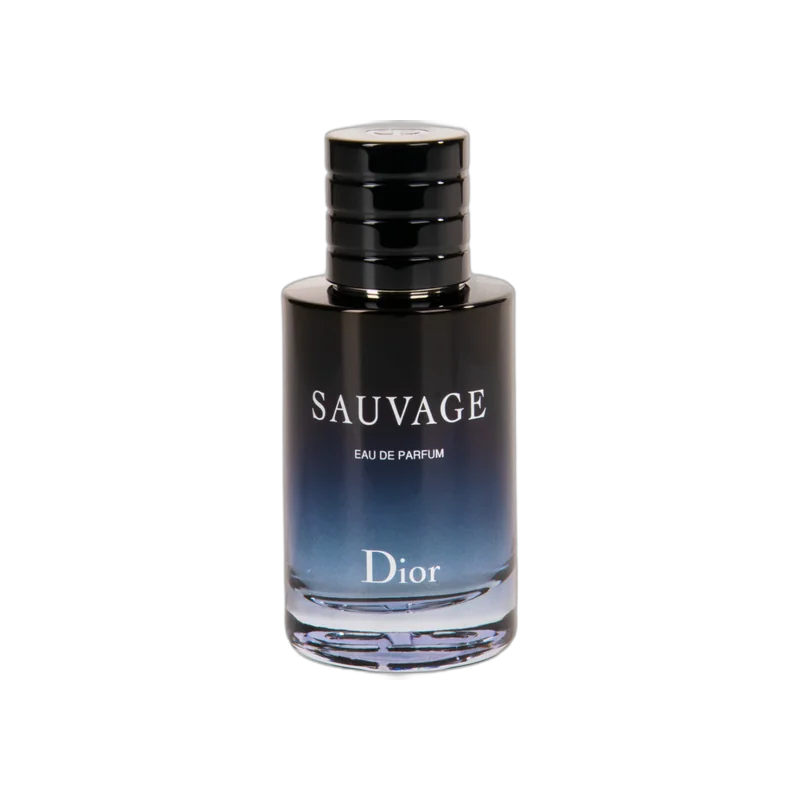
Sauvage Eau De Parfum
Dior's 2018 reboot of its own house masculine, composed by François Demachy and now the biggest-selling men's fragrance on the planet. The Eau de Parfum takes the fresh original somewhere warmer and denser, opening on bergamot and a huge dose of Sichuan and pink pepper before the star material arrives, a wall of ambroxan that reads as warm, salty, mineral skin and carries the whole thing for hours. Lavender, star anise and a little vanilla soften the middle, but nobody buys this for the middle. What they buy is the reach, and it projects hard and lasts most of a day, the ambroxan doing the heavy lifting so it wears close to identical on almost everyone. That very consistency is why it became the default gym-bag and first-date scent for a generation, and why the note itself is now shorthand for modern designer perfumery. Fronted by Johnny Depp and stocked absolutely everywhere, it is the mainstream ambroxan vehicle, the bottle most people have smelled without ever knowing what the material was called. If you want to understand what ambroxan does at full designer volume, start here.
Dior Sauvage Eau de Parfum poured the material in at full volume, paired it with a huge peppery-fresh opening, and became the biggest-selling men's fragrance in the world. Overnight, ambroxan stopped being a quiet base material and became a headline, the sound of the modern designer masculine. Every house wanted the reach, the skin-close warmth and the "smells expensive" quality Sauvage got from it, and the material started turning up everywhere as houses chased the same effect.
The appeal to a fragrance brand is easy to see. Ambroxan is cheap, it is stable, it survives IFRA restrictions that have gutted other classic materials, and it makes a formula project and last with very little else in the bottle. For anyone weighing whether that reach is worth it, our guide to projection and sillage explained breaks down what those terms actually mean on skin. And if it is Sauvage specifically you are weighing, the differences across the Sauvage concentrations come down in large part to how heavily each leans on this exact molecule.
What It Actually Smells Like
On its own, ambroxan is quieter and stranger than its reputation suggests. It is not sweet, it is not fruity, and it does not smell like a note you could name. The closest description is warm skin just out of the sun, a dry, slightly salty, faintly woody-musky radiance with a mineral, almost stony edge. It reads clean rather than dirty, and modern rather than vintage. Some people find it comforting and skin-like, others find it thin, screechy or headache-inducing at high doses, and that split is worth knowing before you buy.
The purest way to learn it is to smell it close to neat, with almost nothing layered over the top.
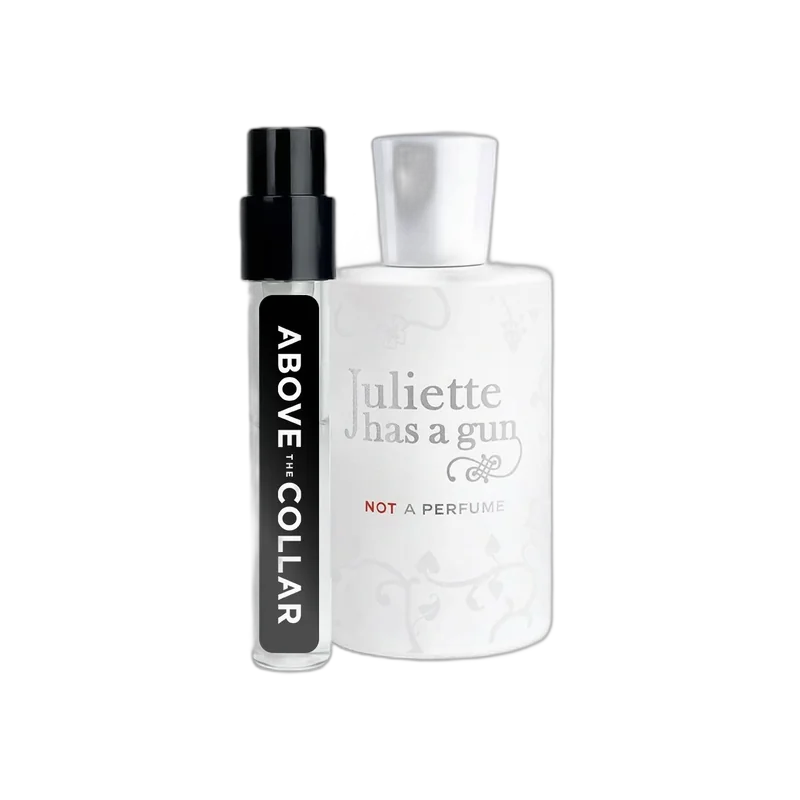
Not A Perfume Eau De Parfum
Juliette Has a Gun's 2010 provocation and the purest ambroxan demonstration you can buy, built by house founder Romano Ricci as very nearly the molecule alone in a bottle. Not a Perfume is Cetalox, a stabilised ambroxan-type material, worn almost neat, with barely anything else in the formula. The joke in the name is the pitch, no notes, no pyramid, no allergens to speak of, just warm skin-musk radiance that smells clean, faintly salty and slightly mineral without ever announcing a fruit or a flower. Because there is nothing layered over it, this is the reference for what ambroxan actually smells like on its own, and a genuinely useful sampling exercise before you spend on the designers built around it. It wears unisex by definition and sits very close to the skin, projecting softly but hanging on for hours as a second-skin scent rather than a statement. Some read it as the ultimate minimalist perfume and others as a clever anti-perfume gag that costs real money, and both are fair. Either way it is the cleanest way to learn your own tolerance for the material before it turns up everywhere else.
That is Juliette Has a Gun's Not a Perfume, which is very nearly the molecule alone in a bottle. Worn on skin it is the reference sample for what ambroxan does with no help, soft, salty, mineral, close to the skin, and either quietly brilliant or faintly disappointing depending entirely on your nose. If you want a genuinely honest test of your own tolerance before spending real money on the designers built around it, this is the one to try first.
The Same Molecule at Five Different Doses
The most useful way to understand ambroxan is not as a note but as a dial. Perfumers turn it up or down and dress it in different things, and the same material can read as an austere fresh masculine, a sweet luxury cloud, a fruity summer radiance or a clean skin scent depending purely on dose and what surrounds it. The five bottles below are the same molecule at five settings, arranged from the loudest, most out-front use to the most buried and supporting.
At full designer volume it is Sauvage, austere and peppery, the ambroxan carrying everything. Turn it up but pour sweetness over the top and you get the luxury expression.
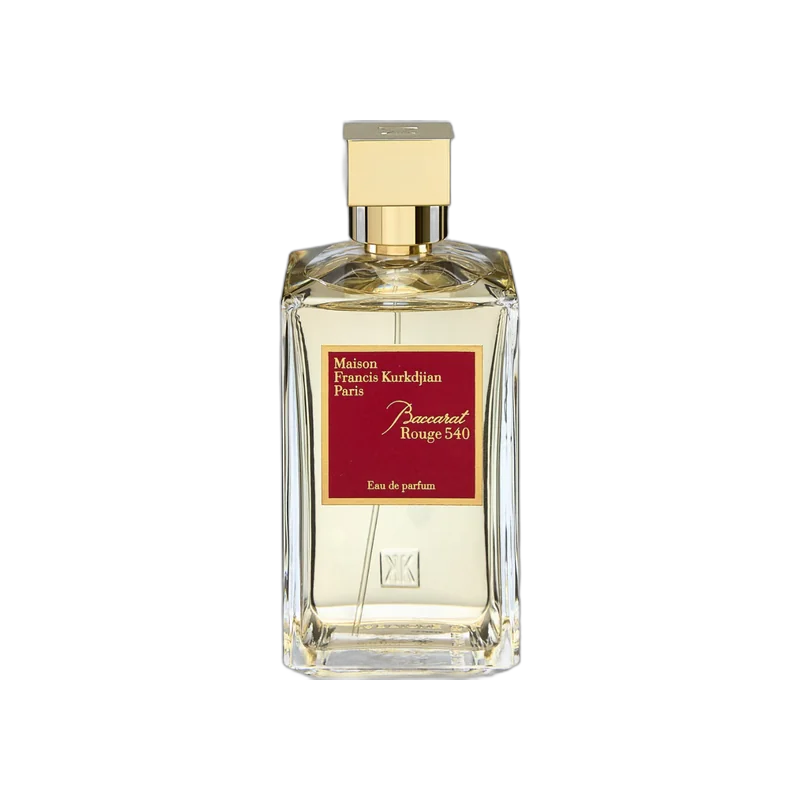
Baccarat Rouge 540 Eau De Parfum
Francis Kurkdjian's 2016 woody-amber, first made for crystal house Baccarat in 2014 and folded into his own line a year later, and the luxury expression of ambroxan sweetened rather than left dry. The trick here is a pairing: ambroxan supplying that warm, mineral skin radiance, and a generous ethyl-maltol haze pouring cotton-candy sweetness over the top. Bitter saffron and airy jasmine open it, dry cedar anchors it, and the result is proudly synthetic and impossible to place, the ambroxan giving it reach while the maltol makes it read expensive and edible at once. It drifts much the same on everyone, which is the ambroxan signature at work, and seems to hang in every hotel lobby and lift for the same reason. Performance is enormous for what looks like a transparent scent, projecting for hours and clinging to fabric for days. Rihanna and a wave of TikTok did the rest, and it is now among the most cloned fragrances on the market. As a worked example it shows the sweet, gourmand-adjacent end of the ambroxan spectrum, the same molecule as Sauvage put to a completely different purpose.
Baccarat Rouge 540 pairs ambroxan with a heavy ethyl-maltol haze, so the same warm mineral radiance now reads sweet, edible and impossible to place. It is the clearest demonstration that ambroxan itself is a blank warmth: change what sits on top and the entire character changes while the mechanics underneath, the reach and the lasting, stay identical. For anyone chasing that effect without the prestige spend, our list of BR540 alternatives walks the field of dupes and cousins.
Dial it back to a supporting role and it does something quieter.
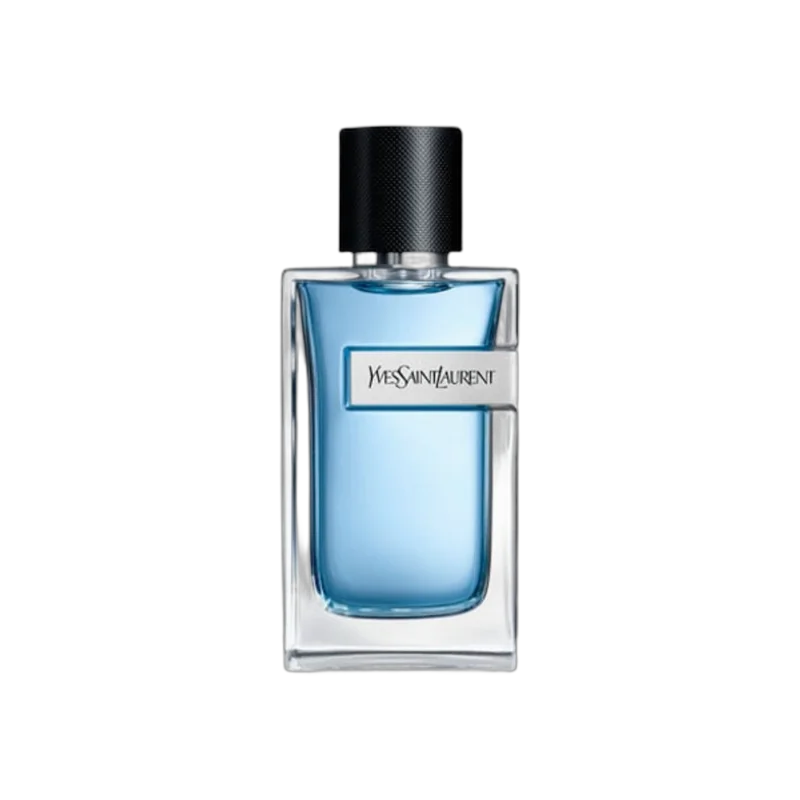
Y Eau De Parfum
Yves Saint Laurent's 2018 masculine pillar and the fresh-sweet designer dose of ambroxan, composed for the house under licence with the material sitting mid-formula rather than out front. Y Eau de Parfum opens crisp and green on bergamot, apple and ginger before a sage and juniper heart, then lands on a base of ambroxan, cedar and tonka that turns the whole thing warm, slightly sweet and skin-close on the dry-down. Here the molecule is a supporting player, giving the fragrance its radiance and staying power without dominating the way it does in Sauvage, which is why Y reads more versatile and less obviously trend-driven than the note's reputation suggests. It projects moderately and lasts most of a working day, an office-to-evening scent that leans clean and modern rather than loud. Made for YSL by L'Oréal and fronted by a rotating cast of campaign faces, it slots neatly between the fresh aquatics and the sweeter ambroxan bombs as the balanced middle option. As an illustration it shows how the same material behaves when a perfumer buries it under fruit and herbs rather than turning it up, a quieter, tidier use of the molecule everyone is talking about.
YSL Y Eau de Parfum sits the molecule mid-formula, buried under bergamot, apple, ginger and sage, so the ambroxan gives the fragrance its warmth and staying power on the dry-down without ever dominating. This is ambroxan as a team player rather than a headliner, and it is why Y reads more versatile than the note's loud reputation suggests.
And it does not have to be austere or sweet at all.
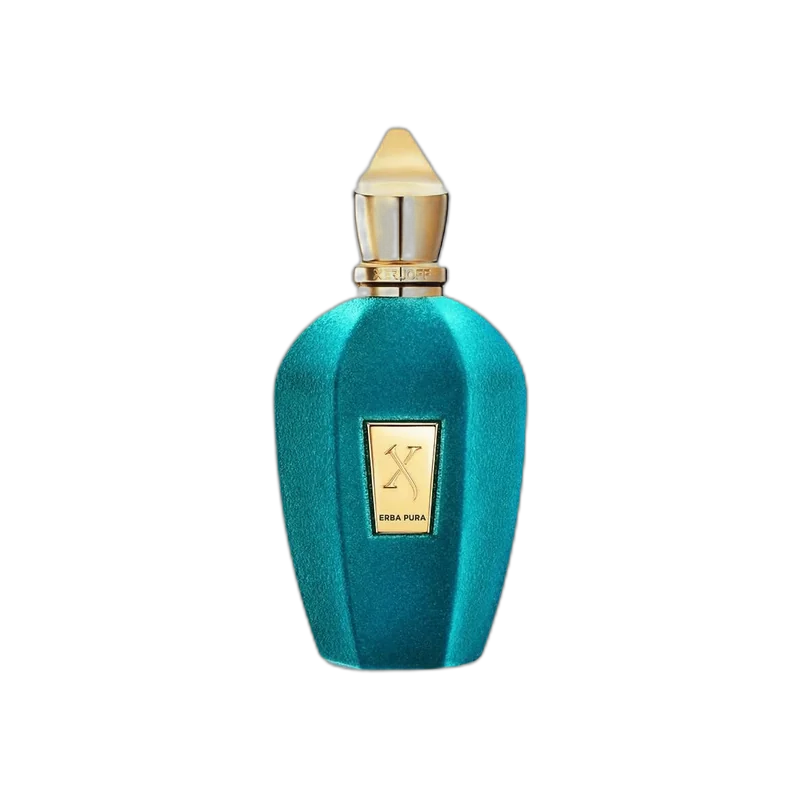
Erba Pura
Xerjoff's 2013 amber-musk radiance and the niche-scale example on this list, built for the Italian house as a bright, fruity crowd-pleaser that leans hard on ambroxan for its glow. Erba Pura opens on a burst of orange, bergamot and sweet tropical fruit before settling into a warm base of amber, white musk and a heavy ambroxan accord that gives it enormous carry and that expensive-skin hum. The fruit keeps it cheerful and summery where Sauvage is austere, but the mechanics underneath are the same, the ambroxan doing the projecting and the lasting while the top notes fade. It wears unisex and skews radiant rather than heavy, throwing a big cloud for the first hours then settling into a musky, mineral second skin that holds most of a day. Performance is the selling point and the reason it developed a cult following well beyond its price bracket, output you normally pay far more for. As a worked example it shows ambroxan dressed in fruit at niche cost, proof that the same molecule anchoring the designer bombs can carry something warm and playful. For fruity radiance with genuine reach, it is one of the house's most reached-for bottles.
Xerjoff Erba Pura dresses the same material in orange, bergamot and tropical fruit, then lets the ambroxan and amber base carry a bright, cheerful radiance for hours. Same molecule, same mechanics, completely different mood, this time at niche scale and with real projection. Together the five show the full spread: solo and neat, loud and dry, sweet and luxe, buried and versatile, fruity and radiant.
The "Smells the Same on Everyone" Problem
One property of ambroxan comes up constantly, and it is real. Because it is so radiant and so dominant, high-ambroxan fragrances tend to smell remarkably similar from one wearer to the next. Skin chemistry, which meaningfully bends older-style perfumes built on naturals, has much less to work with when a formula is anchored by a single powerful synthetic. That is why Sauvage and Baccarat Rouge 540 are so often described as drifting "the same on everyone", and why they became such reliable blind-buy gifts.
Whether that is a feature or a flaw depends on what you want from a fragrance. If you want something that reads consistent and unmistakable and needs no dial-in, it is a genuine strength. If you want a scent that becomes yours, that shifts and settles into your own skin, a heavy ambroxan base can feel a little anonymous, the same expensive skin everyone else is wearing.
Ambroxan Fatigue Is Real Too
The flip side of ubiquity is exhaustion. Because the material is cheap, reliable and effective, houses have leaned on it so hard that a large slice of recent releases share the same warm, synthetic, skin-close signature underneath their top notes. Enthusiasts increasingly talk about ambroxan fatigue: the sense that too many new designers smell like variations on the same base, and that the material has become a crutch for making a thin formula project rather than a considered choice.
There is also the high-dose problem. Overdosed ambroxan can read harsh, dry and screechy to sensitive noses, and some people get an actual headache from the biggest offenders. If a modern fragrance has ever smelled to you like it was shouting a clean, salty, slightly metallic note straight up your nose, that was very likely ambroxan turned up too far.
How to Tell If You Like It Before Buying
The single best move is to smell the molecule close to neat first. Not a Perfume is the cleanest way to learn what bare ambroxan does on your skin and whether you find it comforting or thin, and it costs far less than discovering you dislike it after buying a full bottle of something built around it. From there, sample across the spectrum: a loud dry version like Sauvage, a sweet one like Baccarat Rouge 540, and a buried one like Y, so you can feel how much the surrounding notes change your read on the same base.
Pay attention to how it wears over the day, not just the first spray. Ambroxan is a dry-down material, so the opening of any of these tells you little; what matters is what sits on your skin three and six hours in. And trust your own tolerance. If the neat molecule gives you a headache, no amount of fruit or spice on top is going to fix that, and you are better served by the fragrance families that lean on other materials entirely.
Compare ambroxan fragrance prices across every retailer on Aurexum