
Designer Private Collections Worth Trying
What a Private Collection Actually Is
Every major designer house now runs at least one tier above its department-store line. Armani Privé, Bvlgari Le Gemme, Chanel Les Exclusifs, Dior La Collection Privée — these are the houses' boutique-tier answers to the niche market, sold at niche prices, sometimes in niche-sized bottles, and stocked only through selected retailers and house flagships. The pitch is richer materials, quieter marketing and a price point that signals connoisseurship without requiring the buyer to step outside a familiar name.
The pitch is not wrong, exactly. The formulas do tend to be more complex than the houses' mainstream work. The bottles are heavier and better-finished. The volumes are sometimes smaller and the concentrations higher. The retail positioning — often sold only in house boutiques, or behind a separate counter — reinforces the idea that you are buying something that is not for everyone. None of that is manufactured. It is simply not the whole story.
The honest version of the story is also worth hearing before you spend: at full retail, these collections compete directly with independent niche houses, and the independent houses quite often win on formula. What the designer private lines actually sell is the combination of a name you already trust and packaging that reads as a gift even before it is opened. The materials are better than the mainstream line; they are not always better than a comparable niche house working in the same territory with a smaller marketing overhead. That trade-off is worth understanding rather than ignoring.
The calculus changes at grey-market prices. The retailers we track regularly stock Armani Privé and Le Gemme at discounts that would not embarrass a mid-tier niche house, which is where posts like this one become useful. Grey-market availability on private-collection lines is often better than buyers expect, precisely because these bottles move through authorised retail more slowly than the houses' mainstream hits. The result is more grey-market stock, more frequently, and at deeper discounts. For the honest case on whether designer premium lines are worth it at all, the designer vs niche essay covers the structural argument. For the broader question of where the value actually sits in luxury fragrance, are luxury fragrances worth it goes further.
This post is the practical companion to both: four specific bottles, honest blurbs and live pricing so you can make the call for yourself.
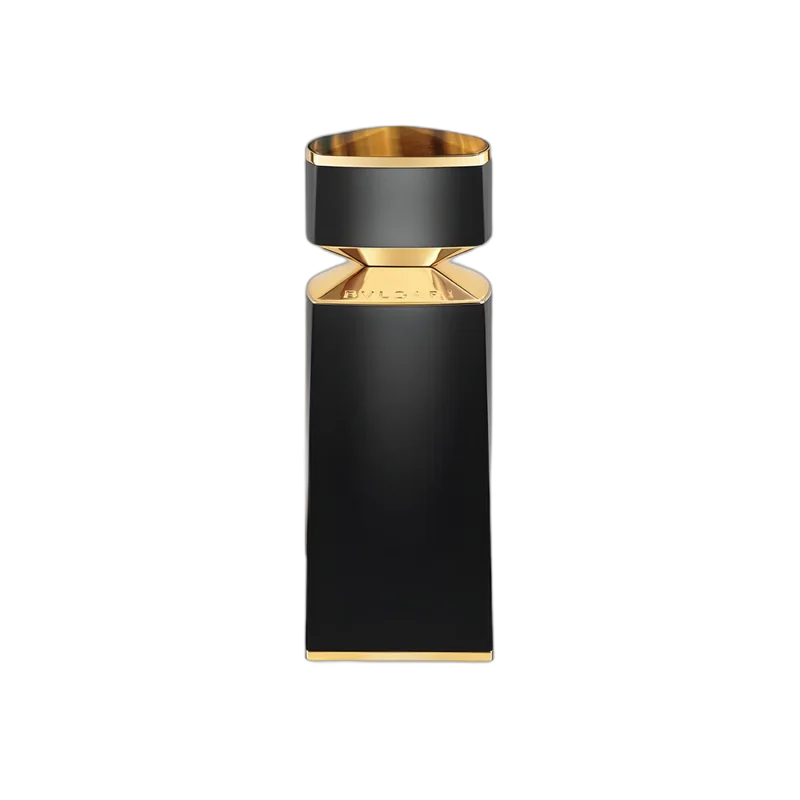
Le Gemme Tygar Eau De Parfum
Bvlgari launched Le Gemme in 2016 as the house's bid for niche credibility, each bottle named after a semi-precious stone and priced deep into prestige territory. Tygar is the line's grapefruit-and-amber standout, and the one that made the collection worth talking about. It opens bright and fizzy with pink grapefruit and bergamot, a citrus burst that feels fresher than anything else in the gem-themed range, then gradually warms through a mid-stage that adds body and richness before settling into an amber and vetiver base that holds the whole thing up. The contrast is the point: the brisk citrus opening and the warm resinous base pull in opposite directions long enough to create some real tension before the drydown resolves it. The bottle is a faceted flacon designed to catch light the way a cut stone does, thick-walled and precisely finished — genuinely distinctive and a good fit for the boutique-tier positioning. On performance, it projects steadily without being aggressive and hangs around on skin for most of a day, respectable but not remarkable at the price. Among the Le Gemme range it is the most approachable entry, which is partly why it also wears convincingly outside the boutique context and suits warm-weather evenings in a way the darker, heavier entries in the collection do not.
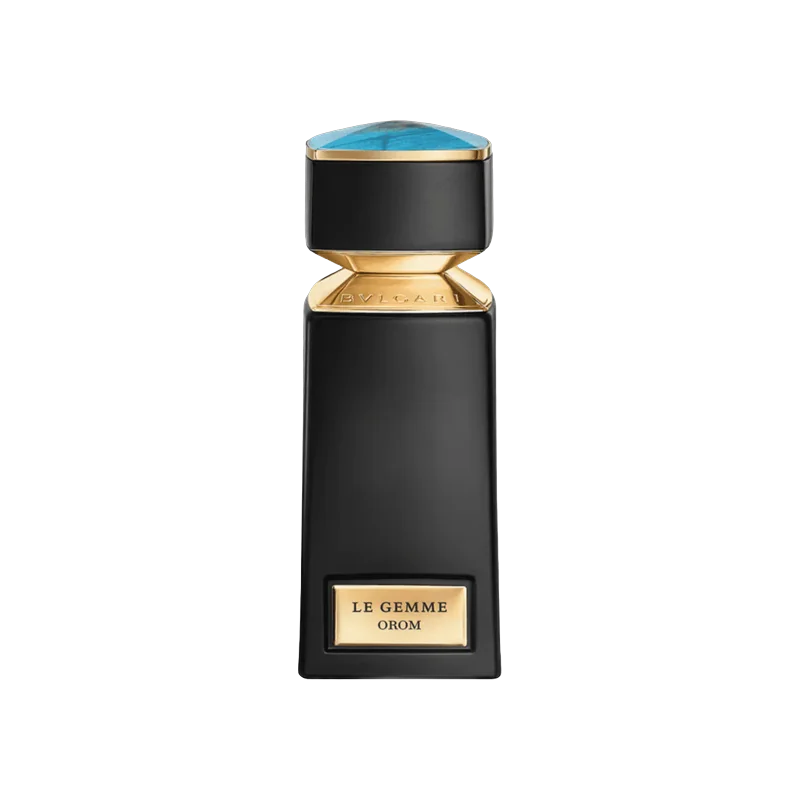
Le Gemme Orom
Where Tygar opens with citrus brightness, Le Gemme Orom goes immediately resinous and warm, making the pair a genuine stylistic contrast despite sharing the same gem-line DNA. Orom was introduced in 2022 as one of the collection's darker entries, built around oud and amber, with saffron and rose adding colour to the opening and a thick base of labdanum, benzoin and sandalwood anchoring the whole structure. The saffron sits forward enough in the early stages to give it a slightly medicinal, spiced edge before the resins take over, and once the drydown is complete you are left with a close, incensy amber that wears quietly but persistently. It reads unisex in the way most oud-amber compositions do, without any heavy gender framing, and sits more comfortably in an autumn or winter rotation than Tygar's citrus brightness allows. Performance is good, closer to what you expect from a resin-heavy base: moderate projection and a long, warm skin-scent finish. On the value question, Orom is the harder sell at full retail given how many independent oud-amber houses work in the same territory for similar money, but the discount the retailers we track apply to Le Gemme stock makes the maths more interesting.
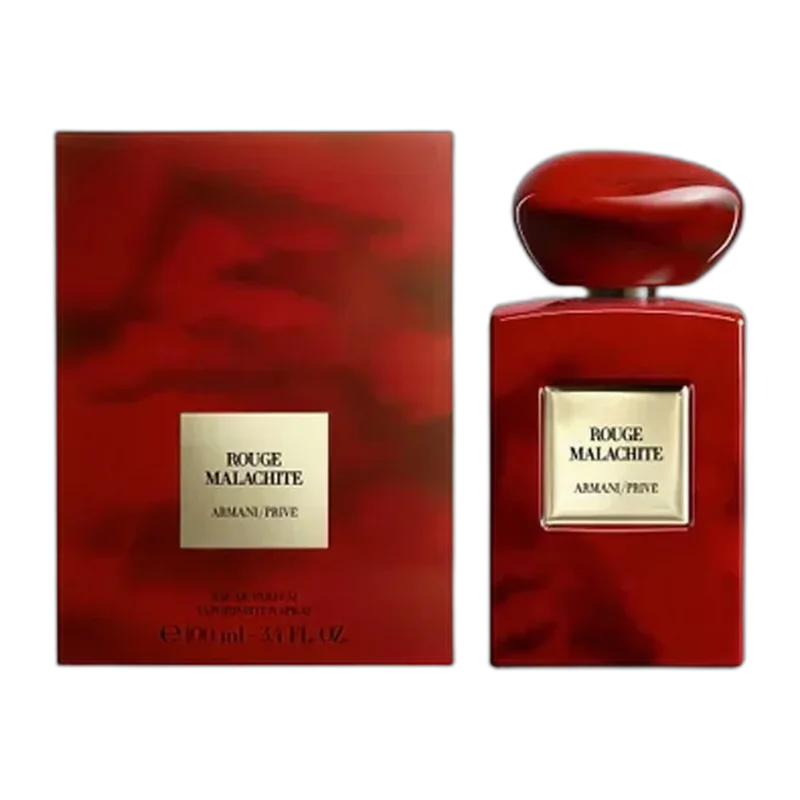
Armani Prive Rouge Malachite
Armani Privé Rouge Malachite is the collection's loudest, most uncompromising statement, and quite deliberately so. Launched in 2016, it takes tuberose and turns it operatic — the opening is all dense white floral, tuberose and ylang-ylang stacked together with just enough bergamot to keep the composition from going entirely airless. The heart deepens it with jasmine and rose, and the base, a blend of musk, vetiver and cedarwood, gives it a woody dry-down that eventually reins in the florals without extinguishing them. The result wears as a full-on floral soliflore in the first hours before softening in the late stages, which means the occasion matters here more than with the Bvlgari pair. This is not an office scent and is not trying to be. It is built for evenings, red-carpet moments, or the sort of wearer who reaches for their fragrance as a statement. The malachite-green bottle and gold Privé typography match that intention. Performance is substantial, projecting boldly in the opening and lasting well into the second half of the day. The full-floral tuberose direction sits outside what most houses on the mainstream designer floor are willing to commit to, which is precisely the point of the Privé line.
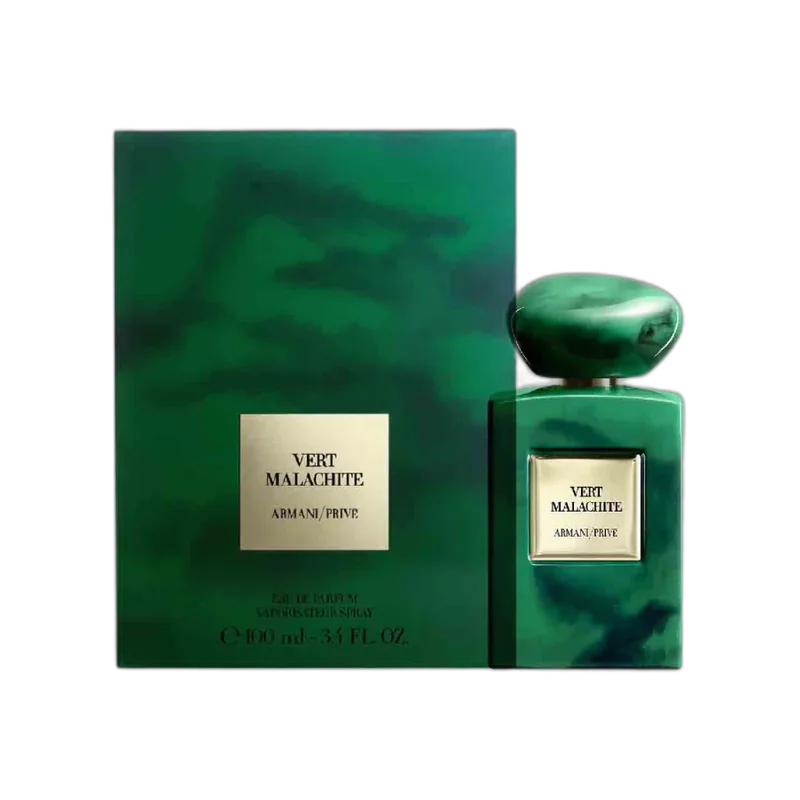
Armani Prive Vert Malachite
Armani Privé Vert Malachite is the cooler, greener answer to its Rouge counterpart, sharing the same 2016 launch and malachite bottle aesthetic but diverging sharply on character. Where Rouge Malachite charges forward with tuberose, Vert Malachite leads with green lily and a sharp vegetal freshness, the kind of dewy, stem-cut green that reads as genuinely natural rather than synthetic. The lily heart is supported by iris and white musk, which lend a powdery, slightly cold texture to the middle, before a base of sandalwood and moss brings it gently back to earth. The overall effect is quiet and composed rather than bold, more wearable across a wider range of situations than the louder floral pair. It suits spring and early summer, or any setting where white-floral drama would be too much. The two Malachite scents work as a diptych: one for grand gestures, one for measured days. Performance lands in line with the rest of the Privé range, moderate projection and a clean, green-musk finish that fades gracefully. The green bottle opposite its red sibling makes a strong case for owning both, but Vert Malachite stands on its own as the more forgiving and more versatile of the two.
The Bvlgari Pair: Contrasting Characters in One Line
Le Gemme is Bvlgari's most ambitious fragrance project, built as a jewel-themed collection with each fragrance named and bottled after a stone. The conceit is consistent and the packaging is genuinely impressive: each flacon is a faceted gem-cut design, thick-walled and light-catching, with weighty stoppers that reinforce the jewel theme throughout. The visual identity is coherent in a way that some designer exclusive lines are not, and it makes the collection feel curated rather than simply extended.
What makes the pair above worth covering together is how cleanly they divide the line's range. Tygar is the citrus-amber crowd-pleaser, accessible and fresh in the open, warm and resinous in the close. It is the easier gateway into Le Gemme, the one that rewards a first-time buyer with something immediately recognisable and wearable before the warmer base unfolds. Orom goes the other direction entirely, leading with saffron and oud and staying resinous and dark throughout. If you are approaching Le Gemme for the first time, these two represent the full spread of what the collection can do: one for wearers who want something familiar with a warm amber resolution, and one for those already comfortable with the darker oud-and-benzoin register.
The Le Gemme line has grown considerably since it launched, adding new stones and new fragrance characters over subsequent years. Tygar and Orom remain among the most discussed and most widely stocked entries in the collection, which is part of why their grey-market availability tends to be better than newer additions. On the value question specific to this line: Le Gemme pricing at full boutique retail puts both bottles in the territory of independent oud and amber houses where the formula is usually the entire focus, not a marketing story. At the discounted prices that show up through the retailers we track, the comparison tilts in Bvlgari's favour — the packaging alone at that price is hard to argue against.
The Armani Pair: One Statement, One Everyday
Armani Privé has a long track record as one of the more consistent designer exclusive lines, regularly delivering formulas that justify the step up from the main Armani Acqua di Gioia or Si range. For a full view of the house's fragrance output, the full Giorgio Armani guide covers the broader range, but the two Malachite releases are worth understanding on their own terms first, because they illustrate the Privé line's internal range better than almost anything else in the collection.
The Malachite pair was designed as a diptych: same bottle shape, same stone-inspired naming convention, same launch year, but pointed in opposite directions. Rouge Malachite is the louder half, a tuberose soliflore built for occasions where a fragrance is meant to announce itself. Vert Malachite is the quieter counterpart, a green lily and iris composition that wears close and clean and suits a far wider range of settings. The naming is deliberate and honest about the distinction — red for heat and presence, green for cool restraint.
The practical implication is that they do not directly compete with each other and are unlikely to appeal to the same wearer in the same season. Rouge Malachite calls for evenings and cooler months where the tuberose can bloom at its fullest without becoming oppressive. Vert Malachite is the pick for spring, for offices, for anyone who wants the Privé label without the drama. Buying one does not preclude the other; the two are designed to cover different registers of the same wardrobe.
Both bottles sit at the upper end of the designer premium bracket. The Malachite-green flacons are among the better-looking in the Privé range, and the colour-coded approach means they read as a matched set even without the Armani branding in view — which counts when these often end up in a collection as much as in daily rotation.
How to Choose
The first question is what you want the fragrance to do. If the answer is project and make an impression, either Rouge Malachite or Tygar fits the brief, the former by force of white florals, the latter by warm amber volume. If you want something that wears without drawing attention, Vert Malachite and Orom are the right half of this group: both quieter, both more versatile season to season, and both more forgiving of imperfect timing and occasion.
The second question is the value question, and it is worth asking honestly. At boutique retail, all four bottles compete with niche houses where the formula is the entire investment. The case for buying at that price rests on the packaging, the designer imprimatur and the convenience of buying from a counter you already know. The house name is not nothing, particularly if you are buying a gift — the Privé and Le Gemme packaging reads as premium in a way that an equally good formula in a plainer bottle from an independent house simply does not. At grey-market prices, that calculation improves considerably, and live lowest prices from our data regularly show meaningful discounts on all four.
For first-time buyers in this tier, the practical approach is to sample before committing to a full bottle. All four of these fragrances are distinctive enough that they can polarise, particularly Rouge Malachite's tuberose density and Orom's oud-forward opening. A sample confirms whether the formula works on your skin before you commit to the bottle price, however discounted it turns out to be.
A practical rule for shopping this tier: check the live price before assuming the bottle is out of reach. Grey-market stock on private-collection lines turns over regularly, and the spread between boutique retail and the retailers we track can be wide enough to change the conversation entirely.
Compare designer private collection prices across every retailer on Aurexum