
Are Luxury Fragrances Worth It?
The Honest Answer, Up Front
Are luxury fragrances worth it? Sometimes, and only when you can actually smell the difference and you have already covered the cheaper ground first. Over about three hundred dollars, the money is buying a mix of real things and theatre, and the whole trick to spending well is telling the two apart before you hand over the card.
That is the entire argument, and everything below is just showing the working. This is not a piece that tells you expensive perfume is a scam, because at the top end some of it genuinely cannot be replicated for a third of the price. It is also not a piece that tells you to trust the number on the box, because plenty of it can be, and the brands would rather you did not run that test. The useful position sits between the two, and it changes fragrance by fragrance, which is why five case studies do more work here than any blanket verdict.
What The Money Actually Buys
Start with the parts of a luxury price that are real, because they exist and they matter. The first is raw materials. Certain naturals are genuinely scarce and genuinely expensive, and a house working at the top of the market can put real oud, real orris, high-grade rose or aged sandalwood into a formula at a concentration a mass brand would never sign off on. You can smell that. A resinous, medicinal oud reads completely differently from the flat woody-amber molecule standing in for it two tiers down, and no amount of clever marketing closes that gap.
The second is concentration and batch size. Smaller runs let a house use more oil, dry down more slowly and skip the corners that volume production forces. The third is the brief itself. A luxury house can fund an unusual or uncommercial idea that no designer accountant would ever approve, and some of the most interesting perfumery of the last decade only exists because someone at the top of the market was willing to lose money being strange.
And then there is the fourth thing, the one the brands never print: exclusivity theatre. The crown on the cap, the numbered bottle, the deliberate scarcity, the story about who wore it. That is real value too, in the sense that people genuinely enjoy it, but it is worth naming plainly, because it is the part that has nothing to do with how the fragrance smells.
What The Money Does Not Buy
Here is the uncomfortable half. Luxury does not reliably buy performance. Longevity and projection are a function of formulation and material choice, not price, and budget houses like Lattafa and Armaf routinely out-project fragrances that cost ten times as much. If you are spending big and expecting a beast, you are often paying more for less. Some of the most expensive scents on the market are deliberately soft, close-wearing things, and that is a stylistic choice, not a fault, but it is not what most people assume the money is for.
Luxury does not reliably buy complexity either. Some top-tier fragrances are gloriously simple by design, and some mid-tier ones are more layered than anything above them. And luxury absolutely does not buy you a compliment magnet that a trained nose could not clock as a clone. Which brings us to the case studies, because the general rules only get you so far, and the honest answer is always specific to the bottle in front of you.
Five Fragrances, Five Verdicts
Take these in order, because they run from the easiest luxury case to make down to the hardest, and the price does not track the argument the way you would expect.
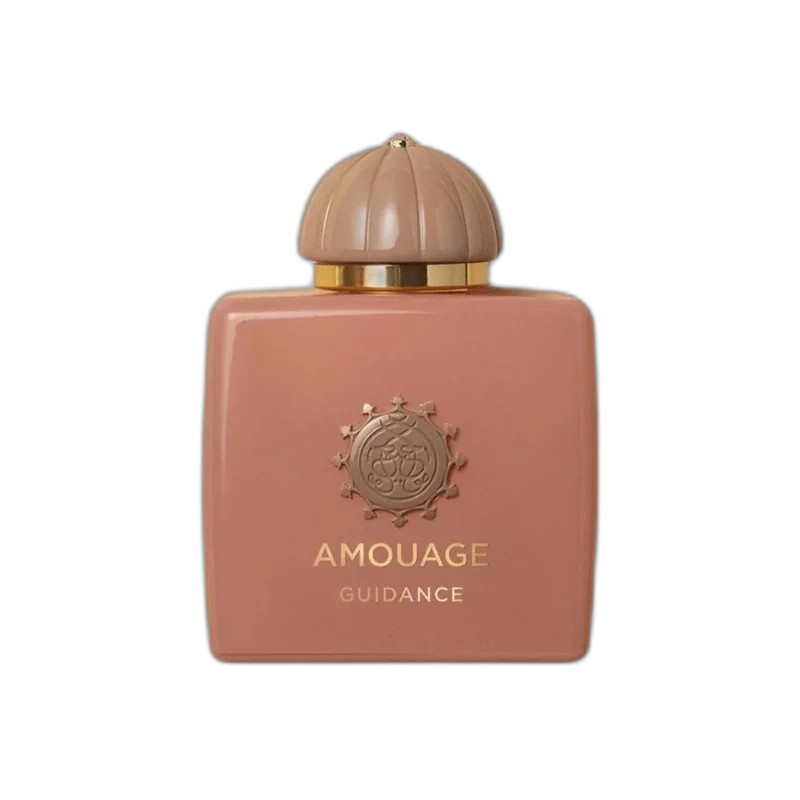
Guidance Eau De Parfum
Amouage's 2023 release and one of the clearest arguments for what real money buys in perfumery, made for the Omani house's modern line. Guidance is a rose, oud and saffron built on materials most brands cannot afford at this quality, with a jammy Turkish rose set against smoky agarwood, incense and a warm labdanum-amber base. The rose is dense and slightly medicinal, the oud genuinely resinous rather than the flat woody-amber stand-in you get further down the market, and the whole thing wears with a depth that reads as expensive because it is. Performance matches the ambition, projecting hard for hours and lasting a full day on skin and longer on cloth, which is the norm rather than the exception in this house. It leans unisex despite the ornate, jewelled presentation and sits firmly in Amouage's upper bracket on price. This is the case for luxury at its most defensible, a fragrance you can plausibly not replicate for a third of the cost because the raw materials simply are not available at that tier. For rose-oud done with money behind it, few houses go this far.
Amouage Guidance is the clean win, the fragrance that makes the whole tier defensible. This is rose and oud built on materials that simply are not available at the mid-market, and you can smell the difference the moment it dries down. Nobody is replicating this for a third of the cost, because the raw ingredients cost what they cost. If you can afford it and you love the style, this is money buying something real.
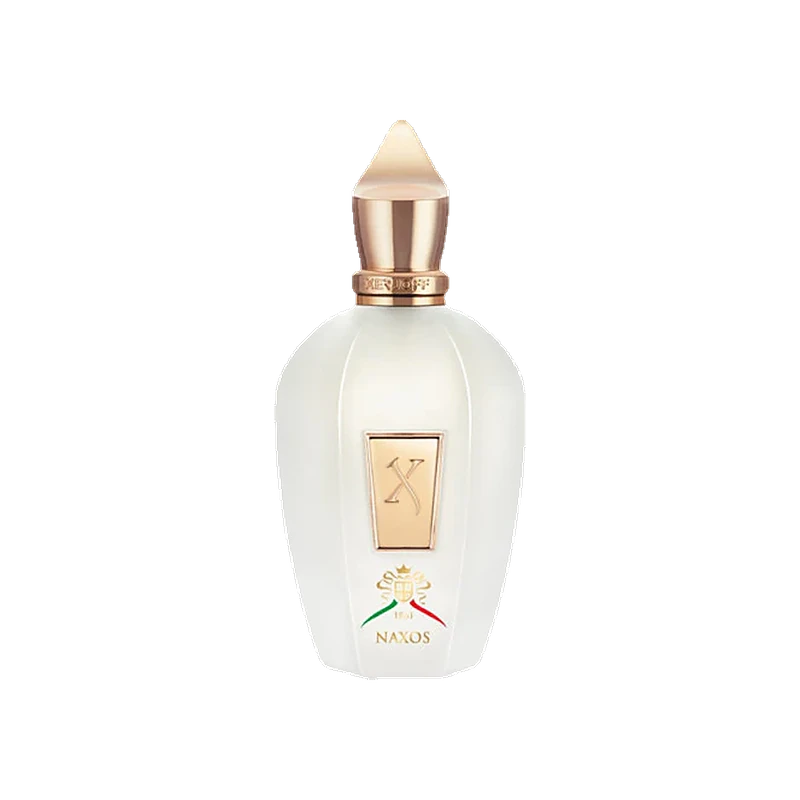
Naxos
Xerjoff's 2015 gourmand from the Join the Club line and the materials case for luxury done straight, a honey and tobacco composition for the Italian house that leans on quality naturals rather than presentation to justify the price. Naxos opens aromatic with lavender and bergamot before dropping into the accord that made it famous, a thick honey and cinnamon heart wrapped around tobacco leaf, then a tonka, vanilla and benzoin base that turns it warm and liqueur-like. The honey is rich and slightly waxy in a way the cheaper honey scents never quite manage, and the tobacco reads like real cured leaf rather than a sweet stand-in, which is where the extra spend actually lands on your skin. It is often called a plusher cousin of Tobacco Vanille and the comparison holds, though Naxos runs sweeter and more resinous. Performance is genuinely excellent, projecting strongly for hours and lasting well over a day on skin and cloth, output you would struggle to match in the mid-tier. It wears masculine-leaning though plenty of women claim it, a cold-weather and evening scent rather than a daily. For quality materials over marketing theatre, this is one of the more honest luxury buys going.
Xerjoff Naxos is the materials case done at a friendlier price. It leans on quality naturals rather than presentation, a honey and tobacco gourmand where the honey is genuinely waxy and the tobacco reads like cured leaf rather than a sweet stand-in. It costs real money, but it earns most of it on your skin rather than in the packaging, and the performance is the kind you would struggle to match in the cheaper bracket. This is one of the more honest luxury buys going.
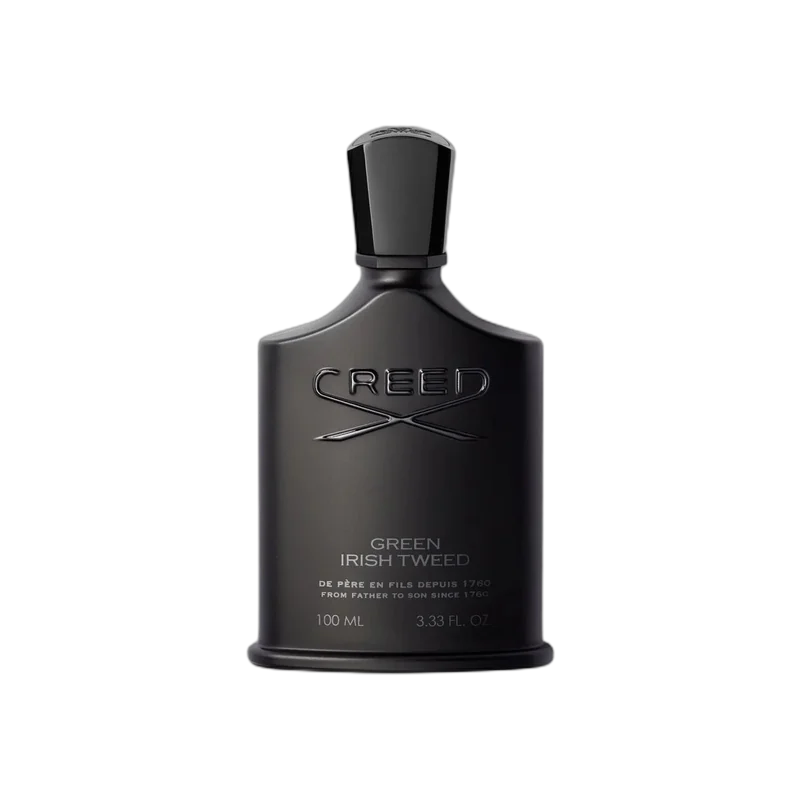
Green Irish Tweed
Creed's 1985 aromatic fresh and the fragrance that anchors the whole is-Creed-worth-the-money debate, long attributed to Olivier Creed and reputedly worn by the great and the good since its release. Green Irish Tweed is a clean, grassy masculine built on Iso E Super, sandalwood and violet leaf, with a lemon-verbena open over a soft green heart that reads crisp, slightly soapy and unmistakably old-money. For years it was the reference gentleman's scent and the benchmark green fougere, and the wearing experience genuinely is lovely, polished without trying and dressy without effort. The complication is the clone reality, because GIT is one of the most successfully copied fragrances ever made, and several budget takes sit close enough that blind-testing them against the original humbles a lot of buyers. Performance is only moderate for the price too, projecting well early then settling to a skin scent inside a few hours. This is the heritage-worth case in its purest form, where you are paying for lineage, association and a specific batch character rather than something a rival cannot make. Wonderful scent, real history, and a value proposition that depends entirely on how much the story matters to you.
Creed Green Irish Tweed is the heritage case, and here it gets slippery. The scent is lovely, a crisp old-money green fougere that earned its reputation fairly in 1985. But it is one of the most successfully cloned fragrances ever made, and several budget takes sit close enough that blind-testing them humbles a lot of buyers. Performance is only moderate for the price. You are paying for lineage and association, and whether that is worth it depends entirely on how much the story matters to you. For some people it genuinely does, and that is a legitimate answer.
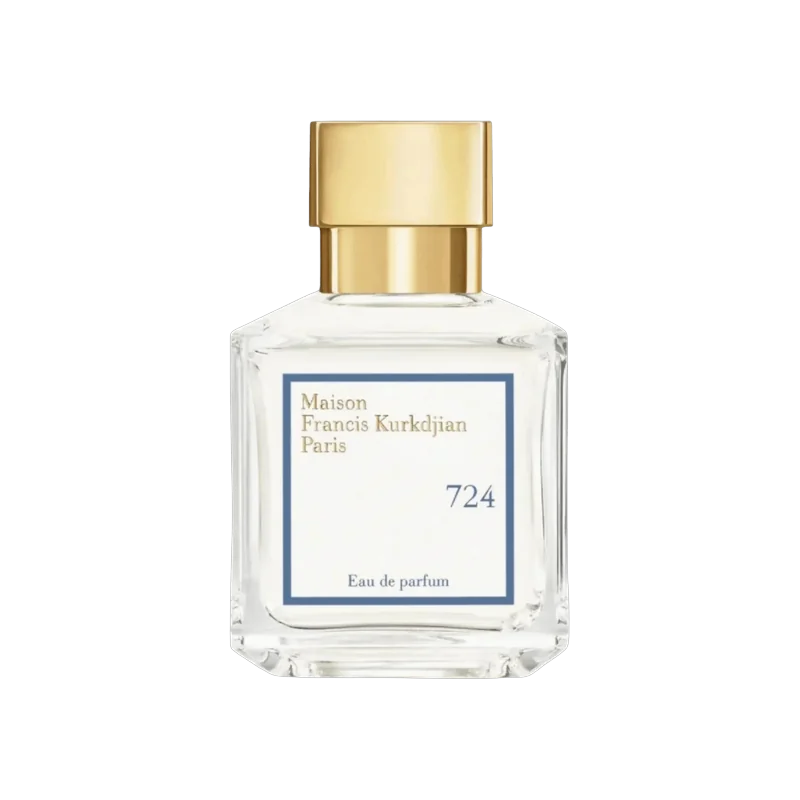
724 Eau De Parfum
Maison Francis Kurkdjian's 2022 clean fragrance and the borderline case on this list, a soapy white musk built by the house's founder that sits at the designer-plus tier where the money buys polish rather than rarity. 724 is named for the round-the-clock rhythm of a city and reads exactly that way, a bright, laundered white floral over aldehydes, sambac jasmine and a clean musk base, with a little blackcurrant and jasmine sambac keeping it from going flat. It is a very well-made fresh scent, crisp and radiant and easy to wear from morning to night, and the blending has the effortless smoothness the house is known for. What it is not is rare, because the materials here are the sort of clean synthetics any competent perfumer can access, and several soapy musks in the designer bracket cover similar ground for less. You are paying for the Kurkdjian name, the finish and the consistency rather than something no rival could compose. Performance is moderate, projecting well for a few hours then hugging the skin. This is where the worth-it question turns on taste, a genuinely lovely fragrance whose premium is polish and badge more than anything you can smell as scarce.
MFK 724 is the borderline case, the designer-plus tier where the money buys polish rather than rarity. It is a very well-made soapy white musk, crisp and easy and radiant, with the effortless smoothness the house is known for. What it is not is scarce, because these are clean synthetics any competent perfumer can access, and several fresh musks cover similar ground for less. You are paying for the name, the finish and the consistency. That is a taste question, not a scam, but it is worth calling it what it is.
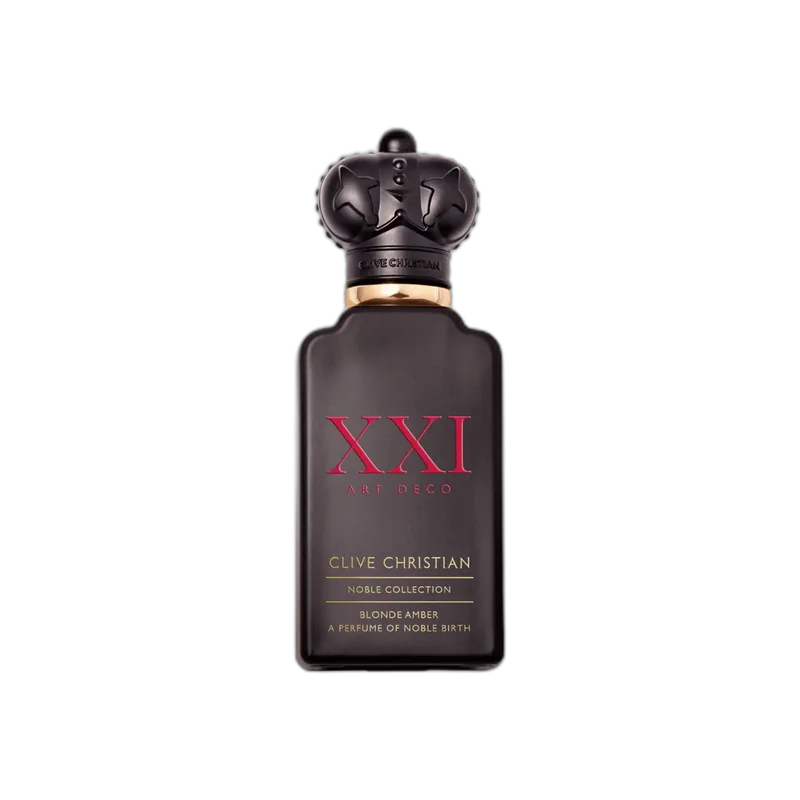
Xxi Art Deco Blonde Amber
Clive Christian's XXI Art Deco line entry and the hardest luxury case on this list to argue, a 2022 amber built for the British house that prices itself at the very top of the market. XXI Art Deco Blonde Amber is a warm, boozy amber laid over vanilla, tonka and a soft woody base, with a bright citrus and spice open giving way to something rich and almost liqueur-like in the drydown. The materials are good and the blending is polished, a smooth golden amber that wears close and radiates a warm hum for most of a day rather than shouting. What you are paying for at this tier is only partly the juice; the rest is the crown-topped bottle, the heritage badge and the deliberate scarcity, which is exactly where the worth-it question gets uncomfortable. Plenty of ambers in the niche bracket deliver a comparable wearing experience for a fraction of the outlay, and honest buyers admit it. If the presentation and the name are part of the pleasure for you, the price makes a kind of sense. If you only care how it smells, this is the tier where value falls off a cliff, and it is worth being clear-eyed about that.
Clive Christian XXI Art Deco Blonde Amber is the hardest case of the lot, the true top tier where value falls off a cliff. The amber is good and the blending is polished, but plenty of niche ambers deliver a comparable wearing experience for a fraction of the outlay, and honest buyers admit it. Here the juice is only part of the price; the rest is the crown-topped bottle, the badge and the deliberate scarcity. If the presentation is part of the pleasure for you, it makes a kind of sense. If you only care how it smells, this is exactly where being clear-eyed pays off.
When It Is Worth It, And When It Is Not
Line those five up and the pattern is clear. Luxury is worth it when you can smell the difference and you have covered the basics first. Guidance and Naxos clear that bar because the materials do real work. Green Irish Tweed passes only if the heritage genuinely moves you, since the clones are that close. 724 and the Clive Christian are where the premium turns into polish and theatre, and whether that is worth paying is a taste question you should answer honestly rather than let the marketing answer for you.
The one verdict that holds across all five is this: luxury is never worth it as a status shortcut. Buying the expensive thing to signal that you bought the expensive thing is the fastest way to overspend, because it means the price is doing the work the scent should be doing, and a good nose will clock the difference anyway. If the only reason a fragrance appeals is the number on the box, that is the number talking, not your taste.
This is the top-tier version of a question that also plays out one rung down. The designer vs niche piece runs the same argument in the mid-market, where the maths is often kinder and the value gap smaller, and it is worth reading alongside this one before you decide which tier you actually want to shop in.
How To Spend Well At This Tier
The practical closer is short, because the discipline is simpler than the philosophy. First, cover the basics before you climb. A wardrobe with no good affordable scents in it has no business buying a three-hundred-dollar amber, and there are cheap routes into niche that scratch most of the same itch for a fraction of the spend. Get those in place first.
Second, always sample before you commit at this price. Skin chemistry, longevity and the honest gap between a luxury scent and its clone all only show up on your own arm across a full day, and blind-buying at the top of the market is how expensive bottles end up unloved on a shelf. Our guide on how to sample first covers the cheap, low-risk ways to test before you leap.
Third, buy on price. Almost nothing at this tier sells at full recommended retail once you look across the market, and the live lowest and average prices in our data routinely land well under the boutique number. If you have decided a luxury fragrance is worth it to you, there is no reason to also overpay for it. Decide the scent is worth the money on its merits, then make sure you are paying the least anyone charges for it.
Compare luxury fragrance prices across every retailer on Aurexum