
Best Diptyque Fragrances
The Boutique That Became the Benchmark
Diptyque began in 1961 on Boulevard Saint-Germain, not as a perfume house but as a fabric and curiosity shop run by three friends — a painter, a theatre set designer and an interior architect — who were importing textiles and objects from around the world and selling them alongside their own printed fabrics. The candles came first, scented with resins, woods and spices that the founders had encountered on their travels, and the fragrances grew out of the same restless sensibility: an interest in specific materials and places rather than commercial appeal, and a refusal to flatter.
The first Diptyque fragrance appeared in 1968, an unusual eau de toilette for its era, and the approach that shaped it has remained consistent for over fifty years. Diptyque scents read like postcards from specific places or moments — a Vietnamese sandalwood forest, a fig tree in summer, a jazz bar in the sixth arrondissement — and they tend to be quieter and drier than the competition. The house resists sweet bases and heavy ambers, which is why its catalogue sits naturally alongside the growing interest in materials-driven niche rather than the mainstream flanker economy.
That restraint is also what makes the house's output occasionally misread as austere or under-performed by people arriving from bolder brands. Diptyque fragrances are designed to stay close to the skin rather than announce themselves from across a room. The projection is measured, the dry-downs are clean, and the compositions rarely stack synthetic boosters in the way many designer flankers do. Whether that reads as sophistication or understatement depends entirely on the wearer, but it is a consistent design philosophy rather than an accident.
The six fragrances here span roughly forty years of the house's output, from the 1983 garden classic to the 2021 bar-room tribute, and they cover most of the moods Diptyque does well: woody stillness, green botanicals, soft white florals, and dry-resinous territory. All six sit within the core catalogue rather than limited or exclusive releases, and all are stocked across multiple retailers, which means the live price can differ meaningfully between stockists.
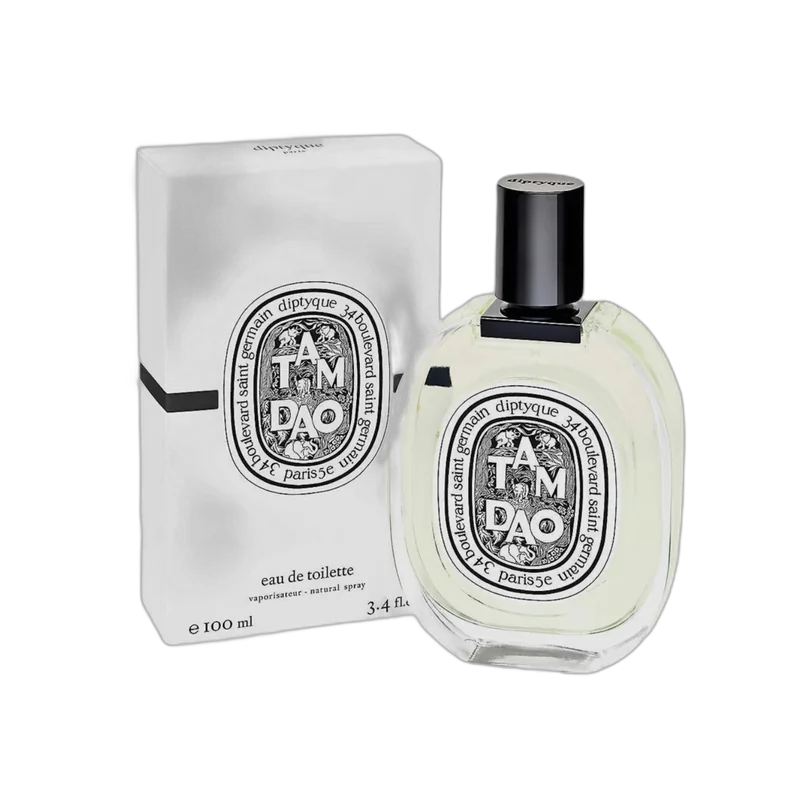
Tam Dao Eau De Toilette
Diptyque's sandalwood study, released in 2003, and still the most purely meditative thing the Paris house has ever made. Tam Dao is named for a Vietnamese forest, and the scent earns the reference: the opening is dry cedar and a little cypress, cool and woody rather than sweet, and then sandalwood arrives and refuses to leave. The sandalwood accord here is not the creamy, skin-warm variety that pads out many designer woods — it is drier and more austere, with a faint bitterness from rosewood and a backdrop of white tea keeping the whole thing clean. The result is a scent that reads as stillness, quiet and authoritative and impossible to date. Performance is measured but steady, settling into a close skin scent rather than projecting, which suits the mood entirely. It wears unisex with the masculine framing of classic French woody scents, but the restraint means it belongs to neither camp particularly. This is the bottle that tends to convert people who think they do not like sandalwood; there is nothing soft or indulgent about it, only the dry clarity of the wood itself.
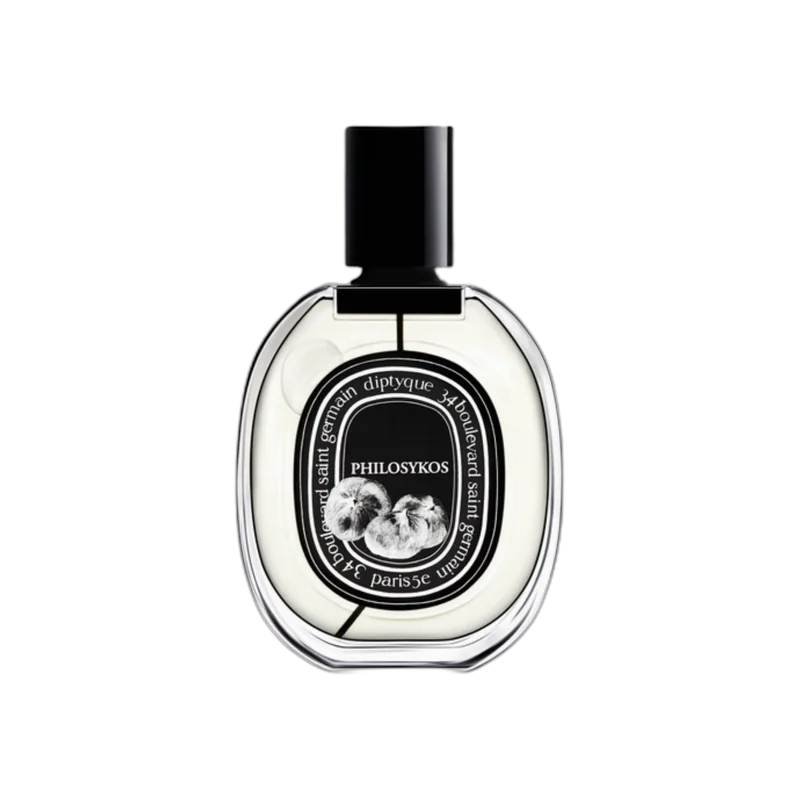
Philosykos Eau De Parfum
The green fig tree in its entirety, deepened from the original formula into something that stays on skin longer and settles differently. Diptyque's Philosykos has been a house pillar since its first version, and this EDP bottling, dating from 2012, differs from the lighter version in a meaningful way: the green, slightly milky quality of fig sap reads stronger in the early stages, the dry fig-wood accord at the base is more pronounced, and the whole thing lingers far longer. Fig here is not the simple sweet-fruit interpretation — it is the whole tree, bark and leaf alongside the fruit, rendered in a green, almost vegetal accord that pulls slightly sour and slightly creamy at once. The structure stays true to the original brief rather than loading the formula with sweet amber to make it feel premium. It is a scent for people who find most fruity fragrances too indulgent, and who want something that reads as plant matter rather than perfume. The added depth means it layers more convincingly over skin and carries better into the evening hours than the lighter bottling.
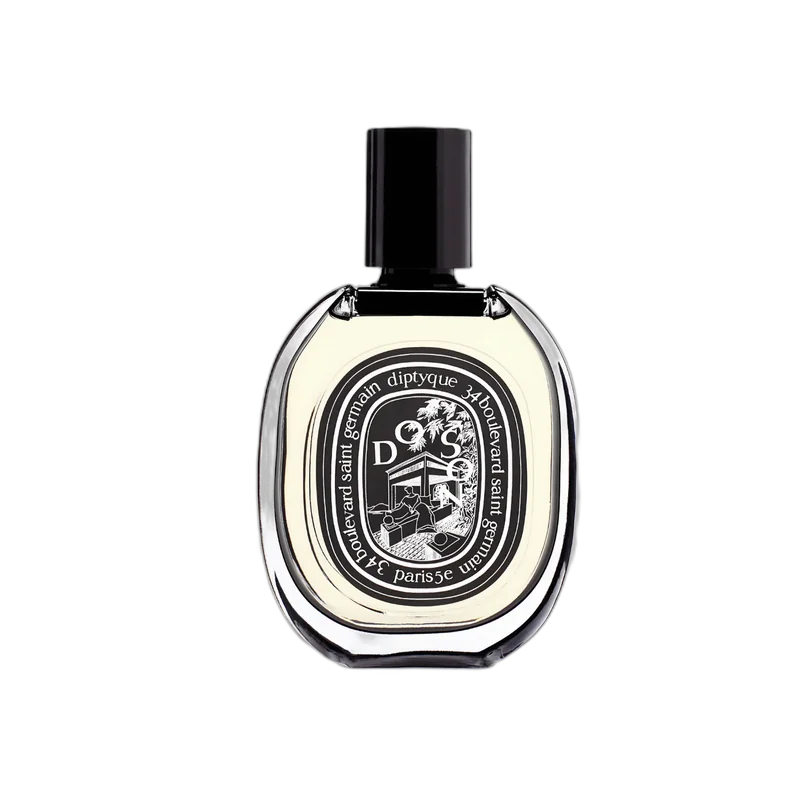
Do Son Eau De Parfum
Tuberose pressed against a memory of sea air, which sounds improbable and works completely. Do Son Eau de Parfum appeared in 2013, a deepened bottling of the house's seaside tuberose, though the house characteristically refused to do it the obvious way. The tuberose here is softened by white musk and a marine accord rather than amplified by heavy florals, so it reads breezy and slightly salty rather than rich and heady in the way big tuberose soliflores tend to. There is a strip of rose and violet near the heart that keeps it from going too linear, and the base settles into clean musk and a thread of sandalwood, nothing heavy. The net effect is a white floral that wears lightly and suits warmer weather, a contrast to the richer tuberose treatments that lean evening and cold-season. Performance is moderate rather than outstanding, which is consistent with how the house builds most of its fragrances: closer and quieter than the projection you might expect from a white floral. It is a daytime and warm-weather scent, and for those who associate tuberose with heavy, room-filling indulgence, Do Son is the version that changes the assumption.
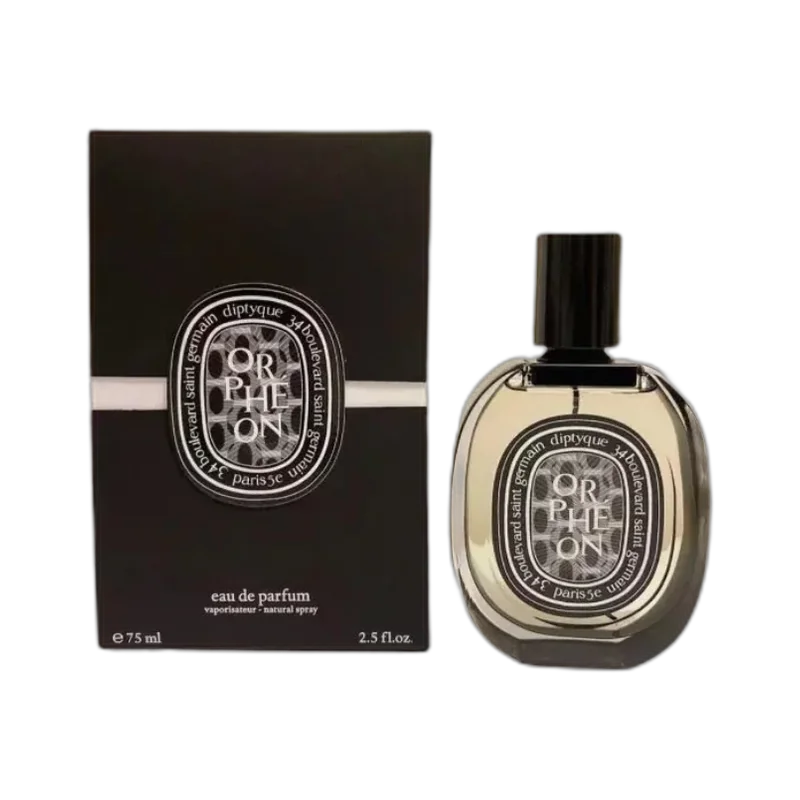
Orpheon Eau De Parfum
Orphéon was released in 2021 as a tribute to the legendary Saint-Germain jazz bar that once occupied the space adjacent to the original Diptyque boutique on Boulevard Saint-Germain. The concept is a tobacco-stained, powdery room after a long evening, and the scent leans into that exactly: a cedar and sandalwood frame, dry and slightly dusty, with violet and iris adding the powder and a faint sweetness that reads as old wood rather than floral. There is a suggestion of tobacco without a defined tobacco note, more the ghost of it soaked into the walls than anything bright or green. The whole composition is distinctly woody-powdery rather than dark or heavy, which makes it wearable in a way that most tobacco-themed fragrances are not. It is a modern Diptyque scent in structure — clean rather than animalic, measured in projection — but the concept gives it more personality than the house's quieter picks. It wears unisex and suits autumn and winter better than summer, more an evening and cool-day scent than a daytime one. The iris-and-cedar combination places it in a longer French woody-powder lineage.
Lombre Dans Eau De Toilette
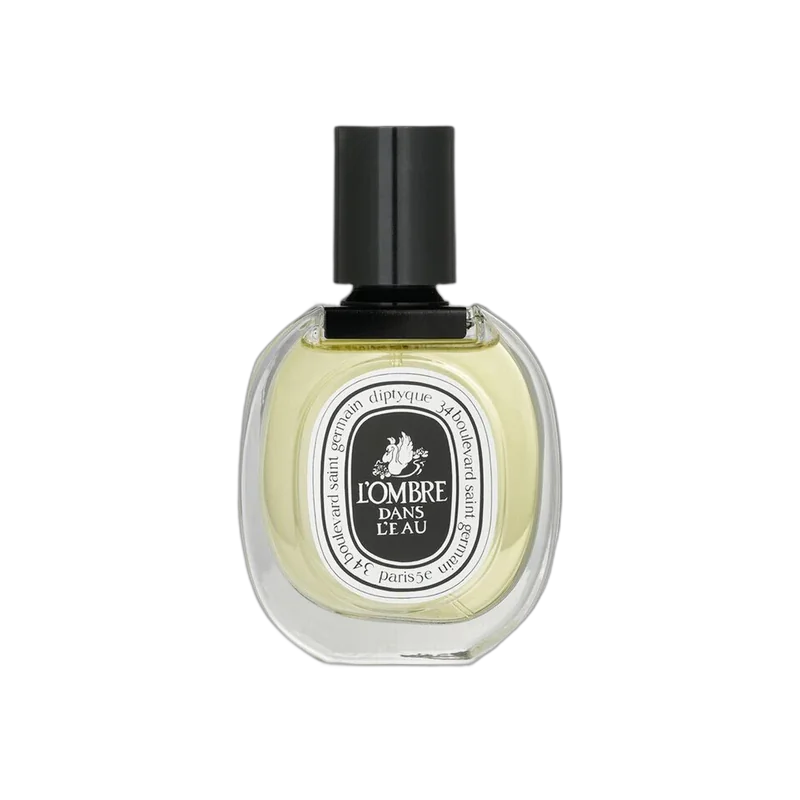
Forty-three years on the market and no shortage of imitators, which is the most useful thing you can say about L'Ombre dans l'Eau. Launched in 1983, it is Diptyque's garden classic: blackcurrant leaf and rose, captured in a way that is more green and dewy than sweet or jammy. The blackcurrant is very much the leaf rather than the fruit, with a sharp, almost medicinal green quality that opens the scent and stays present in the heart, preventing the rose from going soft or overly feminine. The rose here is clean and slightly watery, a cut-stem quality rather than a full bloom. The dry-down is minimal — light musk, the faintest woodiness — and performance is gentle rather than loud, a scent that sits close and wears for a few hours rather than a day. It is a chypre-adjacent green floral, and the kind that remains genuinely difficult to find parallels for in the modern fragrance landscape. The fact that it was composed in 1983 and still reads as current says something about how precisely it was made. Cool-season evenings and garden-party afternoons are where it makes most sense.
Eau Duelle Eau De Parfum
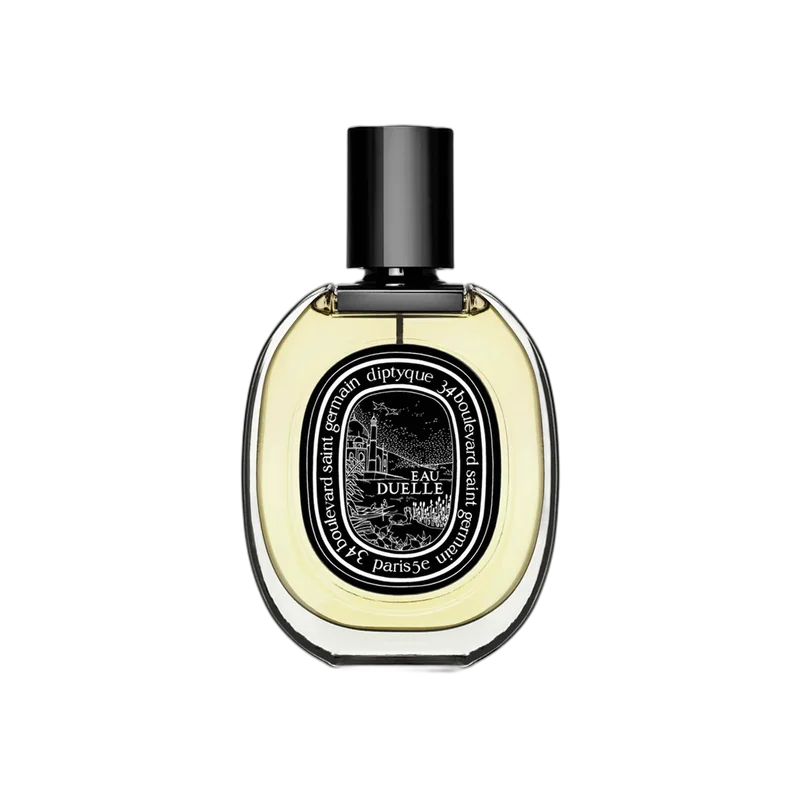
Vanilla anchored by frankincense rather than sweetened by ambers, which is the whole difference between Eau Duelle and the rest of the category. Launched in 2013, the Diptyque interpretation of vanilla does what the house usually does with its materials: strips the obvious reading back and leaves something drier and more complex. The opening is a clean, slightly smoky frankincense, and the vanilla enters underneath it rather than on top, playing a supporting role rather than the obvious lead. There is a trace of tea and a little black pepper in the early stages, and the base is warm without being sweet. It reads dry and slightly austere by vanilla standards, the kind of scent that someone who claims to dislike vanilla usually finds themselves reaching for. Performance is moderate, in keeping with the house's lighter construction, and it suits cooler weather and evening wear rather than summer or daytime. The name is a play on the French duel, two materials in opposition — the resinous smoke and the creamy sweetness — which describes the accord accurately. It is an understated piece and a good entry point to the house for anyone coming from the drier, resinous end of the spectrum.
Sandalwood, Fig and the Green Notes
The cleaner, more botanical end of the Diptyque range is where most people start, and Tam Dao is the natural entry point. It is the sandalwood that converts sandalwood sceptics: dry, composed and almost austere, with none of the creamy sweetness that makes the material feel heavy in lesser versions. The opening is cedar-forward and cool, and the sandalwood only becomes clearly the star about fifteen minutes in, at which point the whole thing simplifies into something quietly perfect. Those exploring sandalwood more broadly will find useful context across the best sandalwood fragrances.
Philosykos sits immediately adjacent in character — green, botanical and uncompromising about its central material. It is one of the longest-running fig fragrances in the niche canon, and the EDP formulation wears with more depth and staying power than the lighter version. The differences are worth understanding before buying: the EDP tends to stay milkier and more resinous at the base, while the lighter version opens greener and fades faster. If the fig note is the primary draw, the best fig fragrances covers the wider market, including where Philosykos sits among its peers.
Do Son arrives slightly warmer than either, a sea-air tuberose that avoids the opulence the note usually brings. It belongs in the green-and-marine end of the house rather than the rich-floral, and it wears far lighter than a typical tuberose soliflore. The salinity and musk that frame it keep the white-floral quality polite rather than heady, making it one of the more approachable tuberose picks for those who find the usual treatments too heavy. The broader genre is covered in the best tuberose fragrances.
The Saint-Germain Mood
Orphéon, L'Ombre dans l'Eau and Eau Duelle share something that the botanical trio does not: a sense of interiority, of indoor spaces and evening air. Each one uses dry materials — iris and cedar, blackcurrant leaf, frankincense — to build a mood rather than a note study, and each one rewards wearing in cooler, lower-light conditions more than on a summer afternoon.
L'Ombre dans l'Eau is the oldest of the three, a 1983 green floral that still reads as current because the ratio of blackcurrant leaf to rose was unusual enough at its release to feel like no existing category. The green, slightly medicinal quality of the currant leaf does something the rose alone never could: it keeps the composition restless, preventing it from settling into the easy comfort of a conventional floral. Forty-three years of continuous production and a wall of inspired imitators confirm it found something real and durable.
Orphéon comes from the opposite direction, a 2021 scent built on a historical premise: the smoky, cedar-dusted memory of a jazz bar whose address once neighboured the Diptyque boutique. The concept is specific enough to give the scent direction without making it theatrical. It wears as an abstract woody-powder rather than a literal evocation of cigarettes and spilled drinks, which is what makes it credible and wearable for contemporary tastes. The iris and violet contributions give it the kind of quiet French melancholy that sits very naturally in the house's established register.
Eau Duelle is the most misunderstood of the six. Pitched as a vanilla, it behaves far more like a dry resin, and people who come to it expecting sweetness sometimes miss the frankincense doing most of the heavy lifting. That unusual inversion — incense on top, vanilla underneath — is precisely what makes it worth the attention. It is the one on this list most likely to surprise, and most likely to be underestimated on a first encounter.
How to Choose
The most useful axis is outdoor versus indoor, or green versus dry. If you are drawn to fresh, botanical and daylight-appropriate scents, Tam Dao, Philosykos and Do Son are the natural starting points. All three project quietly and wear without demanding attention, which makes them suitable for office environments and warmer months. If you want something that reads more like an interior — a room, an evening, a particular moment — Orphéon, L'Ombre dans l'Eau and Eau Duelle suit cooler weather and later in the day.
On season, the house's measured projection and clean dry-downs make most of these scents versatile by temperature, but the green-botanical trio works best from spring through to early autumn, while the resinous and woody picks (Eau Duelle, Orphéon, Tam Dao) sit most naturally in cooler months. L'Ombre dans l'Eau is the genuine all-rounder: the green-and-rose balance places it indoors or outdoors, and it wears equally well in June and October.
On concentration, both Philosykos and Do Son appear here in their EDP formulations, which run deeper and stay on skin longer than the lighter versions. The EDT counterparts are available across many of the retailers we track; the EDP usually carries a modest price premium that the performance difference generally justifies, particularly for Philosykos where the added depth meaningfully changes the character of the fig accord.
Diptyque sits at the accessible end of niche and the premium end of designer, and the bottles are heavily stocked across the Australian market. The live price varies meaningfully between retailers, so checking before you buy is worth the thirty seconds it takes. None of these are recent limited releases or hard-to-find pieces — all six are core catalogue entries with predictable availability.
If you have never worn Diptyque, Tam Dao and Philosykos are the least risky starting points. They are the house's most recognised pieces and they sit in familiar enough territory — wood, green botanicals — that the characteristic restraint reads immediately as a design choice rather than a weakness. L'Ombre dans l'Eau rewards a longer look: nothing about it sounds exceptional on paper until you smell it, at which point 1983 starts to seem like a very sensible year to have made it.
Compare Diptyque fragrance prices across every retailer on Aurexum