
Best Tuberose Fragrances
What Tuberose Actually Smells Like
Tuberose is not a rose. The names share nothing but letters, and the two flowers smell nothing alike. Where rose is rounded, fruity and recognisable to nearly everyone, tuberose is heady, waxy and — in large doses — verging on indecent. Perfumers call it one of the most narcotic materials in the palette, and the description earns its place: the raw absolute can smell almost medicinal, with a green-camphorous edge sitting beneath the creamy white-flower heart. On skin, that green harshness softens and opens into something buttery and intensely floral, which is precisely where the note becomes divisive. Some people find it beautiful and addictive. Others find it overwhelming. There is not much middle ground.
The flower itself — a night-blooming Mexican native grown today mostly in India, Egypt and Grasse — produces an absolute that must be extracted rather than distilled, which contributes to the cost and the reason a serious tuberose composition tends to appear at the higher end of any house's range. That material richness is part of what makes the note sit so differently depending on the perfumer's hand: a green, clarifying approach yields something modern and structural, while a full, unchecked treatment yields something closer to a Belle Époque statement.
What happens on skin specifically is worth understanding before you buy. Tuberose opens with more sharpness than the dry-down suggests — that camphorous, slightly minty top-note quality is most pronounced in the first fifteen minutes. Depending on your skin chemistry, it can read almost medicinal at first contact. Give it time. After half an hour the green edge retreats and the floral heart expands into the butter-and-cream quality the note is known for, often with a faint rubber or rubbery-lactonic edge that is part of the material's character rather than a flaw. Warmer skin tends to amplify this; cooler and drier skin types often get a cleaner, more luminous rendition. It is worth testing on your own skin before committing to a full bottle of anything at this end of the market.
Understanding tuberose means understanding the fragrance families explained spectrum it sits within — specifically the white floral subset, where the note is often grouped alongside jasmine, gardenia and ylang-ylang. Tuberose shares the high-pitched, slightly indolic quality of jasmine and the waxy roundness of gardenia, but it sits louder than either on most wearers, and it has a green, almost rubbery edge neither of those flowers produces. If jasmine is the warm, sunny white floral and gardenia the cool, waxy one, tuberose is the night-blooming, headspace-filling one — the one that announces itself. That distinction matters when you are building a collection. If you are building a collection that includes a strong white floral, it is worth considering how this one relates to the best floral perfumes for women more broadly.
Why Tuberose Divides People
Part of the polarisation around the note comes from its history. The classic tuberose compositions of the twentieth century were unapologetically loud — Fracas being the primary example — and for a long generation that sound became associated with a certain kind of dressed-up, maximalist femininity that fell out of fashion during the clean-fresh wave of the 1990s. Tuberose became the thing your aunt wore, overpowering and slightly too much for a Tuesday.
What the modern wave of tuberose compositions demonstrated, beginning most clearly with Carnal Flower in 2005, was that the note could be re-framed without being declawed. Ropion's approach was structural and green-led, giving the flower more oxygen without reducing its volume, and the result convinced a generation of enthusiasts that tuberose was worth the investment of attention. Since then the range has widened: from the airy wearability of Do Son to the extrait density of Tuberóza, there is now a tuberose for nearly every context and commitment level.
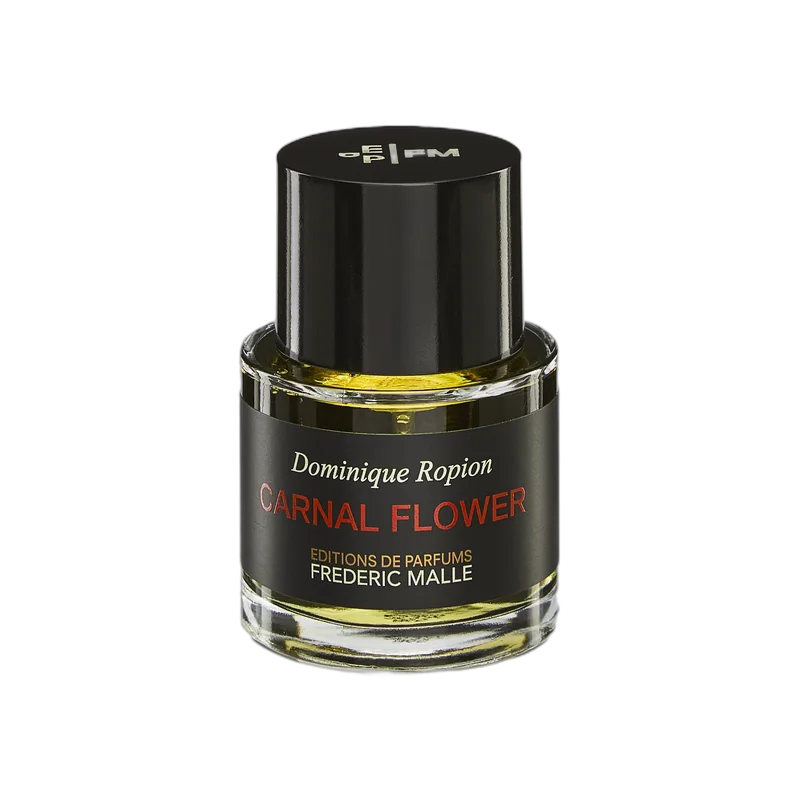
Carnal Flower Eau De Parfum
Dominique Ropion's 2005 composition for Editions de Parfums Frédéric Malle and the closest thing perfumery has to a technical statement about tuberose. Ropion built Carnal Flower around an enormous Egyptian tuberose absolute — one of the most expensive single materials in the palette — then sharpened it with a cold, slightly minty melon note and a breath of eucalyptus that clears any incoming creaminess before it settles. The result is tuberose at its greenest and most full-volumed: heady and luminous rather than buttery, with a woody-musky base that keeps it grounded without pulling it into sweetness. It is demanding in the best sense, the kind of scent that fills a room without shouting and lasts well on skin through an entire day. On skin the green edge softens after an hour and the flower becomes warmer and more narcotic, though it never tips into the retro powder of its predecessors. Frédéric Malle's house is built around publishing named perfumers with their names on the label, and Ropion's work here is characteristically precise, structural and devoid of sentimentality. If you want to understand what the fuss around tuberose is actually about, this is the place to start.
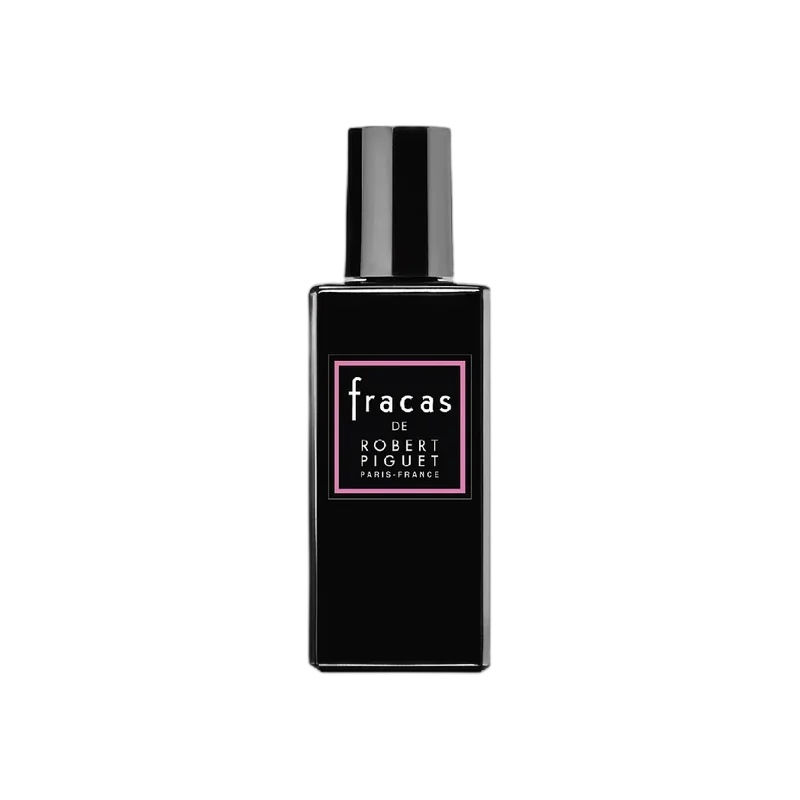
Fracas Eau De Parfum
Germaine Cellier composed Fracas for Robert Piguet in 1948, and it remains the most influential white floral ever made, a fact the industry has been quietly paying tribute to ever since. Cellier built it around an enormous tuberose accord and stacked it with orange blossom, jasmine and iris, so the result is less a single flower than an entire hothouse rendered as perfume. The opening is powdery and aldehydic in a distinctly postwar way, and the heart is rich enough to verge on indecent, which is exactly what Cellier intended: the name translates roughly as 'crash' or 'din', and the scent earns the description. In the decades since its release, Fracas has attracted devoted wearers from Sophia Loren to a generation of drag performers who understood that a statement scent requires commitment. The juice has been reformulated, and enthusiasts who know vintage batches will tell you the current version is softer, though it remains the reference for full-bore tuberose in a way nothing released since quite matches. Where Carnal Flower is a modern lens on the flower, Fracas is the original photograph — loud, uncompromising and utterly itself.
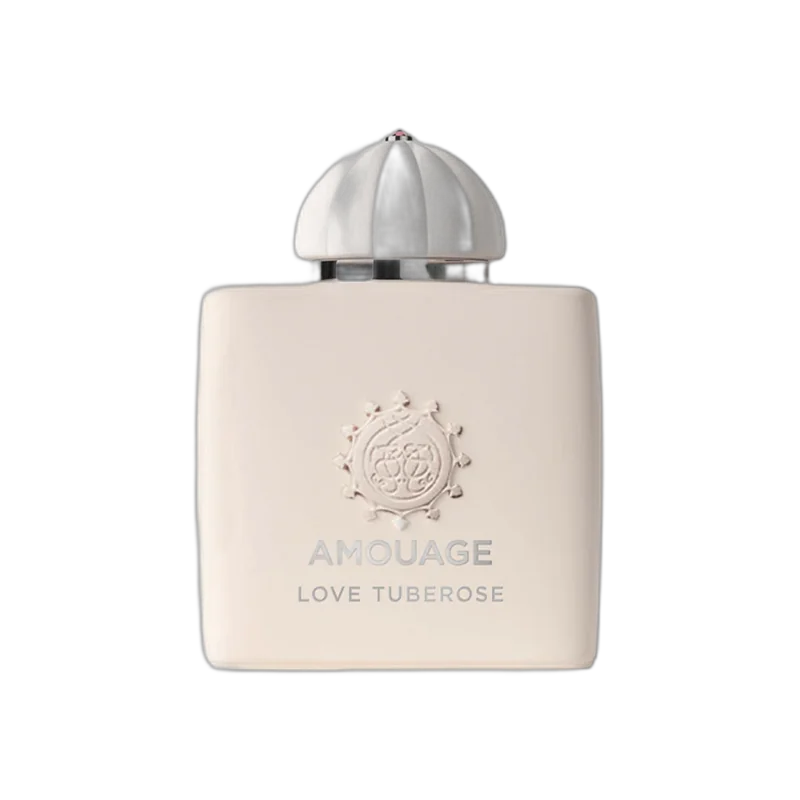
Love Tuberose
Amouage's 2018 Love Tuberose takes the note somewhere plushier and more architecturally complex than the two classics above it. The Omani house built it around a gardenia-tinged tuberose heart layered over cream and sandalwood, with bergamot and a faint green note opening it before the flower takes full hold. The overall effect is tuberose as an exercise in richness: rounded at every edge, without the green clarity of Carnal Flower or the retro powder of Fracas, reading instead as something warm and almost confectionery in the best possible way. Amouage's signature is in the base, where resinous materials and carefully layered musks give it a depth that keeps revealing itself across a long wear, so it rewards patience over the first hour or two. Performance is what the house is known for, and Love Tuberose delivers accordingly — this is a close-wearing scent that lasts generously on skin and leaves an impression on fabric long after. It sits at the prestige end of the tuberose spectrum alongside the Malle, and at the price point it trades at, it is aimed squarely at the collector rather than the casual buyer. For a gardenia-cream take on the flower that never crosses into the retro, this is the clearest argument.
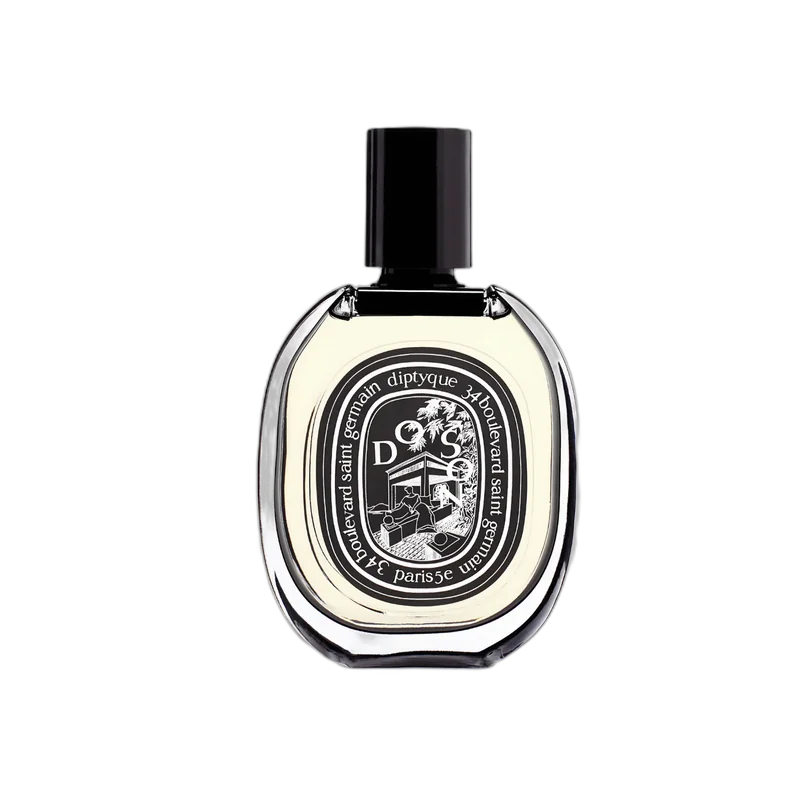
Do Son Eau De Parfum
Diptyque launched Do Son in 2005 and reworked it as an eau de parfum in 2013, and this version is what most people mean when they reach for a tuberose that will not clear the room. The Paris house built it around a breezy, almost marine-tinged take on the flower, with a little rose and violet sharpening the heart and a wood-and-musk base keeping everything grounded without adding weight. The tuberose here is present but light-handed — airy rather than narcotic, transparent where Fracas is dense — and that transparency is the point. Do Son is the commuter's tuberose, the one that sits comfortably inside an office and reads as clean rather than headache-inducing to anyone nearby. Where the other scents in this list make deliberate demands of the wearer, this one is accommodating, and its restraint makes it the practical daily on the list. Performance is polite rather than assertive: it projects softly for a few hours then settles into a close skin warmth, so reapplication is part of the routine for heavier wearers. The slender Diptyque bottle and the house's understated aesthetic suit it. For anyone building a wardrobe that includes a tuberose without committing to the full experience, Do Son is the obvious answer.
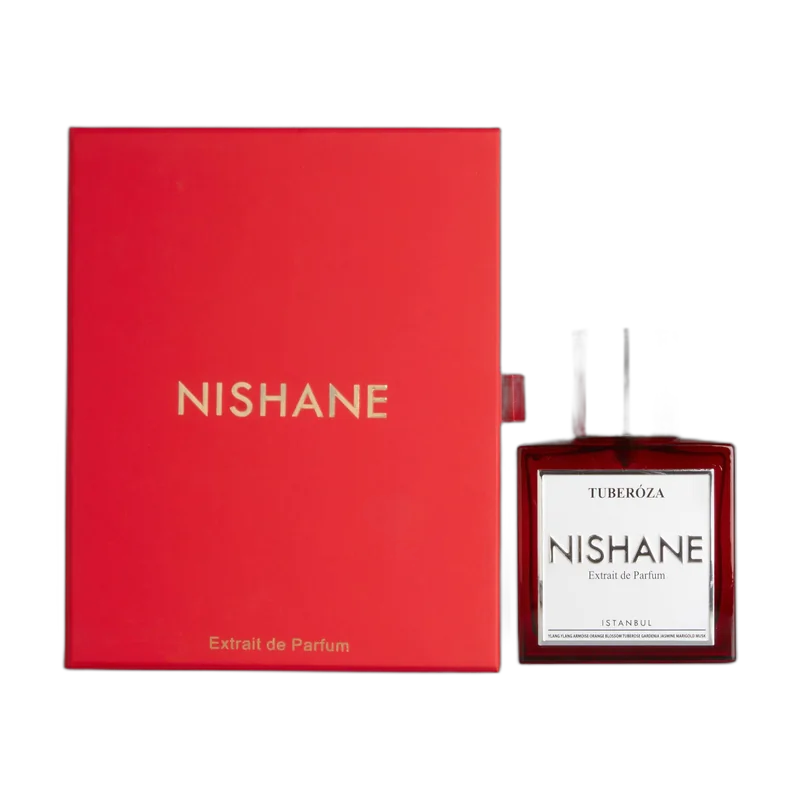
Tuberoza Extrait De Parfum
Nishane's 2014 Tuberóza is an Extrait de Parfum, and the concentration is not incidental — the Turkish house built it for the deep end of the tuberose spectrum, for wearers who have already made their peace with the note and want more of it. The formula centres on a fat, high-quality tuberose absolute supported by ylang-ylang and a pronounced jasmine that adds a slightly animalic richness to the floral heart. Underneath sits a dense base of musk, sandalwood and a touch of vetiver, which keeps the whole thing earthed so that the flower never tips into purely abstract sweetness. It is warm and intensely concentrated from the first application: a single spray is likely enough, and projection is significant for the first few hours before it settles into a rich, close skin scent that holds across a full day and often beyond. Nishane occupies an interesting position in the niche world, offering genuine quality at prices well below the Paris heavyweights, and Tuberóza is one of the clearer expressions of that value. It does not have the pedigree of Fracas or the critical standing of Carnal Flower, but for an extrait-strength tuberose that performs and holds its own on materials, it is a compelling case. Sample it before buying in full bottle.
The Classic End: Benchmark and Original
Fracas and Carnal Flower make the most interesting pair in this list because they approach the same material from opposite directions across fifty-seven years. Cellier's 1948 original is maximalist and unapologetically retro in its current form — dense, powdery, hothouse-rich — while Ropion's 2005 composition cuts tuberose with a green-fresh clarity that reads entirely modern. Both are technically masterful; they simply belong to different eras and aesthetics.
If you are new to the note, Carnal Flower is the cleaner entry point. The eucalyptus-tinged opening makes it easier to approach than the full aldehydic wave of Fracas, and it gives you the flower without the full period atmosphere. If you already know tuberose and want the original, Fracas is the experience the genre built itself around, and even in its current reformulated state it retains enough of Cellier's intent to explain why nobody has quite dislodged it in more than seven decades.
The Prestige and the Wearable Daily
Love Tuberose sits in an interesting position between the two classics and the rest of the list. Amouage's approach is neither green and structural like Carnal Flower nor aldehydic and retro like Fracas — it is rich and gardenia-adjacent, adding cream and warmth where Ropion added clarity. It is the plushest entry here, the one built on cream and cashmere-soft warmth, and it wears accordingly.
Diptyque's Do Son EDP is the inverse argument: tuberose at its most approachable, lightened with a marine freshness and kept deliberately transparent so that it functions as an everyday scent rather than a statement. Between Love Tuberose and Do Son, you have the two ends of the wearability question — one asks the wearer to commit, the other accommodates without demanding anything back.
The Deep End: Nishane's Extrait
Tuberóza is the list's outlier in concentration and intent. An extrait de parfum carries more raw material than an EDP, and Nishane does not use that to add subtlety — this is a dense, projecting, uncompromising tuberose bolstered by jasmine and ylang-ylang that is clearly aimed at the converted rather than the curious. It is well-made and offers genuine value relative to the Paris heavyweights, but sample it first. At this intensity and in this concentration, tuberose either becomes the most important thing in your wardrobe or the bottle you regret.
How to Choose
Match the tuberose to your tolerance for the note and your context — and think carefully about season and setting before you commit.
For first-timers: Do Son is the obviously safe choice. It wears close and easy, causes no offence, and gives a fair introduction to the flower without the full experience. Carnal Flower is the right step up — still structured and wearable, but with the full volume and quality of the material on show.
For the committed: Fracas is the historical reference and still earns its place at the top of the genre despite reformulation. Love Tuberose is the prestige pick for anyone who wants the flower wrapped in maximum creaminess without the retro period feel. And if you want the deepest possible version of tuberose and are happy to manage concentration carefully, Tuberóza delivers it at a price below what the Parisian houses would charge for a comparable statement.
Season matters more than people expect with tuberose. The lighter versions — Do Son, and Carnal Flower on its drier side — work well in warm weather because they project freely and the green clarity stops them from turning heavy. The richer compositions are a different matter. Love Tuberose and Fracas both carry enough cream, resin and dry-down density to earn their best performances in cool to cold weather, where heat does not amplify the heaviest parts of the accord. Tuberóza's extrait concentration makes it a cooler-weather proposition by default. If you live somewhere with hot, humid summers and are buying a tuberose for year-round use, Do Son or Carnal Flower are the practical choices; the others are worth keeping for autumn and winter.
None of these five are office-neutral in the way a light woody amber or a clean aquatic might be. Even Do Son — the most restrained on the list — announces itself as a deliberate floral choice. The fuller compositions, Fracas in particular, project significantly and are better suited to evenings, outdoor events, or any context where you have room to wear them. Carnal Flower occupies a middle ground: it has presence and carries itself with authority, but the green, clarifying top note keeps it from reading as maximalist in the way the Piguet does.
On price: the live data we track shows meaningful variation across all five, and the mid-tier picks — Do Son and Tuberóza — are usually well under full retail across the retailers we track, which makes the sampling decision considerably lower-risk. Carnal Flower and Love Tuberose sit at the higher end of the range, and both justify the investment if the style fits; neither is a casual impulse buy. Sample any of these before committing to a full bottle, particularly at extrait concentration.
Compare tuberose fragrance prices across every retailer on Aurexum