
Best Memo Paris Fragrances
The House That Treats Every Fragrance as a Postcard
Memo Paris was founded by Clara and John Molloy, a Paris-based couple whose approach to perfumery is straightforwardly cartographic: each fragrance is anchored to a specific place, and the brief for the perfumer follows from that location's landscape, light, materials and mood rather than from a marketing category or seasonal trend. It is a coherent and genuine conceit, and it shows in the consistency of the results. The fragrances in the line have a sense of place that is harder to fake than it sounds, because anchoring a brief to geography produces a specificity of material choice that a mood board or seasonal colour palette cannot replicate.
The house is independent and genuinely niche in the sense that matters, meaning the formula decisions are driven by how a fragrance should smell rather than how it should be positioned against a competitor. The leathers in particular benefit from this freedom. Rather than chasing the dry, birch-tar aggression of the European leather tradition or the suede-musk softness of the contemporary niche mainstream, Memo built its leather series around the green, cool, outdoors-inflected character of specific landscapes. The result is a leather family that wears as lifestyle fragrance rather than asserting itself as a statement category. It is also, in practice, a leather series that welcomes wearers who would normally walk past the leather section of a fragrance counter.
Why the Leather Series Became the Reference
Memo's leather quartet — Irish, French, African and Italian — is as close to a coherent artist's residency in a single note as the niche market has produced in the last fifteen years. The four fragrances share a DNA: they all use smooth, clean leather rather than animalic or tar-heavy accords, and they all layer that leather with a specific material that defines the geography. But each one pulls in a genuinely different direction, and the cumulative effect of the four is to map the diversity of what leather can do rather than to say one version of it loudly and repeatedly.
The practical value of a series built this way is that different buyers find entirely different entries appealing. Shoppers who love green, fresh-cut outdoors fragrances tend to arrive at Irish Leather first. Those drawn to rose florals and polished Paris-café aesthetics find French Leather. The oud and incense crowd gravitates to African Leather. And Italian Leather draws a smaller but intensely loyal audience who appreciate dark, complex, slow-developing compositions. For a house guide to work, a house needs to have done this kind of internal diversity well, and Memo's leather series qualifies.
The house's distribution model is worth noting before shopping. Memo Paris sits in the specialty niche channel rather than the department-store mainstream, which means availability in Australia varies considerably between stockists. Prices tracked across the retailers we monitor can shift significantly depending on current stock levels, so the live data is worth checking before defaulting to the first retailer that comes up in a search.
For a broader survey of how the leather family works across houses — including how Memo's approach compares to the Tom Ford Private Blend and French heritage leathers — the best leather fragrances guide covers the full range.
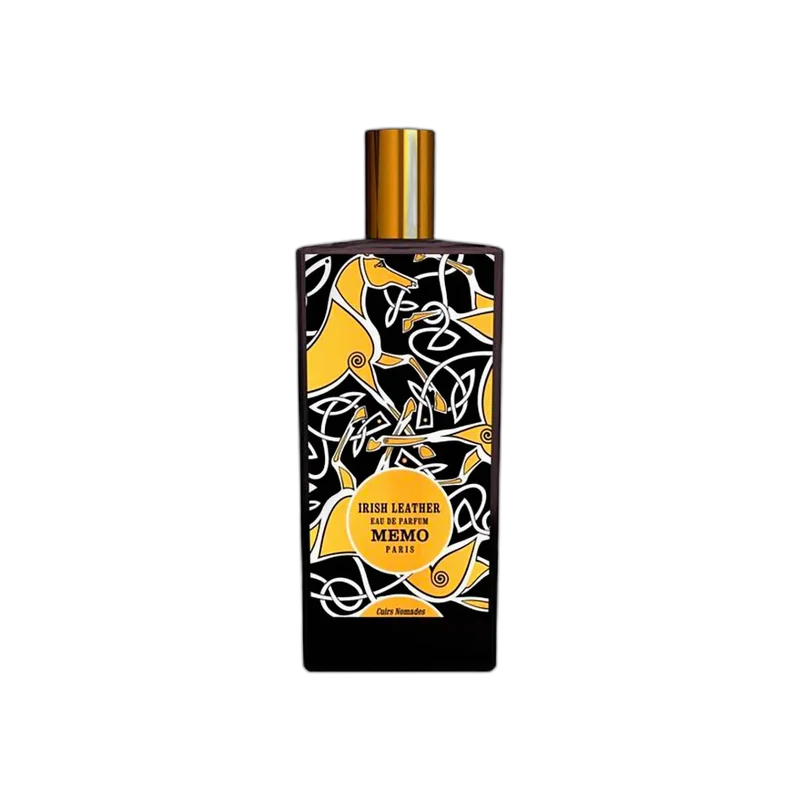
Irish Leather Eau De Parfum
Launched in 2013 and still the clearest statement of what Memo Paris does differently with leather. Irish Leather opens on a green, rain-wet juniper accord that reads genuinely wild and cold, less the studied suede of so many contemporary leathers and more like damp scrubland in the west of Ireland. The leather itself arrives quietly underneath, smooth-sided and cool rather than animalic, with a cedar and oakmoss base giving it an earthy, mossy depth. The perfume was built around the concept of a place — rugged Atlantic coastline, grey-green light — and that specificity pays off in how coherent the whole thing feels: nothing about it is indecisive or generic. It wears as a leather fragrance for people who do not usually reach for leather, because the green, outdoorsy freshness keeps the overall effect from ever feeling heavy or challenging. Performance is good rather than spectacular, projecting at a moderate level for several hours before settling into a close, clean trail. It reads comfortably unisex and is the fragrance that most reliably comes up when enthusiasts discuss the house.
French Leather Eau De Parfum
Where Irish Leather reaches outward to wet countryside, French Leather, added to the line the following year, turns toward something polished and interior: the inside of a Parisian florist, warm leather goods and cut rose stems. The rose at the centre is lush and slightly jammy, more Turkish-style than green-stemmed, and it sits over a dry leather accord that gives the whole thing structure without roughening the texture. A woody base of sandalwood and musk keeps it skin-close and warm as it dries down. The name earns its geography. Where you might expect an Irish fragrance to smell rugged, French Leather lives up to the romance-of-Paris reading, and the combination of fine leather and a full rose heart is exactly the register the house was aiming at. It wears slightly more feminine than Irish Leather in practice, though the leather prevents it from reading as a straightforward floral. Sillage is moderate, projection is soft, and the longevity is solid — most of a day without reinforcement. In the quartet, it is the entry that suits a wardrobe already built around rose and woody florals rather than the greener, more outdoorsy end of the spectrum.
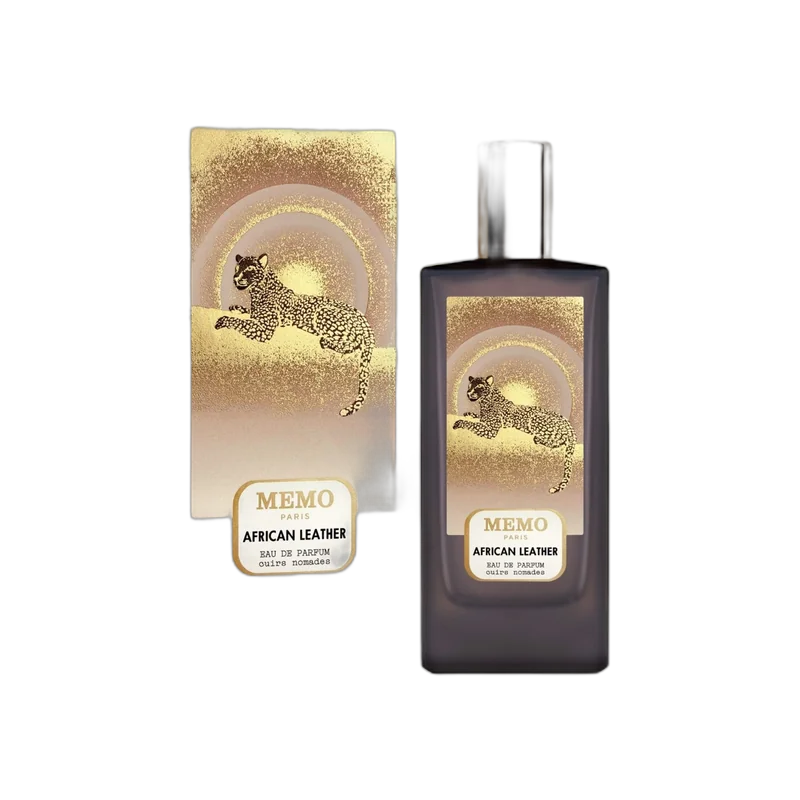
African Leather Eau De Parfum
The loudest and most assertive fragrance on this list by some distance, African Leather from 2015 is what happens when the travel-diary concept lands in a landscape that is not asking you to stay quiet. The opening is a bold hit of spice, a warming blend of cumin and saffron that sets the volume high from the first spray. The leather underneath is darker and smokier than in the European pairs, and a dark incense-and-oud accord adds a resinous, balsamic quality to the mid-section that keeps the thing pushing forward for hours. A base of labdanum and amber resin makes the finish rich and long-lived. This is the cold-weather and evening wear of the group, a fragrance that projects confidently and does not apologise for it — there are no green or fresh edges here to soften the effect. It is unisex in framing but wears with a certain authority that makes it feel like a considered signature choice rather than a daily default. Anyone who finds the other three Memo leathers too restrained will likely find the answer here. It is also the longest-lasting of the four on skin, and the one most likely to be noticed by people in the same room.
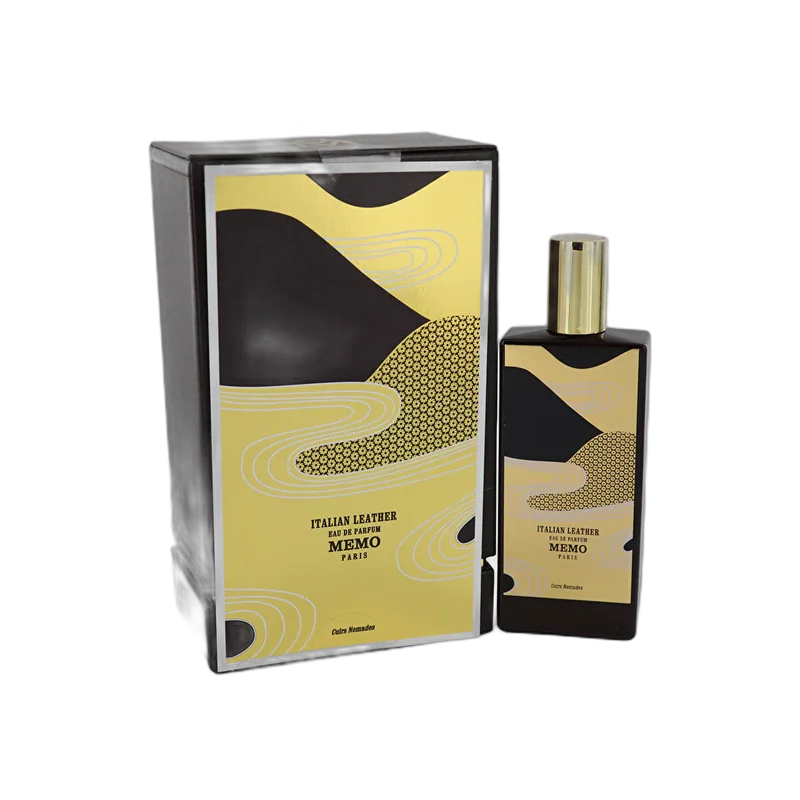
Italian Leather Eau De Parfum
Italian Leather from 2013 is the quartet member that earns the least immediate recognition and often the most devoted following once someone actually wears it for a day. The concept here is the oldest leather-working tradition in Europe — Florentine craft, dark and polished — and the perfume follows that logic into a dry, slightly smoky leather built around a cherry-tobacco accord that gives the opening an unexpected fruit-and-wood quality. Dark rose and violet add depth in the heart, and a base of vetiver and patchouli keeps the whole structure grounded and a touch earthy. The cherry note reads less as sweet fruit and more as dried, almost preserved, which places it closer to an Italian wine or spirit than to anything gourmand. It is the darkest and most complex of the four leathers, and the one that reveals the most across hours of wear as the fruit recedes and the vetiver becomes the dominant voice. Projection is moderate and the dry-down is long-lasting, making it a reliable companion from early afternoon into the evening. The learning curve is real, but Italian Leather rewards the investment.
The Four Leathers, Grouped by Character
The easiest way to choose between the four is to start with temperature. Irish Leather and French Leather both operate in a cool-to-warm range, and both read comfortably across seasons and occasions. Irish Leather is the greener and fresher of the two, built for days when you want leather that recedes into the background and lets the outdoors accord carry the interest. French Leather is warmer and more presence-forward, built on that rose-leather pairing that has genuine stopping power without being loud. Between those two, the split is usually about whether you prefer green freshness or polished florals as the dominant quality sitting over the leather.
African Leather and Italian Leather occupy a warmer, darker register and are better suited to cold weather and the evening half of the day. African Leather is the more immediately impressive of the two, projecting confidently and building intensity through the dry-down, with that spiced, smoky quality making it the natural choice for anyone who finds the first two leathers too restrained. Italian Leather asks more of the wearer, delivering its best over hours rather than in the first minutes, and the cherry-tobacco character is genuinely unusual in a way that rewards patience but requires actual commitment.
Performance across the series is consistent in character if not in intensity. All four project at a moderate niche level rather than going for maximum reach, which suits the travel-postcard concept — these are personal companions rather than room-dominators. African Leather is the longest-lived and most projecting; Irish Leather and French Leather are the most restrained; Italian Leather sits between the two camps and leans close-to-skin as it dries. None of the four are skin scents in the weak sense, but none of them are sillage monsters either, which is part of why they read as everyday companions in a way that heavy birch-tar leathers do not.
The Desert Detour
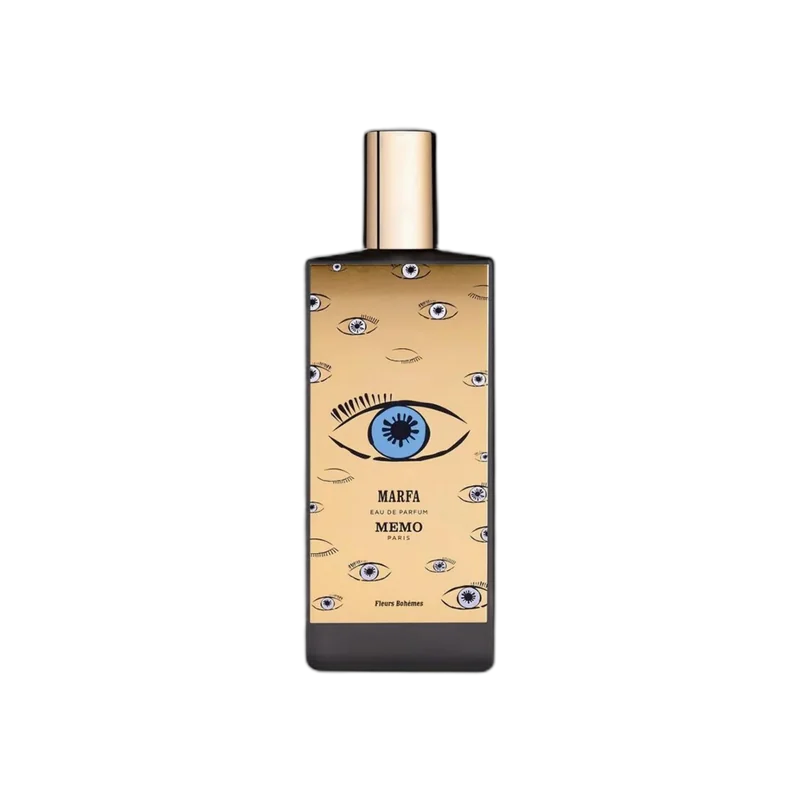
Marfa Eau De Parfum
Marfa arrived in 2016 as a deliberate pivot from the leather series, built around the remote West Texas art-world town and the hot, dry, white-light landscape that defines it. The tuberose at the centre is rich and milky rather than green or medicinal, the kind that reads warm and rounded rather than cold or heady, and it sits alongside a dry, almost chalky muslin accord that conjures bleached linen and pale desert dust. A base of sandalwood and cashmeran gives it warmth and longevity without adding sweetness. The contrast between the full, generous tuberose heart and the arid, mineral surroundings is what makes it interesting as a compositional move: it should not cohere, and it does. Tuberose is one of the most expressive and polarising notes in the white-floral family — Marfa is among the more distinctive modern uses of it, placing the material in a landscape that actually changes how it reads. It wears comfortably unisex despite the floral centre, and projects at a moderate level for hours before becoming a skin scent. The bottle, a clean white glass column, fits the desert-gallery aesthetic the house was reaching for.
Marfa is the fragrance that establishes Memo Paris as a house with interests beyond leather, and it is worth treating on its own terms rather than as an outlier in the leather series. The tuberose is load-bearing rather than accent, and readers wanting more context on the material can find it in the best tuberose fragrances guide. What the Marfa composition does well is compositional contrast: a full, milky white floral placed inside a dry, mineral, chalky desert setting, two registers that should cancel each other out and instead make the tuberose read differently than it would in a conventional floral context. That tension between lush bloom and arid surroundings is where the fragrance earns its place in the house's travel-diary framework. Within the Memo line, Marfa is the argument that the travel-diary concept works equally well when the destination is arid and American rather than green and European.
How to Choose
The question most people arrive at is whether to start with Irish Leather or French Leather, and the honest answer is that it depends on where your existing fragrance wardrobe sits. If you wear a lot of green, outdoorsy or aromatic fragrances and want a leather that feels natural alongside them, Irish Leather is the easier entry. If you tend toward florals, rose-forward fragrances or warmer skin-close scents, French Leather integrates more naturally. Either way, starting at the softer, cooler end of the quartet and working toward African and Italian Leather is the sensible order of exploration rather than arriving at the smoky, spiced end first and concluding leather is not for you.
On value, the entire Memo Paris line sits in the accessible-niche tier, priced below prestige leather-oud houses but above the designer bracket. The live data we hold across the retailers who stock the range is worth checking before buying, because prices across niche perfumery shift considerably between stockists and can run meaningfully under the house's own retail price. All five fragrances here are tracked, and the live lowest and average prices reflect real-time availability.
For anyone hesitant to commit to a bottle without testing, the leather series samples well together, and most good fragrance retailers stock discovery sets or decants across the quartet. A full day of wear is what Irish Leather and Italian Leather in particular need to show their best work, so sampling via a decant before buying a full bottle is time well spent at this price point.
Compare Memo Paris fragrance prices across every retailer on Aurexum