
Best Patchouli Fragrances
What Patchouli Actually Smells Like
Ask most people and the answer is something about joss sticks and vintage clothing markets. That association is real but narrow, and it misses what makes patchouli one of the most versatile materials in the perfumer's toolkit.
Raw patchouli — a dark, heavy essential oil steam-distilled from the dried leaves of a mint-family plant grown mainly in Indonesia and India — does smell earthy, musty and a little sharp. But modern fractionated and aged patchouli is something else: dark chocolate, damp cellar wood, a faint herbal edge and a natural sweetness that sits somewhere between cocoa and dried fruit. Aged for two or three years, it smooths considerably. When a perfumer isolates specific fractions of it, they can dial up the clean and woody facets or the dark and earthy ones, and the result can land anywhere from mossy forest floor to something close to leather suede.
That range is why patchouli appears in half the bestsellers of the last thirty years without most wearers noticing it. It is doing different work in each: giving a rose its gravity, giving a gourmand its darkness, giving an aromatic masculine its earthiness. It is rarely the thing you smell first and often the thing you cannot stop smelling.
The Stereotype vs the Material
The head-shop association came from the 1960s and 1970s, when raw patchouli oil was used heavily in hippie counterculture. It was cheap, strong and easy to apply neat — exactly what you want if you are at a music festival with no access to a shower. The note became culturally coded, and that coding stuck for decades.
Givenchy Gentleman, released in 1975, was an early attempt to reclaim the material for formal fragrance. By folding patchouli into a lavender-and-iris fougère rather than using it as a solo statement, the house proved it could function as a backbone rather than a declaration. It is still the clearest historical reference for patchouli done in the masculine tradition.
What changed the story permanently was Angel in 1992. Olivier Cresp and Yves de Chirin paired patchouli with ethyl maltol — the synthetic that smells of caramel and spun sugar — and produced the first mainstream gourmand. Suddenly patchouli was in the bestselling women's fragrance on the planet, and nobody was calling it a head-shop note.
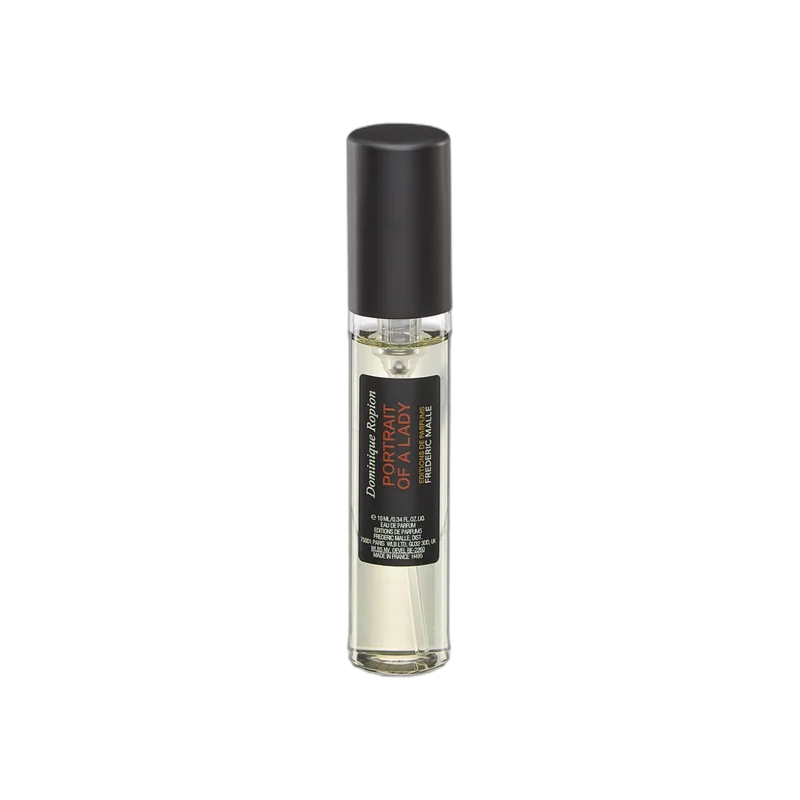
Portrait Of A Lady Eau De Parfum
Dominique Ropion's 2010 masterwork for Editions de Parfums Frédéric Malle, and the fragrance that settled the argument about whether rose and patchouli belong together. The concept is straightforward, Turkish rose at an almost absurd concentration pressed into a base of dark patchouli and frankincense, with a thread of raspberry and cinnamon in the heart keeping it from going too austere. In practice it reads as a cathedral accord, deep and resonant and far more incense-driven on dry-down than the rose opening suggests. The patchouli here is damp earth and cellar wood rather than anything herbal, which is what gives the rose its gravity. Performance is formidable: it projects for the better part of a day and has real staying power on fabric. Malle's usual transparent formula, printed with the perfumer's name on the box, positions it as a grown-up investment piece, and it is priced accordingly, typically the most expensive bottle on any counter it shares. The rose takes the billing, but the patchouli is the skeleton of the whole thing, doing the quiet structural work from the first hour to the last. For a rose-patchouli done at its most architectural and uncompromising, nothing else comes close.
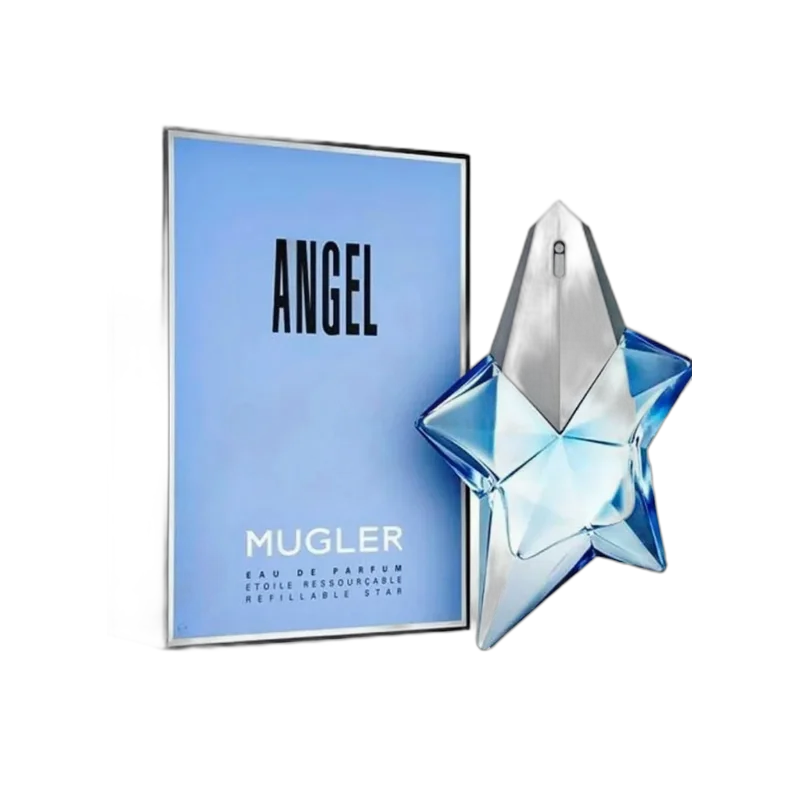
Angel Eau De Parfum
Thierry Mugler's 1992 game-changer, composed by Olivier Cresp and Yves de Chirin, and the scent that pulled patchouli out of the head shop and into the mainstream by making it smell like dessert. The concept was radical for the time: dark Indonesian patchouli paired with ethyl maltol, a synthetic that reads as caramel and spun sugar, with bergamot and red fruit up top and vanilla, sandalwood and honey underneath. The patchouli provides the earthy, almost chocolatey depth; the maltol provides the sweetness; and together they created the gourmand genre that now accounts for a significant slice of the fragrance market. It is loud by most standards, projecting strongly on first spray and lasting well into the next day, and it divides rooms as reliably as it did in 1993. The blue star-shaped bottle is one of the most recognisable flacons in history. If you want to understand how patchouli became a mainstream material rather than a counterculture one, Angel is the clearest starting point. The gourmand genre it spawned now fills entire department-store counters, and most of those scents owe their darkness to patchouli. The current EDP batches remain true to the original brief.
The Rose-Patchouli Cathedral and the Gourmand That Started Everything
Portrait of a Lady and Angel sit at opposite ends of what patchouli can do, and together they frame the whole spectrum.
Portrait of a Lady is the darker, more architectural reading. Dominique Ropion used patchouli as the structural backbone for a massive Turkish rose, the earth and cellar-wood facets of the material giving the rose a weight and gravity it would not have on a lighter base. Add frankincense on the dry-down and you have something that reads as much like incense as florals, a serious evening scent for anyone who wears their fragrance with intention. It sits at the prestige end of the price tier and justifies it.
Angel is the populist reading, and none the worse for it. Patchouli pairs with sweetness here — the ethyl maltol providing the caramel note, vanilla and honey filling the base — and the result is a gourmand that projects loudly and lasts hard. It is polarising in a way Portrait of a Lady never quite is, precisely because it is less subtle. But its influence is difficult to overstate: the gourmand genre it created now occupies an enormous portion of the fragrance market, and most of those scents owe their darkness to patchouli.
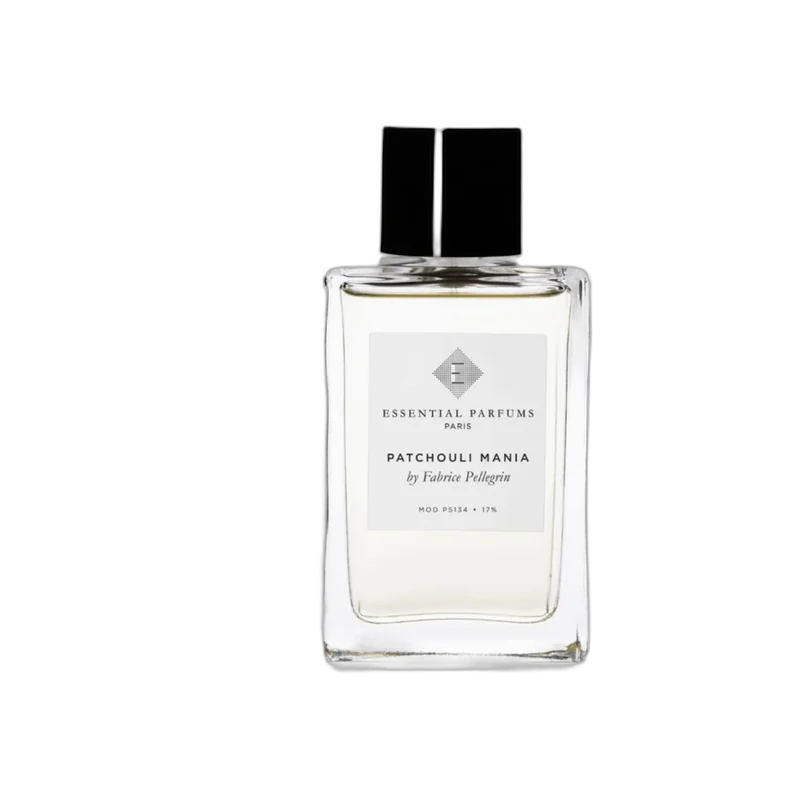
Patchouli Mania
Essential Parfums' 2023 release, and the most patchouli-forward entry on this list, a contemporary niche statement that puts the material directly in the spotlight rather than using it as a support note. The Paris house — known for accessible, single-material-led compositions — built Patchouli Mania around a bright, green patchouli accord that reads fresher and less earthy than the Indonesian patchouli in the older classics here. Citrus and a touch of pink pepper sit at the open, a jammy rose-and-iris heart gives it some roundness, and the patchouli base is clean and slightly mossy rather than damp or chocolatey. It wears as a modern, office-friendly interpretation of the material, which is a deliberate choice at Essential Parfums: the house's price point and the approachable formula make it a logical way in for anyone who wants to explore patchouli without committing to the darker, louder versions. Performance is moderate, which suits the style; projection is active for a few hours before the scent settles close to skin. For the price, it is an unusually precise piece of work, less heavy than the legacy patchoulis and deliberately so.
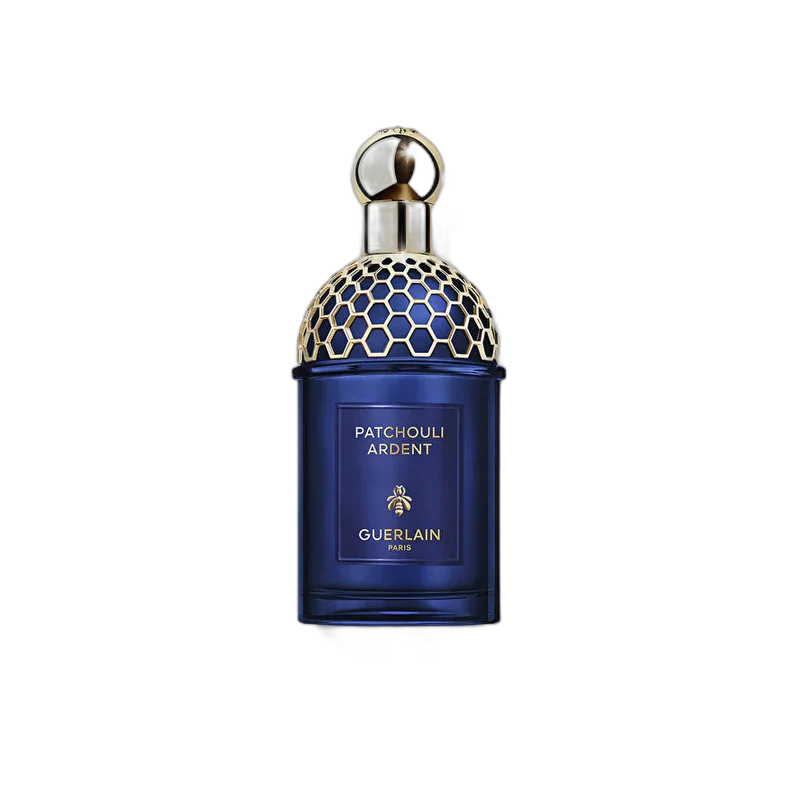
Patchouli Ardent
Guerlain's 2020 patchouli, part of the L'Art et la Matière collection, and the house's most focused material study in the range. Where the maison usually layers materials into deep, complex accords, Patchouli Ardent centres dark Indonesian patchouli with rose and violet giving it a faintly powdery, almost suede-like quality, and a base of vanilla and benzoin warming everything into something more amber than earth. The result is smoky and polished rather than raw, the kind of patchouli that reads as luxury leather more than forest floor. It wears close and warm, projecting modestly but persisting on skin for most of a day — the Guerlain house style applied to a material that usually gets handled more roughly. Bottled in the ornate L'Art et la Matière flacon, it sits at the prestige end of the designer-niche bracket, and it is the pick here for anyone who finds the darker and sweeter patchoulis too blunt. The connection to woody and earthy fragrance territory is the clearest on this list, making it the natural next step for anyone drawn to the drier end of the patchouli spectrum.
The Modern Statement and the Polished Luxury Take
Patchouli Mania from Essential Parfums represents where the material is going in contemporary niche perfumery: brighter, greener and more wearable than the legacy versions, without losing the earthiness that makes patchouli interesting. It reads office-friendly where Angel reads like a room-filling statement, and it is priced at a point that makes sampling straightforward. For anyone new to the note, it is the most sensible starting point.
Guerlain's Patchouli Ardent is the opposite instinct — what happens when a heritage house takes the material and applies its own weight and depth to it. The patchouli here is warmed with rose, violet and benzoin into something closer to smoky leather than forest floor, and the Guerlain house style keeps the whole thing polished and close-wearing. It is less raw than the other patchoulis on this list and more considered, the pick for someone who already loves the note and wants a version they can wear to dinner.
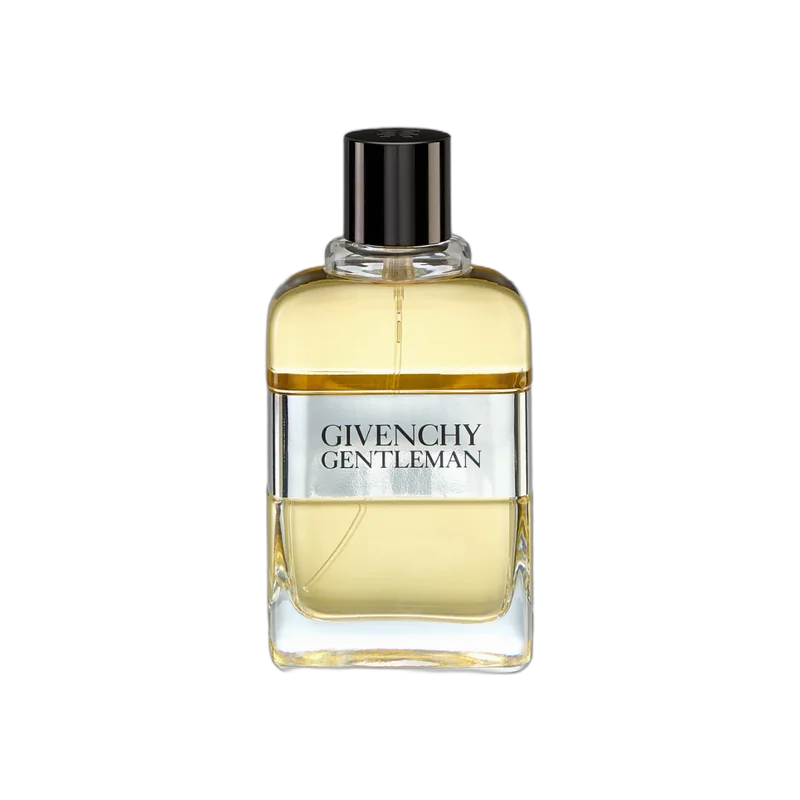
Givenchy Gentleman Eau De Toilette
Givenchy's 1975 aromatic fougère, and the fragrance that made patchouli respectable on the masculine side of the market before the note became a genre signature. The original Gentleman is built on a dry lavender and iris opening — the iris particularly sharp and almost talcum-like on the open — over a patchouli and vetiver base that reads earthy and woody rather than sweet or heavy. There is a cleanness to it that the later patchouli classics lack, closer to a barbershop accord than anything countercultural, which is exactly the point: Givenchy was positioning patchouli as an ingredient in a formal masculine rather than a statement in its own right. The concentration is an eau de toilette, which keeps projection moderate and makes it the lightest-wearing bottle on this list. It has been reformulated over the decades and the current batch is a lighter read than pre-IFRA versions, though the bones of the accord remain. For a historical reference point on how patchouli arrived in fine fragrance, and for anyone who wears it as a cooler-weather classic rather than a bold statement, the Gentleman is essential context.
The Vintage Masculine Reference
Givenchy Gentleman closes the list because it closes the historical bracket. Released in 1975, it is the fragrance that demonstrated patchouli could live inside a structured masculine fougère without announcing itself as a counterculture statement. The lavender-and-iris top is the formal part, and the patchouli-vetiver base is the earthy anchor underneath. Current batches are lighter than pre-IFRA versions, so vintage hunters should note the difference, but the dry-down DNA is intact. It is the most restrained bottle here and the best reference for patchouli worn quietly.
It also rewards a little patience on skin. The talc-dry opening can read austere for the first half hour, and the patchouli only shows its hand once the iris settles, so judge it on the drydown rather than the first spray. Worn to an office or over a wool coat it does quiet, old-fashioned work that none of the louder bottles here can match, and that restraint is precisely why it has survived five decades of changing fashion.
How to Choose
The main variables are how dark and how sweet you want the patchouli, and how conspicuous you want to be wearing it.
For the loudest and most genre-defining experience, Angel remains the reference: a patchouli-and-sweetness juggernaut that has been influential enough to spawn its own article about best gourmand fragrances. Portrait of a Lady is the reference if you want weight and architecture without sweetness, and you are willing to pay for it. Patchouli Mania is the modern, wearable entry point if you are new to the note and want something that works in a range of contexts. Patchouli Ardent is the luxury take for experienced patchouli wearers who want something polished. Givenchy Gentleman is the historical document, the proof that patchouli was in fine fragrance before Angel made it famous.
On performance, the patchouli in all of these is inherently long-lasting — it is one of the most tenacious naturals in perfumery — so even the lighter bottles (Patchouli Mania, Gentleman) have reasonable staying power. Angel and Portrait of a Lady are full-scale room-fillers. Sample the dearer bottles first, particularly Portrait of a Lady and Patchouli Ardent, which are investments that wear very differently in different temperatures and on different skin types. Patchouli in particular can turn heavier and darker in warm weather, so a winter sample does not always tell you the full story.
The note anchors some of the most interesting best woody fragrances in the market too, since the earthy-wood facets of the material sit naturally alongside vetiver, cedarwood and sandalwood. If you find yourself drawn to the drier end of this list, that direction is worth exploring.
Compare patchouli fragrance prices across every retailer on Aurexum