
Fragrance Batch Codes Explained
What a Batch Code Actually Is
A batch code is the small alphanumeric stamp printed on a fragrance bottle and its box that identifies the exact production run the juice came from. Read correctly, it tells you roughly when the fragrance was made, which is useful for judging freshness and for dating older bottles, but it is not a guarantee of authenticity.
That is the whole answer in two sentences, and it is worth sitting with, because most confusion about batch codes comes from expecting them to do a job they were never designed for. The code exists for the manufacturer, not the buyer. When a factory fills a run of bottles, it stamps them so that if something goes wrong with that batch, it can be traced and recalled. Everything the fragrance hobby does with batch codes is a clever secondary use of a stamp meant for quality control.
For a price-comparison shopper, the practical value is narrow but real. A batch code lets you estimate how old a bottle is, sanity-check that the code on the box matches the one on the bottle, and, on a few fragrances, join the long-running enthusiast argument about which production runs smell best. None of that makes it a fraud detector, and pretending otherwise is where people get burned.
Where to Find the Code
On most bottles the code is stamped in ink or laser-etched onto the base of the glass, usually a short string of four to seven characters mixing letters and numbers. Look on the underside first. If it is not there, check the bottom edge of the label, the crimp under the collar, or the shoulder of the bottle. The same code should appear on the box, typically printed near the barcode or on a flap.
That box-to-bottle match is the one genuinely useful authenticity signal a batch code offers, and it is a soft one. If the code stamped on the glass and the code printed on the carton agree, the bottle and box left the factory together. If they disagree, something has been swapped, refilled or repackaged, and you should walk away. It is a light check, not a seal of approval, because as we will get to, the code itself can be faked.
Some houses laser-etch a code that is deliberately hard to read, which is normal rather than suspicious. A phone torch at a low angle usually brings faint etching into relief.
How to Read One
You do not read a batch code by eye. The format is proprietary to each manufacturer and often shared across many brands that use the same production groups, so a code from Coty follows different rules to one from L'Oréal or Puig. Enthusiasts rely on community batch-code checker websites, which have reverse-engineered dozens of these formats and will return an approximate production date when you paste a code in.
Two things to keep in mind about those checkers. First, they are community tools, not official manufacturer databases, so they are best-effort and occasionally wrong, especially on newer houses or Middle Eastern brands whose codes nobody has decoded yet. Second, they return a manufacturing window, often a month and year, not a precise day and never an expiry. A checker telling you a bottle was made in a given quarter is genuinely useful for gauging freshness; a checker claiming to confirm a bottle is real is overstepping what the data can prove.
Use them to answer one question well, roughly when was this made, and ignore any that promise more than that.
The Batch That Became Folklore
Nowhere is the batch obsession stronger than Creed Aventus, so it belongs at the front of any explainer on the subject.
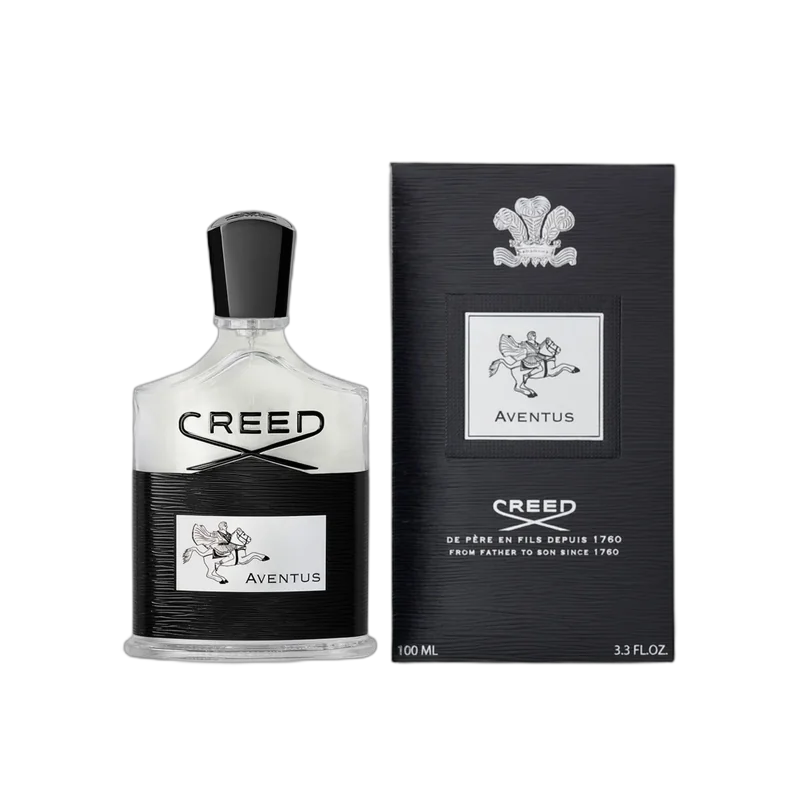
Aventus
Creed's 2010 fruity-woody chypre and the single most batch-obsessed fragrance in the hobby, which is exactly why it leads a piece on batch codes. Aventus opens on tart pineapple and blackcurrant lit by bergamot and apple, then dries down through birch smoke, oakmoss, ambergris and dry musk into the pineapple-and-smoke signature everyone recognises. The formula leans heavily on naturals, and naturals vary crop to crop, so different production runs genuinely smell different. Enthusiasts trade batch numbers the way collectors trade vintages, arguing that some batches wear fruitier, others smokier or more musky, and paying premiums for the runs they rate. Whether every claimed difference is real is another matter, but the underlying point stands, this is a scent where the code on the base is treated as a spec sheet. Performance is strong without being a screamer, projecting well for hours and lasting most of a day on skin. It sits at the top of the designer-adjacent price bracket and remains heavily cloned, with a wall of dupes chasing that fruit-and-birch accord. For anyone learning to read batch codes, Aventus is the reference case, the bottle that turned a manufacturing stamp into folklore.
Aventus is the fragrance that turned a manufacturing stamp into a trading currency. Because the formula leans hard on natural materials, and naturals vary from harvest to harvest, different production runs really can smell different, and the enthusiast community has spent more than a decade cataloguing which batches wear fruitier, smokier or more musky. Whole spreadsheets exist. People pay premiums for the runs they rate and warn each other off the ones they do not.
The lesson here is not that you should chase a specific Aventus batch. It is that batch variation is a real phenomenon on naturals-heavy compositions, and Aventus is simply the most documented example. Most fragrances vary far less than the folklore around this one suggests, and much of the batch discourse is confirmation bias dressed up as connoisseurship. Still, the underlying mechanism is genuine, and it is why some collectors treat the code on the base as a spec sheet rather than a serial number.
When Codes Track a Reformulation
The more grounded reason enthusiasts care about batch codes is reformulation tracking, and a few classics show it clearly.
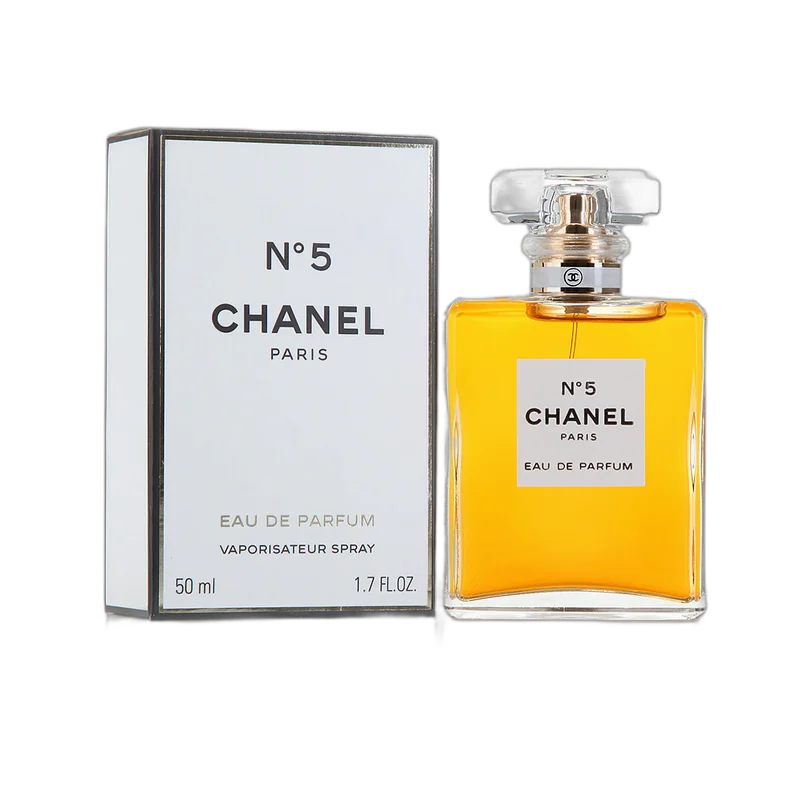
No 5 Eau De Parfum
Chanel's aldehydic floral, first composed by Ernest Beaux in 1921 and running in near-continuous production ever since, which makes it the perfect century-of-batches case study. This is the eau de parfum concentration, the plush 1986 interpretation of the original, richer and rounder than the sharper vintage extrait. The bones are unchanged, a famous burst of aldehydes over jasmine, may rose and ylang, sitting on sandalwood, vetiver and a soft vanilla-amber base that reads powdery and warm. What matters for batch codes is that No 5 has been reformulated repeatedly across a hundred years, chasing supply and IFRA rules, so a code here places your bottle within a specific era of the formula rather than just a manufacturing week. Collectors use those codes to date vintage finds and to argue about which decade wore best. It projects moderately and lasts most of a day, unmistakably a grown-up scent rather than a crowd-pleaser. Made in-house and never licensed, it is the most recognised fragrance on earth and the clearest example of why a code is a date stamp, not an authenticity guarantee. For learning how production runs track a reformulation timeline, nothing beats it.
Chanel No 5 has been in near-continuous production since 1921 and reformulated repeatedly across a century, chasing raw-material supply and tightening IFRA rules on materials like oakmoss and certain nitro musks. A batch code on a No 5 bottle does not just tell you the week it was filled, it places the juice inside a specific era of the formula. Collectors use codes to date vintage finds and to argue about which decade of the reformulation wore best, which is a far more defensible use of the stamp than treating it as an authenticity token.
Dior Fahrenheit and YSL La Nuit de L'Homme sit in the same camp, both fragrances where the community insists the formula has drifted over its production life.
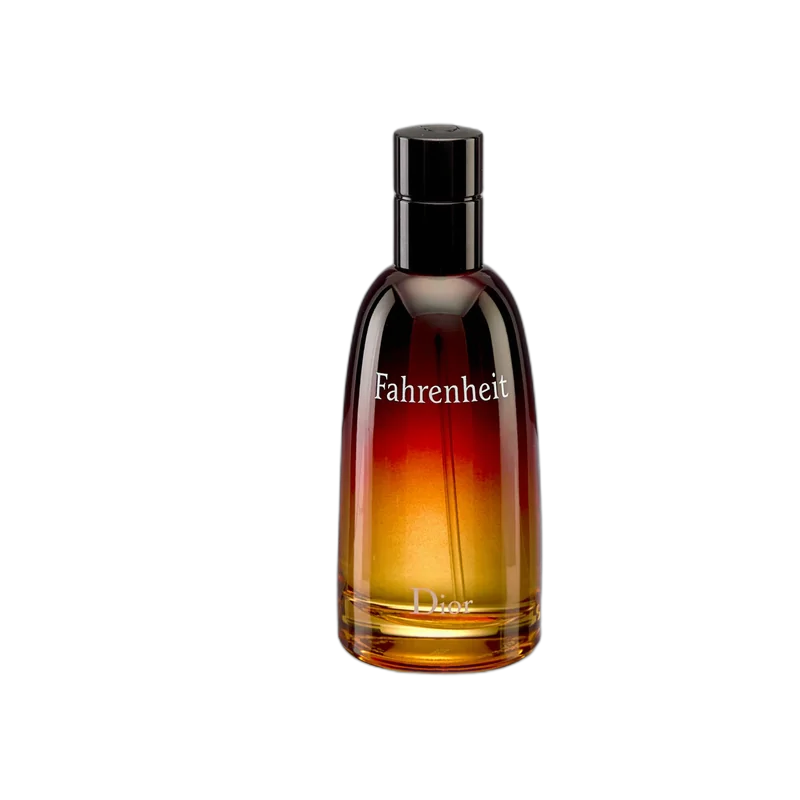
Fahrenheit Eau De Toilette
Dior's 1988 leather-aromatic and one of the most argued-over reformulation cases in the hobby, which earns it a spot in any batch-code discussion. This is the eau de toilette, built around a strange, brilliant idea, a violet-leaf and honeysuckle freshness fused to a smoky petrol-and-leather base that reads almost industrial. Nothing else from the era smells like it, and that oddness is precisely what makes vintage-versus-current batch talk so heated. Enthusiasts insist older runs carried more of the raw gasoline-leather grit, while later reformulations sanded it smoother, and they lean on batch codes to sort which is which. Whether the gap is as wide as the lore claims depends on who you ask, but the debate is real and the code is the evidence people cite. It projects strongly and lasts a full day, a cold-weather and evening scent that wears firmly masculine. It is a genuine landmark, the fragrance that proved a mainstream designer could sell something this weird. For tracking how a formula shifts across decades of production, Fahrenheit is a textbook example.
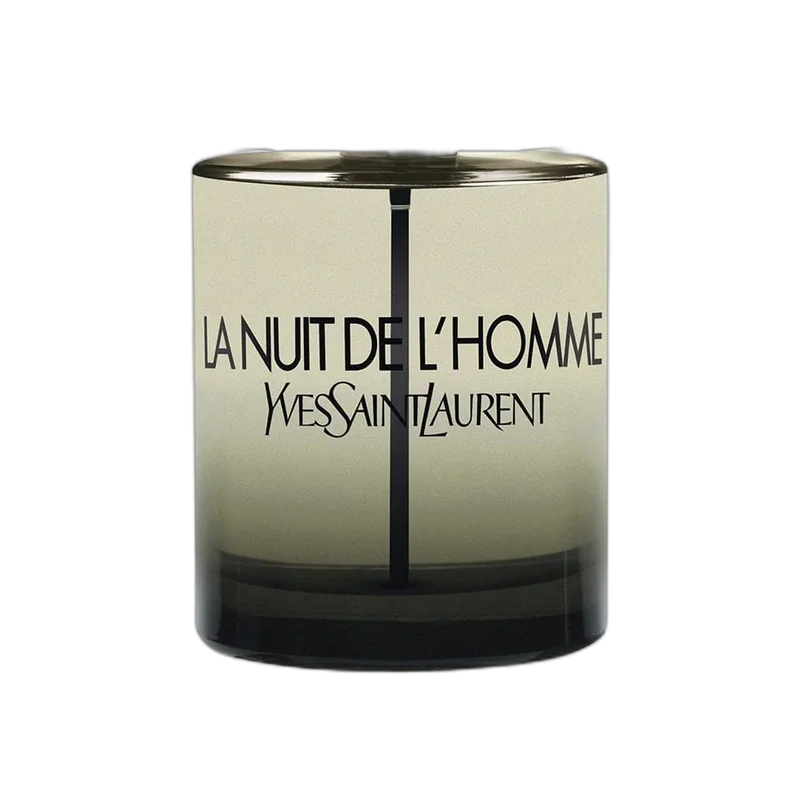
La Nuit De Lhomme Eau De Toilette
Yves Saint Laurent's 2009 spicy oriental and the reformulation-tracking case that batch-code hobbyists cite most, built for the house by a Givaudan team around cardamom and a creamy iris. La Nuit de L'Homme opens on cardamom, bergamot and lavender, then settles into a cedar, vetiver and coumarin base with a soft caraway warmth, sweet and smooth rather than sharp. This is the eau de toilette, the original and still the best-loved concentration in a range that has since sprawled into Intense, Le Parfum and Bleu Électrique flankers. It matters here because enthusiasts swear the formula has drifted over its production life, some batches reading spicier or more cardamom-forward, others sweeter and flatter, and they use batch codes to chase the runs they prefer. Made for YSL by L'Oréal, it became one of the best-selling designer masculines of its decade on the strength of that easy, date-night appeal. Performance is moderate, projecting well for a few hours then hugging the skin for most of a day. It reads masculine but wears close to unisex. For a lesson in using batch codes to track quiet reformulation, this is the everyday reference bottle.
Fahrenheit is the loudest of these debates, with older batches said to carry more of the raw petrol-and-leather grit and later runs reading smoother. La Nuit de L'Homme is the quieter case, where some batches are held to be more cardamom-forward and others sweeter and flatter. In both, the batch code is the evidence people cite when they claim to have found a better-smelling run. Whether the gaps are as wide as the lore says is genuinely debatable, and blind tests rarely go the way the forums predict. But the honest version of batch tracking is this, use the code to date the bottle, then trust your own nose on whether it smells the way you want.
Why Fresher Stock Matters
Beyond the reformulation lore, there is a plain practical reason to read a code, freshness, and it matters most on citrus-heavy and lighter scents. Bright top notes, bergamot, lemon, grapefruit, the aldehydes in something like No 5, are the first materials to fade and turn as a bottle ages. A fragrance that leans on them will smell noticeably duller from an old batch than a recent one, long before the whole thing has technically gone off.
This is where batch codes and shelf life intersect, and it is worth being precise about the difference. A batch code tells you when a bottle was made. It says nothing about how it was stored or whether it has degraded, which is a separate question covered in our guide to whether does perfume expire. A three-year-old bottle kept cool and dark can be perfect; a one-year-old bottle left on a sunny windowsill can be past it. Use the code to prefer fresher stock on delicate citrus and floral scents, and use common sense on storage for everything else.
For heavier ambers, ouds and gourmands, freshness matters far less. Those base-heavy compositions age slowly and sometimes improve, so chasing a recent batch on a tobacco-vanilla is mostly wasted effort.
The Grey-Market Reality
Here is the part the checker websites will not tell you plainly. A batch code is not proof against fakes, because counterfeiters copy real codes straight off genuine bottles. A convincing fake will carry a valid, checker-verified code that returns a plausible date, because the forger simply lifted it from an authentic unit. Running a code through a checker and getting a clean result tells you the code is real. It does not tell you the bottle is.
This matters because a lot of the best fragrance prices come through the grey market, parallel imports and diverted stock that are entirely legitimate and are the main reason a bottle can cost far less than the boutique charges. We break down exactly how that works and why it is above board in our piece on why fragrance is cheaper online. Grey-market goods are genuine product sold outside the brand's official channel, and a matching batch code between box and bottle is a reasonable sanity check that you are getting the real thing.
The trap is expecting the code to do more than that. Buy from sellers with return policies and track records, treat a matching box-to-bottle code as one green flag among several, and never let a valid code override the other signs, off packaging, wrong weight, a scent that reads thin. The code is a starting point for trust, not the finish line.
The Honest Summary
Read a batch code for two things and no more. Use it to estimate age, so you can favour fresher stock on citrus and floral scents where top notes fade fast. Use the box-to-bottle match as a light authenticity check that the unit was packed at the factory. That is the sensible use of the stamp, and it is genuinely worth the thirty seconds it takes.
Everything else is optional. The batch-variation folklore around Aventus is real in principle and overstated in practice. The reformulation tracking on No 5, Fahrenheit and La Nuit de L'Homme is a legitimate hobby if you enjoy it and pointless if you do not. And no batch code, however clean it checks out, will ever guarantee a bottle is authentic, because the code is the easiest thing on the whole package to copy. Trust the code to date your bottle. Trust your nose for the rest.