
How to Apply Fragrance (Without Overdoing It)
Where Do You Actually Spray Fragrance?
Spray it on warm, bare skin, two to four times, on the upper chest and the sides of the neck, then leave it alone. That single sentence covers most of what you need, and the rest of this piece is calibration: where the warm spots are, how many sprays a given strength wants, and which long-standing habits quietly ruin the result.
The logic behind pulse points is real but oversold. Fragrance lifts and radiates faster from warm skin, and the places where blood runs close to the surface run a little hotter, so the wrists, the neck, the inner elbows and behind the ears all get named as targets. The useful version of that advice is simpler than the folklore. Your chest and neck sit right under your own nose and everyone else's at conversation distance, they stay covered and protected through the day, and they give a scent a broad warm surface to bloom from. That is where the bulk of your sprays should land.
Wrists are the overrated pulse point. They are exposed, you wash your hands constantly, and they knock against desks, bags and sleeves all day, so scent there fades first. A single spray on one wrist is fine if you like catching it, but do not make your wrists the main event and then wonder why the fragrance vanished by lunch. Behind the ears is worse than its reputation suggests too, since the skin there is oily and the scent mostly ends up on your collar anyway. Aim for the collarbone and the throat and you get the same closeness with far more staying power.
How Many Sprays Is Too Many?
This is the question that decides whether you smell put-together or leave a wake. The honest answer is that it depends entirely on the concentration and the specific fragrance, not on a fixed number, which is why blanket rules like "always three sprays" fail people. Concentration is the first dial. An eau de toilette carries less perfume oil and wears lighter and shorter, so it can take four to six sprays. An eau de parfum is richer and lasts longer, so three to five is plenty. An extrait or a heavy niche oriental can be devastating at one or two. Strength within a category matters just as much, because a potent EDT will out-project a soft EDP, and this is where knowing the individual bottle beats any chart. If you want the deeper mechanics of why some scents sit close while others fill a room, we pulled that apart in projection explained.
The four case studies below are chosen to span that whole range, from a beast you meter in single sprays to a skin scent you can spray with abandon. Read them as a dosing scale rather than a shopping list.
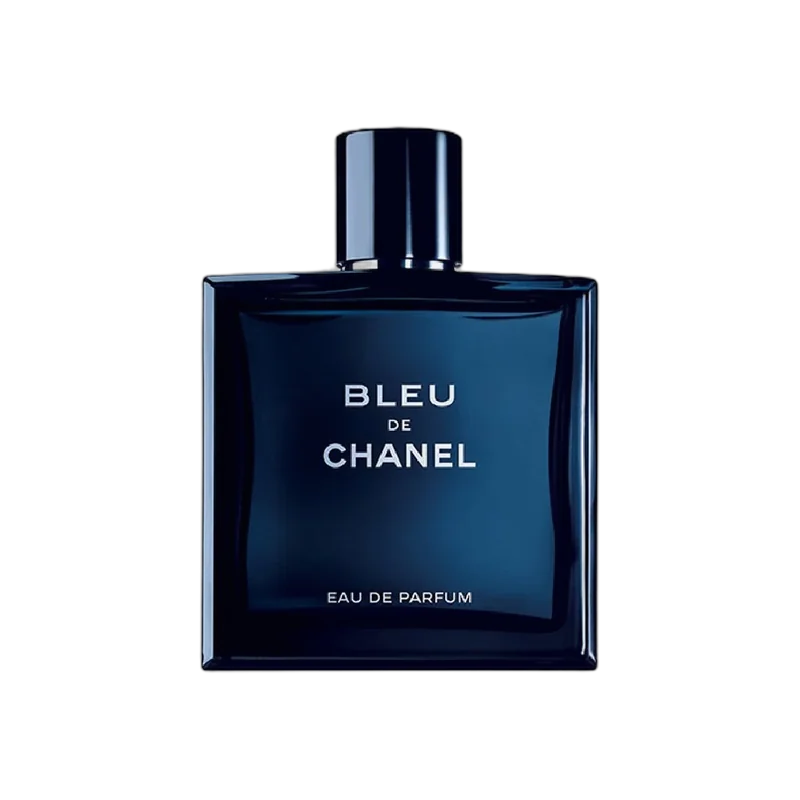
Bleu De Chanel Eau De Parfum
Chanel's 2014 flagship for men and the fragrance most people mean when they say a scent smells expensive and safe. Bleu de Chanel arrived as an EDT before this eau de parfum landed in 2014 and became the version enthusiasts reach for. It is a woody-aromatic built on a citrus and pink-pepper open, a heart of ginger, nutmeg and a clean incense, and a base of dry cedar, sandalwood and labdanum that reads smooth rather than sweet. The EDP is warmer and rounder than the EDT, with the incense and woods pushed forward and a little more staying power for the trade-off of a touch less zing up top. Performance is the reason it is the balanced default in this piece, projecting well for the first hours before settling into a close skin scent that lasts most of a working day at three or four sprays. It wears office to evening and season to season without much thought, which is exactly its appeal and its criticism. For a versatile designer benchmark that flatters almost everyone, this is the one to calibrate against.
Bleu de Chanel is the balanced default and the one to calibrate everything else against. Three to four sprays of the EDP on the chest and neck gives you presence for the first hours and a close, flattering skin scent for the rest of a working day, without ever crowding a lift or a meeting room. If your fragrance behaves roughly like this, three or four is your number. Most designer EDPs do.
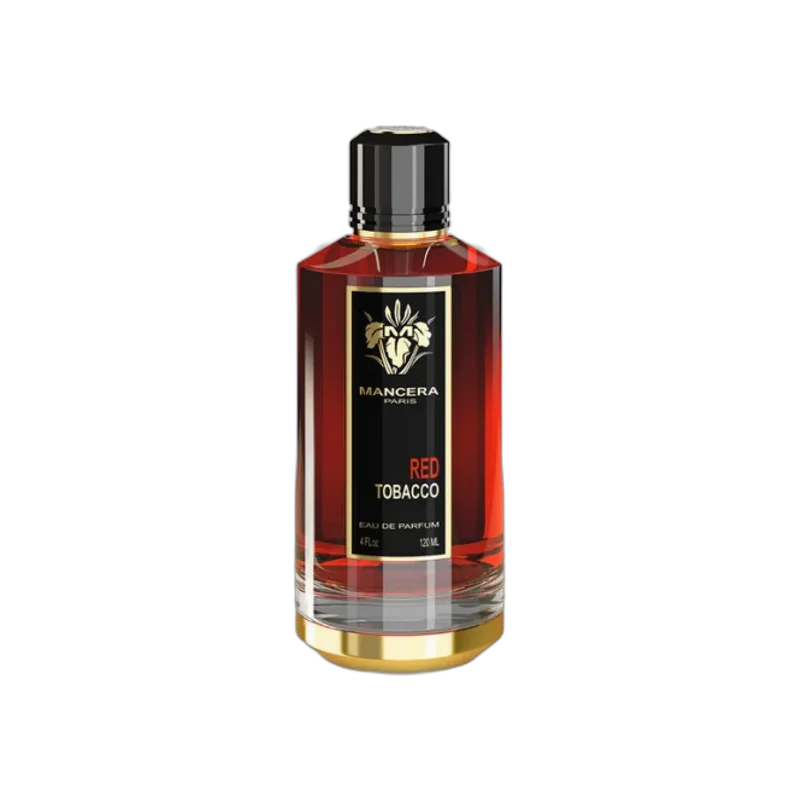
Red Tobacco
Mancera's 2017 amber tobacco and the beast-mode case study in this guide, the bottle that taught a generation of wearers to stop at one spray. The Paris house built Red Tobacco as a spiced oriental, opening on a searing hit of chilli, saffron and cinnamon before a rich tobacco, tonka and vanilla base takes over and refuses to leave. There is oud and amber woven through the drydown to give it heft, and the whole thing wears dark, warm and unapologetically loud. This is where restraint stops being optional. One or two sprays fills a room and lasts the better part of a day, and the extra spray most people reach for by habit tips it from confident into a cloud nobody around you asked for. It is a cold-weather and evening scent by nature, far too heavy for a warm office or a summer afternoon. Bottled in the house's signature black-and-gold flacon and priced well under the niche it competes with, it earns its cult status on sheer output. For anyone learning to dose potent fragrance down, Red Tobacco is the honest teacher.
Red Tobacco is the opposite lesson, and the one that trips people up most. It is a genuine beast, and the spray count you have trained on a designer scent will flood a room here. One spray on the chest is a statement, two is the ceiling, and the third that your hand wants out of habit is exactly the mistake this guide exists to prevent. Potent orientals like this reward a lighter hand precisely because they carry so far. When a fragrance projects this hard, less genuinely reads as more, and you spend the day smelling expensive rather than inescapable.
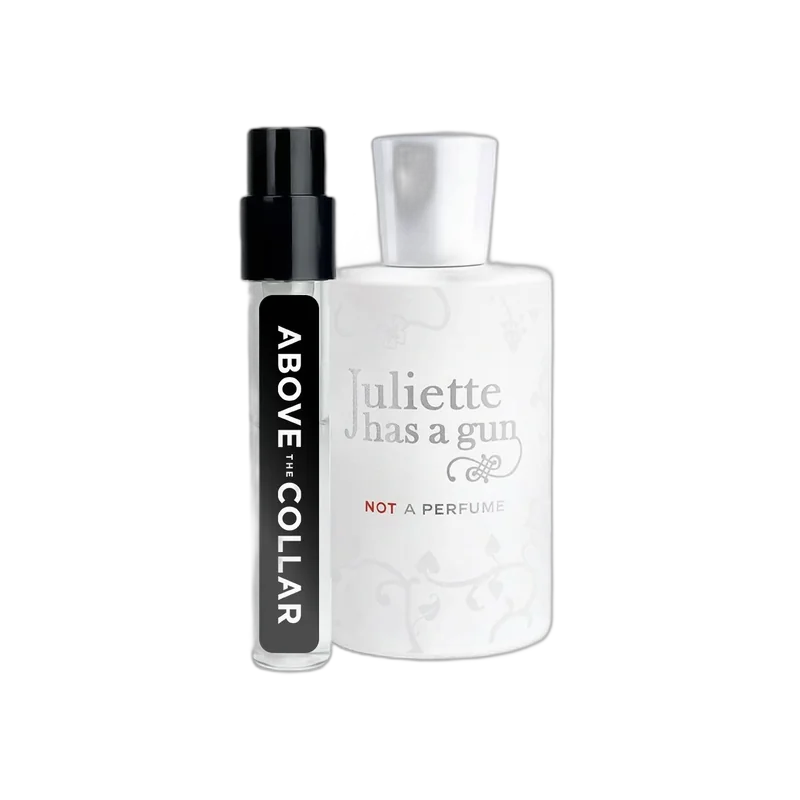
Not A Perfume Eau De Parfum
Juliette Has a Gun's 2010 anti-perfume and the skin-scent case in this guide, the rare bottle you can spray with abandon and never overdo. Founder Romano Ricci built Not a Perfume around a single material, the synthetic musk Cetalox, and almost nothing else, which is the entire joke in the name. What you get is a clean, faintly ambery, slightly salty musk that sits close to the skin and smells more like warm skin than any classic accord. There are no notes to clash and nothing to fatigue the nose, so five or six sprays reads no louder than one, and the scent turns intimate rather than overbearing no matter how heavy your hand. It wears unisex, works in heat where richer scents wilt, and suits the office or a summer day where projection would be rude. The trade-off is honesty about what it is, a quiet second-skin layer rather than a statement, and some find it too simple to justify. For learning where and how much to spray without consequence, or for a hot-weather scent that never crowds a room, this is the safest bottle to practise on.
Not a Perfume is the freedom case at the other extreme. Because it is essentially one clean musk with nothing to clash or fatigue the nose, five or six sprays reads no louder than one, and it never turns into a cloud however heavy your hand gets. This is the bottle to learn on if you are nervous about overdoing it, and the answer for hot weather and tight offices where a richer scent would be rude. It also makes the point that "how many sprays" is meaningless without naming the fragrance, since the same six sprays that vanish here would be a public nuisance with Red Tobacco.
Should You Spray on Clothes or Skin?
Skin first, always, because your body heat and chemistry are what turn a fragrance from a flat top note into the full arc it was built for. Clothing cannot do that. What fabric does instead is hold scent far longer and throw it further, which is a genuine tool once you understand the trade-off.
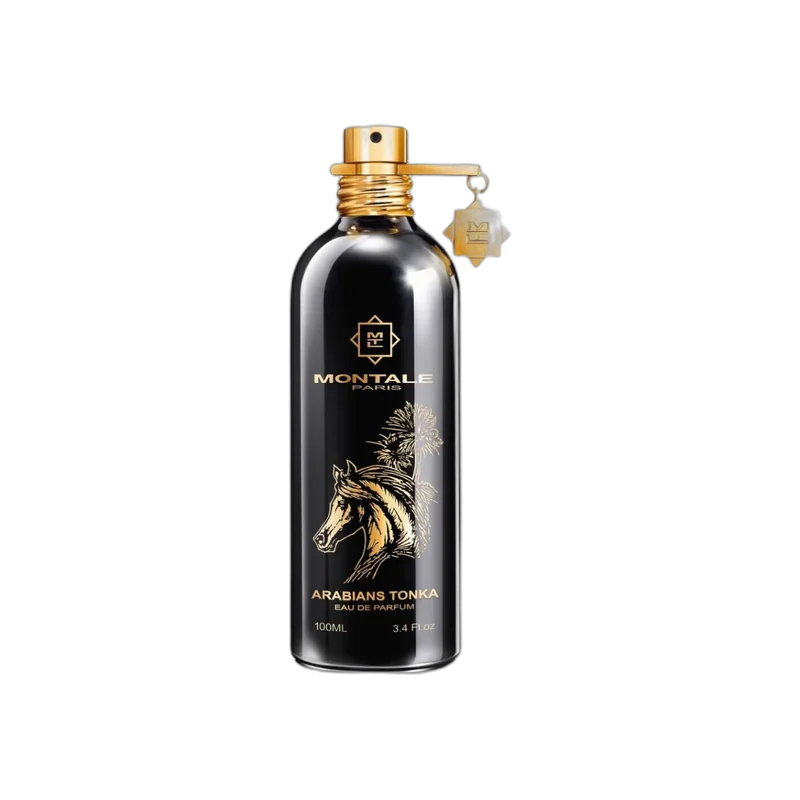
Arabians Tonka
Montale's 2019 gourmand and the fabric-first case in this guide, a sweet, sticky tonka bomb that clings to cloth for days. The Paris house built Arabians Tonka as a rich oriental, opening on saffron and a jammy rose before a thick base of tonka bean, vanilla, oud and amberwood takes hold and turns the whole thing into liquid dessert with a dark woody edge. It is loud, sweet and heavy in the way Montale and its Mancera sibling are known for, a cold-weather and evening scent rather than a daytime one. This is the bottle that shows why clothing matters. Sprayed on a scarf or a jacket collar it lasts through washing and comes back to life in the cold, projecting far longer than it ever would on skin alone, which is a feature if you want it and a nuisance if the shirt was meant for the office. Test it on a swatch before a favourite garment, because the sweetness stains and the tenacity is real. For understanding how fabric holds and amplifies a fragrance, and for a plush tonka you barely need to reapply, this is the reference.
Arabians Tonka is the case that makes the rule obvious. Sprayed on a scarf or a jacket collar, a sweet tonka bomb like this survives washing, wakes up in the cold, and projects for days rather than hours, which is wonderful on a winter coat and a problem on a work shirt. The catch is staining and control. Sweet, resinous, dark fragrances leave marks on light or delicate fabrics, and once cloth is scented you cannot dial it back the way you can rinse skin. The discipline is simple. Test any fragrance on an inconspicuous swatch before you commit a favourite garment, keep the heavy sweet ones off pale silk and fine wool, and reserve fabric application for outerwear and scarves you are happy to dedicate. Used that way, a jacket sprayed once in the morning keeps a soft trail going all day with nothing on your skin at all. If you want to push a scent's endurance without leaning on your clothes, we covered every method in make fragrance last longer.
The Application Myths Worth Dropping
A few habits get passed down as gospel and quietly work against you. The most stubborn is rubbing your wrists together after spraying. It feels natural, but the friction and heat crush the fragile top notes and speed up the drydown, so you skip the opening the perfumer built and land in the base early. Spray and let it dry on its own. If you must, dab, never grind.
The walk-through mist is the second myth, the trick where you spray a cloud in the air and stroll through it. It looks graceful in films and it wastes most of your fragrance on the floor and the walls, leaving a faint, uneven scatter on your clothes and hair. You get a fraction of the payload and none of the warmth that skin gives it. Aim at the target and spray it directly.
Spraying into your hair sits in a grey zone. Hair holds scent beautifully and throws it every time you move, which is why it is tempting, but the alcohol in most fragrances is drying and can dull or lift hair colour over time. If you like the effect, mist a hairbrush and run it through rather than spraying the scalp, or use a dedicated hair mist made for it. The last myth is that more application fixes weak performance. It rarely does. A short-lived fragrance sprayed heavier just smells strong for the same short window and then fades on the same schedule. The fix is a longer-lasting formula or a smarter method, not a heavier hand.
Reading the Room
The final skill is calibration to context, and it is mostly about scaling down. The same fragrance and the same technique should not be dosed identically for a summer commute, a shared office and a cold dinner out. Heat amplifies everything, so a scent that needs four sprays in winter wants two in January humidity, because your own warmth is doing half the projecting for you. Enclosed and shared spaces call for restraint on principle. A meeting room, a lift, a plane and an open-plan desk are all places where your fragrance is a guest, and the person beside you cannot walk away from it. When in doubt in those settings, spray light and low, favour a close skin scent over a projector, and let people notice you at handshake distance rather than across the room. We went deeper on that particular balance in office spray discipline.
Evening and cold weather are where you can finally let a fragrance breathe, and where the beasts earn their keep. Match the dose to the setting rather than the bottle, learn the individual fragrance well enough to know which of the four cases above it behaves like, and you will never be the person others smell before they see. Applied with a little thought, the right scent at the right strength is the most flattering thing you can wear and the easiest to get wrong.