
How to Make Fragrance Last Longer
The Short Answer to Making a Fragrance Last
The single biggest lever is your skin, not your technique: moisturised skin holds fragrance far longer than dry skin, so a quick layer of unscented lotion before you spray does more than anything else on this list. After that it is spray placement, spraying clothing and fabric as well as skin, storing your bottles somewhere cool and dark, and choosing compositions that were built to last in the first place. Everything else is fine-tuning.
Longevity and projection are related but not the same thing, and it is worth knowing the difference before you start troubleshooting. If you want the concepts pulled apart properly, our projection and sillage explained piece covers what those words actually mean. This post is the practical companion: what to physically do to keep a scent on you from morning to night.
Start With Your Skin, Not the Bottle
Fragrance clings to oil. Dry skin has nothing for the molecules to grip, so they flash off fast and the scent is gone by lunch. This is why the same perfume can last eight hours on one person and two on another, and why the fix is almost always moisture rather than more sprays.
The routine is simple. Straight out of the shower, while your skin is still slightly warm, apply an unscented moisturiser to the areas you plan to spray. Unscented matters, because a scented lotion will fight the fragrance and muddy it. Then spray onto that moisturised skin. If you want to go further, a matching body lotion from the same line layered under the spray is the most reliable longevity trick there is, though it is an expensive one.
Warm, well-supplied pulse points are where fragrance performs best because heat pushes the scent off the skin steadily through the day. The inside of the wrists, the base of the throat, behind the ears, the inner elbows and the chest are the classic spots. You do not need all of them at once, but hitting two or three warm points beats a single spray on a cold forearm.
Where to Spray, and the Wrist-Rubbing Myth
Here is the one habit almost everyone has and should drop. Do not rub your wrists together after spraying. The friction and heat crush the delicate top notes, the citrus and aromatic materials that open a fragrance, and it can shift how the whole thing develops. It will not destroy the scent, so it is a fairly harmless myth in that sense, but it does you no favours. Spray and let it dry on its own.
Hair is a genuinely good surface for fragrance because strands are porous and hold scent for a long time, and every time you move your head the scent lifts. The catch is that the alcohol in most sprays dries hair out, so misting straight onto your hair repeatedly is not kind to it. Spray onto a brush and run it through instead, or aim for the back of the hair rather than the scalp, and keep it occasional.
Two more things worth naming. Walking through a spray cloud and letting it settle looks glamorous and wastes most of the fragrance on the floor and your surroundings, so spray directly onto skin and fabric instead. And spraying at a sensible distance, roughly a hand-span away, gives an even coat rather than a wet patch that mostly evaporates.
Some Scents Need No Help At All
Before we get to fabric and storage, it is worth saying that composition sets the ceiling. No technique will make a light summer cologne last twelve hours, and the strongest releases need almost nothing from you. The clearest example we track is a parfum-concentration release from a major designer house that projects for hours and lasts a full day on a couple of sprays.
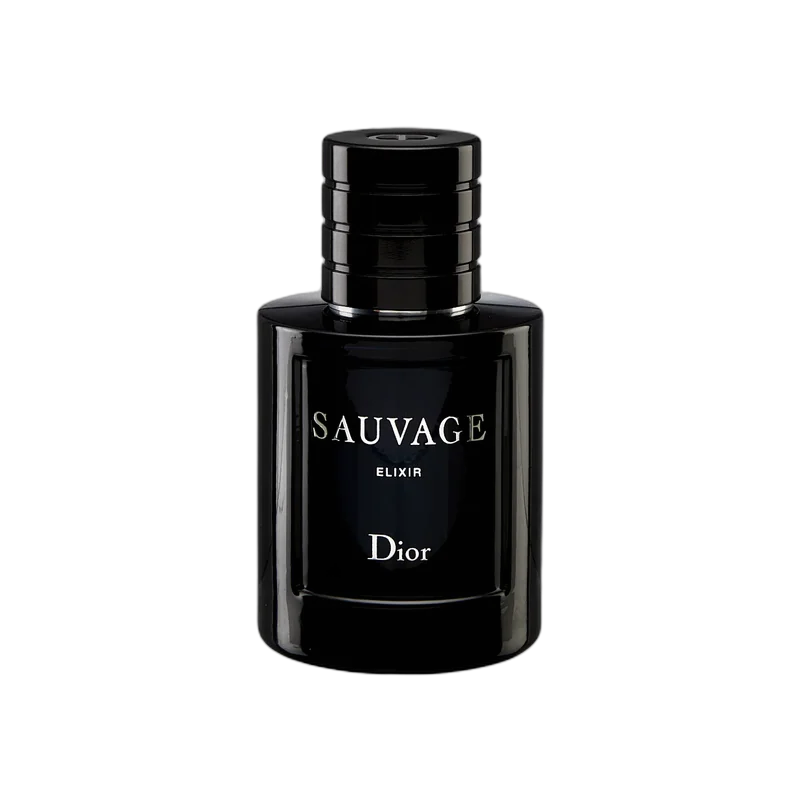
Sauvage Elixir
Dior's 2021 amplified take on the Sauvage line, composed in-house by Francois Demachy as a concentrated parfum that shares almost nothing with the original blue EDT. Where Sauvage leans fresh and ambroxan-heavy, the Elixir is dense and dry, built on a spiced grapefruit, cardamom and nutmeg opening over a lavender heart, with a base of liquorice, sandalwood and a thick amber accord. It reads as a spiced, slightly powdery lavender-woody rather than anything aquatic, and it wears far more grown-up than its predecessor. The reason it belongs in any longevity discussion is simple. It is one of the strongest mainstream releases of the last decade, projecting hard for hours and clinging to skin and clothes for a full day and often longer. A few sprays is the whole dose, and over-application is a genuine risk rather than a boast. Made for Dior by LVMH's in-house parfumerie and sold in the frosted blue flacon with a chrome cap, it sits at the pricier end of the designer bracket but stays well under niche money. For anyone who wants performance with no technique required, this is the reference.
That is the kind of bottle where the advice reverses: your job is restraint, not amplification. A few sprays is the whole dose, and layering lotion under something this potent tips it into the range where people around you notice it more than you would like. If all-day wear is the only thing you care about and you would rather buy performance than engineer it, the longest-lasting fragrances we track are the shortcut. Choosing a stronger composition is a legitimate strategy, and often an easier one than perfecting your routine.
Spray Your Clothes, Not Just Your Skin
Fabric holds fragrance far longer than skin does, because there is no body heat burning it off and no oil chemistry shifting it. A scent sprayed on a scarf, a jacket lapel or a jumper will often still be detectable the next day, long after the same spray on skin has faded. This is the single most underrated longevity trick, and it is free.
The one caution is staining. Deep or oily fragrances can leave a mark on pale, delicate fabrics like silk, so test an inconspicuous spot first and favour sturdier materials. Wool, denim and cotton take fragrance beautifully. A collar, an inner lapel or a cuff gives you a scent that trails with you every time you move without soaking your skin in product.
Some fragrances are built for this and grip fabric even harder than they grip skin. Warm, resinous, tobacco and gourmand compositions tend to be the best fabric-clingers because their heavier base materials settle into the weave and stay.
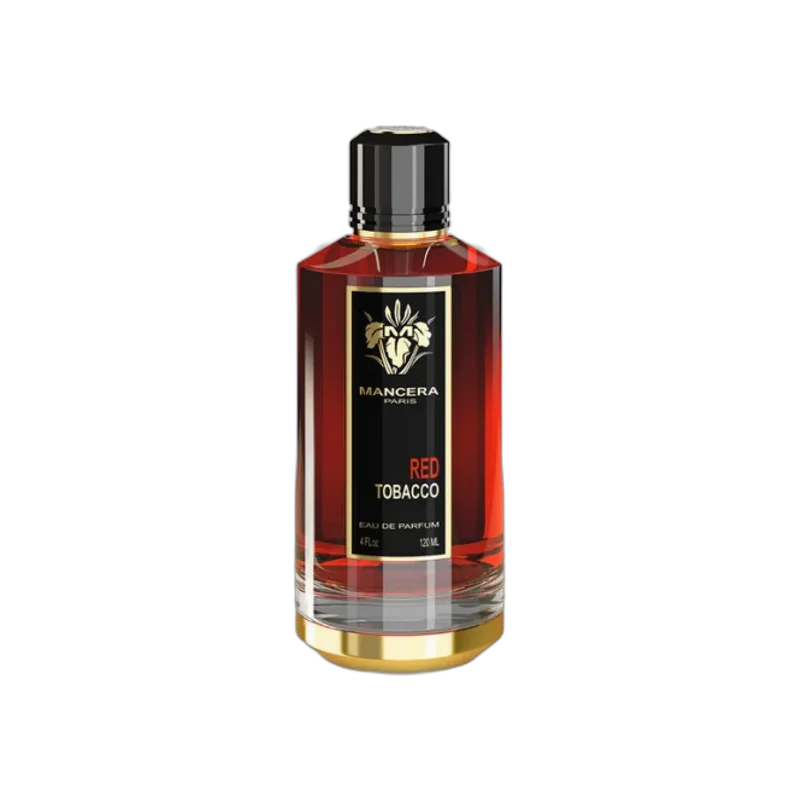
Red Tobacco
Mancera's 2017 tobacco gourmand and one of the great fabric-clingers in the affordable-niche bracket, built by the Paris house as a warm, sweet-smoky crowd-pleaser. Red Tobacco opens with a bright spice hit of pink pepper, saffron and cinnamon before settling into the tobacco leaf and warm woods that give it its name, with a tonka, vanilla and amber base rounding everything into something plush and almost edible. It is sweeter and more approachable than the drier tobacco classics, closer to spiced pastry than a smoky cigar lounge, which is part of why it wears so easily. The interesting thing for longevity is where it lives. It grips fabric even harder than skin, so a scarf or jacket sprayed the night before will still be going the next morning. Performance on skin alone is already strong, projecting well for hours and lasting most of a day. Bottled in the house's heavy black-and-gold flacon and sitting alongside its Montale cousins, it undercuts most designer gourmands it competes with. For a warm tobacco scent that rewards spraying your clothes, this is the obvious pick.
The all-rounder in the group rewards the same approach for a different reason. It sits in the middle of the performance scale rather than the top, so how you apply it genuinely changes your day. Spray it on skin and clothing together and it runs from morning to night; spray it stingily on dry forearms and it fades early. It is the clearest case on this list where technique rescues a scent that would otherwise be merely good.
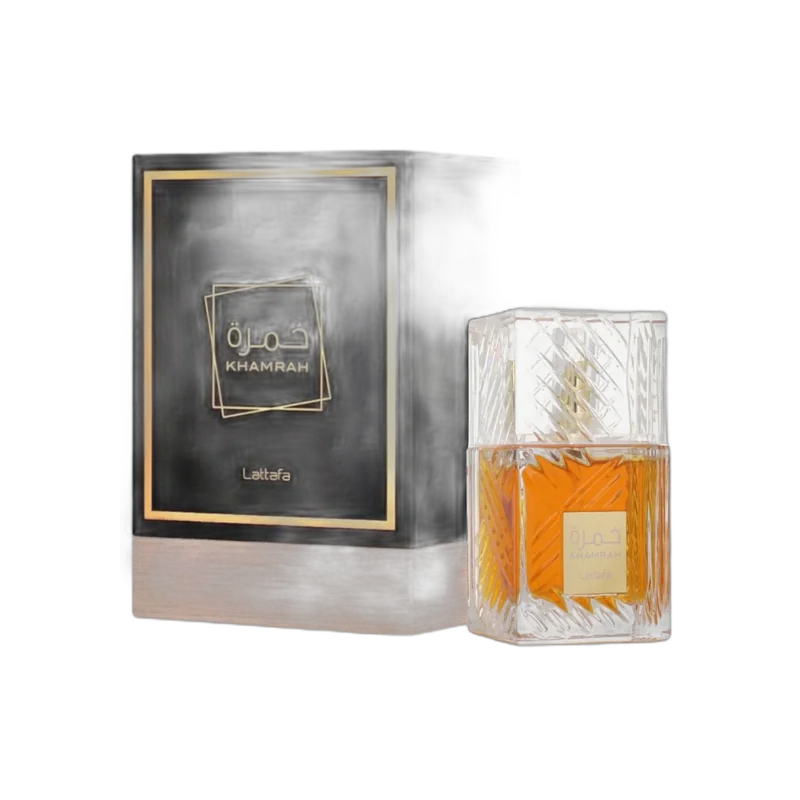
Khamrah
Ask why a thirty-dollar bottle outlasts a two-hundred-dollar one and Khamrah is the answer you keep landing on. Lattafa's 2022 hit is built the way long-wearing perfume has always been built, on heavy, low-volatility materials rather than expensive branding, stacking dried fruit, warm spice and a dense sweet base into a formula with almost nothing light enough to evaporate quickly. Cinnamon and dates set the tone early, and the drydown runs on tonka, praline and resins that sit on skin like a coat rather than a mist. That construction is the entire lesson of this post in one bottle. Longevity comes from what a perfume is made of, and no amount of technique will make a sheer citrus behave like this, while even careless application will not stop Khamrah lasting into the evening. It projects confidently for the first hours, hangs on for the better part of a day, and does even better from a jumper than from a wrist. The ornate bottle looks far dearer than it is, and the price means you can spray it without rationing. As a first test of everything this guide recommends, it is the cheapest possible experiment.
Store Your Bottles Properly
Everything above is about application, but a fragrance that has gone off will not last no matter what you do. Heat, light and air are what degrade a scent over time, breaking down the top notes first and flattening the whole composition. The three villains are the bathroom, the windowsill and the car.
A dark cupboard or drawer, away from radiators and direct sun, at a stable room temperature, is all any bottle needs. Keep the caps on, since air is one of the three culprits, and store bottles upright. That is the entire storage regimen, and it is enough to keep a fragrance performing for years. If you want the detail on how long different concentrations actually keep and how to tell when one has turned, we cover how to store fragrance properly separately.
The fridge myth deserves a direct answer, because it comes up constantly. You do not need to refrigerate your fragrances. A stable, dark cupboard already gives you cool and dark without the temperature swings a fridge door creates every time it opens, and those swings are worse for a scent than a steady room temperature. Refrigeration is only worth considering for a genuinely rare or vintage bottle you are trying to preserve for decades, and even then a cellar-cool cupboard usually does the job. For everything you actually wear, the cupboard wins.
Performance Is Not a Price Problem
One last thing worth putting to bed. Strong longevity is a matter of how a fragrance is built, not how much it costs. Plenty of expensive niche releases wear close and quiet, while some of the hardest-hitting bottles on the market come from budget houses that formulate specifically for output.
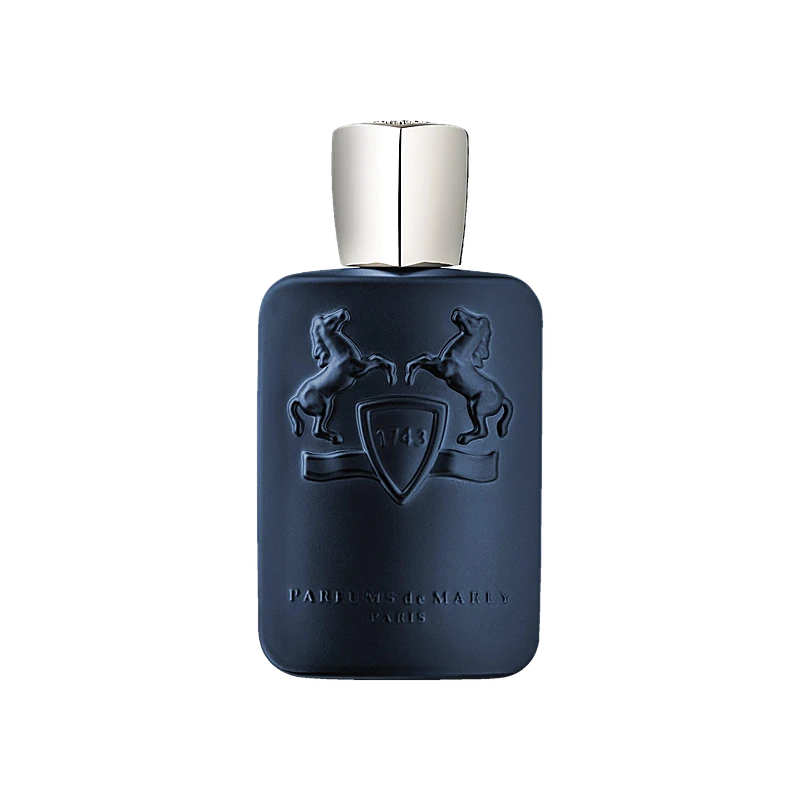
Layton
Parfums de Marly's 2016 masculine pillar and the bottle that made the house's name outside collector circles, an amber-woody built to be worn hard and often. Layton opens with a bright apple and bergamot lift dusted with pepper and cardamom, then turns into the heart everyone remembers, a creamy vanilla and violet accord wrapped around jasmine, with a warm sandalwood, guaiac wood and patchouli base underneath. It is sweet without being a gourmand, spicy without being sharp, and that balance is why it works from a desk to a dinner. It sits in the middle of the performance scale rather than the top, which is exactly why placement matters. Spray it on pulse points and clothing and it will run all day, while a stingy application on dry skin fades faster than you want. Treated well it projects strongly for hours and lasts a full day. Made in-house by the Parfums de Marly team and sold in the crest-topped flacon, it costs less than the older niche houses it competes with. For a versatile crowd-pleaser that repays good application, this is the one.
That release makes the point better than any argument. It lasts most of a day and projects hard for the opening hours on a couple of sprays, and it costs a fraction of the designers it out-performs on wear time. If all-day performance is your priority, do not assume you have to spend up for it. Read the composition, favour warm and resinous over fresh and citrus-led when you want longevity, and let the technique above squeeze the rest.
Put together, the plan is short: moisturise unscented skin, spray warm pulse points without rubbing, treat your fabric as an ally, store bottles cool and dark, and pick compositions built to last when you can. Do those five things and even a modest performer will see you through the day.