
How to Spot a Fake Fragrance
The Five-Minute Fake Check
Most fake fragrances give themselves away through packaging sloppiness and batch-code mismatches, and a careful five-minute inspection catches nearly all of them before the bottle ever reaches your skin. You do not need a lab or a trained nose to sort a convincing counterfeit from the real thing; you need to know the handful of places forgers cut corners, and to check each one calmly rather than sniff first and worry later.
That is the whole method in two sentences. The rest of this piece is the detail behind it, because knowing what a real bottle should look, weigh and spray like is what turns a vague unease into a confident yes or no. The good news for anyone chasing a bargain is that the cheapest prices on genuine fragrance almost never come from the counterfeit channel at all, and we will get to why that distinction matters so much.
Fakes fall down in predictable places. Work through packaging, then the batch code, then the juice, in that order, and you will have caught the vast majority of them before you have even paid.
The Packaging Check
Start with the box and the bottle in your hands, because this is where cheap fakes fail first and hardest. Genuine cellophane is tight, evenly wrapped and heat-sealed with a clean seam, and it peels in one piece. Counterfeit wrapping is often loose, wrinkled, doubled over at the corners, or sealed with a visible line of glue rather than heat. If the cellophane looks like something you could have applied at home, treat that as your first red flag.
Move to the box itself. Real cartons use heavy, rigid card with crisp printing, sharp colour registration and font weights that exactly match the brand's other products. Fakes tend to betray themselves in the type: letters slightly too bold or too thin, kerning that looks off, a logo that is a hair wrong in proportion. Blurry or pixelated printing, faded colours, or a barcode that sits crooked are all signs the box was run off cheaply. The flaps on a genuine carton are die-cut to fold precisely, while counterfeits often feel flimsy and refuse to close square.
Then the bottle. This is where dodgy plastic caps give the game away more than almost anything else. A real cap on a prestige bottle has weight, a snug fit and a clean magnetic or click closure; a fake cap is frequently light, hollow-feeling, loose on the collar, or moulded in a plastic that looks slightly greasy or cloudy. Check the seams on the glass, the evenness of any lacquer or frosting, and the spray mechanism itself. Genuine atomisers produce a fine, even mist and never leak; counterfeits spit, stream or dribble, and the juice sometimes weeps around the collar. Weight is your friend here, because forgers save money on glass, and a fake almost always feels lighter than it should.
The Batch-Code Check
Every genuine fragrance carries a batch code, a short alphanumeric stamp printed on both the box and the base of the bottle, and comparing the two is one of the quickest sanity checks you have. On a real unit the code on the carton matches the code etched or inked on the glass, because the bottle and box left the factory together. If they disagree, or if one is missing entirely, something has been swapped or repackaged and you should walk away.
Decoding a code to work out exactly when a bottle was made is a separate skill with its own rules for each manufacturer, and we cover the reading of it properly in our guide to fragrance batch codes explained. For the purpose of catching a fake, you do not need to decode anything. You need three things: a code present in both places, a code that matches between box and bottle, and a code that a community checker recognises as a valid format at all. A completely nonsensical string, or no code where the brand always prints one, is a strong tell.
Be honest with yourself about the limits, though. A batch code is not proof of authenticity, because sophisticated counterfeiters copy real codes straight off genuine bottles, so a fake can carry a valid, checker-verified code that returns a plausible date. Running a code and getting a clean result tells you the code is real. It does not tell you the bottle is. Treat a matching, valid code as one green flag among several, never as the final word, and let it work alongside the packaging and juice checks rather than in place of them.
The Juice Check
If the packaging and codes pass and you still have doubts, the liquid itself is the last and most telling stage. Colour is the first thing to read. Compare the juice against a known-genuine reference or the brand's own imagery, because fakes are frequently the wrong shade, either too pale and watery or dyed an unnaturally deep, artificial hue. A fragrance that should be a light straw colour and instead looks bright yellow, or one that should be clear and looks murky or has floating particles, is very likely not what the label claims.
Then the smell, with realistic expectations. A good counterfeit can pass for a few minutes in the shop, because forgers copy the opening most closely. The tells come later. Fakes usually suffer a longevity collapse, smelling roughly right for the first ten or fifteen minutes and then thinning to almost nothing, where the genuine article holds its shape for hours. The scent often reads flat, sharp or chemically off in the drydown, missing the depth and roundness of the real base. A strong, harsh alcohol blast that never settles is another classic sign the formula is cheap.
This is exactly why the heavily faked prestige bottles are worth knowing by feel, so you have a genuine benchmark in your memory.
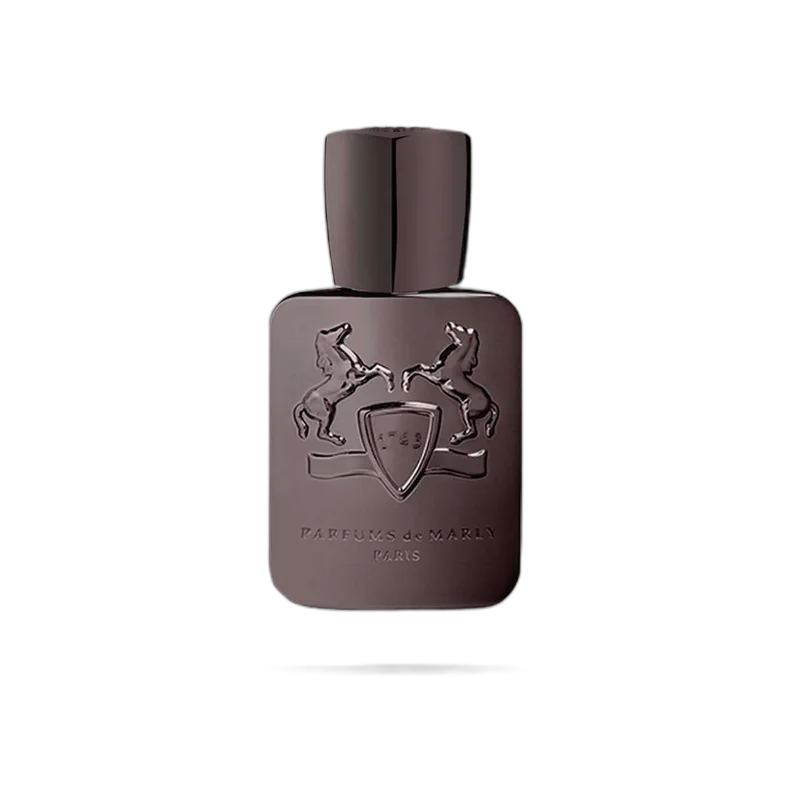
Herod
Few bottles attract counterfeiters like this one. Herod, Parfums de Marly's 2012 sweet oriental, is among the most copied things the house makes, which is exactly why it belongs in a piece on fakes. Herod is built around a warm tobacco-and-vanilla heart, opening on cinnamon, pepper and a little osmanthus before dropping into tobacco leaf, incense, vetiver and a creamy vanilla base that reads plush and faintly boozy. It wears firmly masculine and firmly cold-weather, a dark evening scent rather than an office daily. Performance is a large part of the appeal, projecting hard for the first few hours and lasting most of a day on skin and fabric, which is precisely the output forgers struggle to copy. The tall frosted flacon with its horse-crest cap is a favourite target for cheap imitations, so it makes a useful reference for what a genuine one should feel like in the hand. Priced at the affordable-prestige end the house occupies, it draws the kind of bargain-hunting demand that fakes prey on. For anyone learning to tell real from counterfeit, Herod is a textbook case of a widely cloned prestige bottle worth checking carefully before you buy.
Parfums de Marly Herod is a prime example of the problem. It is a sweet, plush tobacco-vanilla with real projection and all-day longevity, and that performance is the single hardest thing for a counterfeit to reproduce. A fake Herod will often smell passable for the first few minutes and then flatten out, losing the creamy depth and the tobacco warmth that make the genuine one worth the money. Knowing how the real thing wears is the surest defence, because no amount of packaging polish disguises a formula that dies on the skin inside an hour.
Designer-prestige bottles are just as targeted, because forgers have endless genuine units to copy and a name that sells on sight.
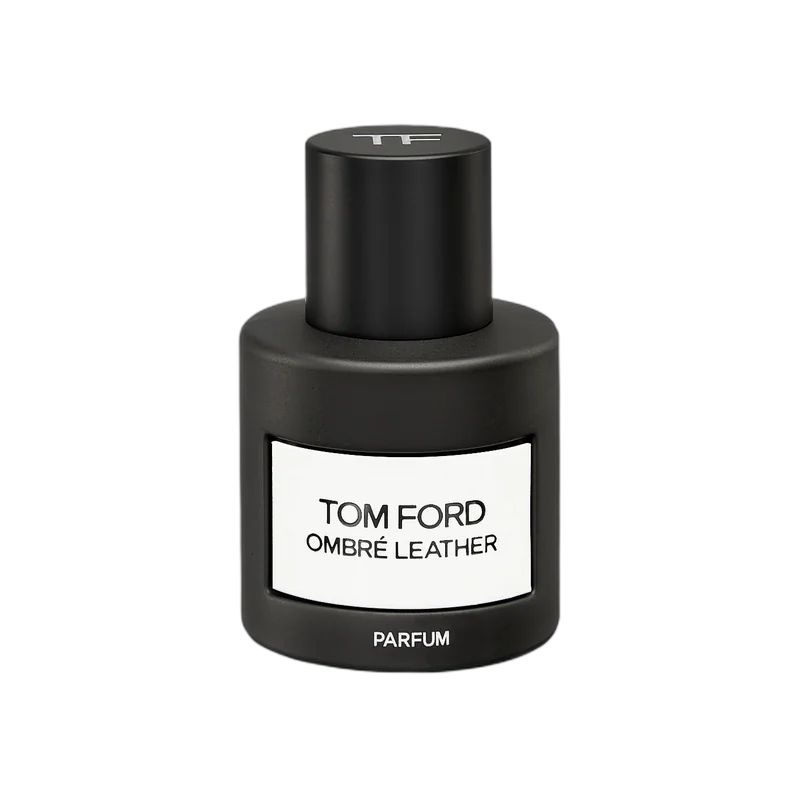
Ombre Leather
Tom Ford's 2018 leather and the designer-prestige bottle that fakes flood marketplaces with, so it earns a place in any counterfeit guide. Ombré Leather is a soft suede rather than a harsh hide, pairing a smooth leather accord with cardamom, jasmine and a patchouli-and-amber base that turns it warm and slightly sweet. It reads unisex despite the masculine framing and wears well across seasons, projecting moderately for a few hours then settling into a close, comfortable skin scent. That mass appeal and the recognisable ribbed black flacon are exactly what make it such a heavily forged target, because the shape is easy to mould cheaply and the name sells on sight. Genuine bottles carry a weight and a lacquer finish the counterfeits rarely match, and the spray is even where fakes tend to spit or leak. It sits in the accessible-luxury bracket, dear enough to be worth faking and common enough that forgers have plenty of real units to copy from. That ubiquity cuts both ways, making it easy to find genuine and just as easy to stumble onto a copy.
Tom Ford Ombré Leather is one the counterfeiters flood the secondhand market with, precisely because its ribbed black flacon is cheap to imitate and its soft-suede accord is instantly recognisable. The genuine bottle has a weight and a lacquer finish the fakes rarely match, and the real leather sits warm and rounded where a counterfeit tends to read thin and synthetic in the drydown. It is a useful reference for the whole accessible-luxury tier, where the fakes are convincing enough on the shelf to fool a quick glance.
Loud, famous niche bottles get faked accordingly, and few are louder than this one.
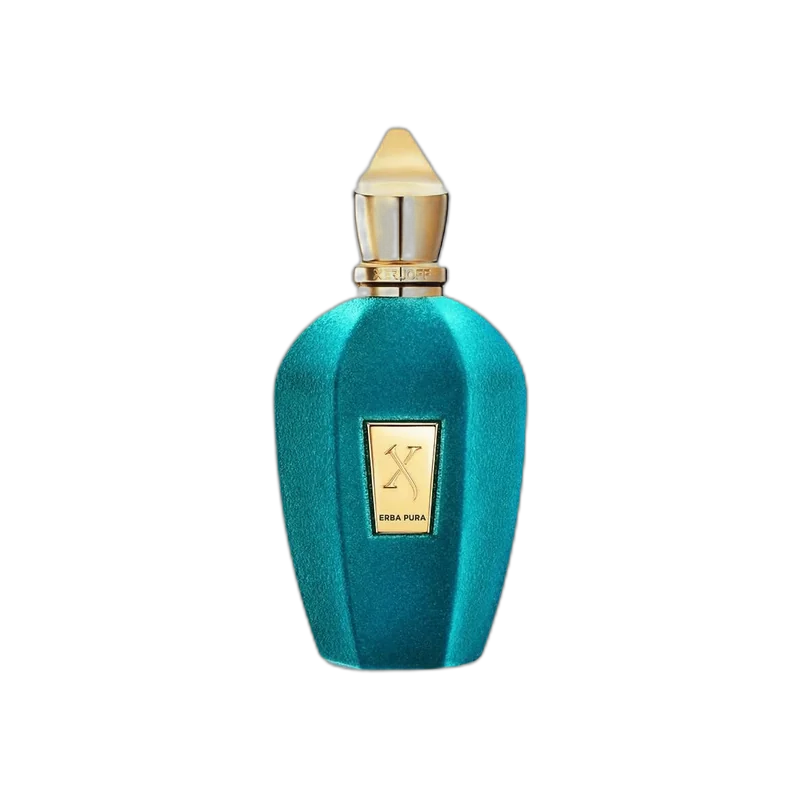
Erba Pura
Loud, sunny and instantly recognisable, Erba Pura has been a counterfeiter's favourite almost since Xerjoff released it in 2013. It is a bright citrus-and-fruit blast over a warm amber base, opening on orange, bergamot and a rush of tropical fruit before settling into vanilla, white musk and a soft amber that keeps it from turning simply sweet. It wears unisex and crosses seasons easily, though it earns its reputation in warm weather where the fruit sings. Performance is the headline, projecting strongly for hours and lasting the better part of a day, the kind of output that makes people covet it and forgers imitate it. The frosted bottle and Xerjoff's prestige badge push it into serious money, which is the whole reason a counterfeit economy has grown around it. Fakes tend to smell flat and synthetic where the real thing is rounded and radiant, and the juice colour and cap fit are common giveaways. If a price looks dramatically better than the live market rate we track, treat that gap itself as the first red flag.
Xerjoff Erba Pura is a bright, radiant citrus-and-fruit scent whose fame and price have grown a counterfeit economy around it. The real thing is rounded and glowing with hours of performance, while fakes go flat and sharp fast, and the juice colour and a loose-fitting cap are common giveaways. On a bottle this recognisable and this expensive, a suspicious discount should prompt every check in this guide before you commit.
Why Grey-Market Retailers Are Not the Fake Channel
Here is the part that trips up most cautious shoppers, and it is the most important thing in this piece. A low price is not, on its own, evidence of a fake. The fear that "too cheap means counterfeit" stops people buying from perfectly legitimate discount sellers, and that fear is largely misplaced once you understand where cheap genuine stock actually comes from.
Most of the best fragrance prices come through the grey market, which is parallel imports and diverted stock that are entirely genuine and entirely legal. Brands sell the same product at different wholesale prices in different countries, and authorised distributors sometimes over-order or offload surplus. That real, sealed, factory-fresh product then flows into markets outside the brand's official boutique channel, where a retailer can sell it for far less than the counter charges without any of it being fake. We explain the full supply chain and why it is above board in our piece on why fragrance is cheaper online.
The distinction matters because counterfeiting and grey-market discounting are two completely different things that get lumped together. A counterfeit is a fake liquid in a fake package pretending to be a brand. A grey-market bottle is the genuine article, made in the same factory as the boutique stock, simply sold through an unofficial route. The counterfeit channel is overwhelmingly the shady end of open marketplaces and anonymous sellers, not the established discount retailers whose prices we track. Judge a seller on returns policies, track record and the box-to-bottle checks above, never on price alone, and you will avoid fakes while still paying well under full retail.
What to Do If You Suspect a Fake
If a bottle fails the packaging, code or juice checks, stop wearing it and do not assume the best. Photograph the box, the bottle, the batch codes and the cap, because you will want a record. Contact the seller with the specific discrepancies you found rather than a vague complaint, and if you paid through a platform or card with buyer protection, open a case citing the mismatches. A reputable seller with a genuine supply chain will refund a legitimately faulty or suspect unit without a fight; resistance to a reasonable return is itself a warning sign.
Where the doubt is real but not certain, a batch code that a checker recognises and that matches between box and bottle is reassuring, and a scent that holds its shape for hours on skin is more reassuring still. Trust the accumulation of signals rather than any single one. And if you are shopping in the first place, the cleanest defence is to buy genuine stock from established sellers at a fair discount rather than chasing the very cheapest listing from an unknown source, because the counterfeit trade lives at that anonymous, too-good-to-be-true edge.
The short version bears repeating. Fakes fail on packaging, codes and juice, in that order, and five careful minutes catches nearly all of them. A low price from a legitimate grey-market retailer is not a fake; a suspiciously low price from a nameless seller with no returns often is.