
Niche Fragrance Houses Worth Knowing
What Actually Makes a House "Niche"
A niche fragrance house is a perfumery-first business — fragrance is the whole company, not a licensed side-project bolted onto a fashion or celebrity brand. That single distinction explains almost everything about the category: why the juice tends to be denser, why the concentrations run higher, why the marketing is quieter, and why knowing a dozen names unlocks most of what matters.
Designer fragrance is usually made under licence. A fashion house lends its name to a beauty conglomerate like Coty, L'Oréal or Inter Parfums, which composes and sells the scent on its behalf. Niche flips that arrangement. The house exists to make perfume, answers to no runway calendar, and can spend on raw materials that a mass-market margin would never allow. The trade-off is price and availability, and the reward is character. This guide is a map of the houses worth knowing, sorted by personality rather than alphabet, with links out to the fuller guides where they exist. Learn these and you can walk into almost any conversation about the category and keep up.
The Storytellers
Some houses build every bottle around a narrative, and the perfume is the last chapter rather than the first. Amouage is the grandest of them, an Omani house founded in 1983 that pours frankincense, rose and precious woods into scents with a genuine sense of place and occasion. Nothing about Amouage is casual, and that is the appeal — these are cathedral fragrances built to be worn deliberately.
Nishane is the modern Istanbul counterpart, a house that made its name with Hacivat's pineapple-and-oakmoss brightness and now runs a deep bench of extraits with a distinctly Anatolian sensibility. Both houses reward patience and both sit at the pricier end, but they are the natural first stop for anyone who wants perfume that feels composed rather than assembled.
The Minimalists
At the opposite pole sit the houses that strip a fragrance back to one clear idea. Byredo, the Stockholm label founded by Ben Gorham, is the flagship of the school — transparent, conceptual scents like Gypsy Water and Mojave Ghost that read as mood rather than statement, wrapped in stark grey packaging that became a design language in its own right. The Scandinavian restraint is the whole point, and it made Byredo one of the most copied aesthetics in the business.
Maison Margiela's Replica line belongs here too, even though it lives under a fashion house. Each bottle recreates a specific memory or place, and the naming convention — Jazz Club, By the Fireplace, Beach Walk — turned abstract perfumery into something almost everyone could grasp on first sniff. The minimalists are where beginners often feel most at home, because the concept is legible before the notes even settle.
The Maximalists
If the minimalists whisper, this group shouts, and does it proudly. Xerjoff is the Italian standard-bearer, a house whose Naxos and Erba Pura wear thick, rich and unmistakable, built for people who want a fragrance to fill a room and last two days on a scarf. The sister houses Mancera and Montale run the same maximalist playbook at a far kinder price, trading in loud oud, jammy rose and syrupy fruit with performance that regularly embarrasses fragrances costing three times more. They are the value entry into the big-projection school, and the natural starting point for anyone who has decided that subtlety is overrated.
At the very top of the tier sits Roja Dove, the British master perfumer whose parfums are as dense and expensive as fragrance gets. Roja is where the maximalist instinct meets old-school luxury materials, and the prices reflect it, but the concentration and quality are not in dispute. This is the ceiling of the loud school.
The New-Wave Parisians
The most interesting movement of the last decade is a cluster of young Paris houses that made serious niche perfumery feel current again. Ex Nihilo led the charge with a customisation-boutique model and one breakout pillar that turned into a genuine cult object almost overnight.
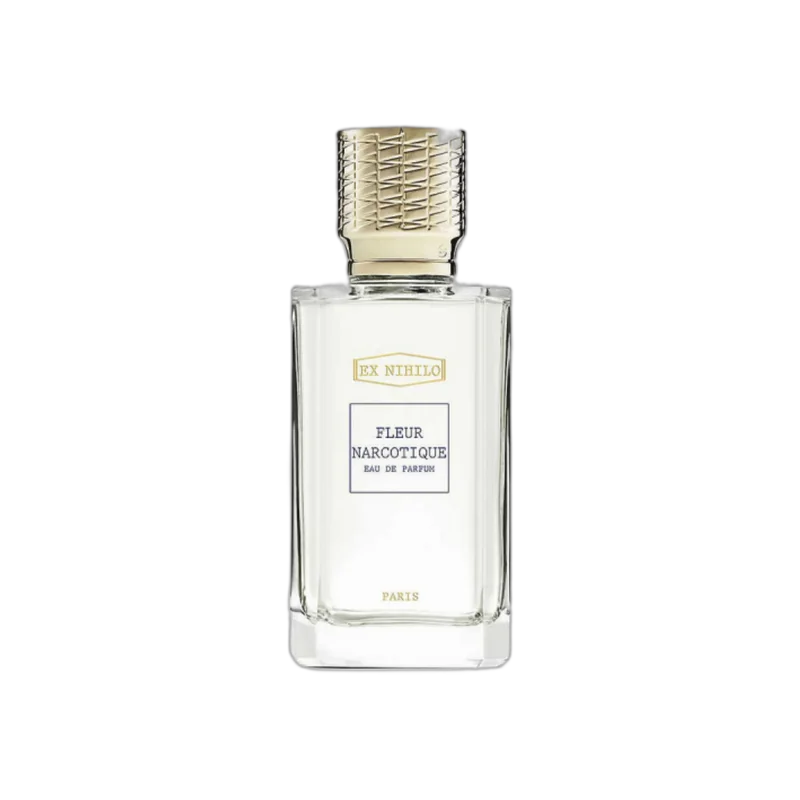
Fleur Narcotique Eau De Parfum
The bottle that announced the new-wave Paris houses, Fleur Narcotique was the standout of Ex Nihilo's 2013 launch collection, a modern fruity-floral that became a genuine cult object almost overnight. The young house built it around a lychee and peach opening laid over peony and orange blossom, drying down on soft musk and a green oakmoss whisper, so it lands airy and clean rather than sweet. Structurally it is bright fruit over clean musks, light-handed and unisex, and it wears just as easily on women as men. It projects moderately and lasts a solid working day on skin, which is more than most transparent florals of this kind manage. The house's whole pitch is bespoke perfumery at semi-accessible prices, with an in-boutique customisation service, and this is the pillar that carries the name. It has spawned countless dupes and a wall of flankers since, yet the original still reads as the reference. For anyone wanting one modern-Parisian calling card that works spring through autumn and never announces itself too loudly, this remains the obvious place to begin, and the bottle that most people picture when they think of the new-wave houses.
BDK Parfums followed a similar path, a young Paris house whose Gris Charnel and Rouge Smoking gave the new-wave sound a warmer, more textured edge. Alongside them sit the slightly older statesmen of accessible-luxury niche — Kilian with its refillable-clutch bottles and boozy Angels' Share, and Initio with its pheromone-marketing and crowd-pleasing Oud for Greatness. This is the corner of the category most likely to hook a newcomer, because the fragrances are modern, wearable and built to be liked without sacrificing the density that makes niche worth the money.
The Artists
Some perfumers are treated as auteurs, and a handful of houses exist purely to give them room to work. Serge Lutens is the obvious first name, a house whose collaboration with perfumer Christopher Sheldrake produced some of the most singular fragrances of the modern era. Ambre Sultan is the piece to know here, a savoury, herbal amber that rewired what the note could be.
Frédéric Malle built his Editions de Parfum around the same idea from the other direction, functioning less as a house than as a gallery. He commissions the best noses in the industry, credits them prominently on every box, and lets each work stand on its own terms. Orto Parisi, Alessandro Gualtieri's project, sits at the feral extreme of the artistic school, with animalic, divisive scents that make no attempt to please a crowd. These are the houses to explore once the basics are behind you, because the artists assume you already know the rules they are breaking.
The Roman house Profumum Roma belongs in this conversation too, a small operation that works almost exclusively in high-concentration extraits and spends nothing on marketing. Ambra Aurea is its cult amber, and it makes a useful pairing with the Lutens above — same note, opposite temperament.
The Value End
Niche does not have to mean expensive, and the Middle Eastern houses have spent the last few years proving it. Lattafa is the name everyone learns first, a UAE house whose Khamrah and Asad deliver genuine performance and satisfying, complex accords at prices that make sampling the whole category painless. These are not merely dupes, though plenty are clearly inspired by pricier originals; the better ones stand up perfectly well on their own.
This is where the cheapest way into niche really begins, and it is the smartest place for a beginner to build a nose before committing prestige money. If you are still weighing whether the step up is worth it at all, our piece on designer versus niche lays out the honest trade-offs. The value houses let you learn what you actually like — amber, oud, rose, gourmand — before you spend real money chasing it.
Where to Start
Do not try to learn all of it at once. Pick one personality that matches how you already like to smell and go deep. If you want quiet and modern, begin with the minimalists and the new-wave Parisians. If you want to be noticed, start with Mancera or Montale before working up to Xerjoff and Roja. If you want the education, the artists and storytellers are the reference points, and Ambre Sultan and Ambra Aurea are two of the best amber lessons the category offers. And whatever tier you land in, sample before you commit, because niche fragrances wear denser and read more differently on skin than designer ones do. Most of the houses here are well stocked with us, so once you know the name, the live lowest and average prices from our data will tell you whether it is worth buying now or waiting.
Compare niche fragrance prices across every retailer on Aurexum