
What Is a Chypre Fragrance?
What Is a Chypre?
A chypre (say it "sheep-ruh") is a fragrance built on a deliberate contrast: bright citrus up top, usually bergamot, sitting over a dark, mossy-ambery base of oakmoss, labdanum and patchouli. That tension between something sparkling and something earthy is the whole idea, and it is why a good chypre smells "dressed up" in a way a simple citrus or a straight floral never does.
The name comes from Coty's 1917 perfume Chypre, which crystallised the formula and gave the family its label. Chypre is simply the French word for Cyprus, the Mediterranean island whose resins, labdanum and mossy materials had been traded into European perfumery for centuries. François Coty did not invent the accord so much as name and popularise it, and almost every mossy fragrance since has been measured against what he bottled.
The Classic Triangle
Think of a traditional chypre as a triangle with three corners. At the top is bergamot, the tart, slightly bitter citrus that gives the opening its lift. In the middle usually sits a floral heart, often rose or jasmine, sometimes a note of stone fruit. At the base is the mossy-ambery accord that does the real work: oakmoss for that damp, inky, forest-floor smell, labdanum for warmth and leathery depth, and patchouli for earth. Some builds add a leather or a fruit facet, but those three base materials are the load-bearing wall.
What that structure produces is a fragrance with genuine architecture. The bright open and the dark base pull against each other for the whole wear, and the drydown tends to be dry, slightly bitter and serious rather than sweet. That is the "dressed up" quality people mean when they call a scent chypre. It reads as composed and adult, the olfactory equivalent of tailoring, which is exactly why the family dominated formal perfumery for most of the twentieth century.
Coty, Mitsouko and the Golden Age
If Coty's Chypre named the family, Guerlain's Mitsouko is the fragrance that made it legendary. Released in 1919, Mitsouko took the chypre triangle and threaded a peach note through the heart, softening the austerity with a warm, slightly downy fruitiness over the oakmoss base. It is one of the most written-about perfumes in history and the touchstone almost every serious discussion of the family returns to. Sadly, it is also a museum piece in the sense that matters here: the version on shelves today is a reworking, and it is not among the bottles we track, so it lives in this article as history rather than a buying recommendation.
The decades that followed produced the family's greatest hits, from leather chypres to fruity ones to green ones. Most of those originals no longer exist in their first form, which is a large part of why chypres feel like a lost art to newer enthusiasts. The style did not fall out of fashion so much as run into a wall, and that wall was oakmoss.
The Oakmoss Problem
Here is the awkward truth at the centre of the whole family. Oakmoss, the material that gives a classic chypre its dark, inky, forest-floor signature, contains compounds that can cause skin allergies in a small number of people. Over the past two decades the industry's safety body, IFRA, has sharply restricted how much natural oakmoss a perfume can legally contain. The result is that almost every historic chypre has been reformulated, and the mossy base that defined the family has been thinned out or rebuilt from substitutes.
This matters for anyone shopping the category. When people say a beloved old chypre "smells wrong now", the oakmoss restriction is usually why. Perfumers have responded by leaning harder on patchouli, on cleaned-up "moss" materials with the allergens removed, and on synthetics that mimic the old smell without the old risk. Some of those rebuilds are excellent. Others lose the very bitterness that made the original worth wearing. It is a genuine trade-off, and it is the single biggest reason the modern chypre is a different animal from its ancestors.
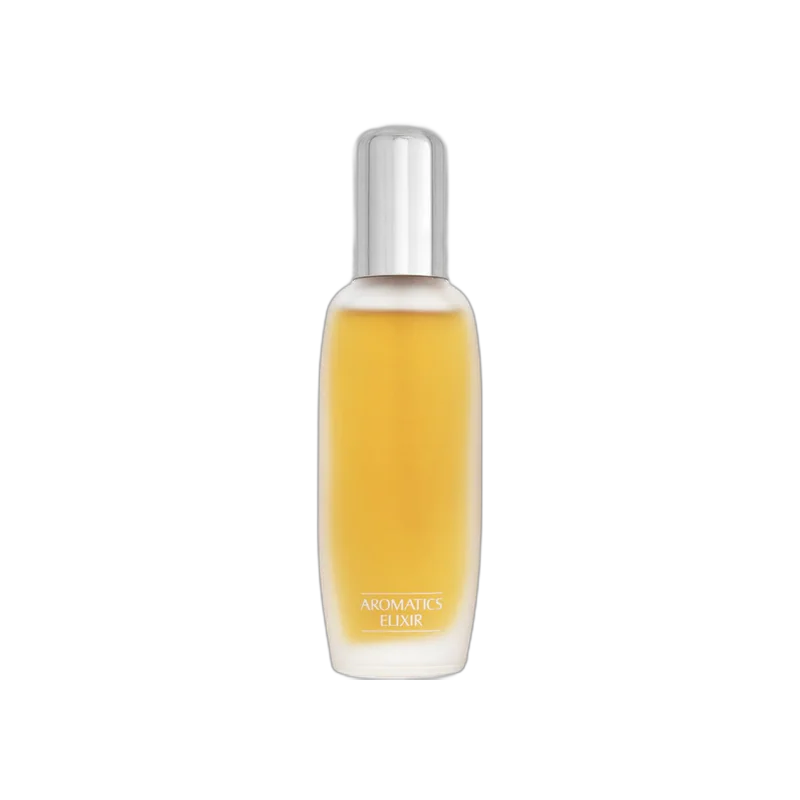
Aromatics Elixir Eau De Toilette
The great chypre survivor. Clinique's 1971 flagship is one of the very few classic mossy fragrances still made close to its original brief, which is why enthusiasts treat it as a reference for what the family actually smells like. It opens sharp and green, all bright bergamot and bitter herbs, chamomile and a snap of aldehydes, before dropping onto the structure that defines the style, a dense floor of oakmoss, patchouli and warm amber with rose and jasmine woven through. Nothing about it is sweet or easy. It reads as dry, grown-up and faintly medicinal at first, the sort of thing that smells expensive rather than pretty, and it has divided noses for decades on exactly those terms. Performance is enormous. A couple of sprays project for hours and cling to fabric for days, so restraint is the only sensible approach. It wears unisex despite the women's marketing, and it has aged into cult status among people who chase the old mossy structure that reformulation stripped from most of its contemporaries. If you want to understand the chypre family from a bottle you can still buy new, this is where to start.
Clinique's Aromatics Elixir is the closest thing to a time machine you can still buy new. Launched in 1971 and kept remarkably intact through the reformulation era, it carries the herbal, mossy, faintly medicinal structure that most of its contemporaries lost. If you have only ever smelled modern chypres and want to know what the fuss was about, this is the bottle that shows you.
Chypre vs Fougère
The two families get confused constantly, because both are green, both are "classic", and both lean on some of the same materials. The difference is in the skeleton. A chypre is bergamot over oakmoss, labdanum and patchouli, with a floral heart. A fougère is bergamot and lavender over oakmoss and coumarin, the sweet, hay-like, new-mown-grass material that gives the barbershop accord its softness. Put simply, the chypre's signature is the mossy-ambery contrast, while the fougère's is the lavender-coumarin pairing. If you want the full breakdown of that second family, our guide to what makes a fougère covers it properly.
The overlap is real, though, and this is where the honesty has to come in. Perfume classification is argued about endlessly, and the boundaries between families are drawn differently by different critics and databases. Plenty of fragrances sit on the line between chypre and fougère, or between chypre and woody amber, and reasonable people disagree about where they belong. Treat the family names as useful shorthand for how something is built, not as settled science. If you want the wider map of how these categories relate, our fragrance families explained guide lays them all out side by side.
What "Modern Chypre" Means Now
So what are you actually buying when a fragrance is sold as a chypre in the 2020s? Almost always, it is the old skeleton rebuilt with new tools. The bergamot-over-moss contrast survives as a shape, but patchouli and synthetics now do much of the job oakmoss used to, and the results tend to be a little cleaner, a little brighter and a little less bitter than the classics. Two directions dominate the contemporary version of the family.
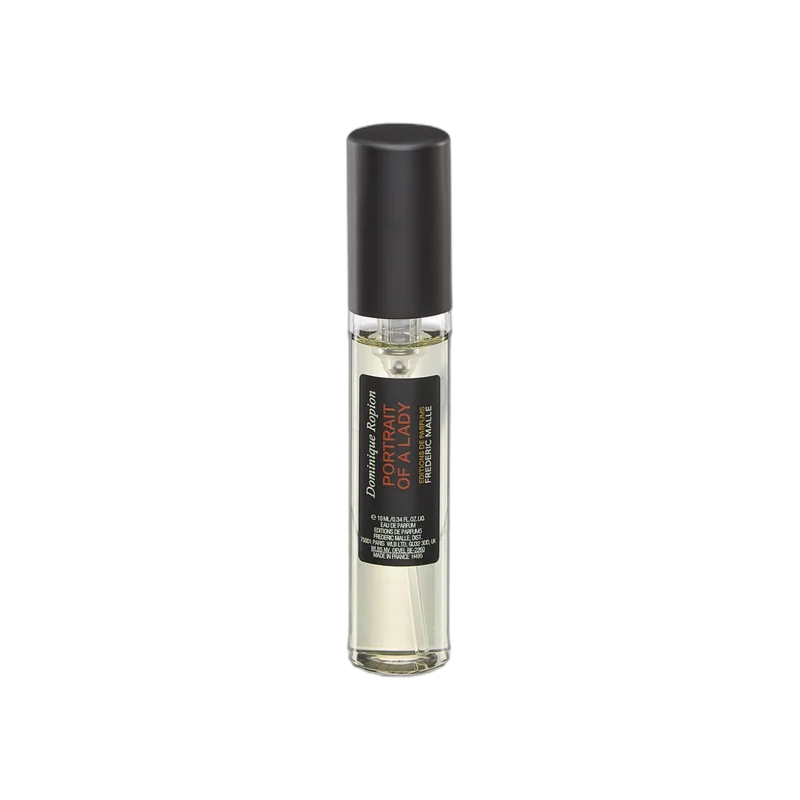
Portrait Of A Lady Eau De Parfum
The modern benchmark, and the fragrance most often cited when people argue the chypre skeleton survives in contemporary perfumery. Composed by Dominique Ropion for Frédéric Malle in 2010, Portrait of a Lady takes the old bergamot-and-moss frame and rebuilds it around an enormous Turkish rose, then loads it with patchouli, incense and clove until the whole thing turns dark and resinous. There is oud in the base and a lot of it, along with sandalwood and benzoin, so the rose never reads sweet or girlish. It is heavy, dry and unmistakably serious, closer to a lacquered antique than a bouquet, and it wears equally well on men and women who want presence rather than prettiness. Performance is famously immense, projecting across a room for hours and lasting a full day on skin, which is part of why it commands the price it does. Ropion built it as a statement piece and it landed as one of the defining niche launches of its decade, the bottle that proved a proper rose chypre could still sell. For anyone tracing the family forward from the classics, this is the essential modern chapter.
The first is the rebuilt rose chypre, and Frédéric Malle's Portrait of a Lady is the reference. Dominique Ropion took the classic frame and rebuilt it around a huge rose, patchouli and incense, proving the structure could still carry a modern niche launch. It is dark, dry and enormous, and it is the bottle most people mean when they say the chypre survives.
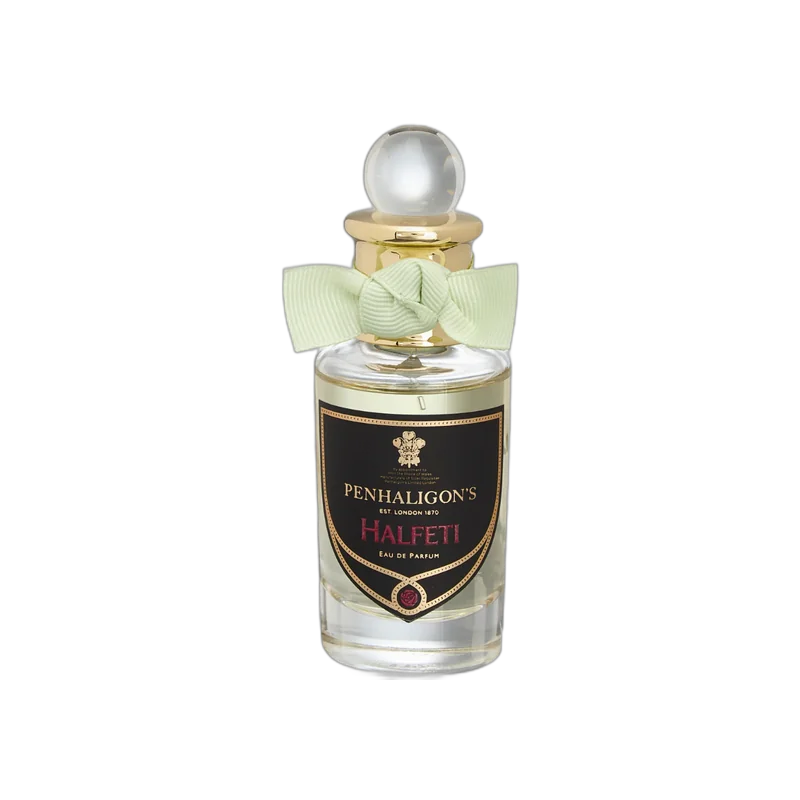
Halfeti
Proof that the chypre bones flex toward the Middle East. Penhaligon's built Halfeti in 2015 around a Turkish village on the Euphrates, and the scent leans into that setting with saffron, resins and a rose-oud heart laid over the family's familiar mossy-ambery floor. Bergamot and grapefruit brighten the top the way the structure demands, but the middle turns spicy and dark fast, all cardamom, nutmeg and leather before the oud, labdanum and amber take hold underneath. It is maximalist and richly spiced rather than austere in the European mode, which is what makes it a useful lesson in how far the skeleton stretches. Where a classic chypre stays green and severe, this one goes warm, spiced and almost gourmand at the edges without ever quite becoming sweet. It wears richly unisex and skews toward evening and cold weather, projecting hard and lasting most of a day. The heavy patterned flacon suits the theme. Newer and pricier than the old guard, it shows the family still generating fresh takes rather than living purely on heritage, and it rewards anyone curious about where the bergamot-moss idea travels now.
The second is the rose-oud direction, where the mossy-ambery base gets pushed toward Middle Eastern materials. Penhaligon's Halfeti is a clear example, taking the bergamot-and-moss bones and warming them with saffron, spice and oud into something opulent rather than austere. It shows how flexible the skeleton is, and how the same architecture that produced the severe classics can also produce something rich and spiced.
How to Know If You'll Like Chypres
Chypres are the least beginner-friendly family on the wheel, and there is no point pretending otherwise. They open bitter, they dry down dry, and they demand that you enjoy a bit of severity in a fragrance. If your taste runs to sweet gourmands or clean fresh scents, a classic chypre will probably read as harsh or old-fashioned on first sniff. That is normal, and it is not a fault in you or the perfume.
The way in is to sample rather than blind-buy, and to give the drydown a few hours before you judge it. Start with a modern rebuild if the classics feel too austere, since the contemporary versions soften the bitterness. Pay attention to whether you like the mossy-ambery base itself, because that is the thing you cannot avoid in the family. And watch the price, because the surviving classics and the niche modern benchmarks both tend to sit well under full retail once you compare across stockists rather than buying from the first shelf you see.
Compare chypre fragrance prices across every retailer on Aurexum