
Best Fougère Fragrances
What Is a Fougère, and Why Does It Smell Like a Barbershop?
A fougère is a fragrance built on three materials working in tension: lavender, coumarin and oakmoss. The word is French for fern, which is the joke at the centre of the genre — ferns have no discernible smell. Houbigant created Fougère Royale in 1882, the fragrance credited with founding the family, and rather than naming it after what it contained, the house named it after what it conjured: the idea of a green, mossy forest floor, damp and abstract.
That abstraction is still the point. A well-made fougère does not smell of any single ingredient so much as it smells of an idea — clean, aromatic, slightly herbal, with a dry warmth underneath. The lavender provides the aromatic freshness at the top, coumarin (derived from the tonka bean) gives a warm, hay-like sweetness in the middle, and oakmoss contributes an earthy, almost bitter depth at the base. Between them they produce the scent that generations of men associated with a well-kept shave, which is why "barbershop" became the shorthand for the genre. It is worth noting that "barbershop" here is not a complaint. It is a description of the accord's effect: clean skin, warm shaving soap, a trace of herbal freshness drying down to something quietly woody and green.
For a broader look at how the fougère fits into the wider scent-family map, the fragrance families explained post is the most direct companion to this one. And if lavender as a standalone material interests you, we cover it in depth in the best lavender fragrances guide — worth reading alongside this one, since lavender does very different work in a fougère than it does in a soliflore or an aromatic fresh.
The 1882 Blueprint and the Century It Built
The reason the fougère matters is that it became the template for an enormous proportion of the masculines made across the twentieth century. Brut, Azzaro, Drakkar, Boss, Davidoff Cool Water in its first incarnation — all of them draw on the same structural logic, even when they push it in different directions. The coumarin sweetens without going gourmand, the oakmoss grounds without going earthy, and the lavender keeps the whole thing from becoming heavy. It is a remarkably stable formula, which is partly why the genre kept producing hits for a hundred years.
IFRA restrictions on oakmoss have complicated things since the mid-2000s. Most classical fougères have been reformulated to reduce or remove natural oakmoss, substituting Evernyl or other moss-adjacent aromachemicals. Enthusiasts debate which vintages hit the hardest, and the short answer is that batches from before the big IFRA tightening in 2010 tend to read more intensely mossy. For current bottles, the skeleton is still there, just redrawn in somewhat lighter pencil.
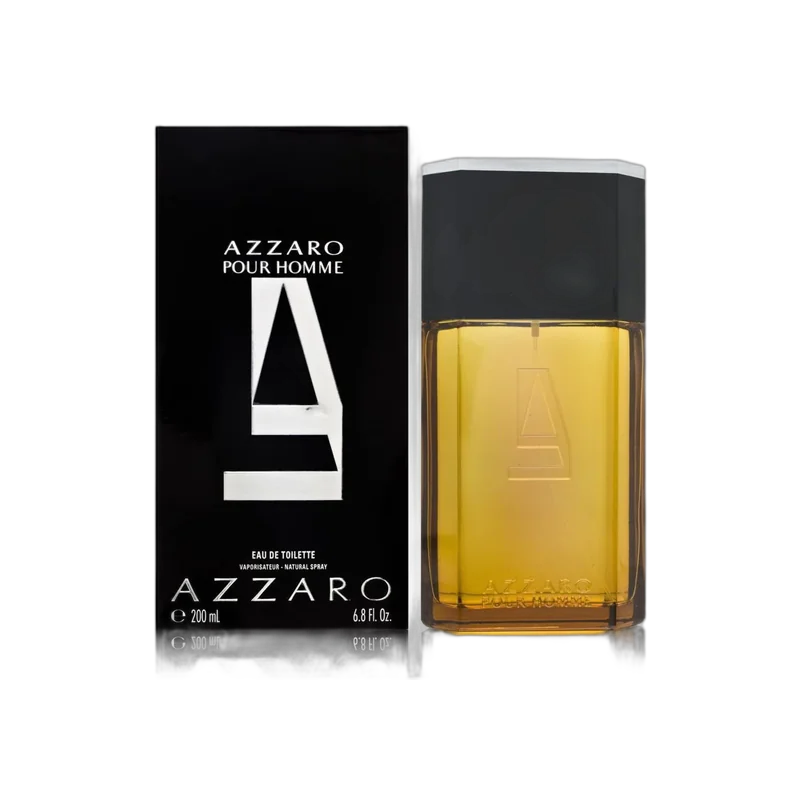
Azzaro Pour Homme Eau De Toilette
The standard by which every classical fougère is measured, Azzaro Pour Homme arrived in 1978 and has barely needed to change since. Built on the genre's defining triangle of lavender, coumarin and oakmoss, it adds an anisic twist that gives the opening a sharp, almost herbal bite before settling into the warm, powdery dry-down that made the genre famous. The lavender here is cool and aromatic rather than soapy, the coumarin leans towards dried hay, and the oakmoss underneath anchors it with an earthy green depth that modern aromachemicals have never quite replaced. It is unambiguously a barbershop scent in the best sense — clean, assured, slightly austere — and it sits at a price that makes nearly everything else on this list look expensive. Performance is solid without being a room-clearer: moderate projection and a comfortable day's wear. The squared bottle with its chrome Art Deco cap is a product design classic in its own right. There have been flankers and reformulations over the decades, and vintage-hunters prize older batches for their oakmoss density, but even the current formula gives you more of the fougère ideal than fragrances costing five times as much. If you want to understand the genre, start here.
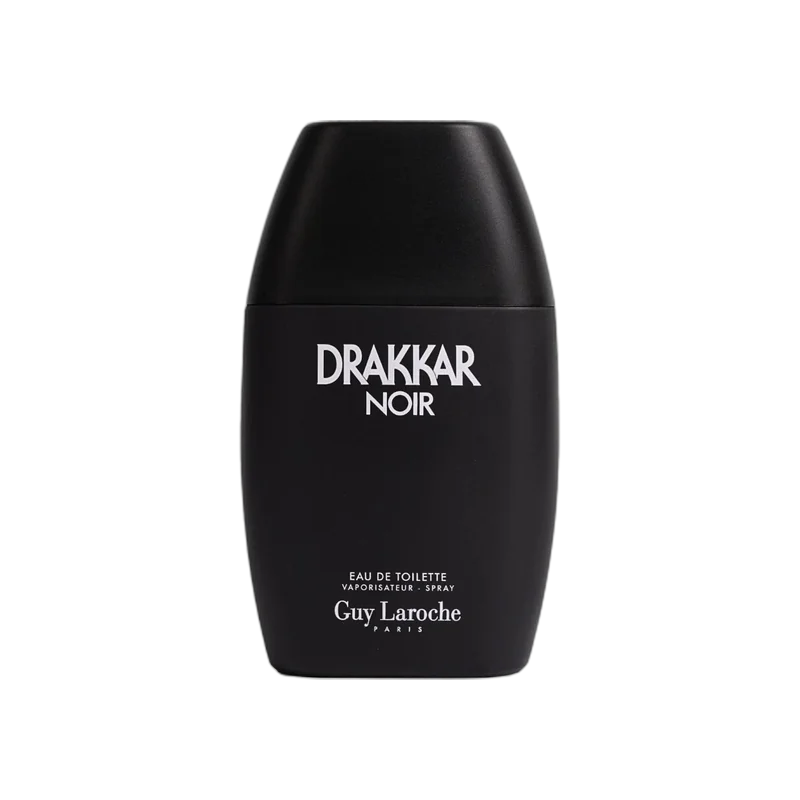
Drakkar Noir Eau De Toilette
Few fragrances defined a decade as bluntly as Drakkar Noir. Launched in 1982 under Guy Laroche, it took the lavender-coumarin-oakmoss skeleton of the classical fougère and pushed every dial to its limit: the lavender is colder and more synthetic, the woody base is darker and more resinous, and the whole thing announces itself at twenty paces. By the mid-1980s it was ubiquitous in a way that only a handful of fragrances manage, the scent of airport duty-free shelves and school gymnasium changing rooms in equal measure. That ubiquity became its reputation problem, but enough time has passed now that wearing it reads as knowing rather than oblivious. The aromatic freshness at the top gives way to a dry, resinous heart of artemisia and basil over a base of cedar, sandalwood and oakmoss, and the whole structure is more complex than the powerhouse reputation suggests. It projects loudly and lasts the day — that was always the point. At its current price it is also a genuine bargain for anyone curious about what the genre sounded like when turned up to full volume. Not a scent for the office or the faint-hearted, but the eighties fougère in its purest, most uncompromising form.
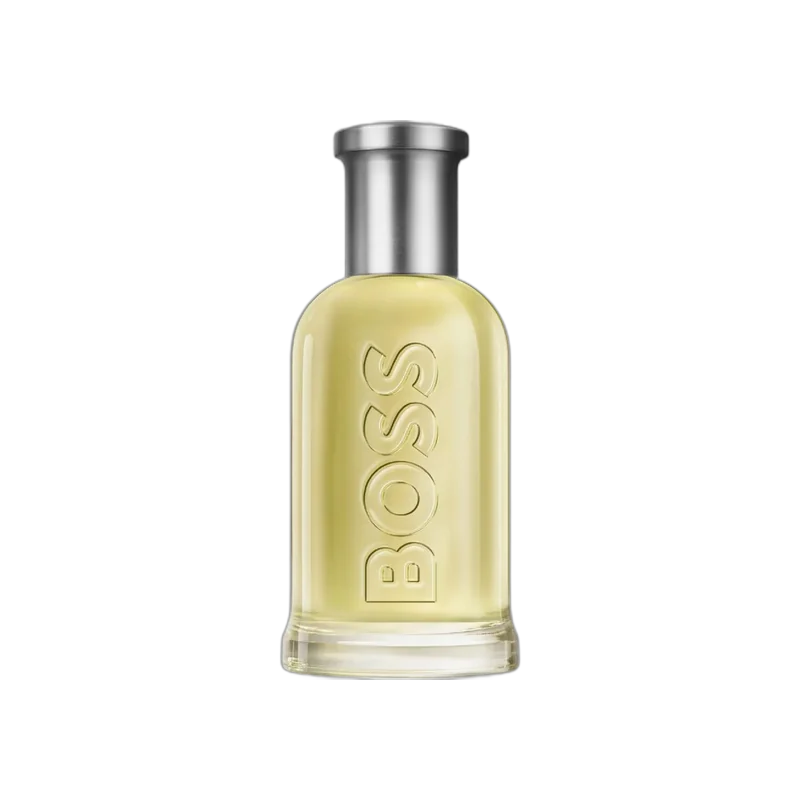
Boss Bottled Eau De Toilette
Where the classical fougère was herbal and austere, Boss Bottled from 1998 softened the architecture into something an office could tolerate. The lavender-oakmoss triangle is still faintly legible underneath, but it is buried under an apple-and-cinnamon accord that reads as warm and slightly sweet, then rested on a base of sandalwood, cedar and vanilla. The effect is a fougère with the sharp edges filed down — the barbershop DNA is there if you know where to look, but most wearers would call it a woody fresh rather than anything as technical as a fougère proper. That domestication is precisely what made it one of the best-selling masculines of the past twenty-five years. It is the department-store fragrance that has sat on more bathroom shelves than almost anything else in the genre, which is a source of both its appeal and its mild stigma. Worn on the right person at the right temperature it holds up well, and the sandalwood-cinnamon dry-down in particular ages better than the apple opening. Well stocked here, with live prices usually well under full retail. The pick for anyone who wants the genre's warmth without the retro projection, or who is taking their first step away from fresh aquatics.
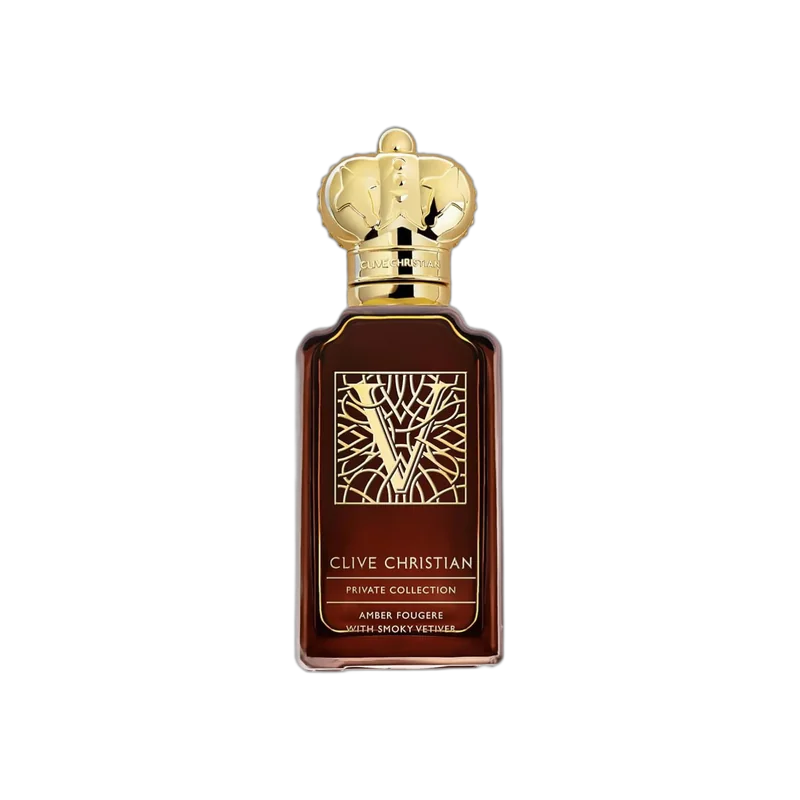
V Amber Fougere
There is nothing restrained about the Clive Christian approach, and V Amber Fougère makes no apology for that. Released in 2017 under the British luxury house, it takes the fougère skeleton and reconstructs it with the kind of raw-material generosity that only a very high price tag permits. The lavender is rich and dense, the coumarin is heavy, and beneath it the amber base has a depth and warmth that cheaper fragrances approximate with aromachemicals and never quite nail. The bottle is a heavy, ornate glass affair with a crown stopper and a Union Jack inset, and the scent inside matches the theatre. Performance is exceptional: projection is measured and controlled rather than aggressive, but the longevity is outstanding, hours of quiet radiance rather than a loud opening that fades. It wears masculine but crosses over comfortably, and the amber-warmed base makes it a cold-weather pick above all else. For anyone who has worked through everything below it and wants to know what the fougère smells like with the budget removed, this is the answer. Live prices from the retailers we track are the most practical route in.
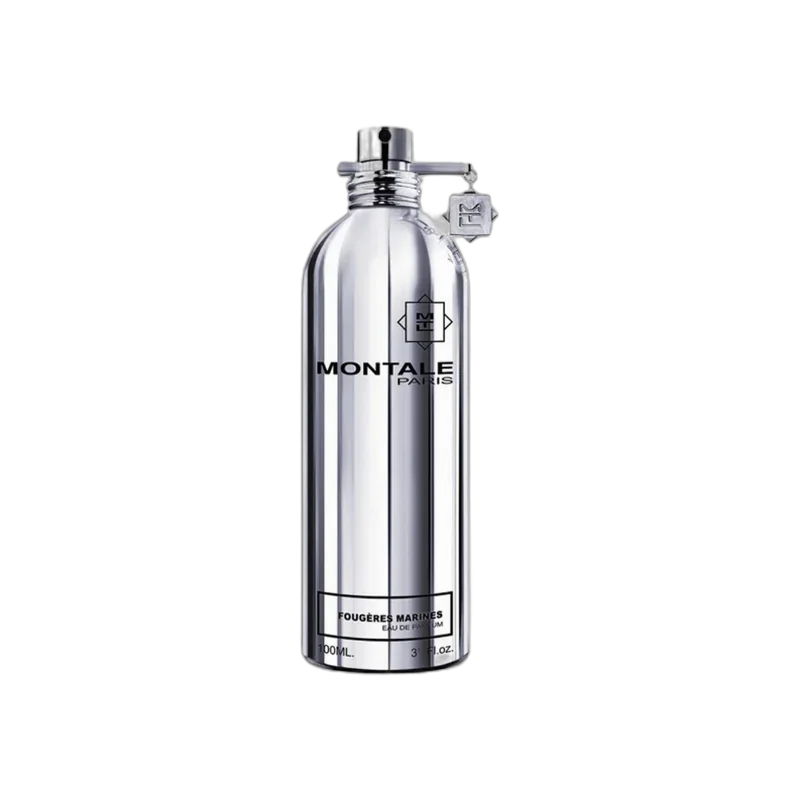
Fougeres Marines
Sea air and lavender are the opening handshake of Montale's Fougères Marines, a take on the genre that departs sharply from every classical reference on this list. The opening is marine and ozonic, bright and almost bracing, before the lavender resolves out of the saltiness and the coumarin begins to warm it. Oakmoss is present but treated lightly, keeping the earthy base from competing with the coastal character that defines the fragrance. What Montale demonstrates here is how elastic the fougère template actually is: swap the resinous and woody elements for an aquatic accord and the genre's skeleton is still legible, but the mood shifts completely from barbershop warmth to something open and coastal. It is the summer-friendly, daytime pick on this list, and the one most likely to appeal to wearers who find the classical entries too heavy or too retro. Performance sits in line with the house's usual output, projecting well early and settling to a comfortable skin-level hum for the better part of a day. Prices among the retailers we track sit at the accessible end of the Montale range. It is worth reaching for if the rest of this list reads as too heavy or too rooted in the past.
Classical and Retro: The Genre at Full Strength
Azzaro Pour Homme is the obvious start: the classical fougère in its most stripped-back form, built on lavender and anise over an oakmoss base, and still available at a price that makes it one of the best-value entries to the genre. It is dry and aromatic in the way the genre was always meant to be, and the anisic note gives it a slightly cool, medicinal character that separates it from sweeter fougères.
Drakkar Noir is the same architecture played at a different volume. Where Azzaro is measured and restrained, Drakkar was built for a decade that valued projection above almost everything else. The 1982 launch coincided with the height of eighties excess in fragrance, and the result is a cold, resinous, aggressively masculine scent that projects out of the bottle before you have even uncapped it. Whether that reads as dated or as bold depends largely on the wearer and the room, but at its current price it is impossible to call it poor value.
Both are deeply stocked among the retailers we track, which means live prices are competitive and the choice between bottles and sizes is wide.
The Softened Middle: Where the Genre Went Mainstream
Boss Bottled sits at the point where the fougère broadened into something the mainstream would accept in the 1990s. The classical structure is present but domesticated: the apple-and-cinnamon accord brought the genre's sharpness down, the sandalwood base replaced oakmoss as the warming agent, and the result became one of the decade's best-selling fragrances precisely because it asked so little of the wearer. It is the fougère for people who did not know they were buying a fougère, which is both a description and, depending on your view, a compliment.
This is not to say it is without character — the cinnamon-wood dry-down is genuinely pleasant, and it wears more gracefully in cold weather than the bottle's reputation might suggest. But it sits firmly in the middle of the spectrum, between the retro assertiveness of Drakkar and the luxury depth of Clive Christian's take. That middle position is why it has been a consistent seller for nearly thirty years, and why the live prices from the retailers we track are almost always well below full retail.
Luxury and the Marine Outlier: The Genre's Outer Edges
At the top of the list sits V Amber Fougère from Clive Christian, which is the fougère stripped of any compromise. The lavender, coumarin and amber base are all present in the concentrations a very high price makes possible, and the result is the genre done as a statement of craft rather than a mass-market exercise. It wears quietly confident rather than loud, which at this tier is exactly the right call.
The most interesting outlier is Montale's Fougères Marines, which takes the fougère template somewhere none of the classics went: straight into sea air. The lavender and coumarin are still doing their structural work, but the marine accord changes the mood entirely, from barbershop warmth to coastal freshness. It is the summer pick on this list, the lightest in projection and the most unexpected in concept, and it points at how much room there still is to work within the genre's skeleton.
How to Choose
The fougère you want depends on what you are trying to do with it. If the goal is to understand the genre itself, Azzaro Pour Homme does that better than anything else at its price, and Drakkar Noir shows you the genre played at maximum volume. They are also the two most affordable bottles here, which means the cost of getting acquainted with the form is low.
If you want something wearable in a modern office context, Boss Bottled is the obvious choice, though it reads as a woody fresh to most wearers rather than a classical fougère. The genre's structure is there, but the apple-cinnamon softening means you will not be clearing the lift. For the genre done at luxury depth, V Amber Fougère is the answer, assuming the budget stretches. It is the most considered and the most expensive, and it rewards patience in the wear.
And if everything else on this list feels too heavy or too retro, Fougères Marines is the one to reach for — the fougère that put sea air where the barbershop used to be. It is a useful demonstration that the genre is still alive and being pushed in new directions, not just reissued in Art Deco bottles.
Sample before you spend at the top of the tier. The classical fougères are safe to buy by the bottle given their prices, but V Amber Fougère is a meaningful investment and one worth testing first.
Compare fougère fragrance prices across every retailer on Aurexum