
Why Fragrances Get Discontinued
The Real Reason Your Perfume Vanished
Fragrances get discontinued for business reasons far more often than scent reasons. Weak sales, an expiring brand licence, portfolio pruning after a corporate acquisition, and ingredient or regulatory costs that make an old formula uneconomic to keep alive account for the vast majority of discontinuations, and almost none of them have anything to do with how good the juice smells.
This is worth internalising, because the instinct when a beloved bottle disappears is to assume something was wrong with it. Usually the opposite is true. Plenty of genuinely excellent fragrances get axed while mediocre ones stay on shelves for decades, and the deciding factor is spreadsheet maths, not merit. Understanding the machinery behind a discontinuation tells you when to panic-buy, when to relax, and when a rumour is just a rumour.
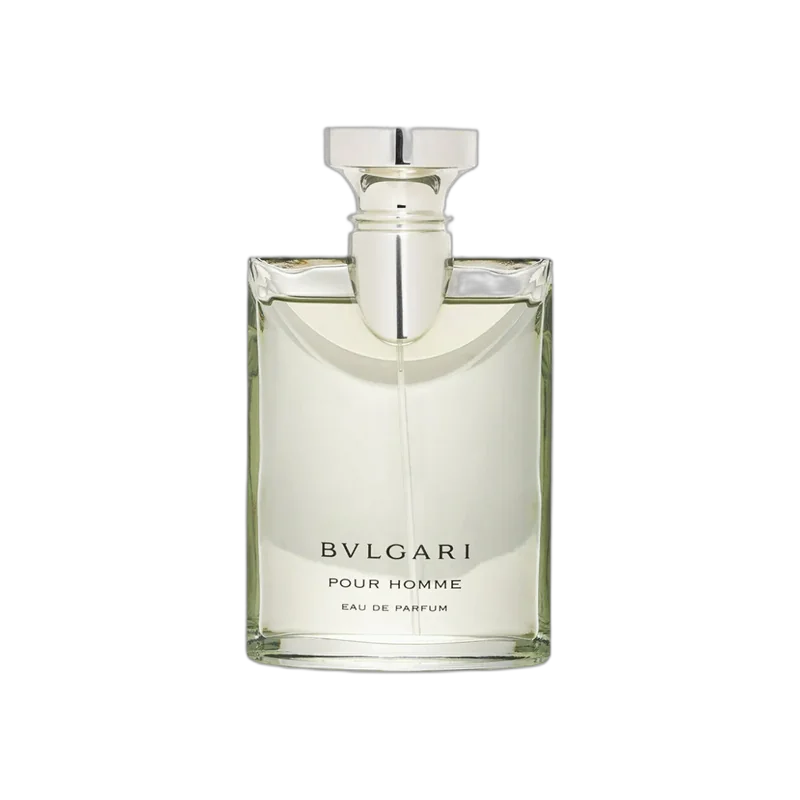
Bvlgari Pour Homme Eau De Parfum
The great comeback story in modern men's fragrance. Bvlgari Pour Homme first arrived in 1996, composed by Jacques Cavallier around Darjeeling tea, a note almost nobody was using as a lead at the time, laid over bergamot, pepper and a soft powdery base of guaiac wood and musk. Clean, dry and quietly unusual, it built a devoted following, then quietly disappeared from counters and turned into a grail on the resale market, where sealed bottles changed hands for silly money. The demand never went away, and in 2024 the house finally answered it by bringing the scent back as an eau de parfum. The reissue keeps the tea-and-pepper spine of the original but pushes it richer and longer, a warmer reading of a formula people had spent years hunting in vintage form. It moves easily from office to evening and skews grown-up rather than loud, which is exactly the crowd that kept it alive. As a case study in how collector pressure can drag a dead fragrance back onto shelves and force a house to reverse its own decision, nothing on the market beats it.
Bvlgari Pour Homme is the case study that frames everything below. Composed by Jacques Cavallier in 1996 around an unusual Darjeeling tea lead, it was a quiet cult favourite that got discontinued, promptly became a grail with vintage bottles fetching absurd sums, and then did the rarest thing in fragrance: it came back. In 2024 the house relaunched it as an eau de parfum, a richer reading of the same tea-and-pepper idea, precisely because collector demand refused to die. Keep it in mind as we walk through the machinery, because it has been on every side of this story — axed, mourned, hunted and finally resurrected.
The Licence Machine, In Plain Language
Here is the part most shoppers do not know: most designer and celebrity fragrances are not made by the fashion house whose name is on the bottle. The house licenses its name to a specialist fragrance company, which develops, manufactures, distributes and markets the scent, then pays royalties back. The designer approves the direction and lends the brand equity. The licensee does the actual work of getting a liquid into a bottle and onto a counter.
That arrangement is efficient, and it is also the single biggest reason fragrances vanish. Licences run for fixed terms. When one expires and the brand signs with a different licensee, or takes production in-house, the incoming party rarely wants to keep making the outgoing party's back catalogue. Whole ranges can be discontinued overnight, not because they stopped selling, but because the contract that allowed them to exist lapsed. A flanker you loved might be collateral damage in a boardroom negotiation you will never hear about.
This is why celebrity scents in particular have such short, brutal lifespans. The licensing deals behind them are often tied to a moment of fame, and when the deal ends the fragrance ends with it. It is also why a discontinuation can feel so arbitrary. From the outside there is no scent-quality signal at all, just a bottle that was there last year and is gone this year.
Portfolio Pruning And The Battle For Counter Space
The second big driver is housekeeping. Every fragrance on a department-store counter occupies space that could hold a newer, higher-margin launch. Retail real estate is finite and expensive, and houses actively trim their ranges to make room. A scent that sells steadily but unspectacularly is exactly the kind of thing that gets quietly cut when a portfolio is rationalised, especially after a merger or acquisition folds two catalogues into one.
Acquisitions are brutal for this reason. When a large group buys a smaller house or absorbs a licensee, it inherits a sprawling range and immediately looks for overlap and dead weight. Slow sellers, regional oddities and ageing flankers are the first against the wall. None of this is a judgement on the fragrance. It is inventory management, and a good scent with modest volume is often less valuable to a giant conglomerate than the shelf it sits on.
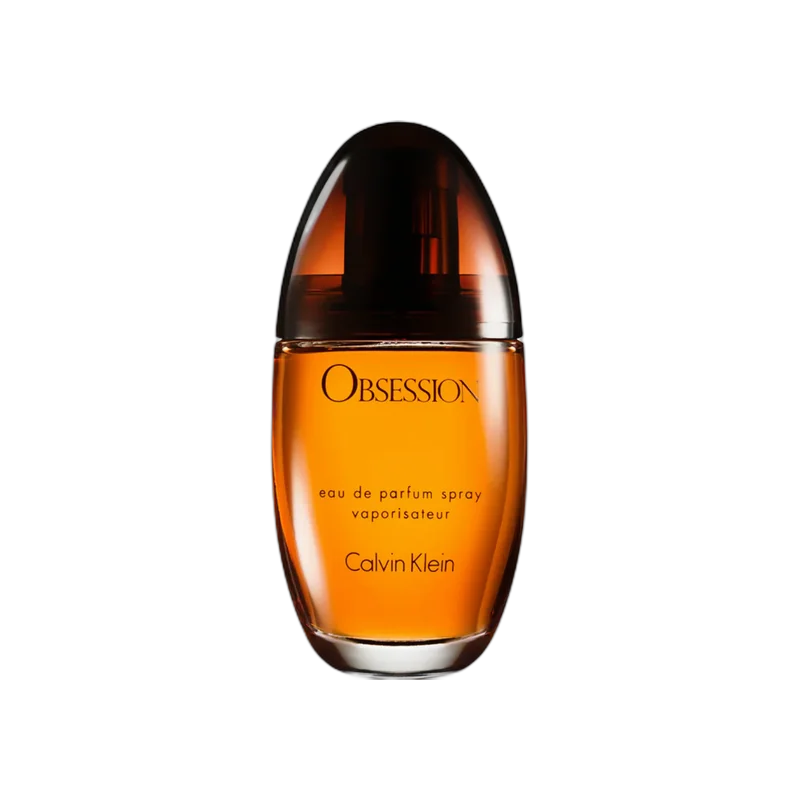
Obsession Eau De Parfum
Calvin Klein's 1985 amber warhorse and one of the most reformulated masculines still in continuous production. Obsession is a spiced oriental from an era that built them loud, opening on mandarin, bergamot and a slug of clove and cinnamon before dropping into a dense amber, vanilla and musk base with civet and sandalwood underneath. It is warm, sweet and unapologetically heavy, the sort of thing that reads as an entire decade in a bottle. Where most of its 80s rivals were pruned or quietly killed, this one survived every portfolio cull the brand has been through, partly on nostalgia and partly because it still sells. Longevity remains its calling card, hours of projection and a full day on skin, so a light hand is mandatory. Current batches wear cleaner and a touch thinner than the vintage juice collectors chase, a reformulation story worth knowing before you assume yours smells wrong. Cold weather and evenings suit it best. For anyone curious about the powerhouse orientals of the Reagan years without paying the vintage-market premium, the standard bottle delivers most of the story at a fraction of the collector cost.
Calvin Klein Obsession is the survivor that proves the rule. It launched in 1985 into a crowded field of spiced powerhouse orientals, and where most of its contemporaries were pruned, relicensed or killed outright over the following decades, this one kept its counter space through every reorganisation the brand went through. It survived on a mix of steady sales and pure name recognition, which is exactly the combination that saves a fragrance from the cull. It has been reformulated along the way, as almost everything from that era has, but it never left. If you want to understand why some 80s bottles are grail-priced on the resale market while others sit cheap on a shelf, the answer is usually whether they cleared the portfolio-pruning bar that Obsession has cleared again and again.
Ingredient Economics And Regulation
The third force is cost, and it ties directly into reformulation. Perfumery runs on materials whose price, availability and legal status all shift over time. A natural ingredient can become scarce or expensive after a bad harvest or a supply shock. A synthetic can be restricted or banned when new safety data emerges, most often through IFRA guidance that caps or prohibits certain materials. Either way, an old formula can become impossible or uneconomic to produce exactly as written.
When that happens, a house has two options. It can reformulate, swapping the problem ingredient for a compliant substitute and hoping the result still smells close enough. Or it can discontinue. For a slow seller, the arithmetic often favours discontinuation outright, because the cost of reformulating, re-testing and re-launching a low-volume scent can exceed the revenue it brings in. Sometimes killing a fragrance is simply cheaper than rewriting it. The bottles that survive tend to be the ones selling enough volume to justify the reformulation spend, which is another reason the big pillars endure while the niche experiments quietly disappear. If you want the full picture of how these substitutions change a scent, our guide to reformulations explained walks through what actually happens to the liquid.
The Collector Aftermarket
The moment a discontinuation is confirmed, or even credibly rumoured, prices move. Sealed bottles of a newly axed fragrance can double or triple on the resale market within weeks, driven by fans stocking up and flippers reading the room. This is predictable enough that a whole cottage economy exists around it, with people watching for discontinuation signals and buying ahead of the spike.
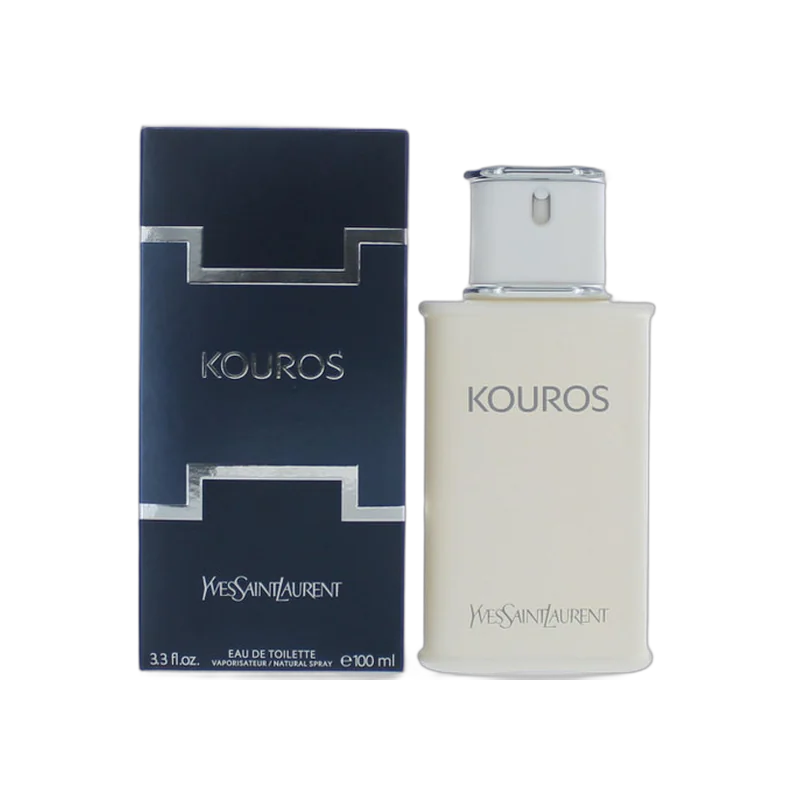
Kouros Eau De Toilette
The fragrance forum's favourite death rumour, and still very much alive. Yves Saint Laurent released Kouros in 1981 as a deliberately animalic bombshell, and it has spent the decades since being declared discontinued by people who simply cannot find it on a given counter. The scent is a divisive one by design, honeyed civet and a clean-then-dirty aldehydic open over a base of musk, leather and incense that some read as regal and others read as a locker room. That polarising quality is precisely why it inspires such loyalty, and why the rumours of its demise keep circulating without ever coming true. It has been reformulated over its long life, so vintage bottles run heavier on the animalic funk than the current stuff, but the DNA survives intact. This is a cold-weather, evening, one-or-two-sprays proposition rather than a daily crowd-pleaser. Longevity is enormous and projection borders on antisocial in the wrong setting. If you have ever heard someone insist Kouros is gone, this is the shelf-standard proof they were wrong, and it usually comes in well under boutique pricing across the retailers we track.
Yves Saint Laurent Kouros is the case study in aftermarket panic that never quite arrives. Released in 1981, it has spent well over four decades being pronounced dead by people who could not find it on a given day, and the rumour has been wrong every single time. The lesson cuts two ways. First, do not trust a discontinuation claim until the house confirms it, because forums declare fragrances gone constantly and are usually reacting to nothing more than a stock gap at one retailer. Second, and more usefully: buy the thing when you love it. If a fragrance is genuinely on the way out you rarely get much warning, and the collector premium lands fast. The counterweight is aged stock. A bottle that has sat in a warehouse or a reseller's cupboard for years can turn, going sour or flat, so vintage buying carries real risk. Checking the batch codes explained on any older bottle is the difference between a bargain and a bad gamble.
When They Come Back
Discontinuation is not always the end. When a killed fragrance builds enough of a legend on the resale market, the demand can become impossible for a house to keep ignoring, and occasionally the bottle returns. Relaunches are rare, because they require a house to decide the audience is large enough to justify re-developing and re-launching something it previously judged not worth keeping. But they happen, and when they do it is almost always collector pressure that forced the issue.
Bvlgari Pour Homme, the case study this piece opened with, is the template. The demand simply refused to die, the vintage market kept proving how many people wanted the tea-and-pepper formula they could no longer buy new, and the 2024 relaunch arrived because the collector outcry had made the commercial case for itself. It is the cleanest proof going that a discontinuation can be reversed when enough people refuse to accept it, and a reminder that a beloved axed scent is not always gone for good.
What To Do When Your Scent Gets Axed
Start by verifying the claim. Most reported discontinuations are stock gaps, regional delistings or forum speculation rather than a confirmed end of production, so check whether the fragrance has actually vanished everywhere or just from your usual counter. If it is genuinely being discontinued, and you truly love it, buy a backup or two while current-batch bottles are still around at normal prices, because the aftermarket premium arrives quickly and the fresh stock dries up first.
Be wary of aged stock once a scent is off the shelves. A sealed bottle that has been stored badly can oxidise, so favour recent batches and reputable sellers, and treat suspiciously cheap old stock with caution. Store your own bottles away from heat and light to slow the same decline. And keep some perspective. A discontinuation is a business decision, not a verdict on your taste, and the fragrance you loved is very often still findable at a sane price if you simply comparison-shop rather than buying into the first panic listing you see.