
Fragrance Reformulations Explained
Why Your Bottle Smells Different Now
Fragrances get quietly rewritten across their lifetimes. The bottle you buy today rarely smells exactly like the one from a decade ago, because ingredient-safety rules tighten, materials become scarce or expensive, and the companies that own the licence trim costs where nobody is meant to notice.
That is the whole story in three sentences, but the detail matters if you are a collector, a re-buyer wondering why your signature scent feels thinner, or someone about to spend real money chasing an old bottle. A reformulation is simply a change to a fragrance's recipe after launch, and it can be forced on a house by the rulebook, forced by the market, or chosen by an accountant. Most of the perfumes you already own have been through at least one, usually without any announcement and without a word on the box. Below is how the process actually works, how to read which version you have, and the honest caveats about the vintage-hunting scene that has grown up around it.
The IFRA Mechanism, In Plain Terms
The single biggest driver of reformulation is safety regulation, and most of it runs through one body: the International Fragrance Association, or IFRA. It is worth being clear that IFRA is industry self-regulation rather than a government agency. The perfume trade polices itself, publishing standards that restrict or ban specific materials, mostly on grounds of skin sensitisation and allergen risk. Houses that want to sell into the major markets follow those standards because retailers and insurers expect it, so in practice the guidance functions like law even though it technically is not.
When a material gets restricted, a house has two choices. It can slash the amount used to the new legal ceiling, or it can strip the ingredient out and rebuild the accord around a substitute. Either way the smell shifts. The most famous casualty is oakmoss, the mossy, inky material at the heart of every classic chypre, cut hard over the years because a couple of its constituents are potent allergens. Nitro-musks, certain citrus oils prone to phototoxicity, and a long list of naturals have all been trimmed the same way. None of this is a conspiracy. The rules exist because a small share of wearers genuinely react to these molecules, and the industry would rather regulate itself than have it done for them. But the side effect is that whole genres, chypres above all, cannot legally be made the way they were in the seventies without a rework.
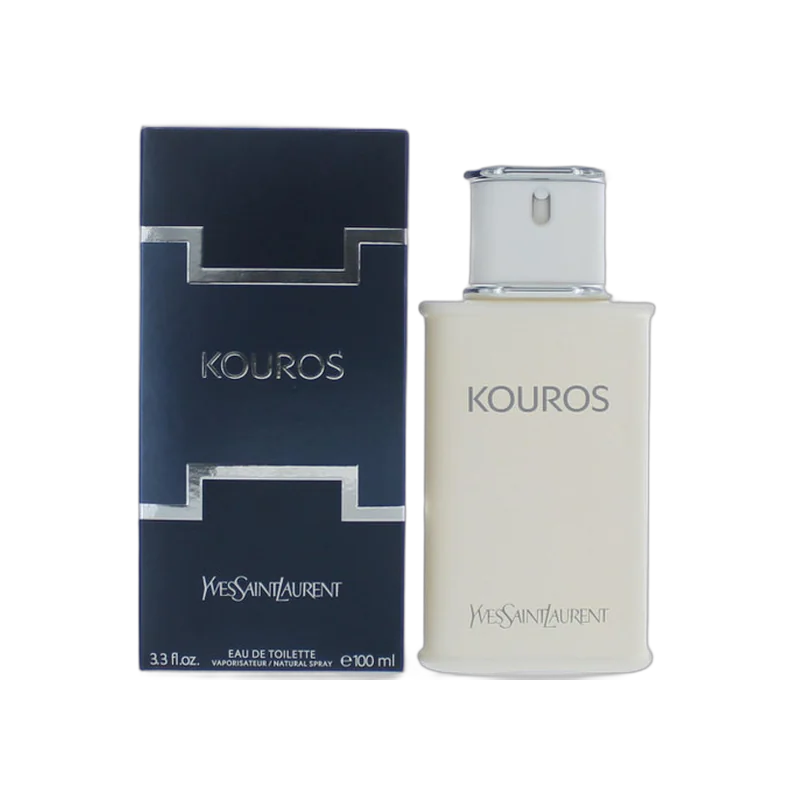
Kouros Eau De Toilette
Yves Saint Laurent's 1981 animalic monument and the fragrance collectors treat like wine, trading batches by year and arguing over which era smells best. Kouros was built as a scrubbed-then-dirty contradiction, a clean shaving-soap top of aldehydes, bergamot and clary sage sitting over a base of civet, honey, musk and leather that reads unmistakably like warm skin. That tension is the whole point, and it is exactly the part reformulations have chipped at over four decades as the animalic materials and heavy musks fell out of favour or out of the rulebook. Older bottles are usually described as filthier and denser, newer ones as cleaner and more restrained, though how much of that gap is real chemistry versus faded memory is genuinely hard to settle. Performance stays enormous in any era, a projecting, all-day cold-weather scent that clears a room in the wrong hands. The white obelisk flacon is one of the most recognisable in men's fragrance. Divisive by design and heavily stocked here, it is the obvious starting point for anyone curious about how a formula drifts while still keeping its face.
Kouros is the case everyone reaches for first, and it is on our featured list precisely because its animalic guts sit right in the firing line of tightening musk and civet limits. The debate over its batches is the reformulation argument in miniature. For a closer look at reading the codes that tell those batches apart, our guide to batch codes explained walks through the manufacturer systems.
Supply, Scarcity And The Accountant
Regulation is only half the picture. The other half is money and material supply, and it moves formulas just as often, only more quietly.
Naturals are agricultural products, so they behave like crops. A bad harvest, a drought, a disease running through the world's sandalwood or a spike in the price of natural jasmine or orris can make an original recipe uneconomic overnight. When a key material triples in cost, the house either raises the price, absorbs the hit, or reformulates around a cheaper synthetic that gets close. More often than anyone admits, it reformulates. Then there is plain cost-cutting, the least romantic driver of the three. A brand changes hands, a licence moves to a new parent company, and the new owners look at the margin on a bestseller and decide the customer will not notice if the sandalwood becomes a sandalwood-like aroma-chemical and the natural oils get thinned out. Sometimes they are right and nobody complains. Sometimes the reformulation is so obvious it becomes a scandal in the enthusiast forums within a week.
The result is that a long-lived fragrance is really a series of slightly different perfumes wearing the same name and the same bottle. That is not automatically a betrayal. It is the normal life cycle of a mass-market product made from ingredients whose price and legality both shift under it.
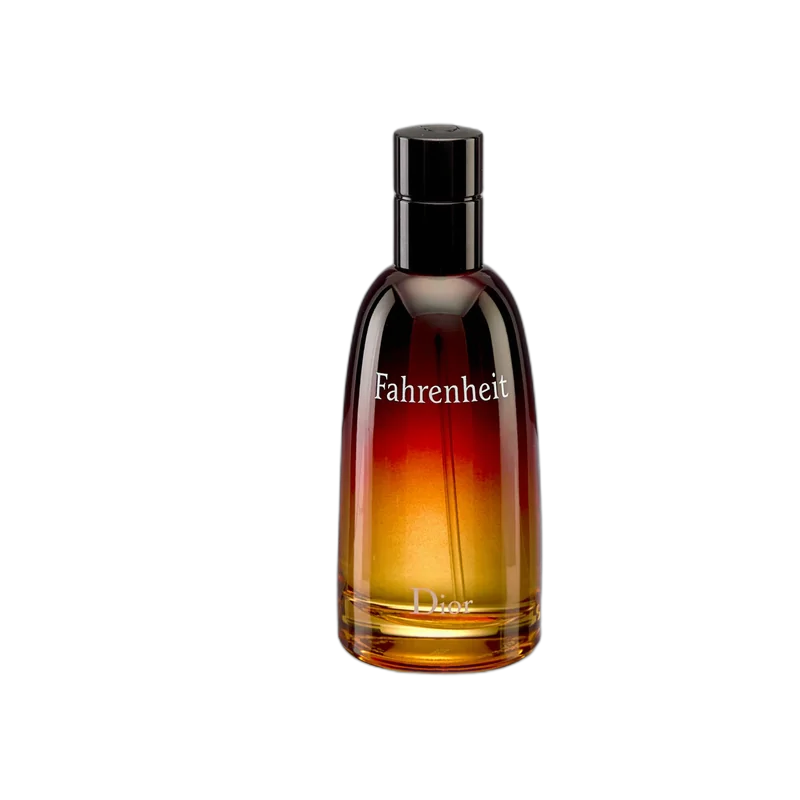
Fahrenheit Eau De Toilette
Few mainstream designers smell as strange as this Dior from 1988, the petrol-and-violet icon that gave a whole generation of noses the phrase petrol accord and a running argument about which batch to buy. Fahrenheit opens on a green, petrol-like violet-leaf top that is like nothing else in a department store, and settles into a warm base of leather and woods, a combination nothing else quite copies. It is that oddball metallic-floral signature that makes it a favourite case study for reformulation talk, since the fuel note and the violet leaf are the parts enthusiasts swear have softened over the years. The debate runs hot precisely because the scent is so distinctive that any drift gets spotted immediately. Whatever era you land on, it wears as a cool-weather and evening masculine with strong projection and a long life on skin, more autumn dusk than summer daytime. The frosted amber-gradient bottle is as recognisable as the smell itself. Stocked well here, it remains one of the few genuinely weird bottles a department store will still sell you, which is why the vintage-versus-current conversation around it never really ends.
Fahrenheit is the running debate made flesh. Its petrol-and-violet signature is so specific that any softening of the fuel note or the violet leaf gets spotted immediately, which is exactly why the vintage-versus-current conversation around it never dies down. It is the perfect illustration of a scent distinctive enough that reformulation cannot hide.
How To Tell Which Batch You Have
If you want to know whether your bottle is an older or newer formula, the honest answer is that smelling is unreliable and dating is your best tool. Memory drifts, and the same juice smells different across seasons and skin, so a side-by-side sniff rarely settles anything on its own.
What you can pin down is the production date, printed as a batch code on the box and the base of the bottle. These codes are manufacturer-specific and not meant for consumers, but the community has reverse-engineered most of the big ones, and a code lets you place your bottle in a rough production window. That window is what tells you which era of the formula you likely have. It will not tell you the recipe changed on a specific day, because houses do not publish that, but it lets you compare like with like rather than guessing.
Two more things worth knowing before you judge an old bottle. First, top notes are the first to die: the bright citrus and green openings degrade fastest, so a genuinely old bottle can smell off in the first ten minutes and perfectly fine in the drydown. Whether that is age or reformulation is easy to confuse. Our piece on whether does perfume expire covers how juice ages and what a turned top note actually smells like. Second, storage swamps almost everything else. A bottle kept in a warm, bright bathroom for years will read as degraded regardless of formula, which is why serious collectors obsess over cool, dark storage. Our guide to how to store fragrance explains why the base can survive decades while the top vanishes.
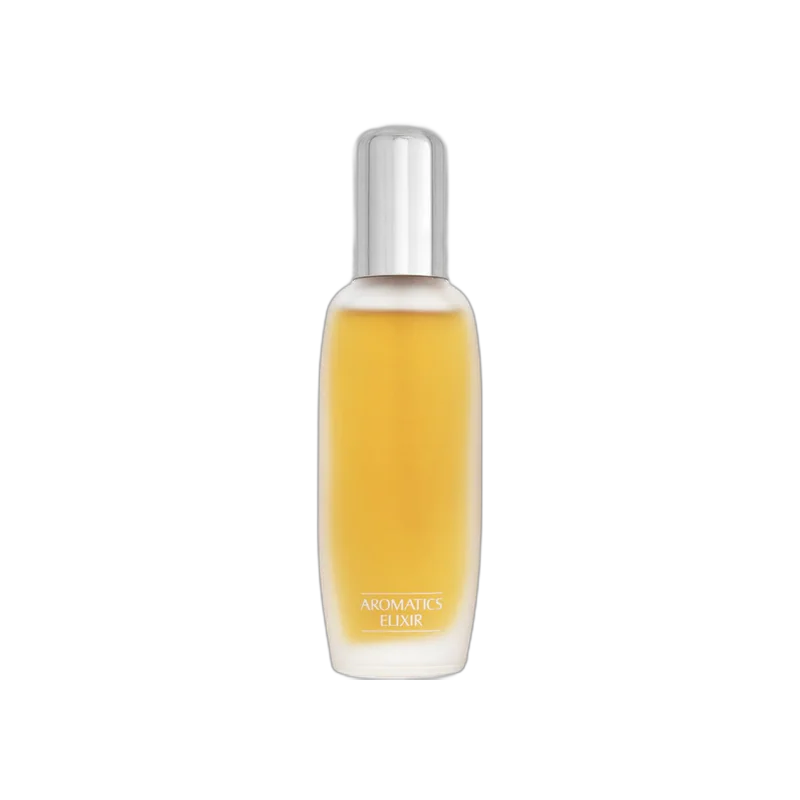
Aromatics Elixir Eau De Toilette
One of the great survivors, this 1971 Clinique herbal chypre has weathered five decades of tightening rules and still reads recognisably like itself. Aromatics Elixir is built on a dense, medicinal green heart of chamomile, patchouli, oakmoss and rose over a warm resinous base, the kind of bracing bitter-herbal composition the industry mostly stopped making once oakmoss restrictions arrived. That it survives at all makes it a useful lesson in reformulation, a chypre that has been reworked to satisfy the rulebook without losing the mossy backbone that defines the genre. It wears powerful and unashamedly retro, projecting hard for hours and lasting most of a day, closer to an aromatic statement than an easy daily. Marketed feminine, it is worn plenty by men who want proper old-school moss, and it sits among the last of its kind still on a mainstream counter. The plain apothecary bottle matches the no-nonsense character, no frills and no apology. Well stocked here, it is the reference point for anyone wanting to understand what a chypre smelled like before the modern era sanded the whole genre down.
Aromatics Elixir is the survivor that proves the point. It is one of the last true chypres still on shelves, a formula reworked repeatedly to satisfy oakmoss limits yet keeping the mossy backbone that defines the genre. Comparing an old batch with a current one is about as clean a lesson in half a century of reformulation as you can buy off a counter.
Vintage Hunting, Honestly
There is a whole trading scene built on all of this, and it is worth entering with clear eyes rather than nostalgia. Old bottles change hands for real money, some of it justified and some of it pure romance.
The case for vintage is genuine. Certain materials really are gone, cut by the rulebook or priced out, and a pre-restriction chypre or an old animalic can offer something the current version simply cannot. If you love a discontinued formula, an old sealed bottle may be the only way to have it. The case against is just as real. You are buying a used agricultural product of unknown storage history, often at a premium, and the top notes may already be dead. A gorgeous-sounding vintage that spent fifteen years in a sunny window is a disappointment waiting to happen. Fakes and refills circulate at the top of the market too, and a batch code can be forged as easily as printed.
The bigger trap is psychological. Nostalgia inflates memory, and the version you wore at twenty will always smell better in recollection than anything you can buy at forty, reformulation or not. Plenty of blind tests have caught enthusiasts preferring the current batch they swore was ruined. So sample before you spend, date what you buy, and treat any strong claim that one specific year is the holy grail with a raised eyebrow.
When The New Version Is Actually Better
The honest counterpoint, and the one enthusiast culture underrates, is that reformulation is not always a downgrade. Sometimes it genuinely improves the fragrance.
Newer synthetics can be cleaner, more stable and better behaved than the naturals they replace. A modern musk might last longer and smell more consistent bottle to bottle than the old material, which oxidised and varied. Some reformulations fix a scratchy or short-lived original, boosting performance or smoothing a rough edge that always bothered wearers. And a formula freed from a discontinued raw material occasionally lands somewhere more wearable than the beloved original, even if the die-hards will never admit it. Batch-to-batch consistency, the thing modern quality control does well, is itself a quiet upgrade over an era when the same bottle could smell noticeably different depending on the harvest.
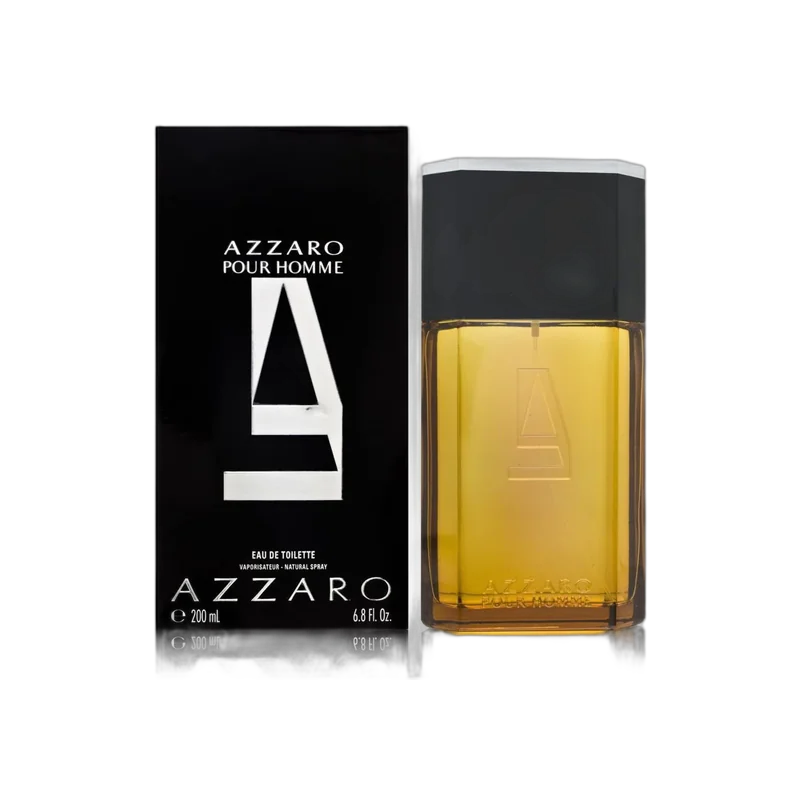
Azzaro Pour Homme Eau De Toilette
Here is the rare warhorse that still smells convincingly like its old self, a 1978 Azzaro barbershop fougère whose reformulation debate stays noticeably quieter than the arguments raging around its peers. Azzaro Pour Homme is a textbook aromatic fougère, a lavender, anise and bergamot top drying down over oakmoss, leather and a woody base, the blueprint a whole aisle of masculines has borrowed from since. What makes it worth studying is how well the structure has held up, a classic built on materials that later got restricted yet still landing as the clean-shaven, soapy barbershop scent people remember. It wears versatile and cool-weather friendly, projecting moderately and lasting most of a day, an office-safe staple rather than a statement piece you have to plan an evening around. The tall ribbed bottle is a design of its era and none the worse for it. Stocked well here, it is the calm counterexample in any reformulation argument, proof that a formula can absorb decades of rule changes and come out the other side still itself rather than hollowed out.
Azzaro Pour Homme is the calm counterexample, a barbershop fougère built on materials that later got restricted yet still landing as the clean-shaven classic people remember. The reformulation argument around it is noticeably quieter, which tells you a formula can absorb decades of rule changes and come out the other side still itself. Not every warhorse gets hollowed out.
The Practical Takeaway
Assume every long-running fragrance you love has been reformulated at least once, and stop treating that as a scandal by default. Judge the bottle in front of you on its own merits rather than against a memory. If you want to compare eras, date your bottles by their batch codes and store them properly so you are comparing formula against formula, not fresh against sun-cooked. Chase vintage only when a material is genuinely gone and you have a way to verify storage, and sample first every single time. And keep an open mind that the current version, the one you can actually buy today at a live price rather than an inflated collector's premium, is sometimes the better perfume anyway.