
How to Sample Fragrances Before You Buy
The Short Answer on Sampling
Before you spend prestige money on a bottle, you want the scent on your own skin for at least a few hours, ideally across a full day. Full bottles are the expensive way to discover you hate something, and for a price-comparison audience that is the whole point: the cost of a good sampling habit is a rounding error next to the cost of a blind-buy you never wear again. There are three sensible routes to trying before you buy, and one rule that governs all of them.
The routes are counter testing, decants and samples, and official discovery sets. The rule is that the more polarising or expensive a fragrance is, the more sampling matters. This post walks through each route done properly, then uses four genuinely tricky bottles as case studies for why the sampling discipline exists at all.
Counter Testing, Done Right
The department-store counter is free and it is the fastest way to try a lot at once, but most people test badly there. A few habits fix that.
Spray on skin, not paper. Paper strips are useful for a first pass, to reject the obvious no's, but a blotter shows you the top notes and almost nothing of how a fragrance actually lives on you. Skin chemistry changes a scent, and the drydown, the part you will wear for hours, only shows up on your own arm. Use the inside of the wrist or the crook of the elbow, and do not rub it in, since that bruises the top notes and shifts the read.
Limit yourself to one or two fragrances per visit. Your nose fatigues fast, and by the fourth spray you are smelling a muddle rather than any single thing. Coffee beans do not reset it, whatever the counter tells you. If you must try more, leave the shop and come back later.
Then live with it. The mistake is deciding at the counter, where you get the loud opening and none of the base. Spray, walk away, and check in at the two-hour mark, the four-hour mark and the end of the day. A scent you loved on first spray can turn on you by dinner, and one you were unsure about can settle into exactly what you wanted. This is the single most useful sampling habit there is, and it costs nothing but patience. It is also how you build toward choosing a signature scent rather than a shelf of half-empty bottles.
Decants and Samples Explained
A decant is simply a small amount of fragrance poured from a full bottle into a smaller vial, usually a few millilitres, so you can wear a scent properly across several days without buying the whole thing. A sample is the same idea at an even smaller size, often one to two millilitres. Both solve the counter's core problem, which is that you cannot take the tester home.
The part worth understanding is where they come from. Brands mostly do not sell decants themselves. The decant economy runs on community sellers, enthusiasts and small splitters who buy full bottles and divide them, and it exists precisely because trying niche and expensive fragrances any other way is impractical. That community layer is a feature, since it lets you wear a Malle or an Amouage for a week before deciding, but it comes with a caveat: you are trusting the seller. Counterfeits and mislabelled vials are real, especially for the most hyped and most cloned bottles, so buy decants from sellers with a track record, and treat a suspiciously cheap decant of a famously expensive scent with suspicion.
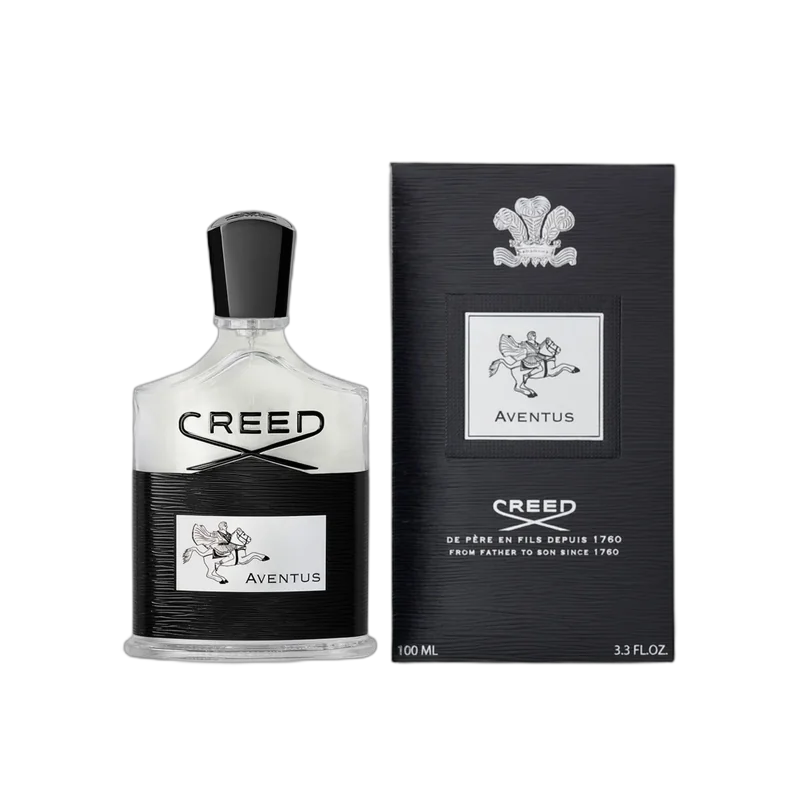
Aventus
Creed's 2010 fruity-woody chypre and the most hyped men's fragrance of the past fifteen years. Aventus opens on a smoky pineapple and blackcurrant accord that reads bright and slightly sharp, then settles into a drier heart of birch, oakmoss and dry musk that gives it the smoke everyone talks about. The famous quirk is batch variation, since Creed's naturals-heavy formula shifts noticeably from year to year, so two bottles bought a season apart can smell meaningfully different. That alone is a reason to try before you commit at this price. It projects well and lasts most of a working day on skin, versatile enough for office or evening and squarely responsible for a decade of pineapple clones underneath it. The black flacon and the Napoleonic house story do a lot of the selling. It is also among the most counterfeited scents anywhere, which makes buying from tracked retailers rather than a stranger's decant worth the care. For all the noise around it, the juice is genuinely good, but it is the textbook case of a bottle you sample first.
Take Creed Aventus above as the reason this care matters. It is one of the most hyped and most counterfeited fragrances on the market, and its formula shifts noticeably from batch to batch, so a decant is genuinely the smart way in. But it is also exactly the sort of scent where a stranger's vial might not be the real thing. Sample it, yes, but from a source you can trust.
Official Discovery Sets
The cleanest route, and the one that sidesteps the trust problem entirely, is the brand's own discovery set. Most niche houses now sell a boxed collection of small vials of their range, sometimes with a credit toward a full bottle if you buy one afterwards. Malle, Amouage, Tom Ford and the rest all run some version of this.
Discovery sets cost more per millilitre than a community decant, but you are paying for guaranteed authenticity and the convenience of trying a whole line at once. For an expensive house you are seriously considering, that premium is money well spent. It is the low-risk way to work out whether a range suits you before you commit to anything, and it pairs neatly with checking the live lowest and average prices from our data on the full bottle once you have found the one you want. If a house's aesthetic appeals but you are not sure which scent, the discovery set answers that faster than any number of counter visits.
The Blind-Buy Rules
Blind-buying, purchasing a full bottle without smelling it first, is not always a mistake. For a cheap, well-reviewed crowd-pleaser you already have a feel for, the downside is small and the convenience is real, especially when fragrance is cheaper online than at the counter anyway. The rules are about knowing when the downside is not small.
Never blind-buy something polarising. If a fragrance is famous for splitting opinion, the odds you land on the wrong side are high, and reviews will not tell you which side you are on. Never blind-buy something expensive. The more a bottle costs, the more a wrong guess hurts, and the more a few days with a decant would have saved you. And never blind-buy something dense or austere, because complex or deliberately restrained scents are the ones that need skin time and patience to read at all. The four bottles below are case studies in each of those traps.
Tuscan Leather
Tom Ford's 2007 leather from the original Private Blend launch, and one of the most polarising bottles the house has ever put out. Tuscan Leather is a raw suede accord built on raspberry, saffron and thyme over birch tar and a jasmine heart, which is where the trouble starts for some noses. That raspberry-and-leather pairing reads as plush and animalic to its fans and as sharp, almost bloody to everyone else, so it splits a room faster than most. It projects hard for the first hours and lasts most of a day, an assertive cold-weather and evening scent that does not do subtle. The suede here is the dry, smoky kind rather than anything soft, and the fruit stops it going fully austere without ever tipping sweet. It has held its place in the Private Blend line for well over a decade, a reference point for the raw-leather genre and the bottle people cite when they argue about Tom Ford at all. Rich and expensive, it is exactly the sort of divisive juice you should wear for a full day before spending, because half the people who smell it will love it and half will not.
Tom Ford Tuscan Leather is the polarising case. Its raspberry-and-leather accord genuinely splits a room, and no review can predict whether you will read it as plush or as sharp, so a full day on skin is the only honest test.
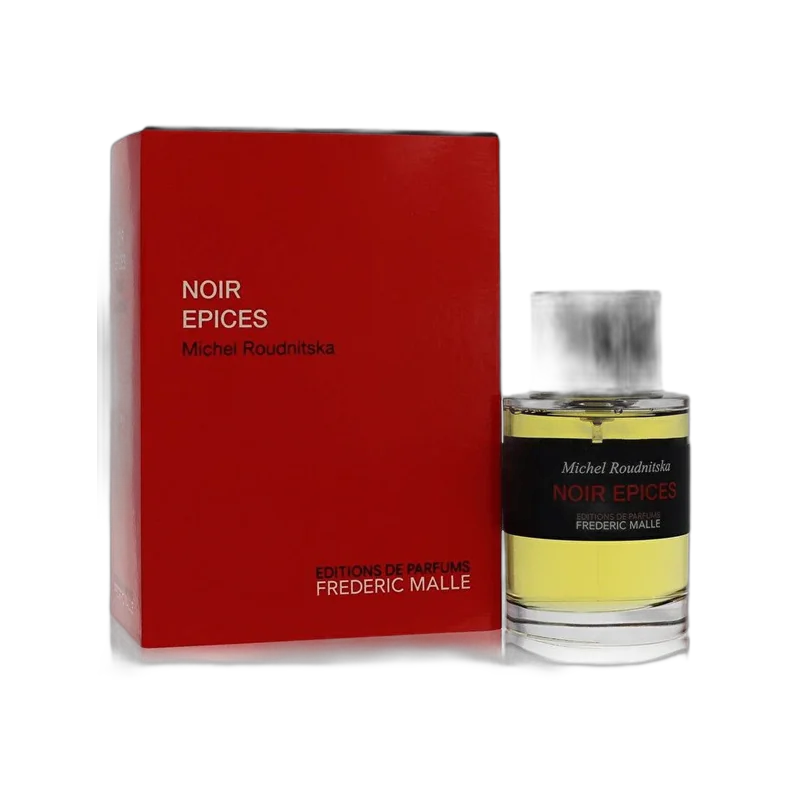
Noir Epices
Frédéric Malle's 2000 spice composition from Michel Roudnitska, one of the founding scents of the Editions de Parfums line and a study in restraint. Noir Épices is built around a bitter orange and a dry, warm spice accord of pepper, clove and nutmeg laid over rose, geranium and a woody sandalwood base. It is austere by design, more cabinet of spices than anything sweet or gourmand, which is precisely why it rewards patience and punishes an impulse buy. On skin it wears close and warm rather than loud, projecting modestly for the first hour then settling into a dry, faintly powdery hum that lasts most of a day. The framing is unisex and it genuinely wears that way, though its dryness makes it a considered pick rather than an obvious one. Malle's whole conceit is the perfumer as author, and Roudnitska's hand shows in how little is going on and how well judged it is. This is not a bottle that grabs you on a first paper strip, and it can read thin or severe until it warms on skin, so it is the clearest argument on this list for living with a sample for a few hours before you decide.
Frédéric Malle Noir Épices is the austere case. It is spare and dry by design and does almost nothing on a paper strip, which is exactly why it needs hours on skin to show what it is. This is the clearest argument on the list for living with a sample.
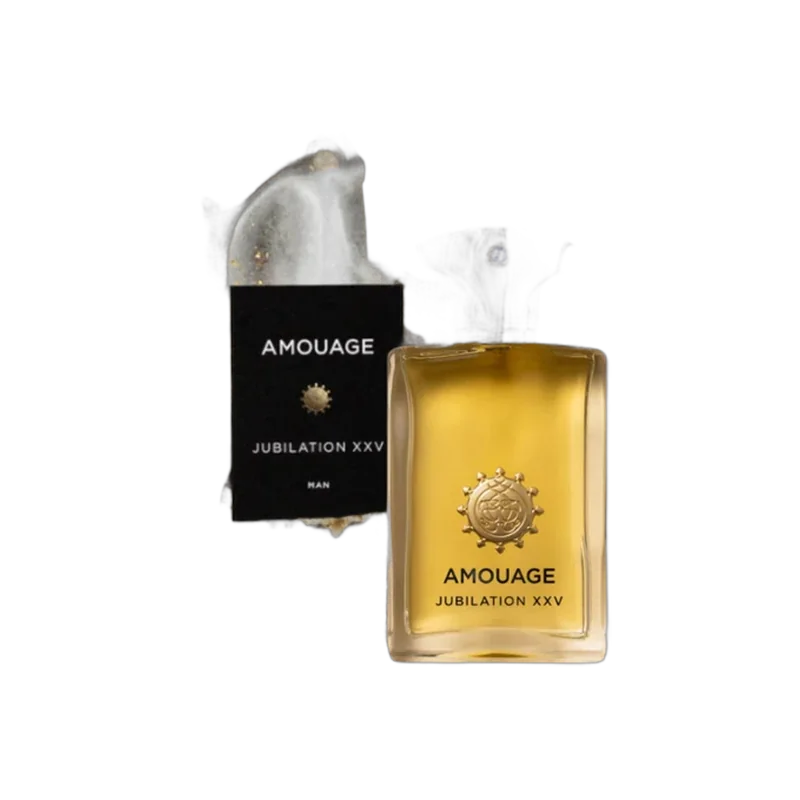
Jubilation Xxv Man
Amouage's 2008 masculine, composed by Bertrand Duchaufour and among the densest fragrances the Omani house has released. Jubilation XXV is a woody chypre stacked with blackberry, frankincense, myrrh and a smoky labdanum, laid over patchouli, oud and aged wood, and it wears every bit as loud as that reads. There is a lot happening here, a jammy fruit open giving way to church incense and dark resins, and it can feel overwhelming on a first sniff before the pieces settle. It projects strongly and lasts well over a day on skin and fabric, a cold-weather and evening scent that fills a room whether you want it to or not. The heavy, ornate flacon and the prestige price put it firmly at the luxury end. This is expensive, complex and assertive all at once, which makes it the last bottle you would want to blind-buy, since its density is exactly the sort of thing that reads as too much to some noses and as a masterpiece to others. Wear a decant across a full day before you decide, because there is more to unpack here than any counter spray will show you.
Amouage Jubilation XXV is the dense-and-expensive case. There is so much stacked into it that a first sniff overwhelms, and the prestige price means a wrong guess is a costly one. Whether the depth reads as too much or as a masterpiece depends on your nose, and only time tells you which.
Sampling and Whether It Is Worth It
The through-line here is that sampling is the cheapest insurance you can buy. A discovery set or a handful of decants costs a fraction of a single prestige bottle, and it turns the question of whether luxury fragrances are worth it from a gamble into an informed choice. You get to answer it on your own skin, over real days, before the money leaves your account.
So the practical order is this. Reject the obvious misses on paper at the counter. Skin-test the survivors and live with them for a day. For anything niche, expensive or divisive, get a decant or a discovery set and wear it across a week. Then, and only then, buy the full bottle from a retailer you trust at the best price you can find. Do that and you will own fewer bottles you regret and more you actually reach for, which is the entire goal.