
Best Classic Eau de Cologne Fragrances
The Original Fragrance Format
The eau de cologne is not a strength. Before the modern concentration system — the ladder of EdC, EDT vs EDP and beyond — cologne was simply what fragrance was. Johann Maria Farina began selling his Eau de Cologne from his shop in Cologne in 1709, built on a formula of citrus peel, neroli, lavender and herbs in a high-alcohol base. It was designed to be splashed liberally and experienced in the first hour on skin. There was no expectation of a twelve-hour trail. That was not a flaw in the design; it was the design.
The name Eau de Cologne itself is geographic: it meant, simply, the water from Cologne. Farina was an Italian-born entrepreneur who had relocated to Germany, and his formula was an attempt to capture the smell of an Italian spring morning — orange blossom, bergamot, the cold water of mountain streams — in a portable, wearable form. He licensed it to pharmacists and courts across Europe, and by the eighteenth century it had become the dominant fragrance format on the continent. Napoleon reportedly ordered it by the case. Josephine preferred a different style entirely, which is a useful reminder that the cologne tradition has always had its detractors as well as its devotees.
Almost every traditional cologne you encounter today descends from that template. The materials shift — more bergamot here, more petitgrain there, a green note or an herbal centre to set it apart — but the underlying logic stays the same. The format is built for heat, for morning rituals, for the kind of daily use that makes a 200ml bottle disappear in a summer. Understanding that changes how you evaluate them.
The Longevity Trade
Colognes are genuinely short-lived on skin. A good one gives you two to four active hours before it retreats to a close, quiet hum that only you can smell. This is not a failing to apologise for. The freshness that makes the opening so satisfying — that snap of citrus and herb — comes from volatile top notes that cannot and should not last. Longevity is a different design goal, one served by concentration, by heavier base materials, by the kind of ingredients that sink into the skin rather than lift off it.
The modern concentration system muddied things by applying the same "EdC" label to both genuine colognes in the Farina tradition and lighter-strength flankers of otherwise dense designer fragrances. Not everything labelled EdC is a cologne in spirit. What the four fragrances below have in common is the actual sensibility: citrus-forward, herb-edged, clean-drying, short-lived by design.
Matching a cologne to the season matters more than it does with heavier fragrances. The volatile citrus materials that make a traditional cologne so satisfying on a hot morning can feel thin and cold-weather-inappropriate when the temperature drops, which is why the format has always been associated with summer. If you want citrus all year round, the Acqua di Parma entries here — particularly Essenza — do more of the heavy lifting in cooler months, leaning on their resinous and amber-warmed bases to carry the open materials longer. The pure-format colognes, Eau d'Orange Verte and the 4711 Remix, are best saved for weather that returns the compliment.
The trick to wearing any of them well is to use them as they were intended: generously and without anxiety about projection. Two or three sprays on the chest, an extra one on the back of the neck in warm weather. Reapply when you want to, because the bottle is there for it.
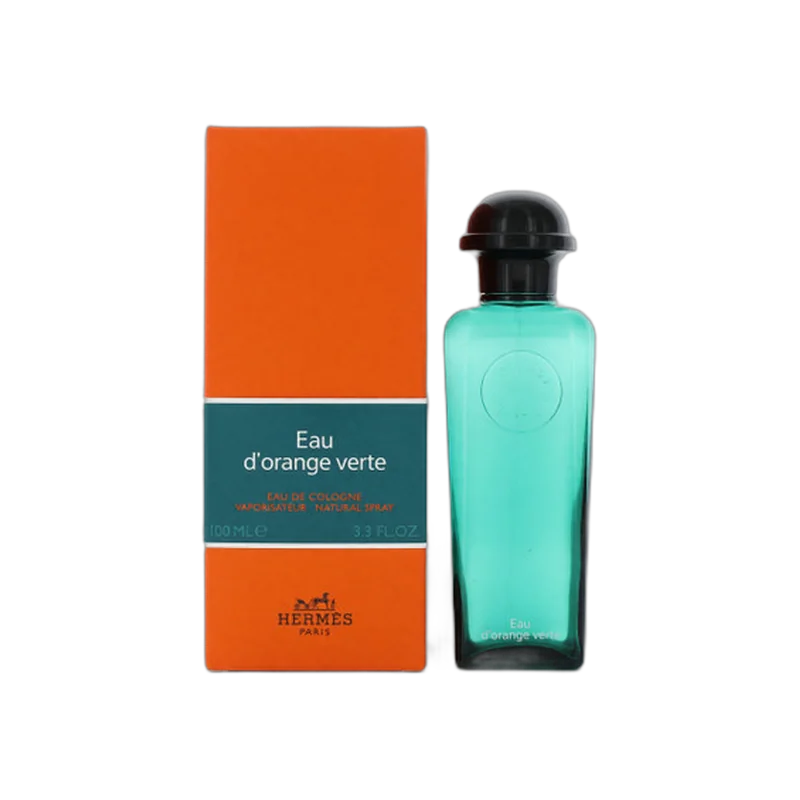
Eau Dorange Verte
Four decades after its 1979 launch, Eau d'Orange Verte remains the benchmark for what a green-citrus cologne can do. Hermès pitched it as an orchard in a bottle rather than a barbershop splash, and the formula delivers on that: bitter Seville orange peel and mandarin ride a distinctly herbaceous current of mint and blackcurrant, then dry down on a white-musk and oakmoss base that keeps it from vanishing the moment it hits skin. Green is the operative word here; this is not the sun-warmed sweetness of Italian colognes but something cooler and more tart, closer to snapping a twig off an orange tree than squeezing the fruit. Longevity is modest in the honest way all true colognes are modest, two to three hours on skin, though the concentration in the larger splash format extends that somewhat. Wear it layered with the matching shower gel if you want it to carry. It has been the house's evergreen summer release for most of its life — the closest thing the genre has to a shared benchmark — and the price sits at a straightforward designer level rather than the niche bracket.
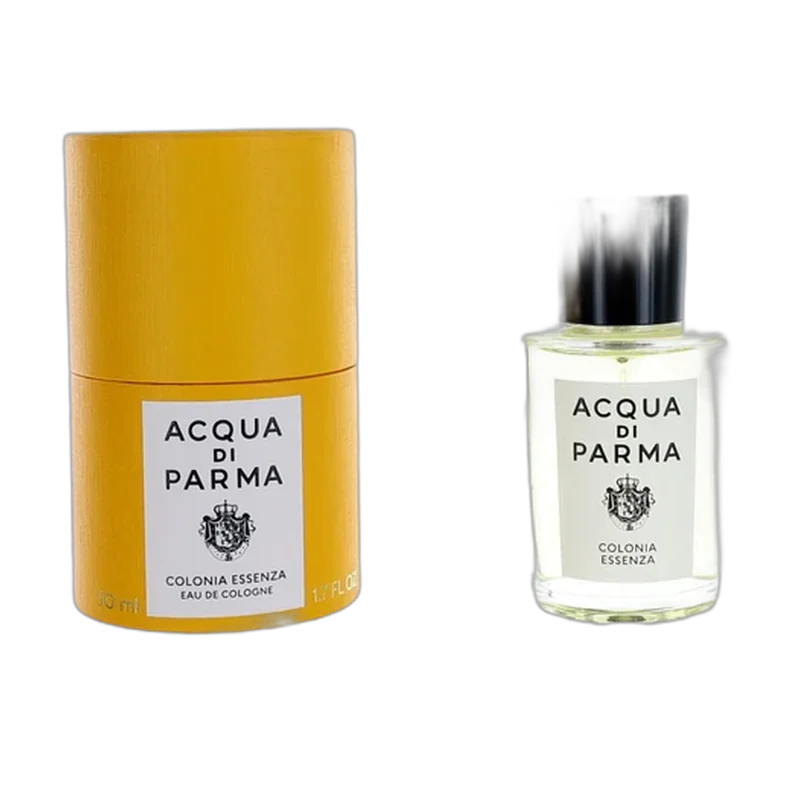
Colonia Essenza Eau De Cologne
Colonia Essenza, released in 2010, is Acqua di Parma's own answer to what a modernised citrus cologne should feel like — denser and more resinous than the house's original Colonia, built on the same architecture but with patchouli and an amber base giving it staying power that format purists never expected from the genre. The open is classic Italian cologne territory: bergamot, lemon, orange peel over lavender and rose. Then the base shifts the register entirely, pushing into a warm, slightly earthy depth that holds for hours rather than minutes. It reads unisex in the way the whole Colonia range does and wears equally well on men and women, though it leans a little more towards evening than a daytime splash sensibility. Performance sits meaningfully above most colognes and comes close to the longevity you expect from a stronger concentration, which is where the name earns its place. It is heavily stocked at the retailers we track and the live price usually sits well under travel retail. Anyone who loves the Italian citrus tradition but finds true colognes too fleeting will find Essenza the most persuasive argument for the format done at full stretch.
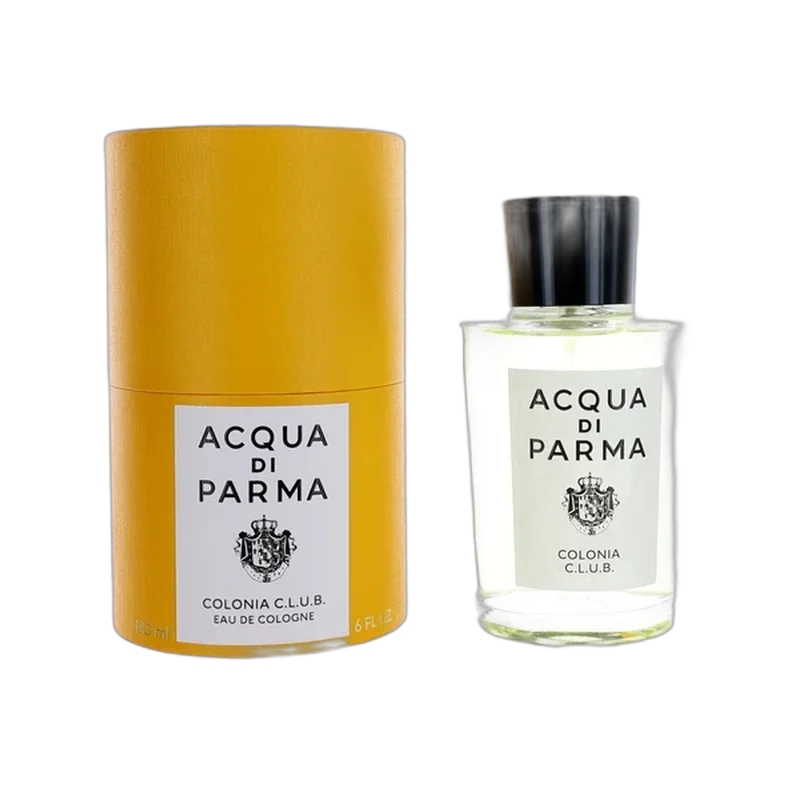
Colonia Club Eau De Cologne
Released in 2015 as the sportier sibling in the Colonia family, Colonia Club opens differently from the other Acqua di Parma entries. Mint is the first material you notice, bright and slightly sharp before the lavender and angelica step in to smooth it out. The citrus is still present — bergamot, petitgrain, a hint of neroli — but it sits under the herbs rather than leading them, giving the whole thing a cooler, more aromatic shape than either Colonia or Essenza. The base settles into vetiver, sandalwood and a clean musk, dry rather than sweet, which is why it works well in warm weather and on skin that runs warm. Projection is fresh and moderate, never loud, and longevity follows the cologne pattern: a few hours of active presence then a quiet, close hum. It wears young and light without reading juvenile, which is the particular trick the house pulls off here. Think of it as the holiday-weekend scent in the Colonia family rather than the occasion one. For anyone building a summer rotation and wanting an Italian reference that does not overlap with Essenza, Club is the natural complement, green and minty where its sibling is amber-warmed, and well stocked at a sensible price from the retailers we track.
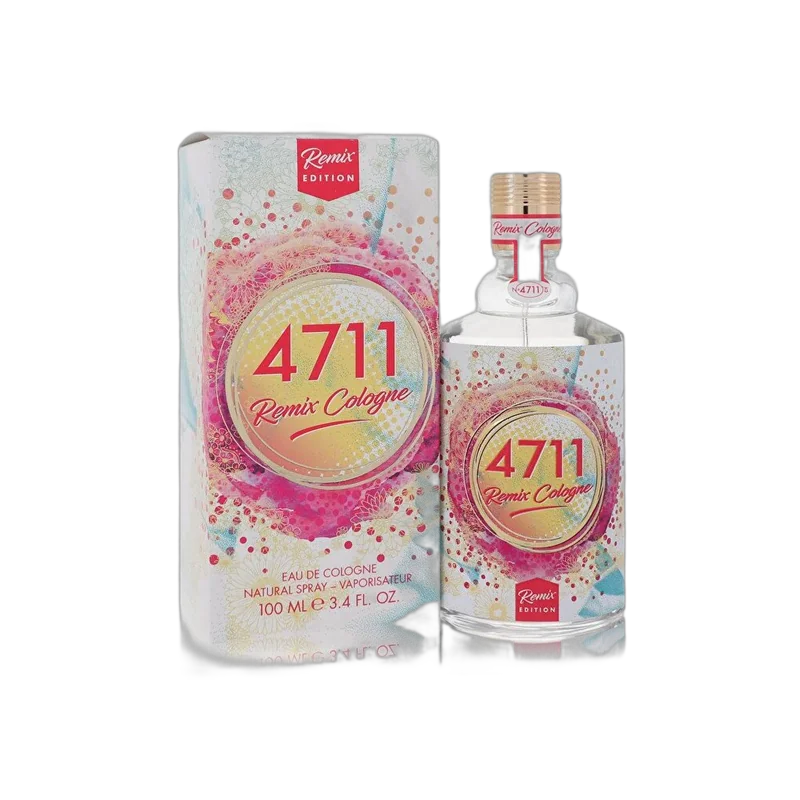
Remix Cologne Edition 2018
4711 has been making cologne in the city of Cologne since 1792. The Remix editions are the house turning its own formula inside out, keeping the citrus-neroli-herb architecture of the original Eau de Cologne while reworking the details season by season. The 2018 edition leans citrus-green, with bergamot, lemon and petitgrain carrying the heart and a gentle lavender-herb drift in the mid-register. The base stays light and clean, exactly what the original format promises. Longevity is the short, honest kind that belongs to the format: wear it as a refresh rather than a presence, splash generously, reapply freely. The squat glass bottle with its numbered label carries the house's own address — Glockengasse 4711, the number assigned during the French occupation of Cologne — which is the actual origin of the 4711 name and the heritage the Remix is drawing on. It is the most historically grounded pick on this list, made by the house that arguably set the template every other brand on the page is working from, and it is priced to use rather than to hoard. The bottle is a daily-use object rather than a shelf piece, and the price reflects that honestly.
The Green Benchmark and the Italian School
The two ends of the classic cologne tradition look different from each other. The green benchmark — represented here by Hermès Eau d'Orange Verte — comes from a French sensibility: tart, slightly austere, herbaceous rather than sun-warmed. Acqua di Parma's contribution to the genre is warmer and more polished, built on the Italian idea of citrus as pleasure rather than sharpness.
Eau d'Orange Verte has been the reference for green colognes since 1979, the one perfumers cite when they are talking about how to make citrus smell like a place rather than a product. It sits alongside the most influential citrus fragrances ever made; for anyone who wants to understand the genre's range, the best citrus fragrances guide covers the wider field.
The Italian pair takes the tradition in two directions. Colonia Essenza deepens the format, keeping the citrus architecture intact but pushing it toward something with actual staying power — a more resinous, amber-grounded take that rewards wearing into the evening. Colonia Club moves sideways: cooler, mintier, built for heat and physical activity, the holiday-rotation pick rather than the occasion scent.
All three are heavily stocked at the retailers we track. The live lowest prices on this page reflect the current spread across stockists, and the variance between retailers is wide enough to make checking worth the thirty seconds.
A Working Cologne from Cologne
It would be odd to compile a guide to the eau de cologne format without including the house that is named for the city where the whole thing began. 4711 has been producing its Eau de Cologne from Glockengasse 4711 since 1792 and has been the house that everyone else benchmarks against, consciously or not, ever since. The Remix series is the most interesting thing the house has done in recent years: revisiting its own formula rather than leaving it unchanged, updating the details while keeping the historical logic of the original intact.
The relationship between 4711 and the Farina formula is one of the longer-running disputes in fragrance history. The house insists its lineage is independent, developed separately by a Carthusian monk called Konrad who passed the recipe to a local entrepreneur named Muelhens. The Farina family disputes this account, and the legal arguments ran across most of the nineteenth century. What both camps agree on is that the city of Cologne produced something genuinely original in the early 1700s, and that the formula — citrus, neroli, herb, clean alcohol — was distinctive enough to be worth fighting over.
For the complete picture of what Acqua di Parma does across its full range, the full Acqua di Parma guide is worth reading alongside the two Colonia entries here. The house has applied the cologne sensibility to a wider range of materials than most, and understanding where Club and Essenza sit within that catalogue helps locate what each one is for.
How to Choose
Start with what you want the cologne to do. If the goal is a splash you use generously each morning and do not think about again until you reapply, 4711 Remix is the answer: inexpensive enough to use freely, historically rooted, uncomplicated. If you want a green-citrus reference that demonstrates what the format can achieve in skilled hands, Eau d'Orange Verte is the pick — sharper, more herbaceous, worth owning alongside something with more body for days when you want the cologne to carry longer.
If longevity matters to you and you are willing to bend the purist definition of the format, the Colonia pair is where to look. Essenza gives you the Italian citrus tradition with a base that holds for hours, which makes it the practical choice for anyone who loves the style but finds true colognes too fleeting. Club is for hot-weather and active days, when you want herbs and mint rather than warmth.
On price, the range here is wider than it looks. 4711 sits comfortably at the affordable end, Eau d'Orange Verte and the Colonia entries at mid-to-upper designer, and all four are well stocked at the retailers we track. Check the live prices on each card, because the spread between stockists is often more useful than the RRP.
Compare classic cologne prices across every retailer on Aurexum