
Best Lavender Fragrances
Lavender's Long Life and Why It Still Rules
Lavender is the oldest continuously working note in men's fragrance, and it owes that longevity almost entirely to a formula invented in 1882. Fougère Royale — by perfumer Paul Parquet — combined lavender, oakmoss and coumarin in a way nobody had quite tried before. In doing so it established the template for what we now call the fougère family: that barbershop-clean, herbal-woody structure that runs through everything from a corner-pharmacy splash to prestige niche. The barbershop connection is not a coincidence. High-street barbers in the nineteenth and early twentieth centuries used lavender water to soothe skin after a shave, and the association between the note and groomed masculinity became so ingrained that it took decades to shake.
What the fougère genre gave lavender was a clear identity. What it cost the note was nuance. By the middle of the twentieth century, lavender had become so associated with the standard-issue masculine formula that it was effectively invisible as a material: a functional ingredient rather than a personality, present in almost everything aimed at men but commanding attention in almost nothing. The note needed rehabilitation.
That rehabilitation came from two directions. The commercial wave of the 1990s, led most visibly by Jean Paul Gaultier's Le Male, pulled lavender out of its functional anonymity and made it the headline of a blockbuster fragrance built around sweetness and sex appeal. The fougère's austerity was gone; what replaced it was lavender paired with vanilla and tonka in a way that felt genuinely contemporary for 1995. A decade later, a second wave came through niche and artisanal houses who wanted to treat lavender as a material rather than a convention, something to be sourced from a specific field in Provence and worn without ornament.
The six fragrances below span the full arc of that history, from the 1934 reference that predates all of it, through the 1990s blockbuster era and polished modern crowd-pleasers, to the 2020s niche interpretations that strip the note back to its botanical self.
The Blockbusters: Lavender Built to Please a Crowd
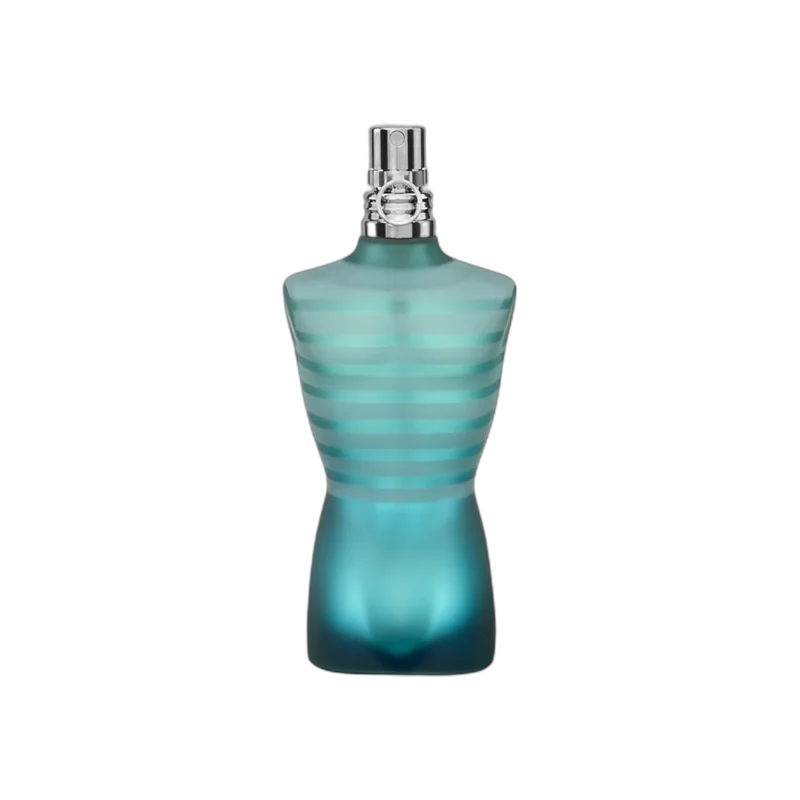
Le Male Eau De Toilette
Jean Paul Gaultier's 1995 fougère blockbuster, one of the best-selling men's fragrances of the last three decades and still the most recognisable lavender in a department store. The sailor-torso bottle is the obvious talking point, but the juice did the work: lavender and mint over a warm, almost candied vanilla and tonka base, with bergamot and cardamom anchoring the open. Perfumer Francis Kurkdjian, then early in his career at Quest International, threaded lavender through a sweet amber heart in a way that made the genre feel fresh rather than barbershop-dated, and it landed as the defining lavender-vanilla of its era. It wears masculine but softly so, the sweetness pulling it away from any austerity, and it projects with enough confidence to announce itself without being aggressive. Longevity is respectable on skin and much better on fabric. The EDT is the classic concentration and still the most widely stocked version; the numerous flankers and limited editions that have followed sit in the shadow of the original. For anyone new to lavender or simply after the crowd-pleasing version of it, this is the obvious starting point and the bottle that introduced an entire generation to the note.
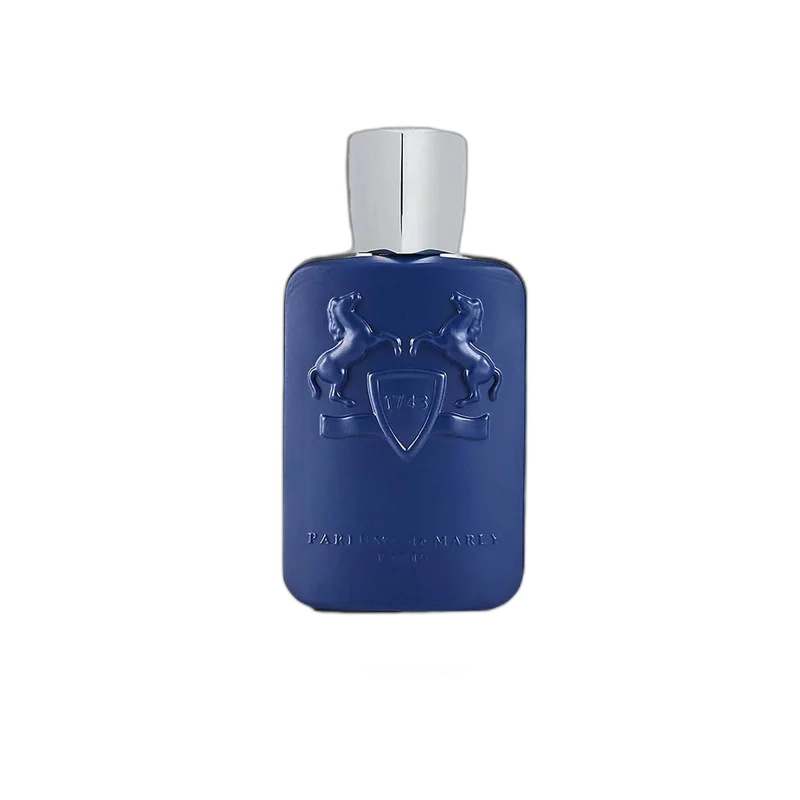
Percival
Parfums de Marly's 2018 masculine and the house's most crowd-friendly lavender, a polished take that marries the classic fougère structure to the powdery, warm aesthetic the Paris house does across its whole range. Percival opens with a bright bergamot-led burst before lavender, geranium and a woody violet settle in, giving it that slightly dressy, old-school opening note. The base is where it wins the room: soft musk, white amber and sandalwood wrap the lavender heart into something cosy and projecting, never austere, never powdery to the point of ageing. It is frequently described as a crowd-pleaser in the best sense — broadly wearable, inoffensive to anyone nearby, and with the kind of longevity that justifies the prestige price. It wears masculine but leans close to unisex in the drydown, and it holds its own in any weather, though the warmer months suit it best. Parfums de Marly positions Percival as a daytime and office scent, and the sillage backs that up, present but not overbearing, a polished statement rather than a statement of dominance. For anyone after a modern lavender that plays to a crowd without sacrificing quality of materials, this is the most reliable pick in the line-up.
The commercial mainstream of lavender fragrance runs through two periods, and Le Male is the hinge between them. Before 1995, lavender was largely an ingredient in structural masculines: aromatic fougères, colognes, aquatics. Le Male made it the star of a sweet, projecting, unapologetically crowd-pleasing fragrance that sold in enormous quantities and spawned a wave of imitators. The lesson every perfumer took from it was that lavender plus vanilla plus confident projection equals mass appeal, and the decades since have confirmed that formula more times than anyone has counted. You can read more about the house's full output in our Jean Paul Gaultier guide.
Parfums de Marly Percival is the modern inheritor of that same instinct, arriving in 2018 with a more polished execution and a prestige price to match. The house's signature is warm, amber-tinged sweetness, and Percival applies that to lavender with skill: the fougère bones are still there, but the sandalwood and soft musk base gives it a contemporary dressy feel that Le Male, with its louder vintage sweetness, does not quite have. Both are heavily stocked through the retailers we track, and both generally come in well under full retail on live price checks.
The References: Lavender Without the Marketing
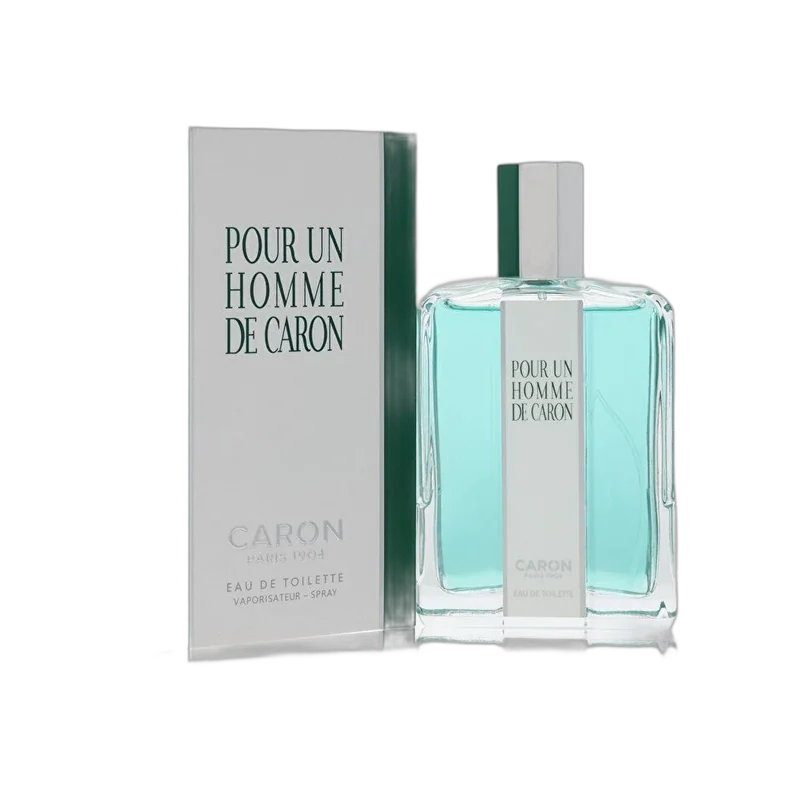
Pour Un Homme De Caron 1934 Eau De Toilette
The reference lavender, full stop. Caron Pour Un Homme has been in continuous production since 1934, which makes it one of the longest-running fine fragrances still available, and in that time it has set the template that almost every lavender masculine has worked from or against. The formula is bare: French lavender over a warm vanilla and white musk, no clutter, no clever modernity. Perfumer Ernest Daltroff built something that smells simultaneously old and completely unwearable-with-irony — it is just a very good lavender. What it lacks in contemporary edge it repays in authority, the kind of scent that makes recent releases feel like they are trying too hard by comparison. It wears close and calm once the initial lavender brightness settles, and the vanilla keeps it from reading medicinal. Performance is modest by today's standards, a few hours on skin before it fades to a quiet hum. The bottle and packaging have evolved over the decades but the juice has remained stubbornly consistent through reformulations that have claimed far newer scents. For anyone building a serious lavender wardrobe, or simply curious what the whole genre is built on, this is the place to start.
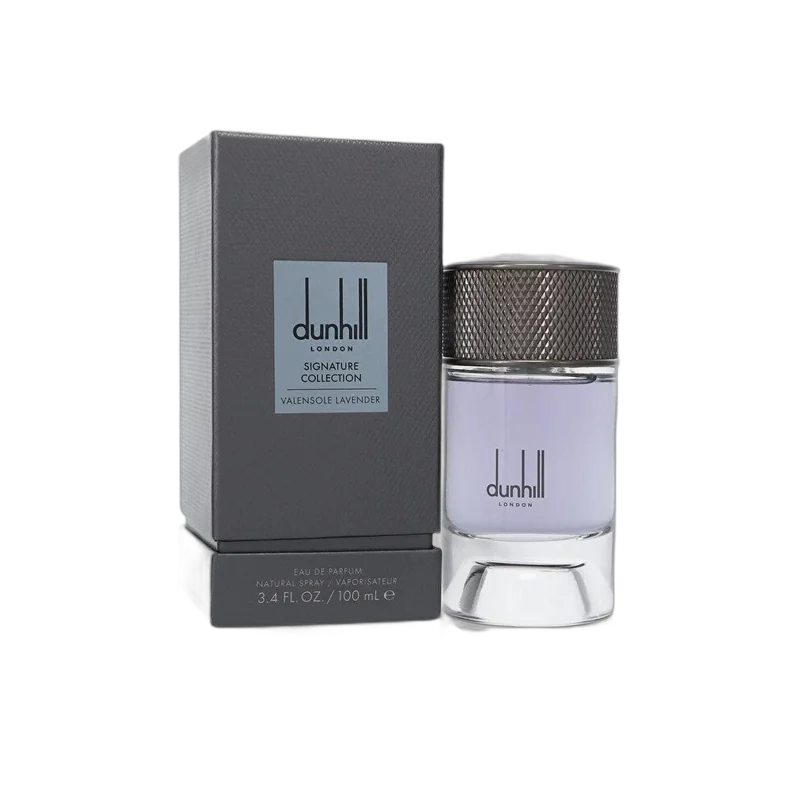
Valensole Lavender
Dunhill's 2020 single-origin lavender, the most focused and geographically specific bottle on this list. Valensole Lavender is named for the plateau in Haute-Provence that produces some of the world's most coveted fine lavender, and the brief was simple: let that material carry the fragrance without overwhelming the nose with supporting accords. The opening is bright, slightly herbal and faintly cool, very close to walking past a lavender field at the height of summer. Bergamot and a clean citrus lift give it air at the top, before a warm woody base of cedarwood and vetiver grounds it without pulling it sweet or powdery. It is the opposite of Le Male in almost every way, with no vanilla, no sweetness, very little warmth in the base, just lavender material done with restraint and a sharp drydown. Performance is honest rather than impressive, a moderate projection and a few hours on skin, which suits a transparent lavender like this. Dunhill positions it as an accessible quality proposition and the price reflects that. For anyone who wants to wear lavender as a single-material statement rather than a component of a fougère accord, and for those who find the sweeter picks too confected, this is the most direct route.
To understand what lavender actually smells like when a house is not trying to make it appealing to the widest possible audience, you need to spend time with the two reference points on this list. Caron Pour Un Homme has been in production since 1934 and has outlasted the entire modern fragrance industry as we understand it. Its formula has seen revisions over the decades, as all old formulae have under IFRA pressure, but the argument has not changed: lavender plus vanilla, nothing superfluous. It is the kind of fragrance that makes you understand why people talk about restraint as a virtue.
Dunhill Valensole Lavender approaches the same territory from the other end of the timeline. Where Pour Un Homme is a ninety-year-old formula that wears its age with confidence, Valensole Lavender is a 2020 single-origin exercise that uses the Provence plateau as its entire brief. The result is cooler, drier and more transparent: lavender as a geographical fact rather than a genre convention. Neither of these is trying to win the room the way the blockbusters do, and that is precisely the point. They are worth smelling back-to-back because the contrast illustrates the full range of what a lavender without sweetness, crowd-appeal or ambition can be. The spicy fragrances guide covers a related corner of the aromatic world if you want to see how these structural elements travel into different territory.
The Modern Unisex Turn
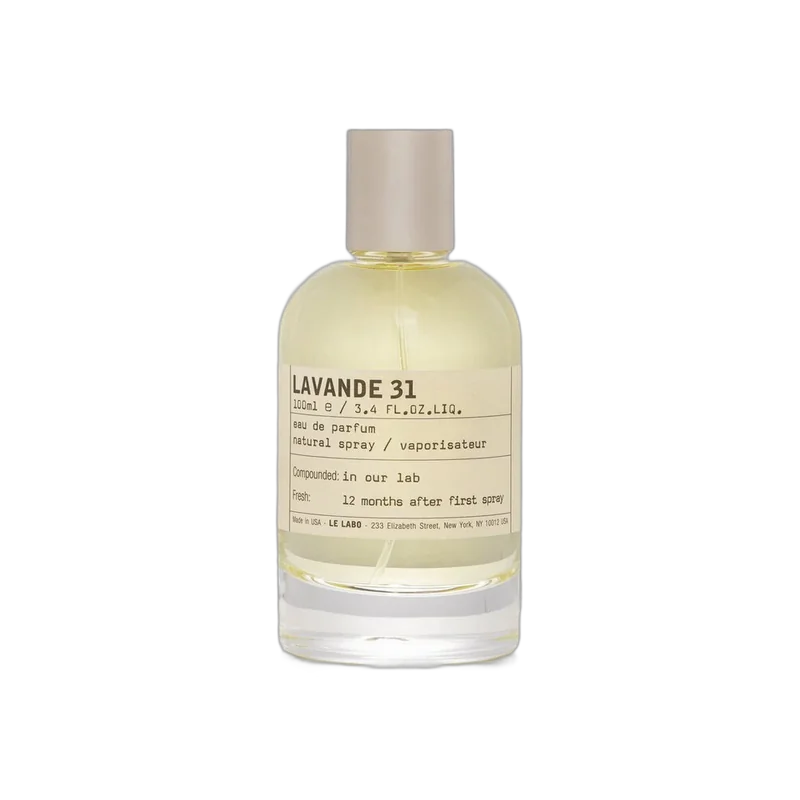
Lavande 31
Le Labo's 2023 lavender and the house's clearest argument that the note is not done evolving. Lavande 31 wears as a deliberately spare, meditative lavender, built around a high-quality Provençal material that the New York house let breathe rather than buried in the usual amber or vanilla base. There is a herbal, almost camphoraceous quality to the opening, lavender at its most botanical and least perfumed, before a clean musk and a trace of cedar give it structure underneath. The 31 in the name follows the house convention of numbering each formula by its ingredient count. It is the least sweet lavender on this list and the most unisex in the true sense: no gender architecture, no softening sweetness, no conventions borrowed from the fougère playbook. Performance is moderate rather than beast-mode, which suits the material. For wearers who have bounced off the sweeter, vanilla-anchored lavenders and want the note at something closer to its raw form, or for anyone after an undisputed unisex interpretation that does not try to please everyone at once, Lavande 31 is the considered choice.
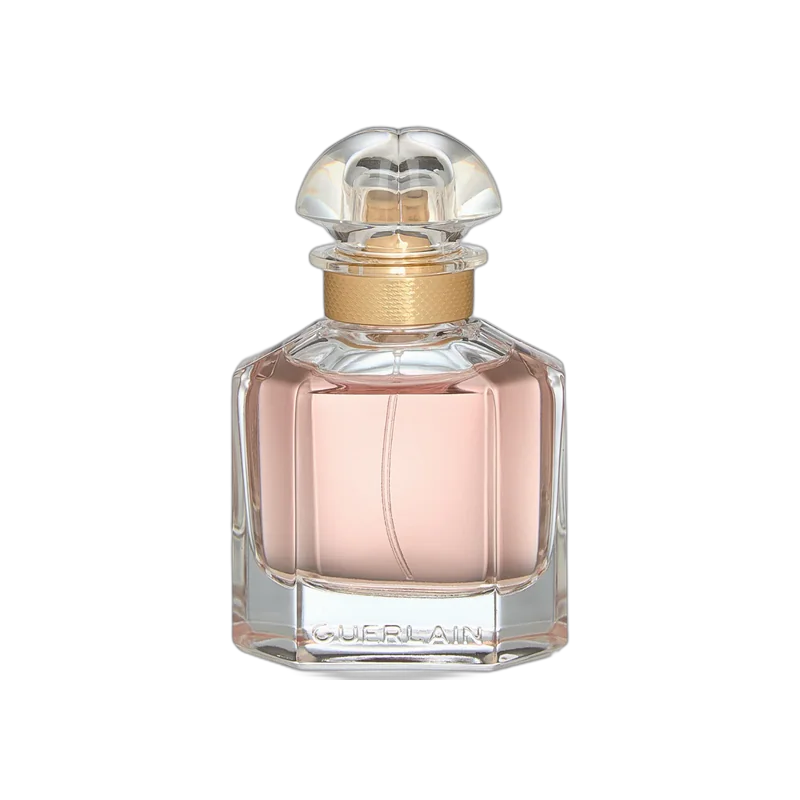
Mon Guerlain Eau De Parfum
Guerlain's 2017 feminine pillar is built on two very specific materials: Tahitian vanilla and a lavender sourced from Provence. Composed in-house by Thierry Wasser and Delphine Jelk, Mon Guerlain uses the lavender not as the headline but as the thing that keeps the vanilla clean, aromatic and grown-up rather than gourmand or sweet. Sambac jasmine softens the heart, coumarin and sandalwood add a powdery warmth underneath, and the whole accord sits close to skin rather than projecting. That restraint is the point, because this is lavender worn in daylight, at a desk, in contexts where the boozy and barbershop interpretations would be too much. Fronted by Angelina Jolie and made entirely in-house, it became one of the maison's best-sellers of the decade and anchors a long line of flankers, the Bloom of Rose and Intense among them. The faceted quadrilobe bottle nods to Guerlain's heritage flacons while keeping the overall look contemporary. For anyone wanting lavender on the feminine or unisex end of the dial, worn quietly with vanilla as a supporting player rather than a co-lead, Mon Guerlain is the gentle and polished option here.
The most significant thing lavender has done in the last decade is shed its assumed gender. The fougère genre was masculine by convention from the start, and the mainstream blockbusters have always been marketed accordingly, even as plenty of women have worn Le Male and its kin without a second thought. What changed in the 2010s and 2020s was the willingness of niche houses to present lavender without any gender framing at all.
Le Labo Lavande 31 is the clearest statement of that shift. The New York house has always positioned its city editions as material studies rather than wearable accords, and Lavande 31 follows that logic with unusual rigour: no vanilla, no coumarin sweetness, no amber base borrowed from the fougère tradition, just a high-quality Provençal lavender worn as something close to its natural state. It is demanding in the way that very literal raw-material perfumery tends to be, and it is the one on this list most likely to divide opinion between those who find it quietly beautiful and those who feel they have sniffed something unfinished.
Guerlain Mon Guerlain makes the opposite case from the feminine end of the market. Here lavender is the element that stops a Tahitian vanilla from reading as gourmand, keeping the accord clean, aromatic and grown-up rather than dessert-sweet. It is the quietest fragrance on this list in terms of projection and it is deliberately so, worn close to skin and suited to offices and daylight hours when the blockbusters would be too assertive. The two unisex approaches are instructive precisely because they are so different: one removes every softening element to expose the botanical material, the other uses lavender as a moderating influence within a warm, feminine accord. Both make the case that the note belongs to nobody in particular.
How to Choose the Right Lavender
The single most useful question when choosing between these six is how much sweetness you want in your lavender. Le Male and Percival are the high-sweetness end of the range, lavender anchored by warm vanilla and tonka bases that project and please. Pour Un Homme is the middle path, vanilla present but restrained, the note taking precedence without either austerity or confection. Dunhill Valensole Lavender is the dry, sweet-free option: lavender as a woody-herbal study, the most austere pick here. Lavande 31 sits in a similar cool register but with a modern niche sensibility rather than a traditional masculine one. Mon Guerlain is the only pick where lavender is genuinely supporting rather than leading, used to keep a vanilla fragrance from reading as sweet.
On value, Le Male and Percival are both well stocked and the live prices we track across retailers reflect that competition; neither requires paying full retail. Pour Un Homme and Valensole Lavender sit in the mid-range and represent excellent quality for the price, especially for anyone who wants something less ubiquitous. Lavande 31 and Mon Guerlain are at the prestige end, and both reward sampling before committing, since close-wearing skin scents can vary considerably from person to person.
If you are genuinely new to lavender as a category, start with Le Male and work outward. If you have worn the mainstream lavenders and want to understand where the note comes from and what it sounds like stripped of the genre conventions, Pour Un Homme is the correct next step. The niche and reference options reward anyone willing to spend time with them, which is not the same as saying they suit everyone.
Compare lavender fragrance prices across every retailer on Aurexum