
Best Ormonde Jayne Fragrances
The London House That Never Needed a Campaign
Ormonde Jayne is not easy to find in a department store. That is deliberate. Linda Pilkington founded the house in 2002 out of a shop on The Royal Arcade in London's Mayfair, and in the more than two decades since she has grown it into one of Britain's most quietly respected niche operations without a celebrity ambassador, a department-store concession programme, or a social media strategy built on viral moments. The house's reputation rests entirely on its work.
The identity Pilkington built early and has maintained without visible drift is materials-first: sourcing unusual ingredients, then composing around what those materials actually do rather than what trend or brief a fragrance is supposed to satisfy. The resinous Tolu, from the opening year, foregrounded a balsam that almost no other contemporary house was working with. The Nawab of Oudh, arriving a decade later, handled oud with a restraint that sat at odds with the smoky-heavy style then dominating the Middle Eastern-influenced market. Damask used the damascena rose without sweetening it into mass-market accessibility. These are decisions made from a specific aesthetic position, which is why the house has a collector following rather than a casual one.
That positioning has a practical consequence for buyers: Ormonde Jayne ages well and attracts a secondary market. The fragrances that appeared in the early years of the house still circulate through the retailers we track, often at prices below the current boutique ticket, which makes the back catalogue worth investigating alongside the recent releases. For a full map of where Ormonde Jayne sits among its London contemporaries, our guide to the best British fragrance houses covers the landscape in more depth.
What the House Actually Smells Like
There is a recognisable thread running through the Ormonde Jayne line that is easier to describe in terms of what the house avoids than what it pursues. The fragrances are rarely sweet in the contemporary designer sense: there is no ethyl maltol sweetness, very little gourmand excess, and the florals are built to read as the material itself rather than as an amplified, stylised version of it. The house tends toward warmth rather than freshness, toward depth rather than brightness, and it has a strong preference for materials that behave differently on skin over time rather than projecting one clear accord from spray to dry-down.
That last quality is what rewards sampling before buying. Several of the fragrances on this list — Levant and Tolu especially — open in a register that does not fully communicate what they become after an hour of wear. The secondary and tertiary stages are where the house's craft is most visible, in the way a resinous base develops a particular warmth, or in the way the rose in Damask shifts from full-blown floral to a skin-close intimacy. This is not fragrance built for a thirty-second counter evaluation.
The six fragrances here cover the principal registers the house works in: the modern rose and lighter florals at one end, through the travel-inspired warmth of Levant, to the amber, the founding-era resinous classic, and the prestige oud. They are grouped below by character.
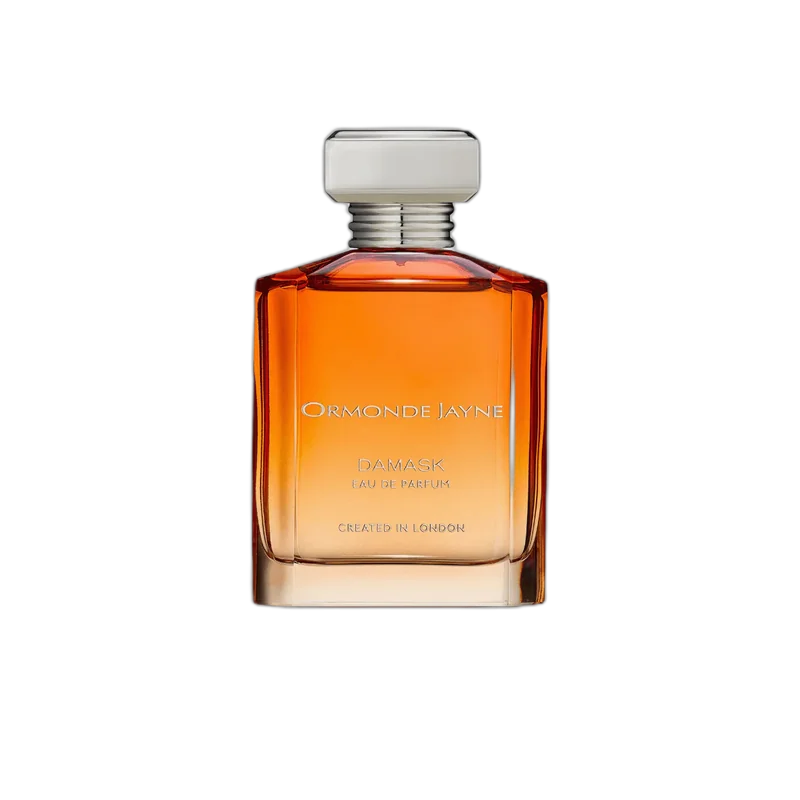
Damask Eau De Parfum
Released in 2020, Damask is the perfume most people reach first when they want to understand what Ormonde Jayne actually does with a rose. This is not the sharp, thorny damascenone of many rose florals, nor the sugar-drenched version that dominates the designer floor. It is a plush, full-bodied rose with real presence, built around the damascena material that gives the fragrance its name, cushioned by musks and a warm base that keeps the whole thing from reading as simple. The opening is immediate and a little heady, then it settles into a dense, rosy warmth that carries without broadcasting. It wears feminine-leaning but sits comfortably in unisex territory for anyone comfortable in big florals. Performance is a solid house-level strong, projecting steadily for the first several hours before tapering into a skin-close rose that lingers well into the second half of a day. The bottle, in Ormonde Jayne's clean tubular format, is understated rather than ornate. For fragrance shoppers curious about the house and drawn to rose, Damask is the natural introduction, a cleaner entry than the resinous depth of Tolu or the complexity of the Nawab. Set beside the sugared rose ouds crowding the niche floor, it is the grown-up alternative, a rose that trusts the flower alone.
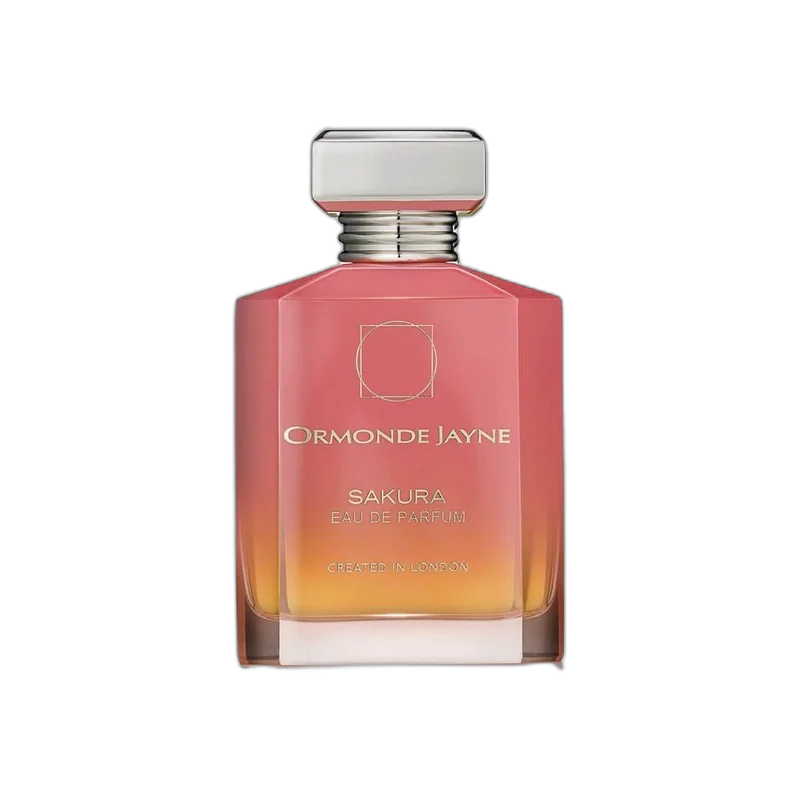
Sakura
Cherry blossom done without sentiment is a harder brief than it sounds, and Sakura, released in 2022, makes a good argument that Ormonde Jayne handled it well. Where most sakura fragrances tip into fruity-sweet or musky-clean territory, this one holds a more structural quality, the blossoms rendered as a light floral with a faintly powdery core rather than as fruit or candy. There is freshness in the opening, delicate but not thin, and the heart settles into something soft and a little almond-inflected in the way Japanese florals sometimes are, without ever becoming gourmand. The drydown is clean and musk-backed, wearing close and quiet but with genuine persistence, a soft skin scent rather than a projection weapon. It suits daytime and warmer weather, one of those transparent fragrances that stays pleasant through a full day rather than disappearing after an hour. The gender framing reads feminine but the restraint makes it liveable for anyone who finds Damask too heavy and wants a lighter register from the house. As the most recently released fragrance on this list, Sakura extends the house's materials-first approach into territory the line had not previously owned. It works as a warm-weather signature and quiet office wear, the choice for days when Damask would read too loud.
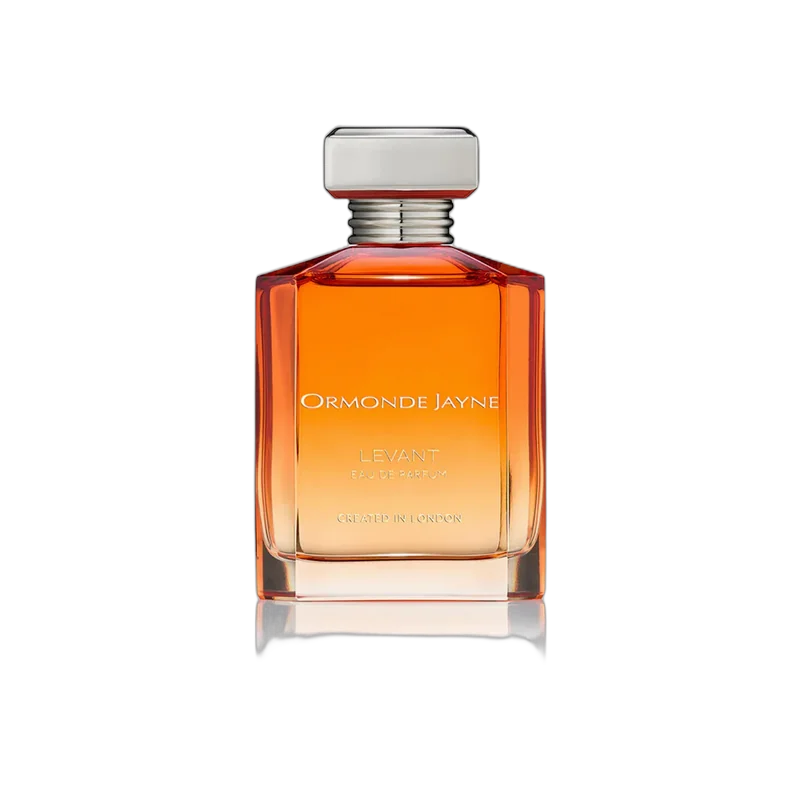
Levant Eau De Parfum
Levant came out in 2020 alongside Damask, but the two share almost nothing in character. Where Damask pivots fully into rose, Levant is warmer, spiced and geographically oblique, a reference to the eastern Mediterranean that expresses itself through resins and a sun-dried woody quality rather than any single identifiable bloom. The opening carries a spiced edge with citrus brightness, and the heart develops a creamy, amber-warmed woodiness that feels genuinely considered rather than generically oriental. It rewards wearing rather than sniffing at arm's length, building into something more complex on the body than the first impression suggests. Performance is solid, lasting the better part of a day with moderate projection, comfortable in cooler months but not so heavy it becomes suffocating in transitional weather. The gender framing is unisex in practice: nothing here reads emphatically one way or the other. For buyers who find rose florals or clean musks uninteresting and want something with material weight and a faintly resinous warmth, Levant is the pick from the 2020 pair. Damask took the attention and the reputation on release, yet Levant is arguably the more distinctive of the two, the sleeper of the pair that collectors tend to reach for second and then keep.
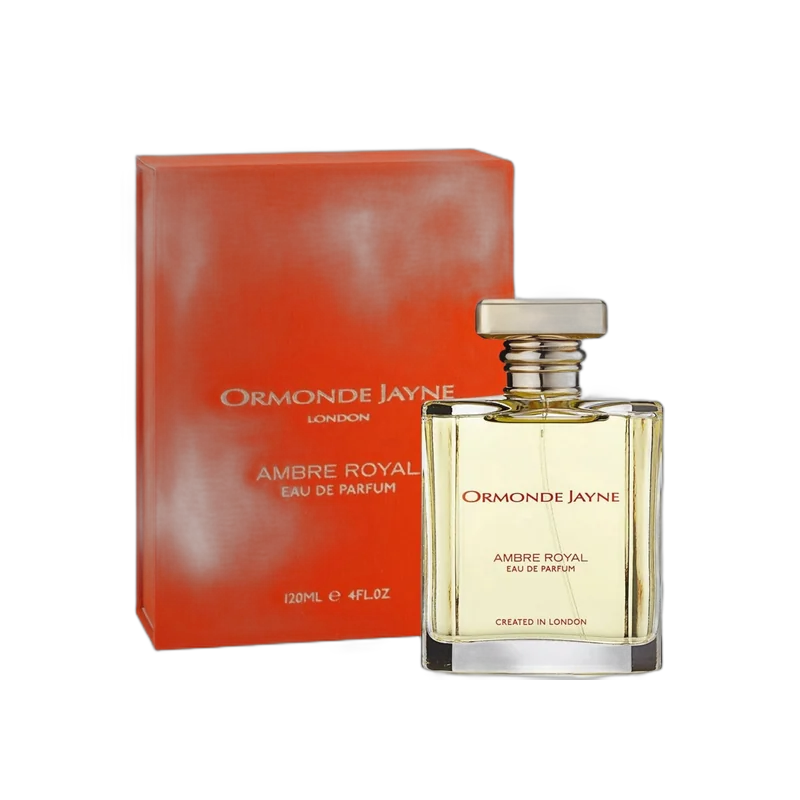
Ambre Royal Eau De Parfum
Ambre Royal from 2016 is the house's plainest statement of what an amber can do when it is not sweetened or gourmandised into submission. The opening is warm and a little dry, resins and labdanum giving it that characteristic amber gravity, and the drydown is smooth and quietly animalic in a measured, contemporary way rather than the aggressive approach of older oriental classics. The base reads as rich but never heavy, which is the balance the house consistently targets across the resinous side of its line. It belongs to the cooler months rather than summer, though the restrained projection keeps it office-appropriate where heavier orientals would not. Longevity is good and representative of the house's general standard, holding through most of a day without demanding attention. This is the fragrance for buyers who already know what amber is as a family, have perhaps worn a Shalimar or a similar classic, and want to see how a small British house approaches the same tradition with different materials and less sweetness. It is a connoisseur's amber, quiet and assured, and it tends to be priced attractively on the secondary market relative to its boutique ticket. A slow-burn recommendation that earns its place on a shelf rather than winning it on first impression.
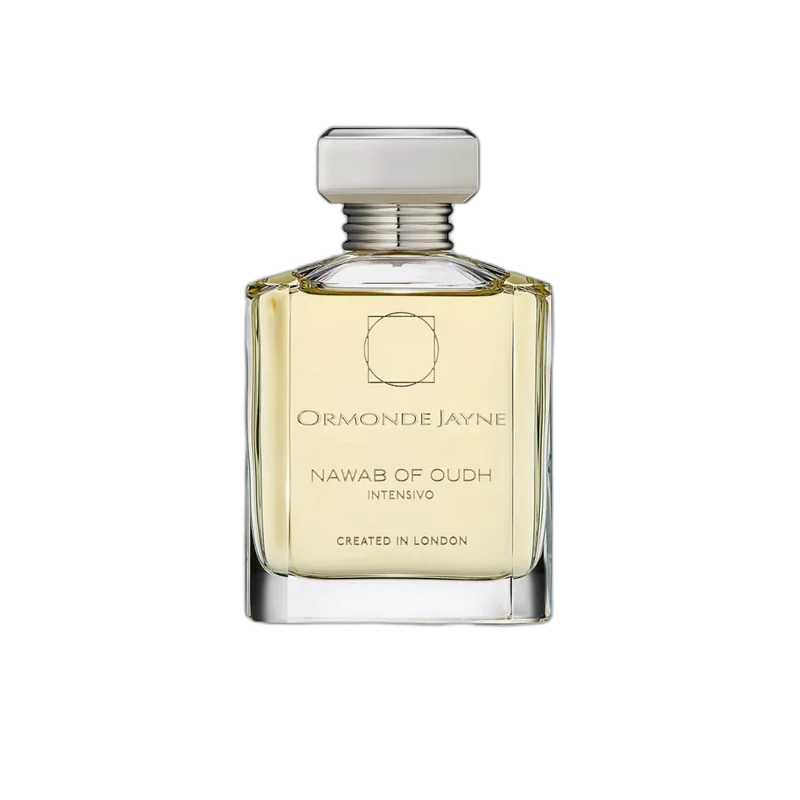
2 Nawab Of Oudh Parfum
The prestige position in the Ormonde Jayne line belongs to 2 Nawab of Oudh, and it earns that place by taking the approach to oud that defines the house: restrained, considered, and entirely uninterested in the smoky-barn excess that makes many oud fragrances unwearable to Western noses. Released in 2012, it has been the house's benchmark statement of what Linda Pilkington's materials-first philosophy looks like when applied to a genuinely expensive ingredient. The oud reads as smooth and slightly rosy rather than harsh, surrounded by other resins and woods that allow the central material to speak without overwhelming everything around it. The name gestures at Mughal-era opulence and the fragrance carries that register well, close and warm and persistent on skin, projecting with authority for hours before settling into a long, dry-woody finish. It is not a first oud, and it is not trying to be. For anyone already familiar with what the material can do and curious how a small British house handles it, this is a carefully considered and accomplished answer. The retailers we track show it meaningfully below boutique prices, making the prestige tier genuinely accessible rather than aspirational. A single bottle-worthy purchase for a serious collector.
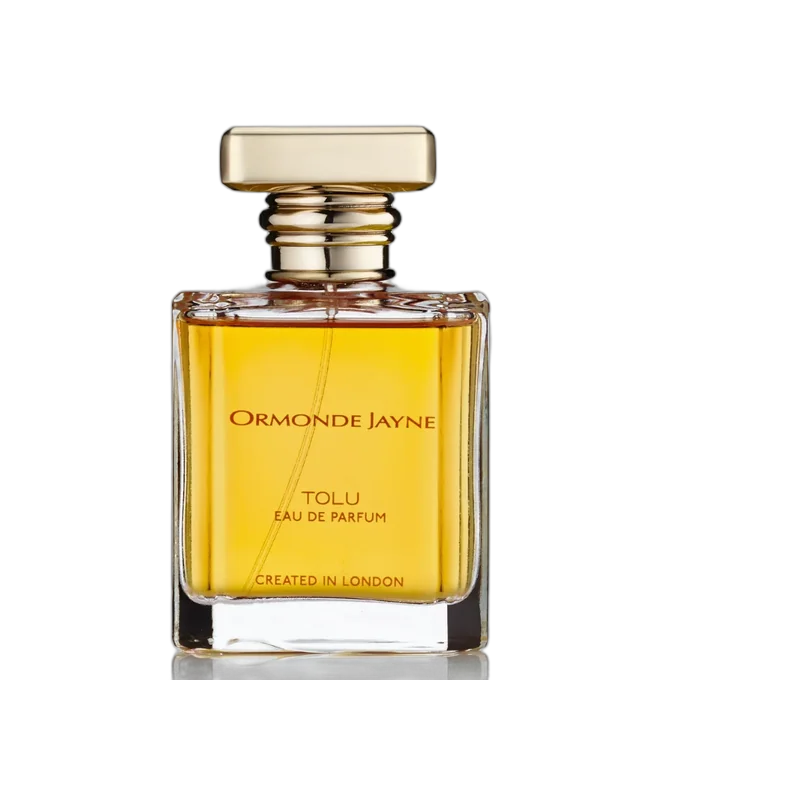
Tolu Eau De Parfum
Tolu from 2002 is one of the earliest Ormonde Jayne releases and remains, more than two decades later, one of the best cases for the house's founding identity. Named for tolu balsam, the resinous exudate from a South American tree, it foregrounds that material the way the house has always treated unusual ingredients: not as novelty but as structure. The balsam gives it a warm, honeyed and slightly medicinal sweetness that reads like old paper and dried flower petals, quite unlike the synthetic ambers that dominate the oriental category now. A little vanilla and spice round the opening and the whole thing dries into a soft, woody resinous warmth that improves through wear. Performance is better than many assume from a twenty-year-old formula, holding for a respectable stretch without going sharp or stale. It belongs to autumn and winter without question. Tolu has a collector following among people who track the early niche era, when small houses were built around single interesting materials rather than marketing strategy. It is the oldest fragrance on this list and the one that most directly explains, in a single wearing, what Ormonde Jayne was founded to do. Twenty years on it reads like a thesis statement, the release the whole line traces back to.
The Rose and the Lighter Florals
Damask and Sakura sit at the softer, fresher end of the Ormonde Jayne line and are the natural entry points for buyers who find the resinous depth of the house's other work too heavy for daily use. Damask is the more substantial of the two: a serious, full-bodied rose with the kind of density that rewards wearing on cold nights and during autumn. It is the house's clearest statement that a rose can be grown-up and material-forward without needing spice or sweetness to make it interesting. For context on where it fits within the broader modern rose conversation, our list of the best rose fragrances covers many of the obvious comparisons across price tiers.
Sakura is the counterpoint and serves a genuinely different function in a wardrobe. Where Damask projects and commands space, Sakura is intimate and transparent, the kind of fragrance you are aware of on your own skin rather than the room being aware of on you. The two could easily coexist, covering different seasons and different moods rather than duplicating each other. Both are well priced at the live rates the retailers we track are offering, and both are meaningfully below the boutique price that discourages casual exploration.
Warmth and Resin: Three Different Answers
Levant, Ambre Royal and Tolu occupy the warm, resinous territory that forms the house's most distinctive register, but they arrive at that warmth from different angles and feel quite different when worn.
Levant is the most dynamic of the three, with a spiced, amber-warmed development that shifts through the day. It is the fragrance for someone who wants oriental warmth but not the static quality many ambers have, the sense of wearing one fixed accord from morning to evening. Ambre Royal is the most classical, leaning into the restrained, slightly animalic quality of labdanum and resins without the sweetness that characterises most contemporary ambers. It sits in the same tradition as the great amber classics without copying them directly. Tolu stands apart from both, built on a single material that most contemporary houses have not used seriously, and the result reads like a conversation with early niche perfumery rather than with what is current.
All three are cold-weather fragrances and all three reward patience. The live prices on the retailers we track are generally well below what the Mayfair boutique charges, which changes the risk calculation on a full bottle considerably.
The Prestige Oud
2 Nawab of Oudh is the house at its most expensive and most specific, and it is not a fragrance pitched at someone encountering oud for the first time. The material is treated with the restraint that characterises every Ormonde Jayne release, smooth and complex and integrated rather than deployed as a bold top note. For a primer on the ingredient itself and how different houses approach it, our guide to what is oud is worth reading before committing to a bottle. The Nawab, approached with some existing familiarity with the material, is an impressive and lasting fragrance that sits at the restrained, more considered end of the oud category.
How to Choose
The most useful question to ask before navigating this list is which end of the house's range appeals to you and why. If rose and transparent florals are the draw, Damask offers density and seriousness in cold weather while Sakura handles lightness and everyday wear in warmer months, and both are the easiest entry points to the house. Those after resinous warmth have three routes: Levant when movement and development through the day appeal, Ambre Royal when a clean and classical amber is the aim, and Tolu when the specific curiosity is what a small house can do with one unusual material as its spine. The prestige tier answers to a single name, 2 Nawab of Oudh, though it is worth sampling before buying because oud reads variably on different skin and the investment warrants knowing in advance, and at current live rates the gap between this and a serious designer purchase has narrowed considerably.
Value is worth weighing across the board, because Ormonde Jayne is one of those houses where the grey-market channel genuinely changes what is accessible. The boutique prices for these fragrances are not punishing by niche standards, but the live prices our retailers are showing are frequently a meaningful step lower, making the range worth exploring at a lower barrier of commitment than the Mayfair shop would suggest.
Compare Ormonde Jayne prices across every retailer on Aurexum