
How to Layer Fragrances
Can You Actually Wear Two Fragrances at Once?
Yes, you can wear two fragrances at once, and the trick is pairing one simple scent with a more complex one rather than stacking two loud statements on top of each other. Layering goes wrong when people spray two finished, busy compositions together and expect them to blend; it goes right when one scent leads and the other supports, sharing enough common ground that they read as a single richer thing rather than a collision.
The whole practice is less mysterious than it sounds. Perfumers already build in layers, dozens of materials arranged so a citrus opening gives way to a floral heart and a woody base. When you layer two ready-made fragrances you are doing a crude version of the same thing by hand, sequencing accords that the perfumer never intended to meet. Done with a light touch and a bit of logic, it lets you tune a scent to the day, warm up something thin, or make an old bottle feel new. Done carelessly, it just muddies two good fragrances into one confused smell that pleases nobody.
This piece covers why layering works, the handful of rules that keep it from going wrong, five combination archetypes worth knowing, and the mistakes to avoid. Three bottles run through it as working examples, each standing in for a different role in a pairing rather than a specific recipe to copy.
Why Layering Works at All
Fragrance is just a mixture of volatile materials, and adding a second bottle changes the ratio of what is in the air around you. That is the entire mechanism. Spray a warm vanilla and then a fresh citrus over it and you have not created a chemical reaction so much as changed the balance, pushing brightness up top while the sweetness hums underneath. Nothing magic happens; you are editing the proportions of an accord in real time.
What makes some pairs sing and others sink is overlap. Two fragrances that share a note or two have a bridge between them, a common thread the nose can follow so the whole thing reads as continuous rather than as two separate smells arriving at once. A vanilla and a gourmand amber share warmth and sweetness, so they knit together easily. A sharp aquatic and a smoky leather share almost nothing, so they sit side by side and argue. Before you spray anything, it is worth asking what the two scents have in common, because that shared material is the glue.
The other half of the answer is intensity. A quiet scent and a loud one layer beautifully because the quiet one has room to work underneath without competing. Two quiet ones can blend into something even softer and closer. It is two loud, fully-built fragrances that cause the trouble, each demanding to be the whole picture. Before you experiment at all, it helps to have your basic technique sorted, and we covered spray placement and dosage in how to apply fragrance, because layering only compounds the mistakes a heavy hand already makes.
The Rules That Keep It From Going Wrong
There are really only three, and they all follow from what is above. The first is one dominant, one supporting. Decide before you spray which fragrance is meant to lead and which is there to modify it, and dose accordingly. The supporting scent gets fewer sprays, or goes down first as a base for the lead to sit over. When both are sprayed equally and loudly, neither leads and you get mud. Layering is not a democracy.
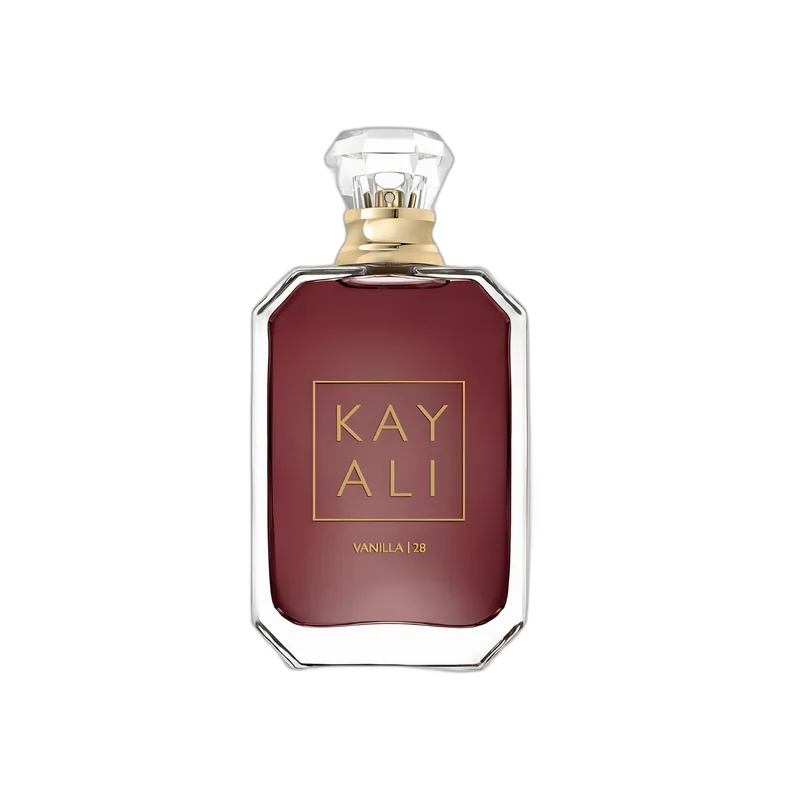
Vanilla 28 Eau De Parfum
Kayali's 2018 vanilla and the cornerstone of a house built around the idea of combining scents rather than choosing one. Founded by beauty entrepreneur Mona Kattan, Kayali numbers its bottles like ingredients so wearers can stack them, and Vanilla 28 is the base most people start with. It is a warm, boozy gourmand vanilla laid over brown sugar and a touch of tonka, with a jammy edge and a faint musk that keeps it from turning flat. Worn on its own it reads sweet and comforting rather than complex, which is precisely the point of a layering base. It is designed to sit underneath something busier and lend it warmth without fighting for the lead. Performance is strong for a vanilla this rich, projecting well for the first hours and hanging on the skin for most of a day, and it holds even better under a second scent sprayed above it. The frosted, faceted bottle matches the house's stackable pitch. For anyone learning to layer, this is the obvious anchor to own first, the sweet foundation that flatters almost anything you put on top of it and rarely clashes with a thing.
Vanilla 28 is the classic supporting base, the reason this whole idea has a following. Kayali built its house around numbered, stackable scents precisely so a warm vanilla like this can sit underneath something busier and lend it depth without stealing the lead. Spray it first, then bring a more complex fragrance over the top, and the vanilla warms and rounds whatever you put on it while staying in the background. That is the archetypal layering base at work, sweet, broad and happy to support rather than shout.
The second rule is to look for a shared note bridge. The easiest successful pairs have an ingredient in common, a musk, a vanilla, an amber, a citrus, that lets the two scents read as one. If both contain some warm amber, they will knit at the base. If both have a citrus top, they will lift together. When you cannot find any common ground at all, that is usually a sign the two were not meant to meet.
The third rule is about placement, and it is the one people get wrong most. You do not spray one fragrance directly on top of the other on the same patch of skin. Layer them on nearby but separate spots, one on the chest and one on the neck, or one on each side, so they mingle in the air as they rise rather than physically pooling into a single wet smear. Sprayed on top of each other on one spot, the alcohol and oils fight and the blend turns heavy and off. Give each a little space and let your own warmth do the mixing.
Five Combinations Worth Knowing
Rather than name specific pairings, it is more useful to learn the archetypes, the roles a scent can play, because once you know the roles you can apply them to whatever is already on your shelf.
The first is vanilla under anything. A soft, sweet vanilla base is the most forgiving thing to layer with, because warmth flatters almost everything and vanilla rarely clashes. Put it under a floral to make the flower creamy, under a woody scent to soften the dry edges, under a spicy oriental to round it out. It is the reason a vanilla is the first bottle most people buy for layering.
The second is musk as an amplifier. A warm, slightly animalic musk sprayed under or over a simpler scent adds body, longevity and a low hum of skin that makes the whole thing feel more expensive and more yours.
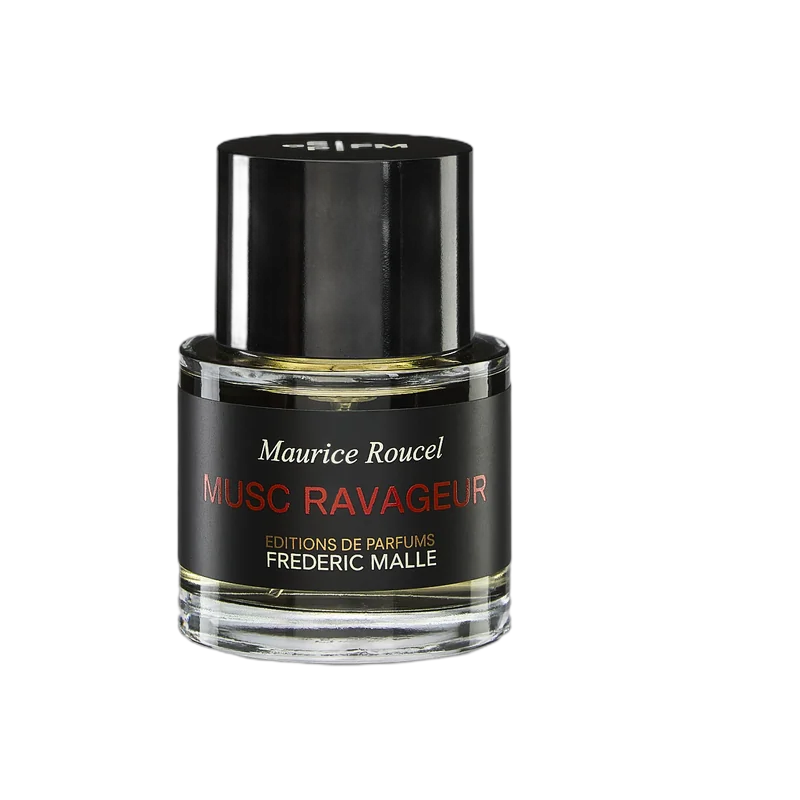
Musc Ravageur Eau De Parfum
Frédéric Malle's 2000 musk and one of the best amplifiers you can pair with anything softer than itself, composed by Maurice Roucel for the Editions de Parfums line. Roucel built Musc Ravageur as a warm, animalic musk wrapped in vanilla, cinnamon and clove, with a lavender and bergamot open giving way to amber, tonka and a plush sandalwood base. It is far dirtier and warmer than the clean white musks most people expect, a skin-scent musk with real heat and a slightly barbershop-spiced edge that reads unabashedly retro. Worn alone it is confident and close-wearing rather than loud, but its real trick is what it does above or below a simpler scent, turning a plain vanilla or a thin citrus into something with depth and a low animal hum. It projects moderately and lasts most of a day, leaning cold-weather and evening though plenty wear it year round. As part of Malle's editions-driven house it carries the perfumer's name up front, which is the whole conceit. For upgrading a quiet base or adding warmth to a fresh scent, few musks pull the weight this one does.
Musc Ravageur is the archetype here, a warm musk composed by Maurice Roucel with vanilla, cinnamon and clove worked through it. Worn alone it is confident and close, but its real gift is what it does to a plainer scent above or below it, turning a flat vanilla or a thin citrus into something with warmth and depth. That is the amplifier role exactly, a supporting musk that lends heat and staying power to whatever it partners without taking over the top of the fragrance.
The third is the blank canvas. Some scents are so spare they function as raw material rather than finished perfume, a single molecule or a bare musk that slips under any composition and simply extends it. Jo Malone sells its whole range on a similar combining pitch, but the idea is at its purest in the single-molecule scents.
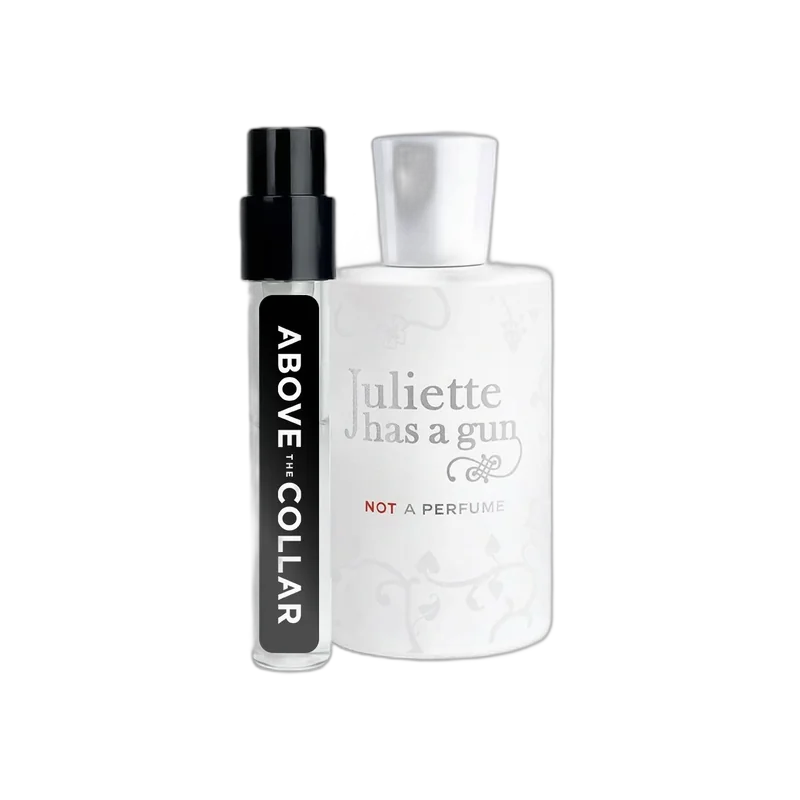
Not A Perfume Eau De Parfum
As a layering partner, nothing is simpler or harder to get wrong than Juliette Has A Gun's 2010 statement piece. Not a Perfume is a single material, the ambroxan-style molecule Cetalox, dosed generously and left alone, which makes it less a finished fragrance than a ready-made base note in a bottle. On skin it reads as a soft, faintly sweet, slightly salty warmth, the smell of clean skin amplified, and because there is nothing else in the formula there is nothing to clash with whatever you spray near it. That is the whole trick. Under a citrus it adds quiet duration. Under a floral it adds skin-warmth. Over a dense amber it stretches the drydown without changing its character. Worn alone it is subtle to the point of vanishing for some noses, a known quirk of the molecule, so treat it as an ingredient rather than the main event. Longevity is deceptively good, humming close to the skin for a full day and amplifying the scents layered above it. The Parisian house pitches it as an anti-perfume, but its real career is this supporting role, the blank canvas that makes almost any pairing work.
Not a Perfume is the reference for the role. It is one material, Cetalox, and nothing else, so it cannot clash with whatever sits above it. Sprayed under something with more going on, it adds a soft, skin-like warmth and a surprising amount of staying power while remaining essentially invisible, which is why a bottle that barely smells of anything turns out to be one of the most useful tools a layerer can own. That is the blank-canvas role, a base that supports everything and argues with nothing.
The fourth archetype is citrus to freshen a heavy amber, a bright top sprayed lightly over a rich base to cut through the sweetness and buy daytime wear from what would otherwise be a winter-only bottle. The fifth is a woody or incense base under a sweet gourmand, grounding the sugar so it reads grown-up rather than childish. In every case the logic is the same, one scent does the interesting work up top and the other supports it from below.
What Not to Do
The cardinal error is layering two dense, fully-built compositions and expecting them to behave. Two loud orientals, or a busy chypre over a busy gourmand, do not blend into a bigger fragrance; they fight, and the result is a heavy, indistinct fog where you can no longer read either scent. The fix is always to make one of the two the quiet partner. If both bottles are statement pieces, pick one for today and save the other.
The second mistake is chasing too many notes at once. Every fragrance you add multiplies the materials in play, and past three or four dominant accords the nose loses the plot. Two well-chosen scents almost always beat three. Restraint is the whole skill.
The third is layering on a fabric where you cannot undo it. Skin lets you wash a mistake off; a scarf sprayed with two clashing scents holds them for days. Experiment on skin first, and only commit a pairing to clothing once you know it works, the same way we suggest testing before you lean on fabric to make fragrance last longer.
How to Experiment Without Wasting Money
The reason layering has a reputation for being fiddly is that people try it with full bottles and get discouraged when a pair does not work. It is far smarter to test combinations from samples and decants, where a failed experiment costs a couple of dollars rather than a hundred. Buy small volumes of a versatile base or two, a vanilla, a musk, a clean fresh cologne, and try them under and over what you already own before committing to anything. We walked through the cheap, low-risk way to do this in how to sample fragrances, and it applies double to layering, because you are testing pairs rather than single scents.
Start with a proven base and add one thing at a time. Note which pairs read as one scent and which stay two. Keep the supporting scent light, respect the shared-note rule, and spray on separate spots rather than one on top of the other. A handful of good bases will let you tune almost anything on your shelf, and once you have found two or three pairings that genuinely work, layering stops feeling like guesswork and starts being the cheapest way to own far more scents than you actually bought.
Compare fragrance layering prices across every retailer on Aurexum