
How to Store Fragrance Properly
The Short Answer to Storing Fragrance
Heat, light and oxygen are what kill a fragrance, so the fix is simple: store your bottles cool, dark and sealed. The box a perfume came in, tucked inside a cupboard or a drawer, beats any display shelf you were tempted to line them up on. That is the whole rule, and everything below is just the reasoning behind it and the handful of situations where it needs a little nuance.
The reason this matters is that perfume is not stable the way most people assume. The alcohol and aromatic materials inside a bottle keep reacting slowly for years, and the speed of those reactions depends almost entirely on the conditions you keep them in. Get the storage right and a good fragrance will smell the way it did on day one for the better part of a decade. Get it wrong and you can dull an expensive bottle in a single hot summer on a windowsill. None of this requires special equipment or effort, only a change of habit away from displaying bottles and towards hiding them.
The Three Enemies
Every storage rule traces back to three culprits, and it helps to know what each one actually does.
Heat is the worst of them. Warmth accelerates every chemical reaction inside the bottle, driving off the lightest, most volatile top notes first and pushing the whole composition to age faster. A fragrance kept somewhere warm loses its bright opening long before its base, so it starts to smell flat and unbalanced, heavy on the deep materials with nothing fresh on top. Temperature swings are almost as damaging as constant heat, because the expansion and contraction they cause draws air in and out of the bottle. This is why the two warmest, most humid rooms in most homes, the bathroom and anywhere near a radiator or heater, are the worst places you can keep perfume.
Light, and ultraviolet light in particular, is the second enemy. It breaks down aromatic molecules directly and darkens the juice, which is why an old bottle left in the sun turns from pale gold to deep amber. That colour change is not harmless patina; it is a visible sign the fragrance inside has been altered. Clear and pale bottles are the most vulnerable, which is part of why so many houses ship perfume in a printed box in the first place. The box is not just packaging, it is a light shield, and keeping it is the single easiest thing you can do.
Oxygen is the slow, quiet one. Every time you spray, a little more air enters the bottle, and that oxygen gradually oxidises the top notes and thins the overall scent. There is nothing you can do to stop this entirely on a bottle you actually wear, but you can slow it. A tightly closed cap and a full bottle both help, because less headroom means less air. This is also the honest argument for buying smaller bottles of anything you wear rarely, since a 100ml you spray twice a year will oxidise long before you finish it.
Where to Actually Keep Your Bottles
The practical answer follows straight from the three enemies. You want somewhere cool, dark, dry and stable, which in most homes means an interior cupboard, a wardrobe, a chest of drawers or the bottom of a linen closet. An interior wall is better than an exterior one, and a spot away from windows, heating vents and appliances that give off warmth is better still. Keep each bottle in its box if you have it, standing upright so the juice is not sitting against the cap and sprayer, and you have done ninety per cent of the work.
The bathroom is the mistake almost everyone makes, and it is worth spelling out why. It feels like the natural home for grooming products, but it is the single most hostile room in the house for perfume. Showers spike the temperature and flood the air with humidity, and both cycle up and down several times a day. That constant heat and moisture ages a fragrance faster than almost anywhere else you could put it. If your collection currently lives on a bathroom shelf, moving it to a bedroom drawer is the most useful thing you will do all week.
Display shelves are the prettier version of the same error. A row of bottles catching the light on an open shelf looks wonderful and quietly degrades everything on it, especially if any daylight reaches the spot. If you genuinely want to display a collection, keep the everyday wearers out and store the valuable or discontinued bottles in the dark, because those are the ones you cannot simply replace.
Should You Keep Perfume in the Fridge?
This is the question that comes up most, and the answer is: for most people, no, it is unnecessary. A cool, dark cupboard already gives you almost all the benefit, and a normal fridge is opened and closed constantly and can carry food odours, so it is not the sealed vault people imagine. For the average collection, a drawer does the job without taking up shelf space in the kitchen.
There is one genuine exception. Lighter, citrus-heavy colognes and fresh summer splashes are the fragrances most prone to going off, because their bright top notes are exactly what heat and oxygen destroy first. Keeping those in the fridge, or in a small dedicated wine or beauty fridge if you are serious, can noticeably extend their life and gives a pleasant chill on a hot day. For a rich amber or a heavy oud, it makes almost no difference and is not worth the bother.
The one hard rule is the freezer: never put perfume in it. Freezing offers no benefit, and the extreme cold can throw materials out of solution or cloud the juice, and the temperature shock of moving a bottle between freezer and room heat is its own kind of damage. Cold is helpful in moderation and harmful at the extreme, which is the whole story.
Decants, Travel Atomisers and the Rules for Samples
Decants and travel atomisers follow the same logic with the volume turned up. A small atomiser has a high ratio of air to liquid and often a less airtight seal than a proper bottle, so what is inside oxidises faster. Treat decants as things to use within months rather than years, keep them out of a hot car or a sunny handbag pocket, and top them up from the full bottle rather than leaving them half empty for a long time.
If you are filling your own atomisers, do it quickly and cleanly to limit how much air you introduce, and label them, because unmarked decants become a guessing game fast. This is also the practical case for sampling before you commit to a full bottle at all, which spares you buying 100ml of something you will barely wear. We cover the mechanics of that in how to sample fragrances, and it pairs neatly with good storage: sample widely, then store well the few bottles you fall for.
When a Bottle Has Turned
Even well-kept perfume does not last forever, but it lasts far longer than most people fear. An unopened, well-stored bottle can be good for a decade or more, and an opened one that lives in a dark drawer often stays lovely for three to five years and frequently longer. The number matters less than the signs, because a fragrance rarely announces its expiry on a date.
The first tell is the smell itself. A turned fragrance loses its fresh top notes and takes on a sour, sharp or vaguely vinegary edge, the alcohol reading harsher and the opening feeling hollow. The second is colour: juice that has darkened noticeably against how it looked new has been altered by light or heat, and a cloudy or separated liquid is a clearer warning still. None of this is dangerous to wear, it simply means the scent is no longer what it was. For the full detail on shelf life and how to date a bottle, see does perfume expire, and if you want to pin down exactly how old a bottle is, our guide to batch codes explained shows how to read the stamp on the box.
This is where storage stops being housekeeping and becomes insurance, and where collectors get serious. A discontinued or reformulated fragrance cannot be replaced at any price once the stored bottles run out, so the juice you already own is the only version of it you will ever have. That is the logic behind hoarding backups of a beloved batch and babying the bottles that matter, and the two below are textbook cases of it.
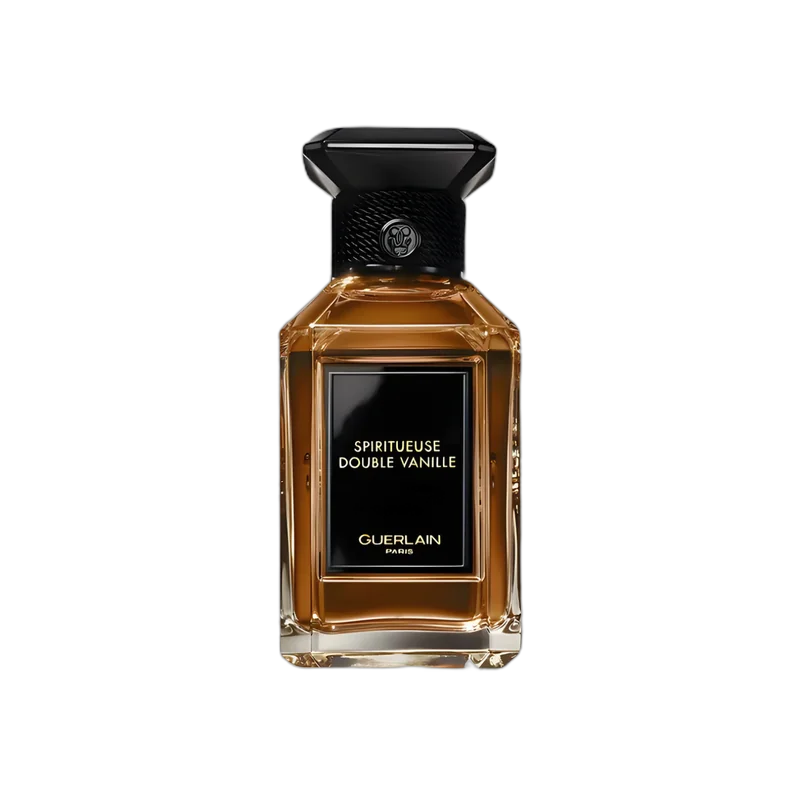
Spiritueuse Double Vanille
The bottle collectors buy two of and hide one. Guerlain released Spiritueuse Double Vanille in 2007, composed in-house by Jean-Paul Guerlain for the house's exclusive line, and it has spent the years since drifting in and out of stock and sparking discontinuation scares that send enthusiasts hoarding. The juice is a Bourbon vanilla drenched in rum and dried fruit, with pink pepper and bergamot lifting the top and benzoin, incense and a little rose darkening the base into something that drinks more like aged spirit than dessert. That richness is exactly why owners baby it. A boozy, incense-streaked vanilla this dark shifts as it ages, the alcohol mellowing and the resins deepening, so people store their backups cool and sealed to keep a beloved batch tasting the way they remember. It wears close and warm, an evening and cold-weather scent that rewards patience over projection. Prices swing with each rumour of it vanishing, which is the collector's whole case for buying a spare while stock lasts and treating a full bottle in its box as the safest insurance against the day the maison quietly retires it again.
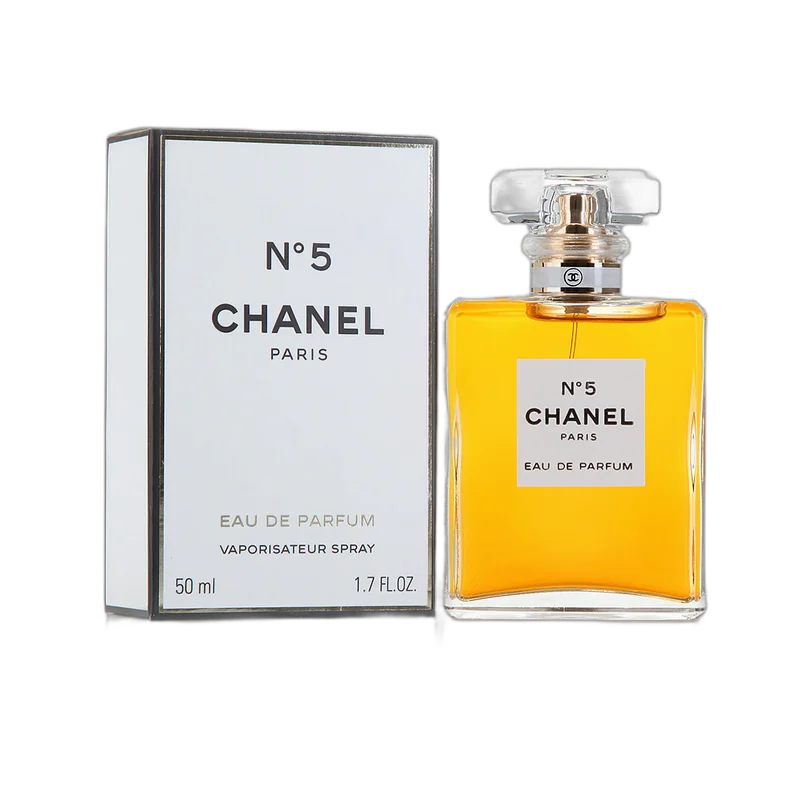
No 5 Eau De Parfum
No fragrance rewards careful storage quite like this one. Chanel's No 5 introduced its eau de parfum concentration in 1986, and the house has kept the pillar in continuous production ever since, which is precisely why collectors watch its batch codes so closely. Decades of overlapping formulas mean an eighties bottle and a current one are recognisably related but not identical, and the aldehydic sparkle, the May rose and jasmine heart and the sandalwood-vetiver base all soften as juice sits. A well-kept bottle from a cherished batch holds that snap far longer than one left on a sunny dresser, so devotees treat cool, dark, upright storage as a way of preserving a specific era of the scent. The abstract, powdery floral remains the most recognisable perfume ever made, the one every archive keeps and every enthusiast eventually reckons with. It wears polished and grown-up, projecting with restraint and lasting the day. For anyone building a collection, this is the reference case for why storage matters: light and heat quietly rewrite a fragrance, and the bottles worth protecting are the ones whose formula you will never be able to buy new again.
Getting It Right Without Overthinking It
You do not need a temperature-controlled cellar to store fragrance well. Keep bottles cool, dark and sealed, ideally in their boxes and upright, in an interior cupboard or drawer well away from the bathroom, windows and any source of heat. Chill your citrus splashes if you like, leave the freezer alone entirely, use decants within months, and trust your nose over any printed date when deciding whether a bottle has turned. Do that much and the fragrances worth protecting will still smell right years from now, long after the ones left on a sunny shelf have quietly faded.