
The Fragrance Glossary: Every Term Explained
What This Page Is For
This is a working glossary of every term this blog uses without stopping to define it. If you have read a review that talked about sillage, an extrait drydown, an ambroxan-heavy base or a flanker that ruined the original, and you nodded along without being sure, this page is the one that fills the gaps. The terms below are grouped by theme rather than listed alphabetically, because concentration words, performance words and family words each belong to a different conversation, and it helps to learn them together.
Each entry gives the short, honest version in a sentence or two. Where a term is big enough to have its own explainer on the site, we link it and keep the definition here brief, so this page stays a hub rather than a wall of text. Nothing here contradicts those deeper posts; think of this as the map and them as the streets. Three products sit woven through the sections below as live illustrations, because the fastest way to understand a term is to point at a bottle that wears it.
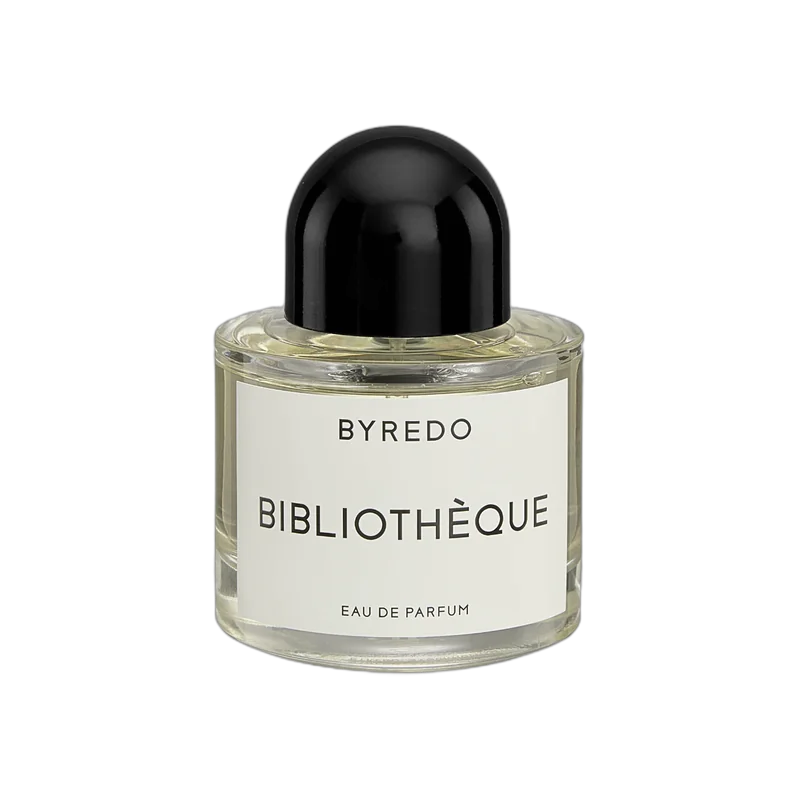
Bibliotheque Eau De Parfum
Byredo's 2017 paper-and-ink scent, and the closest a bottle comes to smelling like a working library. The Stockholm house built it around a warm, slightly fruity heart of plum and peony over vanilla, patchouli and musk, so the effect is less dusty archive than the reading room of a warm house. Violet and peach soften the open before the base turns cosy and skin-close, the fruit reading almost like the leather of an old chair rather than anything sweet. It wears unisex the way most of the line does, quiet and legible rather than loud, projecting modestly for the first hours then settling into a soft hum that lasts most of a day. Performance is the usual Byredo trade-off, restrained and personal rather than a room-filler, which suits the bookish concept. Housed in the house's plain, apothecary-style flacon with the black cap and typewriter label, it looks as understated as it wears. A fitting mascot for a glossary, since it renders in scent the thing this page is made of, and one of the more wearable entries in a line that can run cold and cerebral.
Concentration: EDC, EDT, EDP, Parfum, Extrait
Concentration is the amount of fragrance oil dissolved in the alcohol base, and it is the single most misunderstood spec on a bottle. Roughly, eau de cologne (EDC) is the lightest, then eau de toilette (EDT), then eau de parfum (EDP), then parfum, with extrait de parfum at the rich end. Higher oil load usually means longer wear and a slower, warmer drydown, not simply a stronger blast. It also often means a different composition entirely, not just a diluted or concentrated version of the same juice, which is why an EDP flanker can smell like a distant cousin of the EDT it shares a name with. The full breakdown lives in our guide to EDT versus EDP, which is worth reading before you assume the dearer one is always better.
The Boss Bottled below is the light end made legible, an eau de toilette that wears close and polite by design, the apple staying crisp because the formula never sits heavily on the skin. At the opposite pole sits the Nishane, an extrait built for density, its high oil load giving that syrupy, marzipan-over-amber weight and the all-day performance the label promises. Put the two side by side and the scale stops being abstract.
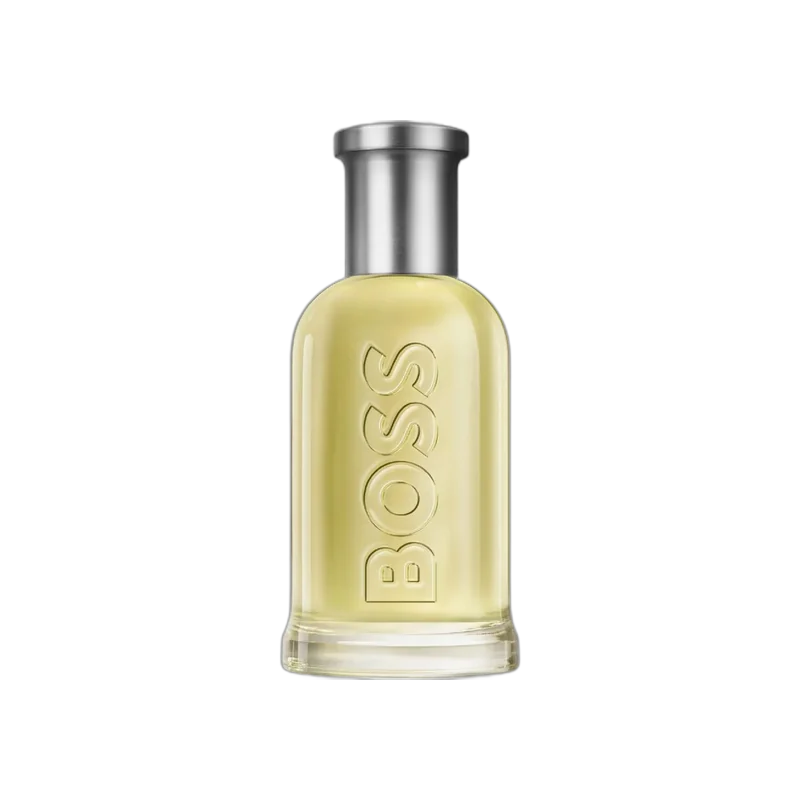
Boss Bottled Eau De Toilette
Walk through enough Australian offices and you will smell Boss Bottled without looking for it, the 1998 Hugo Boss release that quietly became the default masculine of the workplace and has not shifted from that spot since. It is an apple-and-spice fougère woody, opening on crisp green apple and bergamot before cinnamon, clove and geranium warm the middle, then drying down on sandalwood, cedar and vanilla. Clean and warm and inoffensive, the scent countless men reach for on a workday without thinking twice. As an eau de toilette it wears close and moderate, projecting politely for a few hours then sitting near the skin, which is exactly why it earned its office reputation rather than a beast-mode one. That restraint is deliberate and it dates well, the apple keeping it fresh while the spice stops it reading juvenile. Made under licence and stocked heavily here, it has spawned a long line of flankers, the Night and Intense among them, though the original amber-green version is still the reference. The plain, weighty rectangular flacon is as no-nonsense as the juice. Put it alongside the Nishane extrait and the concentration gap becomes immediately, physically obvious.
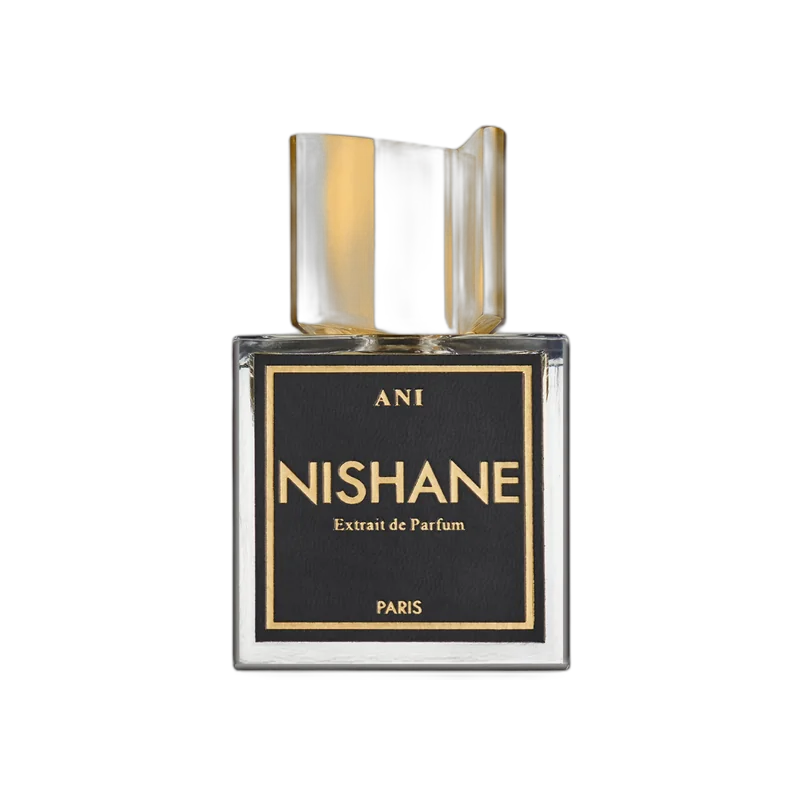
Ani Extrait De Parfum
Sweet, dense and built around bitter almond over a warm amber glow, Ani is the Istanbul house Nishane's 2019 extrait and a direct illustration of what the deep end of the concentration scale actually delivers. Opening on bergamot and bitter almond before a heart of jasmine and heliotrope turns creamy, it finishes on vanilla, tonka, sandalwood and musk pulling the whole thing warm and rich. The almond reads like marzipan, sweet without tipping into cheap, in the way a high oil load allows. Performance is the point here, projecting hard for the first hours and lasting well over a day on skin and fabric, the kind of output that justifies the extrait label rather than just wearing it as a badge. It skews cold-weather and evening, too heavy for a summer afternoon, and reads unisex despite a faintly masculine lean. Bottled in Nishane's tall, minimal flacon with the crest, it sits in the affordable-niche bracket and undercuts a lot of what it competes with on sheer richness per dollar. Where Boss Bottled demonstrates restraint and close wear, Ani sits at the opposite end: heavy projection, all-day staying power, and a richness that makes the concentration difference visceral rather than theoretical.
Performance: Sillage, Projection, Longevity, Beast Mode, Skin Scent
Performance words describe how a fragrance behaves once it is on you, and enthusiasts split them finely. Sillage (say it sea-yazh) is the trail you leave behind as you move, the scent someone catches after you have passed. Projection is how far the scent pushes off your skin while you are standing still, the size of your scent bubble. Longevity is simply how many hours it lasts before fading to nothing. A beast-mode fragrance is one that projects hard and lasts all day, filling a room whether you want it to or not; a skin scent is the opposite, sitting so close that people have to lean in to smell it. The full explainer, including how to test each honestly, is in our piece on projection, sillage and longevity.
Neither extreme is better, only fitter for a purpose. The extrait below leans toward beast mode, the kind of output you keep for cold evenings; the eau de toilette wears closer to a skin scent, which is exactly why it survives an open-plan office where the beast would not.
Structure: Notes, Accords, Top-Heart-Base, Drydown, Linear
Structure words describe how a scent is built and how it changes over time. Notes are the individual smells a perfumer names, the rose, the bergamot, the vanilla. An accord is several materials blended so they read as one new smell, the way a chord is more than its notes, which is how you get a leather accord or an amber accord that no single ingredient produces. Most fragrances are described as a pyramid of top, heart and base notes, the top being what you smell first and the base what remains hours later, though in practice these overlap rather than march in order. The drydown is that final base stage, often the truest character of a scent. A linear fragrance is one that barely changes from spray to fade, smelling much the same for its whole life; a dynamic one shifts noticeably. Our notes explainer unpacks how these pyramids are read and why they mislead as often as they help.
Families: Chypre, Fougère, Gourmand, Amber
Families are the broad stylistic buckets perfumers and shoppers use to place a scent, the fragrance equivalent of genres. A chypre is a classic contrast structure, bright citrus over a mossy, woody-labdanum base, dry and sophisticated in feel; the full account is in our what is a chypre piece. A fougère (fern-style) is the archetypal barbershop masculine, built on lavender, oakmoss and coumarin, and the Boss Bottled above sits squarely in its modern woody wing, which is why it reads so clean and classically male. A gourmand is anything edible-smelling, vanilla, caramel, chocolate, coffee, the family the Nishane extrait belongs to with its almond and tonka sweetness. Amber, once called oriental, covers the warm, resinous, spicy-sweet scents built on labdanum, benzoin and vanilla. The whole map, with more families and their overlaps, is in our fragrance families guide, and the fougère wing gets its own best fougère fragrances rundown if that is your lane.
Materials: Ambroxan, Iso E Super, Oud, Aldehydes
A handful of individual materials come up so often in reviews that they function as shorthand, and knowing them decodes half the jargon. Ambroxan is a synthetic ambergris substitute, a clean, dry, slightly salty woody-amber molecule that powers the modern radiant style, and our ambroxan explainer covers why it is in seemingly everything now. Iso E Super is a soft, velvety cedar-like aromachemical that adds a transparent woody hum and a sense of depth without an obvious smell of its own. Oud is agarwood resin, the dark, animalic, medicinal wood central to Middle Eastern perfumery and much imitated in the West; the real thing, its synthetics and why it costs what it does are in our oud guide. Aldehydes are a class of materials that add a fizzy, soapy, waxy lift, most famous for the sparkling top of the old couture classics, and if that abstract character intrigues you the best aldehyde fragrances list is the place to start.
Market: Flanker, Clone, Dupe, Grey Market, Batch Code
The last group is commercial rather than olfactory, and it matters most to anyone shopping on price. A flanker is a spin-off of an existing fragrance that trades on the original's name, an Intense, a Night, a Parfum edition, sometimes excellent and sometimes a cynical cash-in; our flanker explainer covers how to tell which is which. A clone is a fragrance deliberately built to smell like a pricier release, and a whole tier of houses exists to make them, mapped in our clone houses guide; dupe is the looser everyday word for the same idea. Grey market is the legitimate parallel trade that lets authentic bottles sell well under boutique price, which is the whole reason fragrance is cheaper online than in a department store. A batch code is the printed lot number that dates a bottle and confirms it is genuine, decoded in our batch codes guide. Two more you will meet often: reformulation, when a house changes a formula, usually to meet IFRA rules or cut cost, and discontinued, when it is pulled from sale, both of which can send a fragrance's second-hand price in either direction.
How to Use This Glossary
Do not try to memorise all of it. The terms stick fastest when you have a bottle in hand and a review open, so the practical move is to keep this page bookmarked and come back to it whenever a word trips you up. Start with concentration and performance, because those two groups settle the most common shopping confusion, then pick up structure and family language as you read more reviews. Materials and market terms tend to arrive on their own once you are buying seriously.
The three fragrances above are here precisely because they cover the ground you will use most: a quiet, bookish unisex to show what restraint smells like, a light eau de toilette workhorse for the daily-driver end of the scale, and a rich extrait for the deep end. Read the linked explainers when a single term earns a closer look, and treat everything here as the short version. Language should make fragrance easier to buy, not harder, and the whole point of a glossary is to get you back to sniffing sooner.